Weighing 3-Tab Shingle Roofing in Denver Colorado?
APC Roofing lays new courses of strip and laminated products on ranch homes, two-story houses and detached garages.
Phone 720-902-6940 and the findings are explained without jargon.
Behind the Colored Finish – Factory Details
Strength in a shingle comes from a glass-fiber mat, and a saturant of asphalt seals out rain, and a dense layer of crushed rock granules takes the glare.
Two lines that appear matched may be put together quite differently, and more heft commonly lets a covering weather more summers. A swatch offers the look and nothing more, while a technical sheet sets out performance figures.
Flat or Dimensional: The Practical Contrast
A three-tab product is a single-layer piece with twin cutouts at the exposed edge, and the result is a regular brick-like pattern. An architectural shingle has an irregular top ply fused to a whole base, and the covering appears textured and shadowed.
A laminated bundle holds considerably more asphalt than a strip bundle, and the rated wind resistance usually rises too. Nails on a dimensional shingle go through the zone where the plies meet, and most manufacturers print guide lines there.
Keeping the Traditional Look – Narrower Choices
Outbuildings and porches are frequent homes for three-tab, and new work can blend with existing courses of that kind. Selection has shrunk, since many brands have trimmed that style, and some shades are no longer produced.
Textured shingles mask slight waves in the boards beneath, while a thin strip follows every undulation. Either style goes over the same underlayment and flashings, while everything that differs is on top.
Surface Wear Over Time – Normal or Worrying
Some surplus grains rinse off a recently installed covering, and that is no cause for concern. On a covering with many years behind it, drifts of granules at the outlets mean real surface wear, and uncovered asphalt dries out and cracks in sunlight.
Southern and western slopes absorb the hottest light, so the black asphalt often shows through there sooner.
Sealant Lines: Early Weeks
Glue is applied to every shingle at the plant as a narrow stripe, and on a hot day it softens and grips the row laid over it. Adhered courses keep their bottom edges down in a gust, while nails hold every shingle for its whole life on the house.
At the colder end of our territory, a covering installed in freezing temperatures can wait months to bond, so tabs stay at risk from wind for a while. Manufacturers' instructions call for dabs of roofing cement in that situation, and each bundle label marks the right locations.
Placement on the Shingle – Frequent Errors
Every nail belongs inside a narrow stripe the manufacturer marks, and from there the shank reaches the top of the underlying row too. A standard shingle gets four fasteners, and high-wind or steep work moves the number to six.
A nail driven high pins one layer instead of two, an overdriven head slices the fiberglass, and a cocked shank raises a hump in the shingle overhead. A bundle's wind class holds only when the printed pattern is followed, and a poorly adjusted pneumatic tool repeats its error across an entire plane.
The Wood Below – Older Houses
A deck of plywood or OSB lies beneath every shingle, because a fastener driven into nothing holds nothing. Homes that once wore wood shakes may still have spaced slats up top, so sheathing is laid across them before shingles.
Sections that are soft, delaminated or rotted get cut out and replaced during a tear-off, since a shank in crumbling fibers cannot hold. A small gap is left between neighboring panels, as moisture makes the wood expand and ridge up when butted tight.
The Secondary Layer – Types in Use
Before any shingles go down, a water-resistant membrane is rolled over the deck, and it goes down in horizontal runs that lap downhill. Asphalt felt is less common now that synthetic sheet has taken hold, because the woven fabric resists tearing and stays flat when damp.
Water blown under a lifted tab runs down the membrane to the gutter, yet leaving it bare for long shortens its useful life.
Ice Dams at the Overhang: Width That Counts
Across the colder end of our territory, snow over a warm attic turns to water, and the meltwater refreezes at the unheated lower margin. Water pooling behind that buildup can back up under the shingles, and regular underlayment offers no seal where nails penetrate.
A self-sealing ice barrier goes down along the bottom of each slope where winters freeze, and it continues until it passes the wall line inside the house. In all of our territory, installers also lay it in valleys and around penetrations, because those junctions carry heavy flow.
Where the Deck Ends: Sequence Matters
Every eave and rake gets a formed strip of metal, so rain falls free beyond the woodwork. Down low, the flashing is installed before the underlayment, but on the gable sides the order reverses.
A modern code commonly calls for edge metal along every border, and without it water curls back under the shingles and soaks the deck.
Groundwork at the Eave: Uplift Concerns
The first exposed course rests on a dedicated starter strip, so tacky asphalt ends up at the very brink of the deck. Flipping an ordinary piece around keeps the adhesive away from where it is needed, so the outermost tabs are pinned by nails only.
Many manufacturers call for starter along the rakes as well, because gusts pry at a roof's perimeter.
Inside Corners – Methods Compared
An open valley shows a strip of metal running down the crease, while the closed-cut version clips one side's courses along a snapped line. Weaving is a long-standing technique for thin, flexible tab shingles, though dimensional shingles rarely take to it because of their bulk.
Nailing close to the fold is avoided, and a sealed membrane is placed below as backup. Collected leaves and twigs slow the flow and keep the surface wet, and diverted water can work under the neighboring courses.
Vertical Surfaces: Steering Water Past
Every course that meets a wall gets its own folded step flashing, while the lap siding covers the upright side. The corner where the eave reaches the house takes a kickout, and without one rain runs inside and rots the sheathing.
Chimney flashing combines a front apron, side steps and counterflashing cut into the brick joints, while stacks above a certain width require a cricket upslope.
Holes for Plumbing – Upkeep Notes
A pipe boot is built from a flat base plate and a stretchy neoprene collar, and ultraviolet exposure dries the gasket out and cracks it. Shingles uphill cover the top of the flange, so the lower edge sheds onto the shingles beneath.
Rubber collars commonly split long before the field gives out, so replacing the shingles means replacing the boots too.
At the Summit – Final Courses
The ridge and every hip are closed with cap shingles, and a dimensional line comes with its own heavier companion product. Homemade substitutes trimmed from three-tab carry less material, and in winter at the colder end of our territory the fold is prone to cracking.
The caps often conceal a vent along the peak, and nail length is chosen to pass that gap and grip the boards.
A Healthy Upper Story: Common Problems
Outside air should come in through vents under the eaves, and it should leave high along the ridge. Insulation that spills into the narrow cavity over the walls can shut the passage, and foam or cardboard baffles hold a channel clear.
A stuffy attic adds heat beneath the deck, and moisture from the living areas lingers up there. Across the colder end of our territory, a crust of frost builds on the nail points, and the melt soaks the insulation by afternoon. Adding a fan to an attic that already has a ridge vent can reverse the intended path, so the lower part of the space goes stagnant.
Around the Map: Wind, Sun and Winter
The metros we serve run from freezing uplands to steamy lowlands, and asphalt meets a different set of stresses in each. At the coastal end of our territory, a hurricane can drive powerful gusts for many hours, and product sheets set out an enhanced nailing method. Relentless sunshine hardens the binder over the years, while streaks spread faster where the air stays sticky.
At the colder end of our territory, water that seeps into a crack freezes and widens it, and packed snow sits on the slopes for days.
Stones Out of a Thunderhead – Reading the Strikes
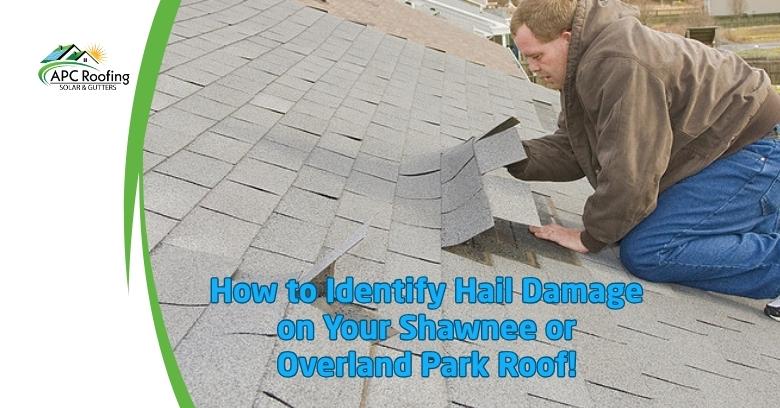
At the colder end of our territory, big hail visits many neighborhoods, and impact-resistant lines exist for exactly that. A strike scatters the grit from a small round area, and a violent one can split the reinforcement beneath.
Manufacturers earn an impact rating by dropping steel balls onto test panels, and the stronger lines come through in better shape. Some companies add rubber polymers to the asphalt, which lets the shingle flex instead of shattering.
Wind on Asphalt – Replace or Reseal
The border of a roof and its corners see the greatest upward force, and a shingle no longer stuck down lifts again and again. A tab folded back far enough creases along its width, and the mat never regains its strength along that line. Pieces left in that condition are taken out and replaced, but one that lifted cleanly can be stuck back down.
Where a tab has blown away, the underlayment beneath lies open to the sun, and ultraviolet rays wear it down fast.
Growth on the Surface: Shade and Damp
The inky bands seen on so many houses come from algae, which feeds on crushed limestone mixed into the product. Shady, slow-drying planes at the humid end of our territory tend to go dark soonest, though the color change is mainly cosmetic.
Moss is more serious, because it stays wet for days, and as clumps thicken they wedge the tabs upward. A pressure washer blasts granules off along with the growth, so a light misting of a purpose-made solution is used instead. Algae-resistant designs mix copper into the surface, and a zinc strip near the crest slows the streaks' return.
Picking a Hue – Matching Bundles
Deep tones take in more solar warmth and reach higher surface temperatures, and pale shingles stay cooler. Some product lines use specially coated granules that turn back more radiation, and a reflectance rating appears on the data sheet.
Stock can vary from one production lot to another, so maker directions say to draw from more than one bundle at a time. Blended colors, with many tones on each piece, hide those minor differences, while a solid, even finish reveals them more readily.
Climbing Onto the Courses – Frost and Footing
Midday sun softens the surface noticeably, so treads rub the stone off in patches. At the colder end of our territory, a course stiff with cold can break under weight, and a glaze of ice leaves nothing to grip.
A homeowner is far safer staying on the ground, and a pair of binoculars shows most of what matters.
Re-Covering Without a Tear-Off: What Gets Missed
A re-roof over a prior roof is legal in many towns, but never over two, or over boards that are wet or rotten. A layover keeps the worn shingles sitting on top, and weak spots stay just as they were.
Irregularities beneath carry up into the finished roof, while aging flashing frequently stays put. Two layers put more pounds on the rafters than they were planned to hold, while longer fasteners are needed to reach solid sheathing.
Things That Turn Up – Worth a Closer Look
- Mineral grains build up in the gutter troughs, and the drifts get deeper each season.
- Tabs stand up along one edge, which means the seal has let go.
- Courses have started to buckle and warp, as years of sun shrink the top.
- Splits open across the middle of a tab, and rain then finds a path to the mat.
- Dark, smooth patches appear on the surface, and the asphalt now bakes in the sun.
- A flue or vent collar has turned brittle and torn, and drips may reach the ceiling below.
- Metal along a wall has pulled loose, so a downpour can run in underneath.
- A water mark appears near a light fixture or a closet, while the opening outside can be several feet off.
APC Roofing and 3-Tab Shingle Roofing in Denver Colorado: Our Method
An inspection begins with a walk across each slope, and the flashings, valleys, vents and edges get a close look along the way. Inside, the attic is checked for stains and daylight, and the underside of the deck shows where water has been.
Every fault is photographed, and the extent is measured. The findings are written up in plain language, with the reasons given for each recommendation. A little problem is never made to sound big, and a tired covering is spoken of honestly. The choice is the owner's, including the option of doing nothing for now.
3-Tab Shingle Roofing Throughout Denver Colorado: Straight Answers From Up Top
Phone 720-902-6940 and say what you have noticed.
Fix or Replace: Where the Line Falls
A failed vent collar, a lifted flashing or several damaged tabs calls for ordinary repair, while the surrounding shingles are left alone. Patched areas show a visible contrast at first, and the tone that went on years ago may be out of production.
On a worn covering, tabs are brittle and crack when lifted to reach the nails, so the disturbed zone keeps widening. When curling edges and bald spots cover most slopes, repairs no longer hold for long.
How Long Shingles Last – Early Endings
A three-tab product commonly gives around fifteen to twenty years, while architectural lines can go well beyond that. Attic airflow, sun exposure and the quality of the nailing move that figure, while one bad storm can end the run early.
Seals around pipes and walls benefit from a periodic check, as prompt fixes keep water out of the wood.
For a roofer's view of 3-Tab Shingle Roofing in Denver Colorado, call APC Roofing at 720-902-6940. Someone will walk every slope and look over the details, and the written findings let you decide.