Another summer hailstorm rolled through, and now you’re looking up at your roof wondering what it did. Maybe the shingles look faded and worn on the south side, or there are dark spots where granules used to be. If you’re researching shingle roofing in Denver, you want to know whether your roof needs a repair, a new roof or nothing at all, and you want that answer from someone who isn’t just trying to sell you the biggest job.
That’s exactly the right instinct. You should be able to see what’s wrong with your own roof before you spend a dollar on it.
APC Roofing is a GAF Certified roofing contractor, licensed and insured. We install and repair asphalt shingle roofs on houses, garages and sheds, and inspections and estimates are free. Call 720-902-6940 and you’ll get a plain answer about what your roof needs.
What Denver’s climate does to a shingle roof
The Front Range is one of the toughest places in the country to be a shingle.
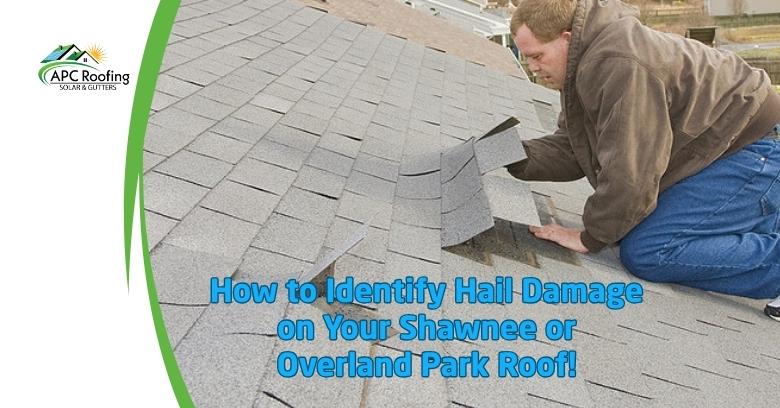
Hail. Denver sits in one of the most hail-prone parts of the U.S. When a hailstone hits an asphalt shingle, it knocks the granules loose in a round bruise and can crack the mat underneath. Those spots then age quickly in the sun. Hail damage is easy to miss from the ground, and dented gutters, vents and window screens are often the first clue.
Sun. At a mile high, UV is stronger than at sea level. It dries out the asphalt and loosens granules, and the slopes facing south and west usually wear out first.
Wind. Strong gusts can break the seal strip that holds each shingle down. Once a shingle starts flapping, it creases and eventually tears off.
Snow and freeze-thaw. Water seeps into small cracks, freezes and widens them. Snow that melts over a warm attic and refreezes at the cold eaves can build ice dams that push water back under the shingles.
Denver’s temperature can also swing a long way in a single day, and all that expanding and contracting works on nails, sealant and flashing.
Choosing shingles for a Denver home
Most homes here have one of two kinds of asphalt shingle roofing:
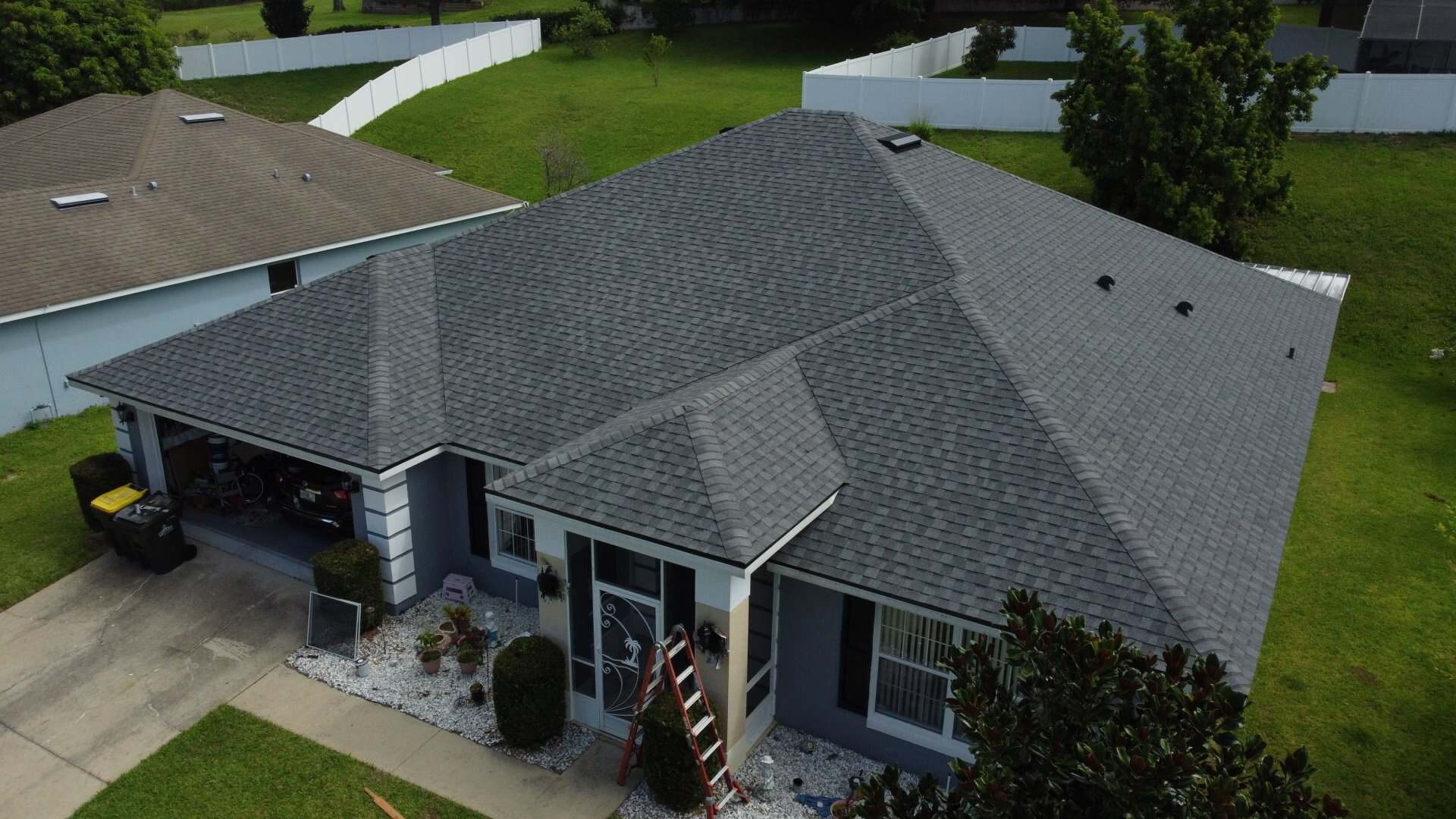
- Architectural (laminated) shingles. Thicker, with a layered look. They hold up better in wind than older styles and are the most popular choice for a new roof today.
- 3-tab shingles. Flat and lighter. You’ll still see them on older homes, garages and sheds.
Given how often hail hits this area, impact-resistant shingles are worth asking about. These are tested by dropping steel balls onto sample panels, and the ones that earn the top rating hold up noticeably better in hailstorms. Some homeowners’ insurance companies offer a discount for them, so ask your agent.
Color matters more than you might think. Lighter shingles stay a bit cooler in the sun, and a blend with some variation hides wear and minor repairs better than a flat solid color.
What a well-built shingle roof includes
The shingles are only the part you see. A roof that holds up in Denver depends on what’s under them:
- A solid deck, with any soft or rotted boards replaced.
- Ice and water membrane along the eaves and in the valleys, where ice dams and heavy runoff hit hardest.
- Underlayment across the rest of the deck as a backup layer.
- Drip edge at the eaves and rakes, plus new flashing at walls, chimneys and pipes.
- Balanced attic ventilation, with intake at the soffits and exhaust at the ridge.
- Correct nailing, so each shingle stays put in high wind.
If an estimate doesn’t name these items or say whether the old roof comes off, ask before you sign.
Repair or a new shingle roof?
A few missing shingles, a cracked pipe boot or a loose piece of flashing is everyday repair work. Our shingle roof repair in Denver team handles those. One honest caution: an older roof that’s weathered for years won’t match new shingles exactly, even in the same color, and some styles get discontinued.
Replacement starts to make more sense when shingles are brittle and cracking across whole slopes, granules are washing into the gutters, hail has bruised most of the roof or leaks keep turning up in new spots. If you’re there, our roof replacement in Denver page covers what a full tear-off involves.
After a hailstorm
If you think hail hit your roof, don’t climb up there yourself. Hail-damaged shingles can be slick and the damage is hard to judge by eye. We’ll inspect the roof, photograph and measure the damage and give you a written estimate you can share with your insurance company. You file your own claim and you pay your own deductible. Be careful with anyone who offers to cover it. Our hail damage roof repair in Denver page walks through the process.
How it works with APC Roofing
- Book your free inspection. Call 720-902-6940 or request a free online estimate.
- Get a clear, honest assessment and estimate. You’ll get photos and a written report in plain words. A small problem won’t be made to sound big, and a worn-out roof will be called what it is.
- Get your roof done and your yard cleaned up. The crew protects your landscaping, finishes the work (often in a single day on residential replacements) and runs a magnet across the yard and driveway for stray nails.
Financing is available through partners including Aqua Finance, Fortifi, Hearth and Home Run Finance.
Questions about shingle roofing in Denver
How long does a shingle roof last in Denver?
It depends heavily on hail, sun exposure and attic ventilation. A roof that dodges major hail and has a well-vented attic lasts far longer than one that takes a direct hit. An inspection tells you more than the calendar does.
Are impact-resistant shingles worth it in Denver?
For many homeowners, yes. Hail is a regular part of summer here, and impact-resistant shingles resist bruising and cracking better than standard ones. Ask your insurance agent whether your policy offers a discount for them.
Can new shingles go over my old roof?
Sometimes, but it’s rarely the best choice. An overlay hides soft decking, adds weight and leaves old flashing in place. A tear-off lets the crew fix what’s underneath.
How can I tell if hail damaged my roof?
Look for dents in gutters, downspouts and metal vents, and for granules piling up at the bottom of downspouts. The bruises on the shingles themselves are hard to see from the ground, so an inspection is the reliable way to know.
A roof you can stop watching
A bruised or worn shingle roof doesn’t fail all at once. It lets in a little water at a time, into the decking and the insulation, and a simple repair turns into a bigger one.
Once your roof is sound, the next summer storm is just noise overhead. The house stays dry, there’s no surprise bill and you know exactly what’s protecting your home. Call 720-902-6940 to book your free inspection, or start with our free online estimate. You can also see all our roofing services in Denver.