Another hailstorm just came through, there are granules in your gutters, and a few shingles on the back slope look out of place. Or your roof is simply getting old and you’re trying to figure out what to put on next. Asphalt shingle roofing in Denver has to stand up to more than most places, and picking the wrong shingle or the wrong installer can mean you’re back on the phone after the next storm.
You deserve a roofer who tells you plainly what you have and what you need.
APC Roofing installs and repairs asphalt shingle roofs on Denver homes of every age and size. We’re GAF Certified, licensed and insured, and inspections and estimates are free. Call 720-902-6940 and a visit will show you what condition your roof is really in.
The shingle options for Denver homes
Three-tab shingles
The original flat, single-layer shingle. It’s lighter and costs less, but it has a lower wind rating and less to give in a hailstorm. You’ll still see it on older Denver homes, and it can make sense for a garage or a budget repair. See our 3-tab shingle roofing in Denver page for more.
Architectural shingles
These are laminated, with two or more layers bonded together. They’re thicker, carry higher wind ratings and give the roof a textured, dimensional look. Most new shingle roofs in Denver use them.
Impact-resistant shingles
Some architectural shingles are built and tested to resist hail. On the Front Range, they’re worth a serious look. Some insurers treat impact-rated roofs differently, so ask your agent whether that applies to your policy before you choose.
What Colorado weather does to a shingle roof
Hail
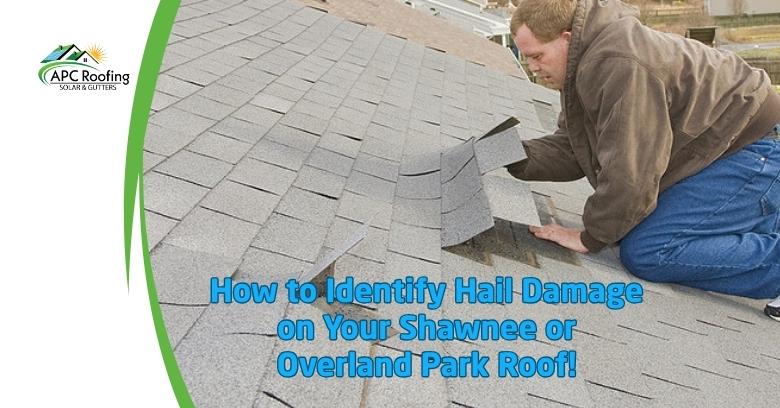
Hail is the reason a lot of Denver roofs get replaced. A hailstone can knock granules loose, bruise the mat underneath or crack the shingle. Bruising is easy to miss from the ground. It shows up as soft spots or dark marks where the granules are gone, and those spots age faster in the sun. A roofer has to get up on the roof and look closely to tell hail damage from normal wear.
Wind
Strong gusts come down off the mountains and lift shingles along edges, ridges and corners. Shingles have a sealant strip that bonds each course to the one below it in warm weather. If the roof is installed in cold weather, those strips may not seal until it warms up, so hand-sealing the edges is part of a good cold-season install. When a few shingles blow off, a repair is often enough. If the sealant has failed across the roof, more shingles will keep coming loose.
Snow and ice dams
Snow melts on the warm part of the roof, runs down to the cold eave and refreezes. That ice can back water up under the shingles. An ice-and-water membrane along the eaves is the standard defense in snow country. Good attic insulation and ventilation help even more, because they keep the roof deck from melting the snow to begin with.
Sun at altitude
The sun is stronger at Denver’s altitude. Over time it dries out shingles and wears off the granules that protect them. Heavy granule loss in the gutters on a roof that hasn’t seen recent hail is a sign of age.
What goes under the shingles
A shingle roof is a system, and the shingles are just the top layer. A solid installation includes:
- Replacing soft or rotted decking once the old roof is off
- Underlayment across the whole deck, plus ice-and-water membrane at the eaves and valleys
- Metal drip edge and a starter course to lock down the first row
- New flashing at walls, chimneys and pipes
- Balanced attic ventilation, with intake at the eaves and exhaust at the ridge
- Nailing to the manufacturer’s pattern, which is what the wind rating depends on
Skip any of those and the best shingle on the market won’t perform the way it should.
Repair or replace?
A few missing or damaged shingles, a leaking pipe boot or a loose ridge cap are repairs. Our shingle roof repair in Denver page covers those. Replacement makes more sense when hail damage is spread across the roof, the shingles are curling or brittle, granule loss is heavy, or leaks keep turning up in new places. We’ll show you photos and tell you which one you’re looking at.
After a hailstorm, we’ll photograph and measure the damage and give you a written report. If you decide to file a claim, we’ll provide the estimate and work with your adjuster. You file your own claim and pay your own deductible. Our hail damage roof repair page explains that process.
How it works with APC Roofing
- Book your free inspection. Call 720-902-6940 or request a free online estimate.
- Get a clear, honest assessment and estimate. You’ll see photos of what we found and get a written scope that names the shingle, underlayment and ventilation.
- Get your roof done and the site cleaned up. Many residential shingle roofs are installed in a single day, and the crew protects your landscaping and picks up nails before leaving.
If you’d like to spread out the cost, we work with financing partners including Aqua Finance, Fortifi, Hearth and Home Run Finance.
Questions about asphalt shingle roofing in Denver
What’s the best asphalt shingle for Denver hail?
An impact-resistant architectural shingle holds up best. It costs more than a standard shingle, so weigh it against how long you plan to stay and what your insurer offers.
How do I know if hail damaged my shingles?
Look for granules piling up in the gutters, dents in gutters and vents, or dark spots on the shingles. Many hail marks can only be confirmed up close, so a free inspection is the easiest way to know.
Can you replace a few shingles, or does it have to be the whole roof?
A few damaged shingles can usually be replaced. If the damage is widespread or the roof is near the end of its life, replacement is the better call.
How long does a shingle roof installation take?
Many residential shingle roofs are done in a single day. Larger roofs or jobs with damaged decking can take longer.
A roof you can stop watching
Hail damage that sits for a season or two rarely stays cosmetic. Bruised shingles lose their protection, water finds the weak spots, and you end up with a soft deck and a stained ceiling. Knowing where your roof stands lets you deal with it on your schedule.
The next storm passes, you check the gutters out of habit, and there’s nothing there. A sound roof, a dry house and no surprise bill. Call 720-902-6940 to book your free inspection, or start with a free online estimate.