Asking about TPO Roofing in Denver Colorado?

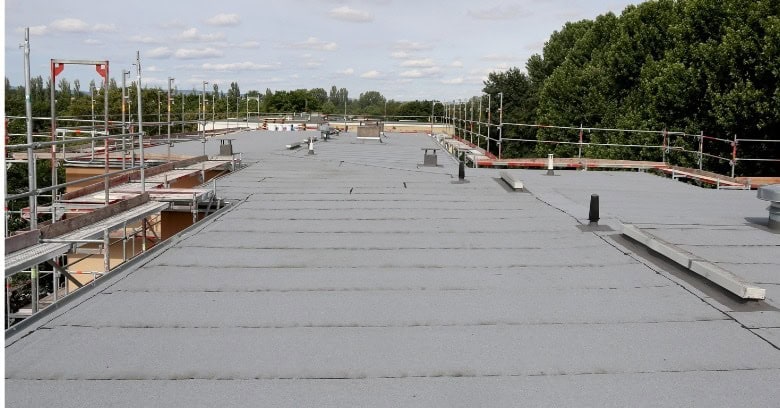
APC Roofing puts down and mends single-ply and rolled sheets, and on a home the work usually sits over a porch, a garage or an addition.

Dial 720-902-6940 and a roofer will climb up and give you a plain account.


Runoff by Design: Worked Out Beforehand

What people call a flat roof is built to fall slightly toward an outlet, and codes commonly ask for at least a quarter inch of drop per foot. On some houses the framing provides the change in height, or foam panels cut on a taper can add the difference over the deck.

Water races off a steep main roof during a storm, but the low part of the house needs far more time to dry off, so each seam sits in moisture long afterward. A ridge called a cricket turns runoff aside at a chimney or curb, and no dam of water forms against the upslope face.

Beyond What Shingles Handle: Where Membranes Begin

Building codes allow asphalt tabs only where the rise reaches two inches per foot, and clay or concrete tile needs a steeper plane again. Below the limit, a gusty storm pushes water upward beneath each course, and the wood takes on water after every downpour.

Plenty of homes pair a shingle main roof with a membrane over the addition, with the material picked to suit the incline below. A sheet covering acts as one sealed skin from edge to edge, so standing rain has no overlap to slip under.

Low-Slope Choices – Sorting the Catalog

TPO and EPDM arrive as wide single-ply rolls, while modified bitumen is asphalt blended with polymers in narrower strips, and built-up roofing stacks felt and hot tar beneath gravel. Light membranes spare the framing over porches and garages, and every join can be probed with a tool.

TPO is typically a bright white plastic, but EPDM is a black rubber compound. The deck, the drainage and any rooftop equipment point to the right product, and we give a recommendation with reasons while the homeowner decides.

Closing the Joins: Done by Hand

The open field of a membrane rarely leaks, but the places where widths overlap are where faults appear. A TPO seam is melted together with a stream of hot air, and a roofer runs a probe down the joint to catch any gap.

EPDM laps are fastened with primer and adhesive tape, so a dusty or damp surface at installation undermines the grip. On an old rubber roof, joins tend to curl at the ends, and a cover strip laid across the gap puts the barrier right.

Pale or Dark: Effects Indoors

A bright TPO surface bounces much of the sun's heat back skyward, so an addition beneath stays more comfortable. A dark EPDM sheet collects radiant energy, and the deck under the sheet stays warm into the evening. The cooling boost is strong where summers run long, but the difference is modest at the colder end of our territory.

Gauge: Suiting the Job

Membrane depth is stated in mils, thousandths of an inch, and 60 sits a step above 45 for house work, and heavier rolls exist for roofs that see traffic. A fuller build resists punctures from a falling tool, and the added body weathers longer under ultraviolet light. A slim and a heavy grade look identical from the ground, so the mil number is written into the scope.

The Build-Up – Piece by Piece

A cover board commonly lies directly under the membrane, and rigid insulation panels come after, and a deck of plywood, steel or concrete carries everything. Foam keeps summer heat out and winter warmth in, and greater depth raises the R-value. Waterlogged insulation stops working and gains pounds, and a sealed membrane on top leaves the dampness nowhere to go. Readings from a meter, a thermal camera or a core sample trace the extent of the problem, because the membrane can appear sound from end to end.

Joining the Shingles – a Mixed Detail

At a sloped roof, the membrane extends upward under the asphalt tabs, so each downpour ends on the membrane rather than beneath. No part of the sheet's top edge faces the sky, and caulk plays no part as the barrier.

If the membrane sits on the last course, rain runs in behind, and heavy rain finds the framing beneath. Damp drywall in the ceiling corner beside the house frequently points to a reversed junction, and the proper repair redoes the detail from the eave up.

Edge Metal: Clamped Down

Wind crossing a low roof pulls upward at corners and along the perimeter, and an opening can let the membrane peel back across a wide area. Bent metal grips the sheet all along the outside, and an angled lip carries rain clear of the fascia into the gutter.

The end of the membrane at a wall is secured with a termination bar, and a bead of sealant along the upper side keeps water from running behind, and counterflashing overhead shades the joint from rain. Lifted edge trim or popped fasteners need attention, since tightening everything keeps wind from prying underneath.

Low Walls Around the Deck – Masonry or Framing

The membrane is taken up the inner face to form base flashing, and metal counterflashing laps over the upturned edge. A stone or precast coping sits along the top of the parapet, with an inward slope that keeps rain off the exterior.

Separated joints along the crest channel rainfall into the wall, and the damp can show up far from the point of entry. Masonry with open mortar lines also calls for repointing, and framing under stucco depends on sealed corners and a tight top.

Drainage Hardware – the Parts Involved

A low roof sheds runoff by an inside outlet, a scupper through a wall or an edge gutter, and debris lodged at any opening holds water back. An interior drain is set in a small sump and topped with a strainer, and piping in the house leads down to the yard or a storm line.

The overflow scupper is mounted higher than the main outlet, and a roof enclosed by parapets needs a second way out under the code. Maintenance means lifting debris off strainers and out of gutter throats, and a dome that has moved is fastened back down.

Puddles That Linger: Slow Harm

Roofers treat rain still sitting on a membrane two days after a storm as a defect, and the source is a sunken deck or a stopped outlet. Constant immersion speeds the aging of the sheet beneath, and silt and algae collect on the wet patch. Rain a few inches deep bears down hard enough to bend the joists, so the dip deepens with every downpour.

A fresh sheet over the same framing keeps the same contours, and tapered insulation, a cricket or a new drain handles the correction instead. The framing and the routes open to new piping decide the remedy, and measurements taken with a level settle the plan.

Unplanned Openings – Tracking Down Pinholes

A single-ply sheet can be breached by a sharp object at any age, and a stray screw or a slipped tool can do the damage. Hail at the colder end of our territory can fracture a brittle membrane, and falling branches can tear a surface in any climate.

A little hole caught soon takes nothing more than a patch, but months of rain through the gap saturate the insulation beneath. Pinholes are located by a slow walk over the full field, and a look from the ladder top misses tiny punctures.

Paths to the Equipment – a Sacrificial Layer

A membrane is a watertight skin and was never meant as flooring, and every visit to the air conditioner on the roof wears the surface slightly. Dense pads are welded or glued along the approach to the units, and the strips take the abrasion in place of the membrane. The written scope includes traffic protection wherever mechanical gear sits up top, and service crews are pointed to the marked lane.

Elevated Platforms: Access for Repairs

Pedestals under the pavers hold tables and chairs above the membrane, and water passes freely below. Large planters need a check of what the joists can carry, because wet earth weighs far more than dry earth.

Each paver can be lifted off by hand, so a leak beneath the seating area can be reached without demolition.

Openings for Equipment: Closing the Gaps

A plumbing pipe is wrapped in a molded boot of matching membrane, and a stainless band cinches the collar to the stack. A skylight or a unit sits on a curb raised above the deck, and metal capping covers the upturned membrane on each side. Brackets, cable bundles and other odd supports go into a pitch pocket, which is a shallow collar of pourable sealant.

With age the fill shrinks away and cracks, and a top-up is part of normal care.

Fixing Versus Replacing – Where the Line Falls

Leaks on a membrane generally come from one limited area, and a matching piece sealed over the opening makes a sound job. On TPO the overlay is welded down and tested with a probe, and an EPDM cover is primed and taped with rounded corners.

Replacement makes sense once seams are failing across the roof, or the sheet has become brittle with age, or broad sections of insulation hold water. We give a plain answer on the right course, and pictures and meter results sit behind the verdict.

Recover or Tear-Off – Choosing the Route

A replacement membrane can sit over the existing roof with a board between, and codes limit the method to houses with a single covering. An overlay only works over dry insulation, since moisture sealed in keeps rotting the wood.

A tear-off takes all old material off the deck, so spongy boards get replaced and the grade corrected, and code demands the method where a house carries two coverings. Readings from a meter and a tally of layers point to the route, and the findings come in writing before the owner chooses.

The Passing Years – What Hastens Wear

Daily cycles of heat and cold, ultraviolet light and pooled rain steadily degrade a membrane, and service traffic grinds trails into the field. Cleaning out strainers and topping up pockets every year buys extra seasons, and early patching of small cuts protects the insulation.

Warning Signs Worth Knowing: Before Damage Grows

  • A brown ring on a ceiling beneath the low roof, which means rain has passed through the insulation.

  • A stream pouring out of the overflow opening in a storm, which often points to a clogged main outlet.
  • Edge flashing kinked or pried up after strong gusts, which can let the membrane be pulled back.
  • Moss gathering where the roof meets the gutter, evidence that rain lingers far too long.
  • A drooping line above the porch from outside, an indication that pooled water is bending the deck.
  • Raised blisters spotted from a window over the membrane, often from moisture trapped below or a lost bond.
  • Dark trails on the exterior under a parapet, typically from separated joints along the coping.
  • Water marks in the ceiling corner beside the main structure, often due to a leaking tie-in.

How APC Roofing Works Through TPO Roofing in Denver Colorado: Order and Method

The first thing we check is the drainage, outlets and low spots included, and next the laps are probed along the full length. The perimeter metal, parapets, curbs and pockets are inspected after, and where a leak is present, a meter and a core cut test the insulation.

Findings are set out in a written report with pictures, and every component receives a clear verdict. Where mending makes sense, mending is what we suggest, and a membrane at the end of service is called out frankly.

TPO Roofing Around Denver Colorado: Practical Help With Low Roofs

Reach us at 720-902-6940 and we will put an inspection on the calendar.


Painted-On Protection: Honest Limits

A fluid product can be rolled or sprayed over an existing membrane, and the liquid sets into a continuous skin. On a watertight roof, a coat reflects sunlight and adds service, but across open laps or soaked insulation the layer masks trouble without solving anything.

Silicone copes with ponded rain, whereas acrylic breaks down where puddles sit. Washing and patching beforehand are the larger share of the labor, since nothing bonds well to a dusty or chalky membrane. We say plainly when a coating suits a roof, and when the membrane needs repair or replacement instead.

Timing a Membrane Job: Why the Calendar Shifts

EPDM tape and primer must go onto a dry surface, and low temperatures slow the adhesive's grab. Hot-air welding on TPO copes with brisk mornings, but rain stops all membrane installation.

A small repair can be done in a brief pause between showers, whereas a full replacement needs several settled days. Work areas are closed watertight before the crew leaves each evening, so the interior stays safe overnight.

If you need TPO Roofing in Denver Colorado, phone APC Roofing at 720-902-6940. A roofer goes over the membrane, the outlets and the edge metal, and the findings arrive in writing with the decision left to you.


Mike Fitzjarrell

Verified

★★★★★
Justice came out and gave us a fair quote, will call him first when we are ready

b wrld

Verified

★★★★★
Danny talked to me at the door, my roof isnt damaged but I’ll keep Apc roofing in mind

jose rivera

Verified

★★★★★
All workers very professional very satisfied

Kevie Connaughton

Verified

★★★★★
The APC team was very professional, prompt, great with communications and completed our new roof earlier than the estimated completion. They had the materials and the staff available to do a great job. We highly recommend this company.

Carlos Hernandez

Verified

★★★★★
APC Roofing and Ryan, in particular, were amazing to work with. I had other roofing companies check my roof and tell me there was no damage to report to insurance. "Waste of my time" is how they each put it. Ryan came to my house and upon inspection broke down each and every reason why I had significant damage worth reporting. He took several images, helped upload them all to the insurance company, and even walked me through the process. I cannot say enough how much I appreciate both his professionalism and customer service. He saved me thousands of dollars by doing his job and encouraging me to take action. And to top it all off, the roof came out amazing and was done in two days. Would recommend APC to everyone I know. Hopefully, if you do call them (which if you're reading this likely means you need a new roof so you absolutely should), you get Ryan. You'll immediately notice how much he cares. It's not just about getting you signed; it's about making sure you're happy.