Water is sitting on the roof over your garage two days after a storm, or there’s a brown ring on the ceiling under the back porch. Flat roofing in Denver has a way of hiding its problems until they show up inside, and it’s hard to know if you need a small patch or a whole new roof. You also don’t want to pay for a full tear-off when a repair would have done the job.
You deserve a clear answer before you spend a dollar.
APC Roofing installs and repairs flat and low-slope roofs on Denver homes and small commercial buildings. We’re a GAF Certified contractor, licensed and insured, and inspections and estimates are free. Call 720-902-6940 and a roofer will walk the surface and tell you what it needs.
Where flat roofs show up on Denver homes
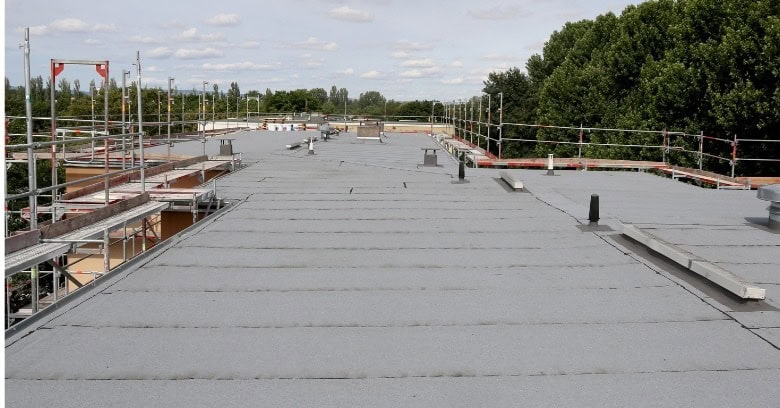
Most houses with a “flat roof” aren’t flat everywhere. The main roof is usually shingle or tile, and the low-slope part covers a back porch, a sunroom, an addition, a carport or a garage. Some mid-century and modern homes around Denver do have a mostly flat roof, and plenty of small commercial buildings do too.
Shingles need a real slope to work. Below roughly two inches of rise per foot, wind-driven rain gets pushed up under the shingles and into the deck. That’s where a membrane takes over: one continuous sheet with sealed seams, so standing water has nowhere to get in.
A flat roof isn’t truly level either. It should tilt slightly toward a drain, scupper or gutter so water moves off. When it doesn’t, that’s usually the first thing we look at.
What Colorado weather does to a flat roof
Hail
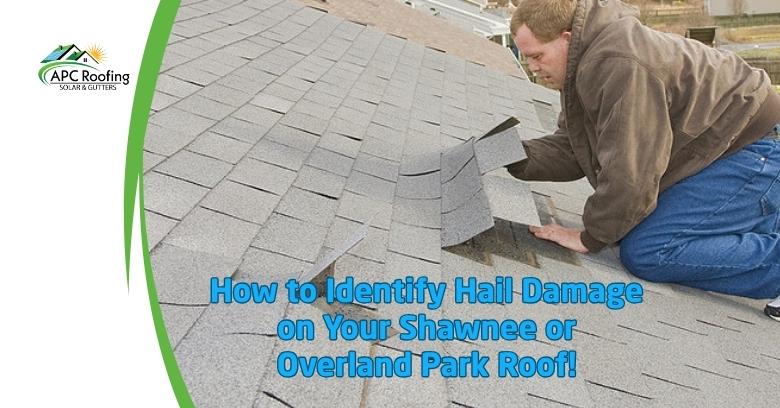
Hail is the big one on the Front Range. A steep roof sheds hailstones. A flat roof takes the full hit, and larger stones can bruise or puncture a membrane, crack older built-up roofing and dent metal edge flashing. The damage is often hard to spot unless someone walks the roof.
Snow, ice and freeze-thaw
Snow sits longer on a low slope. As it melts during the day and refreezes at night, water can work into seams and small cracks, then expand when it freezes. Ponding water is especially hard on a flat roof in winter, because it turns into a sheet of ice right where the membrane is weakest.
Sun at altitude
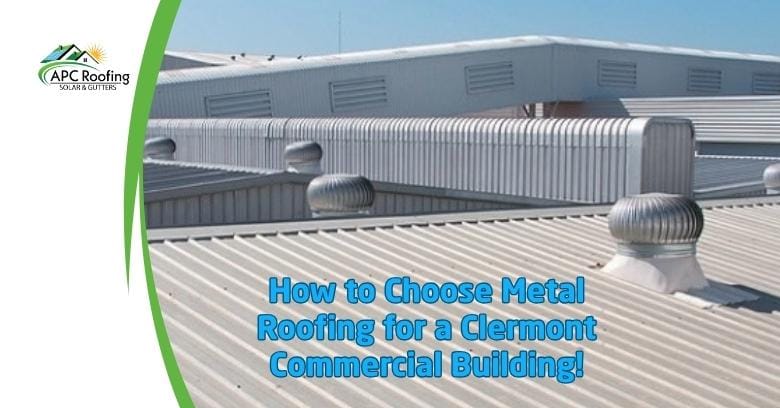
Denver’s strong UV breaks down roofing faster than at sea level. Dark roofing absorbs a lot of heat. White membranes like TPO reflect much of it, which can help keep the room underneath cooler in summer.
Flat roofing materials we work with
The right one for your roof comes down to your deck, your drains and what sits up there. You’ll get a recommendation with the reasons behind it, and you make the call.
- TPO is a white single-ply membrane with heat-welded seams. It reflects sunlight and is a common choice for homes and small commercial roofs. See our TPO roofing in Denver page.
- EPDM is a black synthetic rubber membrane that stays flexible in cold weather. Learn more on our EPDM roofing in Denver page.
- Modified bitumen is asphalt blended with rubber or plastic, laid in rolls. It’s tough and handles foot traffic well.
- Built-up roofing (BUR) is layers of felt and asphalt, often topped with gravel. You’ll find it on many older low-slope roofs.
Flat roof repair or replacement?
Plenty of leaking flat roofs only need a repair. A split seam, a punctured spot from hail or a dropped tool, or failed flashing around a vent or along a wall can usually be fixed without touching the rest of the roof.
Replacement makes more sense when the membrane is cracked and brittle across the whole surface, when there’s wet insulation underneath, or when the roof has been patched so many times that new leaks keep showing up. Any trapped moisture has to be found first, because a wet layer under a new membrane just rots your roof from the inside.
If the existing roof is sound and dry, a new membrane can sometimes go over it. If it’s wet or already has layers on it, the old roof comes off first. Our flat roof repair team in Denver handles the smaller fixes, and our flat roof installation crews handle full replacements.
Signs your flat roof needs a look
You don’t have to climb up there to catch most problems early. Watch for:
- Water still standing on the roof two days after rain or snowmelt
- Stains or soft spots on the ceiling under the low-slope section
- Bubbles, blisters or wrinkles in the membrane
- Seams lifting at the edges
- Cracked or loose metal flashing where the roof meets a wall
- Granules or gravel washed into one corner or into the gutter
How it works with APC Roofing
- Book your free inspection. Call 720-902-6940 or request a free online estimate.
- Get a clear, honest assessment and estimate. You’ll see photos of the seams, flashing and drains, and you’ll know whether it’s a repair or a replacement and why.
- Get your roof done and the site cleaned up. The crew finishes the work and hauls away the old material.
If a replacement needs to be spread out, we work with financing partners including Aqua Finance, Fortifi, Hearth and Home Run Finance.
Questions about flat roofing in Denver
Can a flat roof hold up to Denver hail?
A well-installed membrane handles most hail, but large stones can bruise or puncture it. If you’ve had a big hailstorm, have your flat roof checked, since you usually can’t see the damage from the ground.
What’s the best flat roofing material for a Denver home?
For most Denver homes, TPO or EPDM. TPO reflects heat, which helps the room under it in summer. EPDM stays flexible in the cold. Your deck, your drains and how you use the roof decide which one fits.
Why is water pooling on my flat roof?
Usually the roof isn’t draining the way it should. A sagging deck, a clogged drain or a low spot can all hold water. Ponding speeds up wear, so it’s worth fixing the cause, not just the leak.
Do you work on low-slope commercial roofs?
Yes. If you own a small commercial building with a flat roof, it’s the same kind of work, and the inspection is free there too.
A flat roof you don’t have to think about
A small leak over the porch is easy to put off. Over a few winters, though, water that gets in soaks the insulation and the deck, and a simple seam repair becomes a full replacement. Catching it early usually keeps the job small.
The next big storm rolls through, and the ceiling under your addition stays dry. That’s the goal: a sound roof, no surprise bill and the confidence you made the right call. Call 720-902-6940 to book your free inspection, or start with a free online estimate.