A tenant emails a photo of a ceiling tile with a brown stain. Or a hailstorm came through overnight and you have no idea what it did to the roof, because nobody’s been up there in years. When you own or manage a building, a roof problem is never just a roof problem. It’s tenants, inventory, insurance and a budget you didn’t plan for. You need commercial roofing in Denver from someone who’ll give you facts you can act on.
That’s a lot to carry, especially when every bid you get seems to tell a different story. You deserve a plain account of what’s on your roof, what it needs now and what can wait.
APC Roofing is a GAF Certified contractor, licensed and insured, working on shops, offices, small warehouses and other light commercial buildings. Your inspection and estimate are free. Call 720-902-6940 to set up a visit.
What Denver weather does to a commercial roof
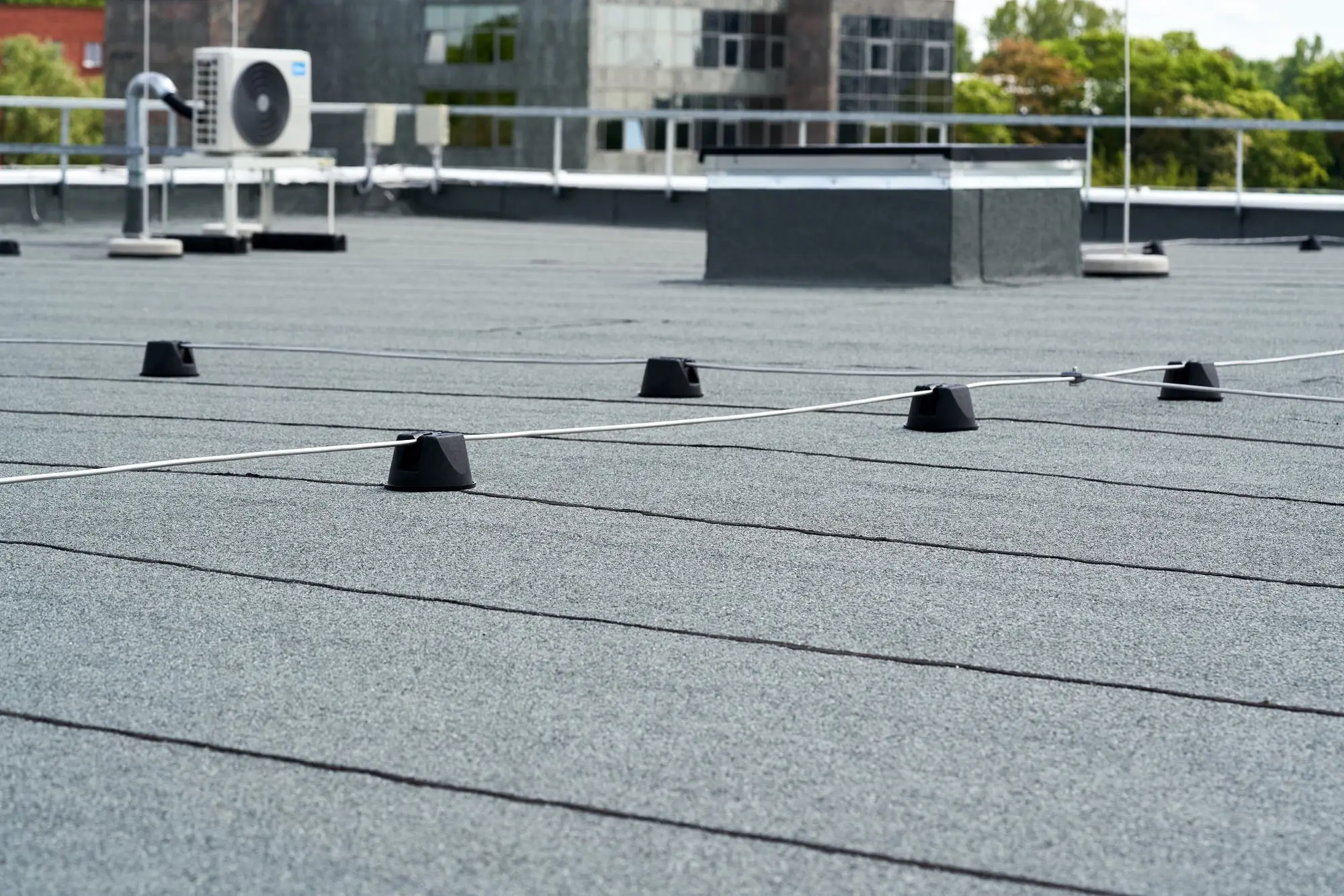
Most commercial buildings around Denver have low-slope roofs, and low-slope roofs take Colorado weather head-on.
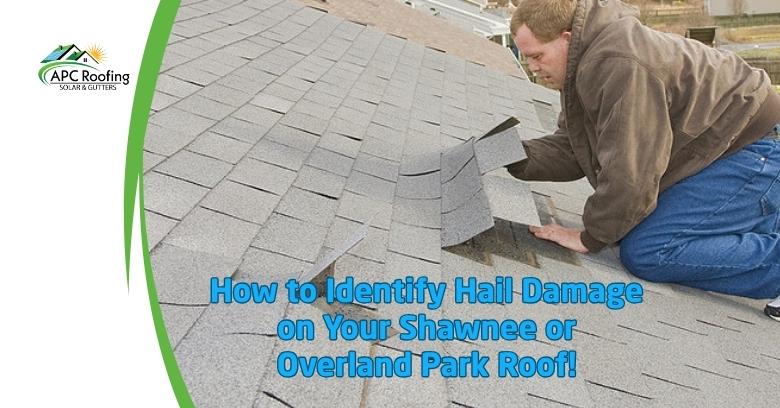
Hail is the big one. The Front Range sees some of the most frequent hail in the country, and on a flat roof the stones land straight down. A membrane that’s aged and lost its flexibility can crack or puncture. Hail can also crush the insulation board under the membrane without leaving an obvious hole on top, which is why a proper inspection looks below the surface, not just at it.
Snow sits on a flat roof instead of sliding off. It adds weight, drifts against parapet walls and rooftop units, and when it melts and refreezes, it can block drains and back water up into seams.
The sun at altitude is strong, and the temperature can swing a long way between morning and afternoon. Every day the membrane, the metal edges and the flashing expand and shrink a little. Over years, that movement opens seams and loosens fasteners.
Commercial roofing systems for Denver buildings
- TPO. A white, heat-welded single-ply membrane. It reflects sunlight, which helps with cooling costs on a large roof, and its welded seams are strong. See TPO roofing in Denver.
- EPDM. A synthetic rubber membrane that stays flexible in cold weather and is straightforward to repair. See EPDM roofing in Denver.
- Built-up roofing (BUR) and modified membranes. Layered systems that are common on older commercial buildings. Many can be repaired; some are better replaced.
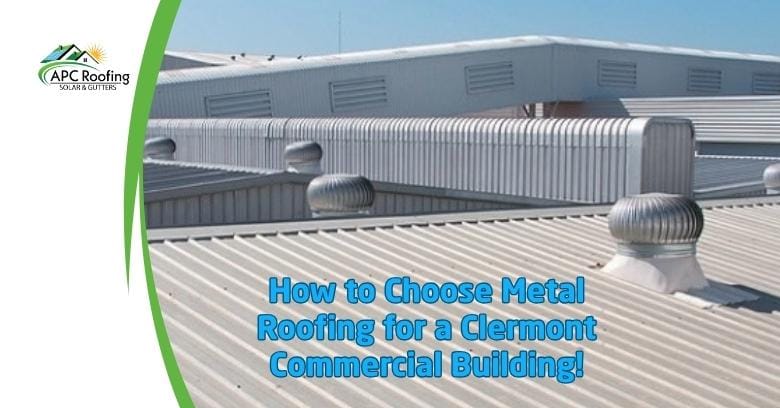
- Metal roofs. Panel roofs on low buildings, shops and warehouses, where fasteners, seams and the ends of panels need watching.
The right system for your building depends on the deck, the drainage, the rooftop equipment and how the building is used. You’ll hear the reasons behind any recommendation, and you make the call.
Where commercial roofs usually leak
The open field of a membrane is rarely where a commercial roof fails. Problems tend to start at the edges and openings.
Drains and scuppers. A strainer clogged with leaves and grit turns a corner of the roof into a pond. Standing water ages a membrane faster and puts extra weight on the deck.
Rooftop HVAC units. Curbs, condensate lines and the paths service techs walk wear the membrane over time. A dropped screw or a dragged toolbox can puncture it.
Pipes, vents and conduit. Round pipes get fitted boots; odd shapes get sealed pockets that shrink and crack as they age.
Parapet walls and edge metal. Open joints in the coping let water into the wall. Loose edge metal lets wind get under the membrane, and a small lift can turn into a large peel in a strong storm.
Finding the actual entry point takes patience. Water often runs along the deck before it drips, so the stain inside can be well away from the problem on top.
Repair or re-roof your commercial roof?
A membrane that’s mostly sound with a few failed spots usually needs targeted repair, and that’s often the best value. When seams are failing across the field, the membrane has gone brittle, or large areas of insulation are wet, replacement starts to make more sense.
Wet insulation is the deciding factor more often than age. It stops insulating, adds weight and keeps the deck damp. A moisture survey or core samples show how far the water has spread. In some cases, removing just the wet sections and keeping the dry ones is a fair middle ground.
Codes generally allow one new roof over an existing one, and only over dry material. If there are already two roofs on the building, or the insulation is saturated, a full tear-off is the honest answer. For repair work, see commercial roof repair in Denver. For new systems, see commercial roofing installation.
Planning work around your tenants
A roof project on an occupied building needs a plan. That means agreeing on where materials are staged, which entrances stay open, when noisy tear-off happens and how rooftop equipment gets disconnected and reconnected. Each day’s work area is sealed watertight before the crew leaves, so a surprise afternoon storm doesn’t end up inside.
How it works
- Book your free inspection. Call 720-902-6940 or request a free estimate online.
- Get a clear, honest assessment and estimate. We walk the roof, check drains, seams, edges, parapets and equipment curbs, and test for moisture where there’s a leak. You get photos, a written report and an estimate you can compare line by line.
- The work gets done and the site gets cleaned up. The schedule is set with you, and the crew leaves the roof and the grounds clean.
If a storm damaged the roof and you file a claim, you file it with your insurer and pay your deductible. We document the damage, provide the estimate and work with the adjuster.
Commercial roofing questions from Denver property owners
How often should a commercial roof be inspected?
Once a year is a good baseline, plus a check after any major hailstorm. Drains, seams and rooftop units are where small problems start.
Can you work on the roof while my business stays open?
Usually. Most commercial roof work can be phased and staged so entrances and operations keep running, and you’ll know the plan before work starts.
What’s the best commercial roofing material for Denver?
For most low-slope buildings here, TPO or EPDM. TPO reflects more sun and has welded seams; EPDM handles cold well and is easy to patch. Your deck, drainage and rooftop equipment decide which fits better.
Do you work on metal commercial roofs?
Yes. Metal roofs on shops and low buildings need loose fasteners, worn seams and rusted panel ends dealt with before they leak.
Talk to a commercial roofing contractor in Denver
Call 720-902-6940 or book your free inspection online.
What you want is a roof you don’t have to think about: dry tenants, no buckets in the hallway and a clear plan for what comes next. Trust matters, and it starts with a straight answer.