Looking for Roof Maintenance in Deltona Florida?
APC Roofing covers everything from a routine checkup to a complete replacement, whether the covering is shingle, metal or tile.
Call 386-356-2111, and a roofer sets a time to come look at the house.
The Roof's Working Parts: What Holds a House Together
The visible covering on top is only the outer layer, and felt or a synthetic membrane, boards and rafters lie out of sight. Strips of flashing cover the gap at a chimney, a pipe or a valley, and a leak at that spot rarely points to failed shingles nearby.
The space under the sheathing works as a component of the roof, too, because trapped heat and damp age the deck and shingles above. A leak noticed inside can begin at any level of the roof, so attention paid only to the outside can miss where the water entered.
The Jobs a Roof Performs: Quiet but Constant
A sloped covering sheds every storm's water downhill, and seal strips keep gusts from getting under the courses. The framing bears the load above, snow included at the colder end of our territory, and openings low and high let moisture escape the attic.
Water is a job for the covering, and wind is a task for the fastening, while what is underneath answers for holding the roof up, unnoticed. A failure in one part puts pressure on neighboring parts, and a lasting fix reaches back to where the fault began.
Small Components on a Roof: Not All Equal
The main covering is built for a long run, but a rubber collar at a vent pipe gives out far sooner. A path opens for water to travel down into the house, and paint bubbles on the ceiling below.
A line of caulk at a chimney shrinks with every hot season, and coated metal rusts once the coating wears through. Ridge caps split across the crease, because wind and weather strike the peak harder than the slopes below.
Different Stages, Different Details: Standing Back and Then Closer
From across the street, the profile of the roof exposes dips, sags and wavy planes, and the gutters and trim can be checked in the same glance. Through binoculars, torn collars, lifted tabs and bare patches come into focus, but soft decking can only be felt from up close.
Once on the roof, a roofer checks every connector closely and follows the flashing at each wall, and every course is checked for edges that have come loose. A rain-slicked or very steep covering stays off limits underfoot, and the view comes instead from a ladder at the gutter line.
Behind the Ceiling: Clues From Below
A dark ring on the sheathing shows water has come through, and a clammy touch means the problem is ongoing. A glow through the planking in daytime marks a hole, and a tape measure fixes the distance from the peak and gable wall.
Rust on the nail shanks comes from moisture in the house, not rain, and a compressed, faded patch nearby points to the same cause. A soffit choked with insulation, or a bath fan venting into the attic space, is spotted only from inside, so a look from the yard alone misses ventilation faults of that kind.
After the Roofer Leaves: the Basics
Each finding is recorded with a photograph tied to a place on the roof, and a written line explains what each image shows. Solid sections are treated in the same plain language as sections that are not, and faults are ranked by how soon repair is needed.
A record saved from an earlier check sets a baseline for the next inspection, and change over time is easier to judge than condition on a single day. A roof followed on a consistent schedule rarely springs a surprise, and a large job gets seen coming well ahead of time.
Upkeep on a Shingle Roof: a Short Rundown
Vent collars get replaced before splitting, and aging caulk at skylights gets cut out and redone. Pine straw and twigs get picked out of the valleys, and sagging gutter hangers get tightened.
A loose piece fastened back promptly stays a minor task, but delay through a wet season can let water reach the ceiling below. Moss on a shaded slope traps moisture under the courses, and a gentle wash clears the growth, since a pressure washer strips granules.
Staying Ahead of Trouble: The Payoff
Somebody trained in the trade should go over the roof once a year, set for just after the roughest local weather each season. Catching things early is the whole point of a regular check, and the household gets a fair sense of the remaining service life.
Following a storm, a walk around the house with eyes on the roof is a good habit, and any new mark on an upstairs ceiling is worth noting. Checking the attic with a lamp each season makes sense: soft wood, tiny bright spots and soggy insulation surface long before anything reaches the space below.
A Roof's Age, Read From the Yard: Clues at Each Stage
Brand-new shingles look dark and consistent across every slope, and approaching midlife the sunniest side fades before the rest. Near the end, corners curl and granules gather in the gutters, and each fix soon fails again.
What the lawn view suggests is a solid baseline, but a ladder and a closer look tell the fuller story. A roof near the finish line is better replaced than patched again, and a trustworthy contractor gives a plain answer, rather than selling more mending.
The Channel at the Bottom: the Basics
The covering's job on water stops at the drip edge, and the gutter takes over from that point. A clogged or sagging channel pushes water back behind the fascia, and the framing at that spot decays.
Trouble along that edge usually comes from standing water, not the covering, and a fresh covering does nothing for a fault at the edge. The direction of fall along each gutter gets checked, together with the outlets, and the drip-edge metal and the overlap at each joint get looked over as well.
A Two-Way Exchange: What Homeowners Should Know
Outside air should enter under the eaves and leave near the peak, and that path carries heat and moisture out of the attic. Once that gets shut off, the attic bakes in summer and stays soggy in humid weather, and the tabs curl and the plywood softens ahead of schedule.
A roof opening installed with no matching intake draws air from the living space below, and stacking two setups the wrong way can leave one choking the other. A new covering placed over a poorly vented attic inherits the same fault, so the underlying cause gets addressed in the plan for the new roof.
One Company, Many Conditions: How Choices Differ
Where winters bite hardest at the colder end of our territory, ice at the edge shapes the details, and a sticky underlayment protects the lowest courses. At the coast, uplift decides the fastening pattern, and reinforced edge metal and sealed seams get specified.
Where hail falls hard at the colder end of our territory, an impact-rated covering is worth considering, while sun and heat age coverings everywhere we work. Every material choice answers to the weather at that house, not routine or whatever was used on the last job.
Homes and Shops: Split by Structure Type
Angle and overlap work together to move water off a pitched covering, laid in asphalt, tile or metal. An office or warehouse roof depends on a flat, sealed surface, and drains, scuppers and rooftop units sit built into that surface.
Many houses have a gently rising porch or addition, and shingles there tend to leak because water lingers before running off. A spot built that way needs a sealed membrane tucked under the pitched roof above, and re-shingling that spot only repeats the trouble.
Covering an Open Roof: What Works and What Fails
A barrier over a torn area keeps water out in the meantime, but the trouble below stays untouched. A good cover goes up and over the peak and gets fastened with wood strips, and enough tension keeps gusts from finding any slack.
A tarp needs to extend well beyond the break, since water slips in under any edge that ends too soon. Material left on for a long stretch keeps the roof from drying out, and the shingles beneath start to deteriorate.
Where the Roof Changes Direction: No Room for Guesswork
Where shingles climb beside a wall, L-shaped pieces alternate with the courses, and counterflashing tucked into the masonry covers that metal from above. On a brick chimney, an apron handles the lower edge and metal runs up each edge, and a broad stack gets a diverter built into the roof behind.
A smear of mastic over a bad patch opens up within a few seasons, and only a correct rebuild ends things for good. Soft mortar lets water into the brick above the flashing, and a mason may need to handle the stonework while a roofer handles the metal.
A Contract Worth Reading: Comparing Bids
The rundown for a job should list every product by name, and a plain line covers tearing off versus covering over. A solid outline sets a rule for any soft sheathing found mid-job, and the metal, the ventilation and the yard cleanup are each called out.
Thorough scopes from rival bidders can be checked point by point, and any gap between the two versions stands out. A business that keeps every particular verbal gives an owner nothing to hold onto, and a spoken assurance proves nothing after the fact.
What a Re-Roof Involves: What a Homeowner Sees
Beds, bushes and walkways get protected before demolition begins, and the old shingles get pulled off in pieces. Opened up, the decking gets checked for soft spots and breaks, and anything that flexes underfoot gets sawn out and patched.
Underlayment, new metal and ice-and-water membrane go on across the open deck, and the main covering, the ridge line and the vents finish the work. The property gets swept with a magnet once the crew wraps up, and the gutters get a final check for leftover material.
Non-Shingle Roofing Care: What Differs by Material
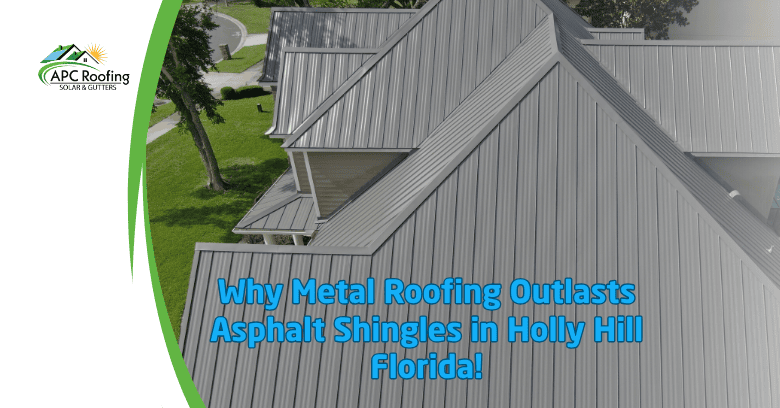
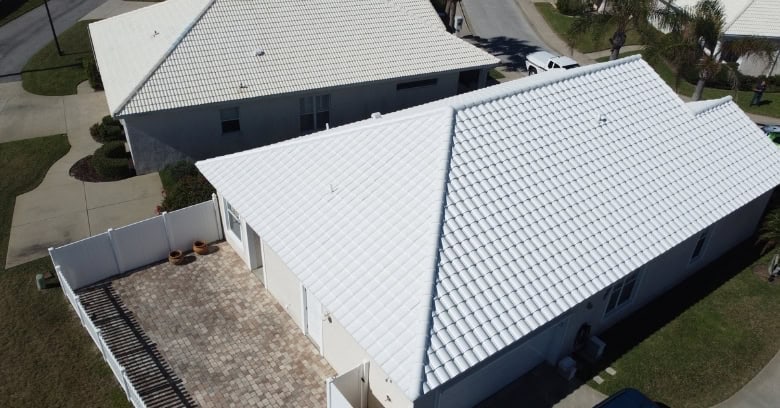
Metal sheets held by visible fasteners stay dry because of the gasket under each fastener, and a worn spot gets cured with a new screw rather than caulk. Clay and concrete tile go down by more than one method, from mortar to foam to clips, and the layer underneath carries the job of shedding water.
A careless step snaps a piece easily, and a spare of the same profile goes in where one fails. Where part of a roof runs nearly flat, ponding and split seams are the warning signs, and debris gets cleared from drains and scuppers.
Warning Signs Around a House: Easy to Act On
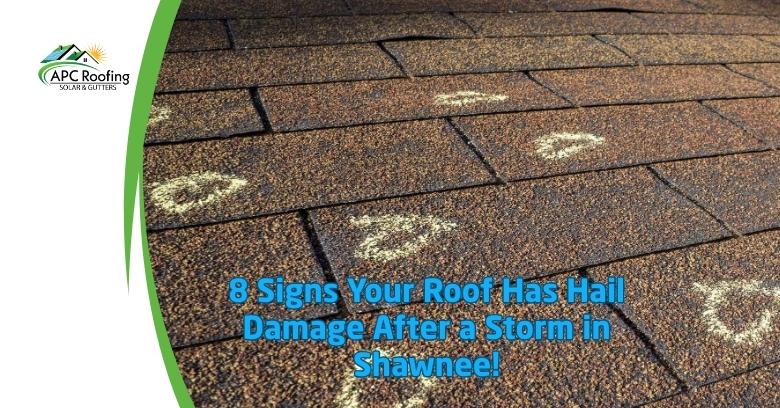
- Granules collecting in the gutters, in amounts that keep returning each season.
- Curled or lifting edges on the courses, in patches that widen every year.
- Torn rubber where a pipe exits the deck, above a bathroom or a kitchen exhaust.
- Discoloration on a bedroom ceiling, close to an outside wall or a chimney.
- A glimpse of sky from under the deck, wherever nothing should show through.
- A carpet of moss along the eaves, pushing up the lower edges of the shingles.
- A sag along the ridge line, seen best from across the street.
- Dried beads separating at a skylight, left behind by an earlier patch.
Roof Maintenance in Deltona Florida: What APC Roofing Does
Before any recommendation gets made, a roofer walks the whole covering and checks the attic, and the findings arrive as photographs with a written note. What is holding up gets stated as clearly as what is not, and the next step is left to the homeowner.
Roof Maintenance in Deltona Florida: Straight Answers About the Roof
Call 386-356-2111 and book a visit to the property.
A Roof's Own History: Useful at Resale
Writing down the installation date and the materials used is a smart habit, and each inspection report deserves a spot in the same folder. Logging each repair by spot and by task builds a fuller picture, and given enough time the pattern becomes clear.
Once a home hits the market, the roof's age and condition come up in conversation, and a folder of dated pages settles things quickly. A second copy of the file, kept somewhere else, is worth having, in case the paper sheets go missing in a move.
Standards Worth Holding a Crew To: a Homeowner's Guide
Courses run straight and the cuts along the rakes come out clean, and no nail head shows on the finished surface. Metal against any wall or chimney rests flush and secure, and nothing gets troweled on to cover a shortcut.
Intake and exhaust vents stay open and unblocked, and every gutter ends up hanging correctly. A final sweep with a magnet tidies the yard and drive, and a light scatter of sawdust near any cut line rinses off a walkway in seconds.
Anyone researching Roof Maintenance in Deltona Florida can get a straight answer without more digging. Reaching out to APC Roofing at 386-356-2111 sets the process moving. Every stop covers the full roof, top to bottom, with nothing left to chance.
Verified

Verified
Verified
Verified