Searching for Roofing Companies in Deltona Florida?
APC Roofing takes care of a routine checkup right up to a complete replacement, on asphalt, steel and clay coverings alike.
Get in touch at 386-356-2111, and a roofer arranges a visit to the house.
The Roof's Inner Build-Up: What's Tucked Away
The surface a passerby notices is only the outer layer, and felt or a synthetic membrane, boards and rafters lie out of sight. Strips of flashing cover the gap at a chimney, a pipe or a valley, and water there rarely traces back to worn shingles close by.
The air under the rafters counts as part of the roof, the same as any material, since heat and humidity held there wear down the wood and covering overhead. A leak noticed inside can begin at any level of the roof, so a repair aimed only at the surface can miss the real cause.
Everyday Work of a Roof: Quiet but Constant
The slope on the building sends runoff toward the gutters, while the fastening pattern stands up to uplift. What lies below carries the weight of everything on top, snow included at the colder end of our territory, and intake and exhaust let the attic breathe.
Shedding water is the covering's task, and resisting wind is the fastening's job, while gravity's pull goes to what is underneath. Trouble in one element tends to show up far from the original problem, and a lasting fix reaches back to where the fault began.
The Smaller Details Up Top: Different Timelines
A field of sound shingles can go for decades, but the flexible seal around a stack splits well before the shingles do. Water works past that spot and follows the framing down, and a ring shows up on the drywall beneath.
Sealant along metal edges dries and shrinks in strong sun, and aluminum flashing pits at the bends in salt air. Hip and ridge caps open at the center crease, as nothing shelters the peak from gusts and glare.
Different Stages, Different Details: a Two-Step Read
From across the street, the profile of the roof exposes dips, sags and wavy planes, and the gutters and trim can be checked in the same glance. A zoom lens singles out torn collars, lifted tabs and bare patches, but a weak spot underfoot tells what optics cannot.
Out on the roof, a roofer presses on every connector and follows each run of flashing, and every course is checked for edges that have come loose. A rain-slicked or very steep covering stays off limits underfoot, and a ladder at the edge serves as the lookout instead.
The Underside of a Roof: Signs Worth Finding
A stained patch on the plywood shows water that got in before, and moisture felt by hand shows the water is still coming through. Light passing through the decking reveals a breach, and the spot gets pinned down by distance from the ridge, ready for the outside check.
Rusted nail tips point to condensation, not a leak, and a flattened, discolored patch nearby carries the same message. A blocked eave packed with fill, or a bathroom fan venting into the attic, shows up only on an inside look, so a yard-only look passes over faults like that.
The Follow-Up Paperwork: a Plain Account
A record of the visit takes the form of photographs keyed to spots on the roof, and a short note describes what each image covers. Solid sections are treated in the same plain language as sections that are not, and trouble spots are ranked from most to least urgent.
A record saved from an earlier check sets a baseline for the next inspection, and change over time is easier to judge than condition on a single day. A covering looked at on a regular schedule rarely catches the owner off guard, and a serious repair shows warning signs long before the work turns urgent.
Routine Care for a Shingle Roof: a Short Rundown
Stiffened collars at the plumbing vents get changed early, and brittle beads at the walls get cut out and run again. Anything the trees drop gets brushed out of the channels, and every outlet gets checked for an open path.
A loose piece fastened back promptly stays a minor task, but delay through the wet months lets water get in from below. Lichen keeps the surface damp and works in under the shingles, and the growth gets killed with a treatment and swept off by hand.
A Regular Routine: a Homeowner's Part
An experienced roofer should read the covering once every year, placed right after the toughest season for roofs in that market. The goal is seeing deterioration ahead of any drip, and the family hears plainly where the roof stands.
After rough weather, anyone can scan the roof from the yard, and upstairs ceilings deserve a look for new marks. Checking the attic with a lamp each season makes sense: rust on nail tips, daylight and wet fill appear long before anything reaches the living space.
Reading a Roof's Age: Early Signs to Late Signs
A shingle surface in the first seasons looks crisp and even, and by mid-life the sun-facing side fades ahead of the shaded side. Close to the finish, corners lift and bald patches spread, and repairs stop holding.
An appraisal from the yard supplies a decent guide, but the true condition shows only from up top. A roof near the finish line is better replaced than patched again, and a reliable contractor says so outright, instead of offering another fix.
A Channel That Has Given Up: What Homeowners Should Know
A sloped roof delivers water only to the eave, and the gutter picks up the flow at the edge. A run choked with leaves sends overflow behind the trim board, and the framing at that spot decays.
A weak patch there usually traces to a stopped-up drain, not the shingles, and a new covering will not fix what backed-up water caused. Gutter fall and downspout placement get checked together, and the drip edge gets looked over where the metal meets the fascia line.
How the Roof Breathes: Why the Details Matter
Outside air should enter under the eaves and leave near the peak, and that movement removes heat and moisture from under the deck. When that gets blocked, the attic overheats in summer and stays muggy through humid months, and the covering wears out early.
Exhaust hardware installed with no matching intake draws conditioned air up from the rooms below, and stacking two setups the wrong way can leave one choking the other. A roof placed over bad ventilation inherits an existing weakness, so the fix belongs in the same job as the new covering.
Specifications That Follow the Weather: An Overview
Where winters bite hardest at the colder end of our territory, ice at the edge shapes the details, so peel-and-stick material gets laid along the overhang. At the coast, uplift decides the fastening pattern, and storm-rated trim metal and taped seams get called for.
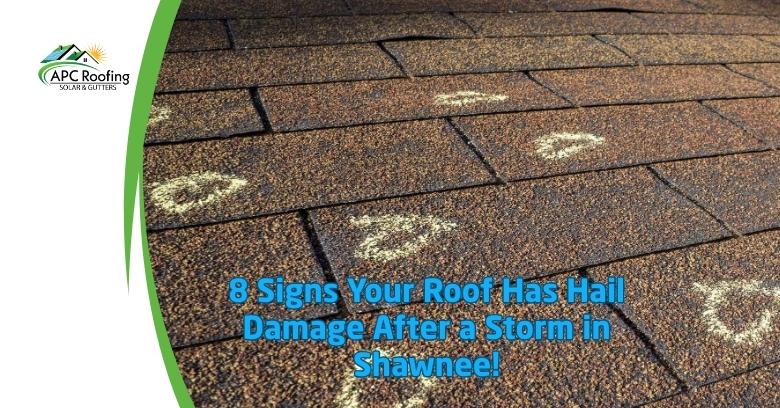
In the hail-prone part of our range, at the colder end, a tougher product deserves a look, while ultraviolet light ages granules in every market we serve. Every build answers to conditions at that particular site, not routine, and not whatever a past project called for.
Residential and Commercial Roofs: One Steep, One Flat
A sharply angled pitch sheds water course over course, and the surface is usually shingle, tile or metal. An office or warehouse roof depends on a flat, sealed surface, and mechanical equipment and drains break through that surface.
A fair number of homes have a shallow strip over a porch, and shingles over an area such as that leak because standing water finds a way under the laps. A spot shaped that way calls for a sheet membrane, tucked under the steeper roof above, and re-shingling that spot only repeats the trouble.
Tarps and Emergency Covers: Done the Right Way
A secured sheet keeps rain out while repairs get scheduled, but a quick layer does not mend anything below. A properly installed cover wraps the ridge and gets pinned under wood strips, and the material gets pulled taut so wind cannot get behind the edge.
A sheet cut too small leaves the edges of the opening exposed, since water slips in under any edge that ends too soon. Plastic left in place for months traps heat and moisture against the deck, and mildew and rot follow underneath.
Where the Roof Changes Direction: an Explanation
Step flashing gets woven in with each course along a wall, and a cap of counterflashing laps down from above. A brick chimney gets an apron downhill and metal set in up each edge, and any stack wider than a small one calls for a cricket set into the slope uphill.
Roof cement spread across an opening hardens and pulls away, so the lasting answer is new metal laced in properly. Eroded mortar joints let water into the brick above the flashing line, and a mason takes the stonework while a roofer takes the metal.
Putting Requirements on Paper: Comparing Bids
A clear plan identifies every material, from the shingle to the metal, by name, and a plain line covers tearing off versus covering over. The account explains how rotten decking gets handled if any turns up, and the flashing, the exhaust work and the final cleanup all get covered.
Competing proposals listed in detail can be read side by side, and the real differences between the two documents come into view. A roofer who will not put the plan down leaves the owner guessing, since a handshake settles nothing once a dispute starts.
Replacing a Roof, Step by Step: What Happens
Landscaping and paving get shielded before any tearing begins, and the old shingles get pulled off in pieces. Opened up, the decking gets checked for soft spots and breaks, and weak spots come out, and solid planking follows.
Membrane at the eaves, underlayment across the field and new flashing all go down, and the surface material, the ridge caps and the vents close out the job. The yard and drive get a magnetic sweep before the crew leaves, and no debris gets left in the gutters.
Beyond the Shingle Roof: Particular Needs
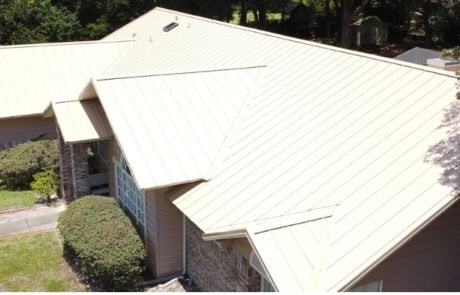
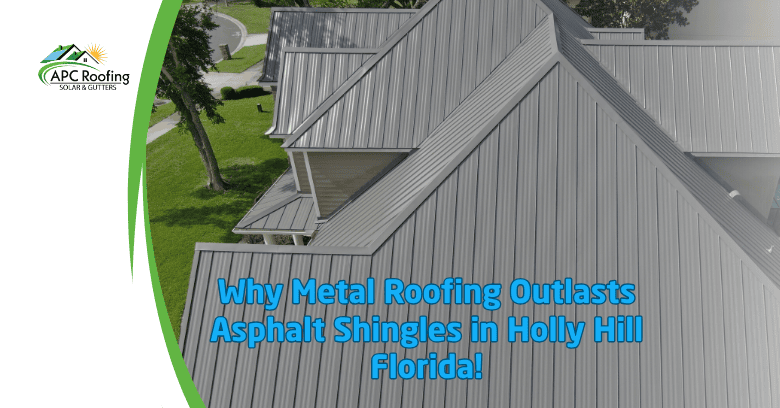
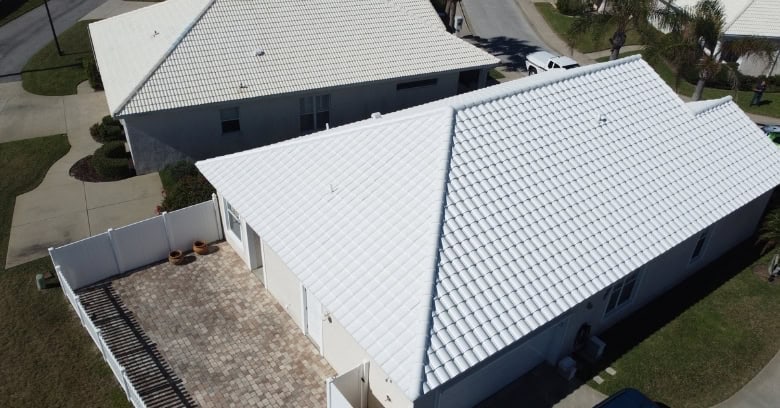
Metal sheets held by visible fasteners stay dry because of the gasket under each fastener, and a worn spot gets cured with a new screw rather than caulk. Across our markets, tile sets by mortar, by foam or by clips, based on the property, and the real water barrier is the underlayment, not the surface material.
Weight placed wrong breaks a piece, and a damaged unit gets swapped for another of matching shape. On a low-slope section, standing water and open seams are the things to watch, and leaves get removed from the outlets regularly.
Clues That Point to Trouble: From the Yard or the Attic
- Granules collecting in the gutters, in amounts that keep returning each season.
- Tab ends that curl instead of lying flat, spread across more than one row.
- A pipe boot with an open gap, easy to miss without a zoom lens.
- A ceiling mark that spreads with each downpour, close to an outside wall or a chimney.
- Pinholes of light in the sheathing, wherever nothing should show through.
- Moss packed into the laps, holding moisture against the surface.
- A dip between rafters, seen best from across the street.
- Dried beads separating at a skylight, often after a hot summer.
Roofing Companies in Deltona Florida: How APC Roofing Works
Before any advice gets given, a roofer goes over the whole covering and the attic, and the results come back as images plus a short written summary. What is holding up gets stated as clearly as what is not, and the homeowner sets the order of any work.
Roofing Companies Near Deltona Florida: Plain Talk, Careful Work
Call 386-356-2111 and set a time for a visit.
Documentation for the Roof: Useful at Resale
Tracking when the covering went on and what was used is worth the effort, and each visit's report belongs with the earlier entries. Tallying each repair, the location and the method, keeps things complete, and after several years the weak spots become obvious.
When a house goes up for sale, a buyer's inspector asks about the roof, and paperwork with dates carries more weight than recollection. A second copy of the file, kept somewhere else, is worth having, so nothing depends on one paper version alone.
A Neat Result, Up Close: Small Things, Handled Properly
The lines run true from eave to ridge, with rake cuts trimmed sharp, and no nail head shows on the finished surface. At each wall and chimney, fresh metal gets set in as the flashing climbs higher, and no gob of roofing cement stands in for a missing piece.
Ventilation openings stay in place and free of debris, and the downspouts remain connected and unclogged. The yard gets swept with a magnet before the crew leaves, and a light scatter of sawdust near any cut line rinses off a walkway in seconds.
Anyone comparing options for Roofing Companies in Deltona Florida has one straightforward next step. A call to APC Roofing at 386-356-2111 gets a date on the calendar. Every visit covers the roof and the attic together, and nothing is left to guess at.
Verified

Verified
Verified
Verified