In Search of Roof Maintenance in Daytona Beach Florida?
APC Roofing takes on anything from a checkup to a full replacement, on shingle, metal and tile alike.
Call 386-259-8425, and a roofer heads out for a look at the house.
What Keeps a Roof Working: What Holds a House Together
The shingles or panels on top form the outer layer, and felt or a synthetic membrane, boards and rafters lie out of sight. Flashing bridges the crossing wherever a wall, a pipe or a valley breaks the field, and trouble nearby seldom means a failure in the surrounding shingles.
The attic air beneath the deck counts as part of the roof assembly, because moisture trapped up there softens plywood and rusts nails overhead. Water showing indoors may come from any level of the structure, so patching only what the yard shows can fail to reach the real cause.
The Duties of a Roof: an Owner’s Overview
A pitched covering sends rain down toward the gutters, while nails and seal strips resist the pull of gusts. The rafters and the deck carry the weight overhead, snow included at the colder end of our territory, while airflow through the attic moves damp air out.
Shedding water is the covering’s task, and resisting wind is the fastening’s job, while gravity’s pull goes to what is underneath. A weak component shows up as a sign of trouble somewhere else on the roof, so repairs target the root, not the visible mark.
Small Components on a Roof: Different Timelines
A field of sound shingles can go for decades, but the gasket around a vent pipe hardens within a fraction of that span. Rain finds a way down past the weak point, and a mark spreads across the ceiling beneath.
The bead where two materials meet cracks after enough hot seasons, and aluminum flashing pits at the bends in salt air. Shingles bent into caps split at the seam, because the highest point stands open to glare and gusts.
Different Stages, Different Details: What Turns Up at Each Point
From the driveway, the outline of the roof shows dips, sags and wavy planes, and the eave boards and downspouts can be sized up as well. Good binoculars show up torn collars, lifted tabs and bare patches, though some faults cannot be judged without climbing onto the roof.
Crouched at each pipe, a roofer feels for gaps and traces the flashing along every wall, and the field is read for brittleness, granule shedding and loose edges. A steep or wet roof is not walked, and the check is made instead from a ladder at the eave.
The Attic: a Homeowner’s Tour
A dark ring on the sheathing shows water has come through, and a soft, wet feel means the entry point is still open. A pinpoint of sky through the boards marks a gap, and the position gets noted by measurement before anyone climbs.
Rusted nail tips point to condensation, not a leak, and a flattened, discolored patch nearby carries the same message. Fill pushed into the eave opening, or a fan duct ending in the attic, turns up only from inside, so a yard-only look passes over faults like that.
After the Roofer Leaves: What Gets Handed Over
Findings arrive as photographs tied to specific places on the roof, and a line of text says what each image shows. Good sections get the same plain treatment as sections that do not, and faults are ordered from most to least pressing.
A report kept on file lets the next check be measured against a known starting point, and how the covering is aging shows up better than a single day’s reading. A roof tracked across each year brings few surprises, and a large job gets seen coming well ahead of time.
Upkeep on a Shingle Roof: What Gets Done
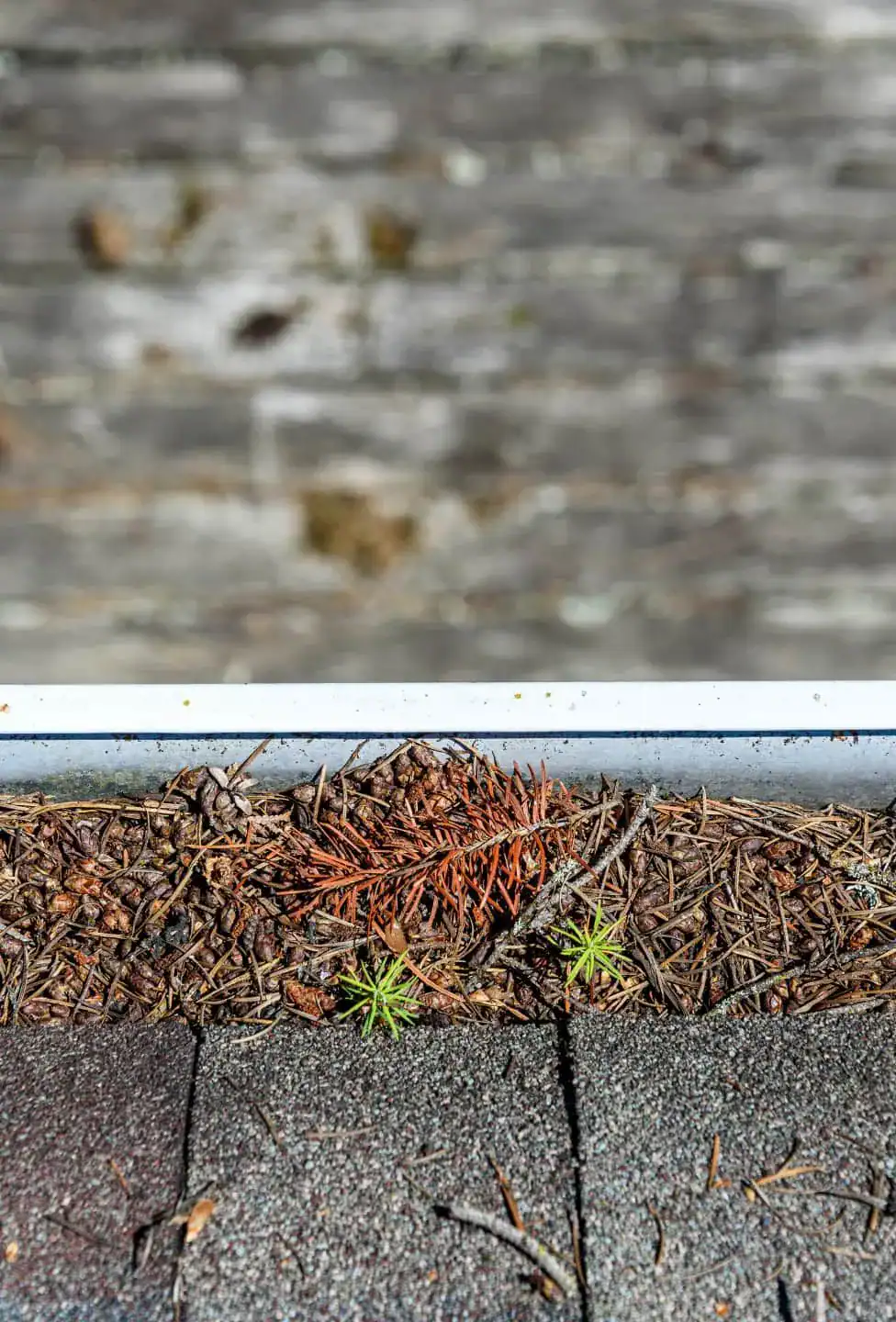
Worn boots around the stacks get exchanged for new ones, and the joints at each flue get resealed. Debris gets swept from the valleys and from the crickets, and downspouts get flushed so water moves through.
A loose piece fastened back promptly stays a minor task, but a season of neglect can end in a ceiling mark. Lichen keeps the surface damp and works in under the shingles, and a gentle wash clears the growth, since a pressure washer strips granules.
A Regular Routine: What to Expect
A roofer should walk the roof once a year, timed for the point when local weather turns roughest. The point is finding small faults before a leak forms, and repair work gets planned rather than rushed.
After rough weather, anyone can scan the roof from the yard, and ceilings on the top floor are worth a look for new rings. Checking the attic with a lamp each season makes sense: soft wood, tiny bright spots and soggy insulation surface long before anything reaches the space below.
Judging a Roof’s Age From Outside: Clues at Each Stage
Newer asphalt lies smooth and uniform in tone, and around the midpoint the sun-facing plane grows paler sooner than the rest. Close to the finish, corners lift and bald patches spread, and a repair rarely holds for long at that stage.
An appraisal from the yard supplies a decent guide, but a roofer nearby will always see more. A roof near the finish line is better replaced than patched again, and a reliable contractor says so outright, instead of offering another fix.
The Channel’s Part in the System: What Homeowners Should Know
The covering’s job on water stops at the drip edge, and the gutter picks up the flow at the edge. A hanger that has given way tips the run toward the wall, and the wood close by swells and softens.
A give in that spot points more often to a backup than a shingle problem, and new shingles will not cure a fault of that kind. The direction of fall along each gutter gets checked, together with the outlets, and the drip-edge metal and the overlap at each joint get looked over as well.
How the Roof Breathes: How the Design Works
Outside air should enter under the eaves and leave near the peak, and the flow sweeps trapped heat and vapor out of the space. With the opening closed, the attic turns hot in summer and clammy in humid months, and the tabs curl and the plywood softens ahead of schedule.
A roof opening installed with no matching intake draws air from the living space below, and two mismatched setups on one roof can work against each other. A roof placed over bad ventilation inherits an existing weakness, so a proper replacement addresses the same issue at the same time.
What Gets Chosen and Why: Different Choices for Different Homes
At the colder end of the markets we serve, snow load and ice at the edge drive the design, so an adhered barrier goes under the lowest rows. Closest to the ocean, gusts decide how the covering gets anchored, and reinforced edge metal and sealed seams get specified.
In towns at the colder end of our territory, where hailstones run large, a harder product makes sense, while ultraviolet light ages granules in every market we serve. The details get set by conditions at that specific location, not routine, and not whatever a past project called for.
Homes and Shops: Split by Structure Type
A pitched covering sends water downhill by lap, and the surface is usually shingle, tile or metal. A commercial building usually has a nearly flat, sealed membrane, and mechanical equipment and drains break through that surface.
Plenty of residences include a shallow section over an addition, and shingles there tend to leak because water lingers before running off. A spot built that way needs a sealed membrane tucked under the pitched roof above, and putting shingles back on that spot solves nothing.
Tarps and Emergency Covers: What Lasts a Few Weeks
A secured sheet keeps rain out while repairs get scheduled, but nothing gets solved underneath. A properly installed cover wraps the ridge and gets pinned under wood strips, and the cover gets tensioned before the flapping starts.
A tarp needs to extend well beyond the break, since water slips in under any edge that ends too soon. A cover left up through a whole season holds heat against the surface, and the covering underneath ages faster than expected.
Where the Roof Changes Direction: the Proper Method
Where shingles climb beside a wall, L-shaped pieces alternate with the courses, and an overlapping strip above keeps runoff off that metal. On a brick chimney, an apron handles the lower edge and metal runs up each edge, and a broad stack gets a saddle set into the slope nearby.
Sealant slathered on a weak spot lets go as the metal expands and contracts, so a fresh tie-in, installed correctly, is the dependable way to go. A failing chimney crown lets moisture into the stack above the roofline, and that kind of trouble calls for a mason alongside a roofer.
The Written Scope: a Careful Look Before the Ink Dries
A clear plan identifies every material, from the shingle to the metal, by name, and the document states whether the old covering comes off. A solid outline sets a rule for any soft sheathing found mid-job, and flashing, ventilation and cleanup each appear as a separate line.
Thorough scopes from rival bidders can be checked point by point, and the real differences between the two documents come into view. A firm unwilling to resolve the plan in advance is telling an owner something, and memory is a poor record of what got agreed.
Replacing a Roof, Step by Step: Start to Finish
Anything near the eaves that could get damaged gets protected ahead of time, and the existing layers get torn off into a dumpster. With the old material gone, the plywood gets examined board by board, and anything that flexes underfoot gets sawn out and patched.
Ice barrier, underlayment and new flashing go down across the deck, and the covering, the ridge caps and the vents go on to finish the job. The property gets swept with a magnet once the crew wraps up, and the gutters get a final check for leftover material.
Non-Shingle Roofing Care: Details by Material Type
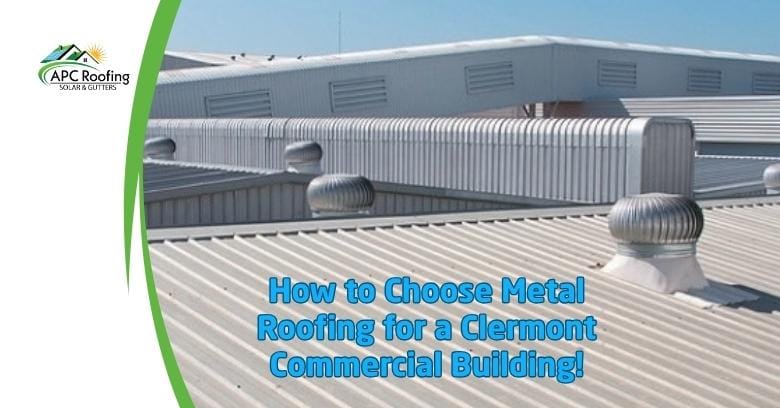
Exposed-fastener metal panels seal at a rubber gasket under every fastener, and a worn spot gets cured with a new screw rather than caulk. Across our markets, tile sets by mortar, by foam or by clips, based on the property, and the real water barrier is the underlayment, not the surface material.
A careless step snaps a piece easily, and a damaged unit gets lifted out and replaced with one of the same profile. Flat sections show trouble as standing water and raised seams, and the drain openings get kept free of debris.
Things an Owner Can Spot: Easy to Act On
- A buildup of shingle granules in the drainage, from a covering that is no longer new.
- Curled or lifting edges on the courses, noticeable from across the street.
- A vent seal that has pulled loose, with a stain trail on the covering below.
- Discoloration on a bedroom ceiling, still visible once dry.
- Light glowing between the planks, on a sunny afternoon.
- Moss on a shaded slope, in spots that stay damp longest.
- A sag along the ridge line, often pointing to trouble in the deck beneath.
- Dried beads separating at a skylight, often after a hot summer.
Roof Maintenance Near Daytona Beach Florida: What APC Roofing Does
Before anything gets proposed, a roofer looks over the whole covering and the attic, and the evidence comes back as photographs and the verdict in writing. Good sections get the same plain treatment as problem areas, and the decision belongs to the homeowner, not the crew.
Roof Maintenance in Daytona Beach Florida: a Full Look, Not a Guess
Reach us at 386-259-8425 and set a time for a visit.
A Roof’s Own History: a Few Minutes a Year
Tracking when the covering went on and what was used is worth the effort, and adding every inspection report to that folder grows the file. Logging each repair by spot and by task builds a fuller picture, and after several years the weak spots become obvious.
At sale time, questions about the roof’s age and history always come up, and a documented account settles the matter later. A copy kept at a second location protects the earlier notes, since paper can be damaged or destroyed over the years.
A Neat Result, Up Close: a Homeowner’s Guide
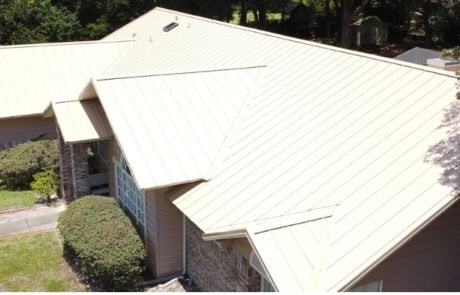
The field reads as straight bands, with crisp cuts where each slope ends, and nails stay covered by the layer above. At each wall and chimney, fresh metal gets set in as the flashing climbs higher, and any sealant used is a neat bead, never a smear.
Ventilation openings stay in place and free of debris, and the gutters return to position, clean and fastened. A final sweep with a magnet tidies the yard and drive, and wood shavings from a trimmed edge are the most common leftover from the work.
Anyone researching Roof Maintenance in Daytona Beach Florida does not have to keep guessing about next steps. A call to APC Roofing at 386-259-8425 puts a roofer on the calendar. Every stop covers the full roof, top to bottom, with no loose ends left over.
« All Services in Daytona Beach Florida