
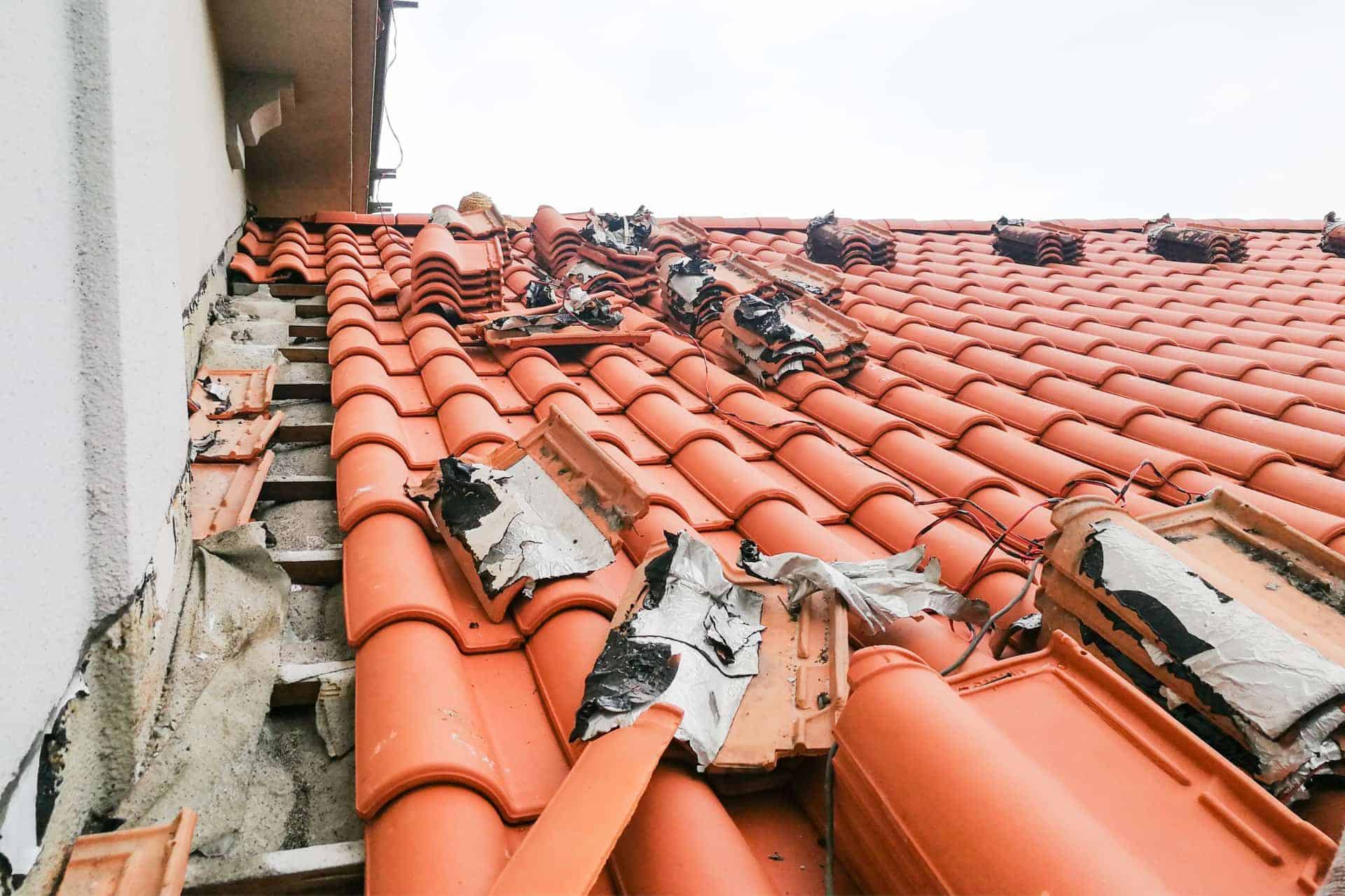
You spot a cracked tile after a hailstorm, a piece that’s slid out of line, or a water stain on the ceiling even though every tile looks fine from the yard. Tile roof repair in Blue Springs can be tricky to arrange, because not every roofer in the Kansas City area works on tile, and the wrong fix can break more pieces than it saves.
You’re probably worried about two things: that a small problem is really a big one, and that someone will tell you the whole roof has to go. Most of the time, neither is true. You should get an honest look before anyone talks about replacement.
APC Roofing repairs clay and concrete tile roofs. We’re GAF Certified, licensed and insured, in business since 2017, and your inspection is free. Call 913-398-5020 to have your tile roof checked.
What usually goes wrong on a tile roof
Cracked or broken tiles
Large hail, falling limbs and foot traffic are the usual causes. A cracked tile may still keep most rain off, but it lets water reach the underlayment, and in winter that water can freeze and widen the crack. Sometimes the damage comes from a satellite installer or a gutter cleaner walking across the tile.
Slipped or loose tiles
Tiles are held by nails, clips or adhesive. When a fastener corrodes or breaks, the tile can slide down and leave a gap above it. Strong winds and freeze-thaw movement both make this more likely.
Worn-out underlayment
This is the one homeowners don’t expect. The tile sheds most of the water, but the underlayment underneath is what actually keeps the house dry. It wears out long before good tile does. If your roof leaks and the tiles look fine, the underlayment is a likely suspect.
Flashing problems
Where tile meets a wall, a chimney, a skylight curb or a valley, metal flashing carries the water away. If an earlier repair used mortar or caulk in place of real flashing, it can crack after a few Missouri winters and start leaking.
Ridges, hips and valleys
Ridge and hip caps can loosen, especially older mortar-set caps that crack with freeze-thaw. Valleys can fill with leaves and dam water up under the tile.
How a tile roof repair works
Fixing tile is careful, slow work. The roofer has to reach the damaged spot without cracking the tiles around it, which means knowing where to step and how to lift and support the overlapping pieces. A broken tile is removed, a matching piece is slid into place and secured, and the tiles around it are set back down.
For a leak, the job starts with finding the real source. Water can run along the underlayment or a batten for several feet before it drips into the attic, so the wet spot on your ceiling is often not under the problem. Tiles in the suspect area get lifted so the underlayment and flashing can be checked directly.
Flashing repairs usually mean lifting the tile along the wall or chimney, replacing or reworking the metal and relaying the tile.
Finding matching tile
Matching is often the hardest part of a tile repair. Older styles get discontinued, and weathered tile has faded from its original color. Options include a current product that’s a close match, salvaged tile, or taking good tile from a hidden slope for the front and putting the new tile out of sight. You’ll see the choices before anything is replaced.
When repair turns into a bigger job
If the underlayment has failed across most of the roof, patching one leak at a time just chases the next one. The better fix is often a lift and relay: take the tile off, put down new underlayment and an ice barrier, and lay the same tile back. That’s covered on our tile roof installation in Blue Springs page. Whether you have clay or concrete matters too, so see clay tile roofing or concrete tile roofing in Blue Springs for material-specific advice.
Hail damage to tile and your insurance
After a hailstorm, cracked tile isn’t always visible from the ground. If you file a claim, you file it with your insurance company and pay your deductible. We document the damage with photos, give you a written estimate and work with your adjuster. Be wary of anyone who offers to waive or cover your deductible.
How it works
- Book your free inspection. Call 913-398-5020 or request a free online estimate.
- Get a clear, honest assessment and estimate. You’ll see photos of the damage and hear whether it’s a simple tile swap, a flashing fix or an underlayment problem. Financing is available through Aqua Finance, Fortifi, Hearth and Home Run Finance.
- Your roof gets repaired and the site gets cleaned up. You’ll know exactly what was fixed and why.
A cracked tile looks like a small thing. Through a Kansas City winter, though, water under that tile freezes and thaws over and over, and a quick swap can turn into decking repair if it waits too long.
Tile roof repair questions
Why is my tile roof leaking when no tiles are broken?
Usually the underlayment under the tile has worn out, or flashing at a wall, chimney or valley has failed. Both are hidden by the tile, so they need to be checked up close.
Can I replace a cracked tile myself?
It’s not a good idea. Tile breaks easily underfoot, and it’s easy to crack several more while fixing one. A fall from a tile roof is a real risk too.
Can you match my old tile?
Often, but not always exactly. We’ll show you the closest options, including salvaged tile or moving original pieces from a less visible slope.
Is a few cracked tiles a reason to replace the roof?
No. Individual tiles can be replaced. Replacement or a lift and relay only makes sense when the underlayment has failed widely or the tile itself is breaking down.
Get tile roof repair in Blue Springs
Call 913-398-5020 or start your estimate online. For more on tile in our area, visit our Blue Springs tile roofing page.
The goal is a tile roof that stays dry and looks whole again, with the original tile kept wherever it can be, and no surprise bill at the end.


















