In Need of Storm Damage in Altamonte Springs Florida?
APC Roofing goes over the shingles once the sky has cleared, noting where the elements took the heaviest toll.
Call 407-270-1129 and set a time for a roofer to stop by.
Wind Against a Roofline: a Pattern in the Corners
Pressure concentrates at the eaves, the rakes and the ridge, and a wide center area sees far lighter duty. A draft finding a way beneath a raised flap levers the course set over the flap, and one fastener beneath a course answers for the whole pull from there on.
A corner of a house sits where two paths of wind meet, and builders space the attachment points closer together at that spot. A row of shingles at that outside edge carries more push than a row set farther out, and a crew's added fastening there answers exactly that need.
The Detail Heat Completes – Easy to Miss
A strip of sealant under every shingle grips the course sitting beneath, and that formed hold is what stops rain from working up under a lap. A hard gust can break a bond across a stretch of roof, yet a parted shingle looks the same for now.
A broken seal goes unnoticed until the wind returns, and a fastener gets wet as soon as that joint fails. A single shingle off a bond hurts nothing taken alone, but a long band of parted shingles turns into a way in.
What a Bundle Label States: Read With Care
A laboratory fastens new shingles to a test panel and seals every tab by hand, and a known airspeed is pushed across the surface. A covering installed for years responds differently on a rough day than unweathered material would, so a rating drawn from the original goods does not describe an aged roof.
A fastener placed high of the nailing band grips a smaller area than a maker intended, and the wind needed to lift a shingle turns out lower than expected. A weathered mat behaves differently from the sample once tested at a factory, and a fresh-stock rating cannot speak for a weathered roof.
Hail Against a Shingle – a Mark With Depth
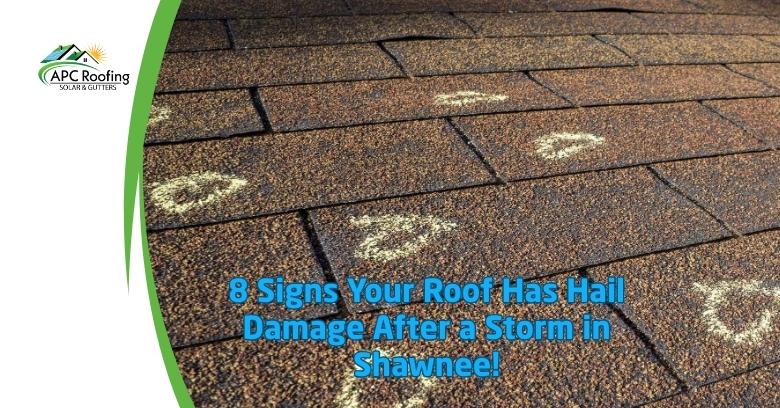
Stones grow largest in storms that cross the colder end of our territory, and the size eases as a storm tracks eastward. The force of a hailstone buries granules in the layer set below, leaving a tender patch that feels different from the sound surface nearby.
A backing under the grit is where waterproofing happens, and a fault at that depth is never merely cosmetic. A hail-marked shingle gives up service life sooner than a sound shingle nearby, so a covering with widespread hail damage develops trouble in scattered places.
What Else Takes a Beating – Damage With No Warning
What a thick shingle takes without complaint can bruise a light-gauge trim piece, and a mark like that does not heal the way flexible siding might. A split boot at a plumbing stack lets water run down the outside of a pipe, and a ceiling underneath is usually where that water first appears. Dents along a gutter's face seldom stop a gutter from doing a full job, but a flattened downspout holds a run's water behind a flattened point.
Every light-gauge piece up on a roof gets a separate look on the same trip, and pictures of trim sit beside pictures of the shingles in a report. A storm strong enough to scar the shingles usually leaves a matching toll on the metal, and the damage on that hardware is a reasonable clue to how the shingles have held up.
A Trickle of Sediment: Worth a Second Glance
Small stones pressed into a shingle's face shield the material beneath the surface, and a bare patch left exposed hardens and splits within a season. A hard rain washes displaced grains all the way to a gutter, and a heap of sand there says a great deal about the slope above.
An uncovered patch of shingle weathers far faster than a covered one, which is why small failures on a slope tend to add up. A drift of grit at a downspout fell from the roof plane overhead, so the next question is simply which face shed the most.
Driven Rain on a Slope – Up, Under and In
An overlap performs because whatever comes from overhead obeys gravity, and a lateral shove from a strong gust upsets that assumption completely. An open soffit can draw damp air upward into the attic space, and dampness pulled in that way lands on the insulation nearby.
What a Storm Drops From Above: More Than a Scrape
Momentum arriving fast concentrates weight in one tight spot, and the framing bears force the finish alone never reveals. A plank can fracture with little sign of damage on the visible surface, and a roofer finds the break by tapping the deck and by checking from the attic.
A branch dragged across a roof by wind scours curved tracks through the granules, so the pattern left behind traces how far that motion carried. A cracked plank is only reachable from the top of the roof, so the finished work covers more area than the scar first suggested.
The View From the Rafters: Where the Story Is Plainest
A pinprick of brightness through the roof boards points to a hole, and the precise location can be pinpointed against a truss or the end wall. A wet section of decking darkens and rust often follows at fastener tips, so tracing the mark toward the highest point reveals the source.
A hollow pressed into batting shows a place where drips keep falling, and a room beneath that area can lose heat as a result. A gable vent can let driven rain reach framing well away from any break in the covering, and knowing that is worth confirming before anyone opens the slope.
Evidence Inside the House: Signs Worth Tracing
Discoloration overhead turns up well beyond the leak, not right next to the start, because water can travel the length of a rafter before any hint develops. A seam that has opened shows the panel swelled and then dried out, and appearance on that surface says almost nothing about the size of a break.
A light fixture that drips calls for cutting power to that circuit at once, since the shock risk outweighs anything a bucket below can fix. A dark patch next to a chimney chase often shows moisture running down against the masonry, and step flashing along that run gets looked at as well.
Thin, Exposed and Essential: What a Gale Finds
The wall component depends on staying lapped correctly as well as anchored firmly, so the entire system is only as strong as the weaker of the two parts. Uplift at a gable can twist a strip of edge metal out of line, and the row along that run then has nothing holding the end down.
Ridge-cap fasteners bite directly into the deck beneath the caps, so the seam gets no protection at all in that area. A vent unfastened at one end can rattle loose in a following gale, so insulation across a wide stretch can end up wet, not just underneath.
A Glass Opening After a Storm – Points of Failure
The frame under a skylight stands above deck level on purpose, because water must never arrive at that base head-on. A direct knock can craze the outer pane of the unit while the inner pane stays sound, and nothing laminated gets mended in place.
A dome struck by hail can splinter into a web of fine lines, and a small fracture can widen with every hot afternoon that follows. Cloudiness inside the glass is a broken seal, not everyday dirt, and the surrounding curb is a separate matter from that fault.
Too Much, Too Fast – Watching for the Backup
A cloudburst can push more water at a trough than that trough can hold, and whatever misses the channel runs down the siding underneath. A wad of debris at an outlet can leave an entire drain line backed up behind that point, and a blocked length can sag out of line over time.
What Bridges the Gap: Made to Outlast the Wind
A patch of poly over a break can buy time until conditions allow proper work, because anything temporary is meant to come off once real repairs begin. A covering run over the ridge and down both slopes moves water downhill as designed, and every nail for that task goes through solid wood, never through the covering alone.
Bricks or blocks stacked on a loose sheet rarely survive a second storm, which does more harm than leaving a gap exposed in the first place. Fasteners set into an undamaged course create holes that need sealing afterward, which keeps the rest of a slope free of new punctures.
Sizing Up the Aftermath – a Straightforward Description
Close-up shots are captured from several angles while marks are still clear, and the record shows the roof exactly as things stood after the storm. Each damaged spot gets a number attached in ordinary figures, so the size of a mark gets set down, not guessed.
Wind keeps moving debris that an earlier storm loosened, and the earliest check usually captures the fullest state. What gets requested for review comes across precisely as the paperwork shows, and none of that material gets altered for anybody's benefit.
Strange Faces at the Curb: Take a Moment First
Crews from far away can show up in numbers soon after severe weather, though picking the sound ones out from the rest can be difficult. Paperwork handed over on a driveway still counts as a real contract, and reading every line before agreeing is always worth the extra minute.
A roofer with a nearby yard is easy to track down if a question comes up, and a fresh look stays possible if new facts turn up. A deal that cannot survive a single night of thought is not worth taking, and a damaged roof rarely changes meaningfully overnight.
A Repeat Performance: How the Setbacks Multiply
A slope carrying broken seals meets the next gust already at a disadvantage, and each following round can claim more than the round that came first. A creased shingle carries a line that later sun cannot undo, and warm weather afterward does nothing to erase that kind of damage.
Once framing has taken on water before, a fresh leak follows the same open path, so work that started on a roof can spread into the rooms below. Plywood swollen and dried repeatedly holds a nail less firmly with each cycle, and covering over material in that condition wastes the new stock used.
What a Storm Leaves Behind: Inside and Out
- Bare patches where a shingle used to sit, easy to spot from a sidewalk.
- Bruises along an aluminum edge, wherever thin sheet sits exposed.
- Granules washing out where a gutter empties, heaviest right after a hard rain.
- A visible gap in a deck seen from inside, from a walkway up in the rafters.
- A wet patch upstairs that returns again and again, often in a top-floor room.
- Staining on both sides of a chimney chase, drying out between storms.
- Water standing on the inside of a skylight frame, or daylight showing where the unit meets the roof.
- A gutter hanging away from a fascia board, where a fall has gone visibly wrong.
How APC Roofing Approaches Storm Damage in Altamonte Springs Florida: From the Call to the Finish
An inspection begins outside, along the lawn and the drive, before anyone climbs, and whatever landed from above gets recorded on the spot. Up top, each accessible plane gets covered end to end, and the framing gets checked from inside once the surface pass is done.
Everything found gets photographed, measured and put into a written report, and the phrasing stays everyday rather than technical trade terms. The advice gets explained, not simply stated as a conclusion, and what happens after that is entirely up to the homeowner.
Storm Damage in Altamonte Springs Florida – Inspected and Measured
Phone 407-270-1129 and describe what is showing up indoors.
Snow Held Overhead – A Roof Under Extra Demand
The colder end of our territory sees falls deep enough to press down on the framing, and rain soaking into the pile adds weight that dry powder never carried. A frozen edge at the gutter line can trap runoff on the slope higher up, and water held back that way can find a path up under the lowest courses.
Up at the colder end of our territory, a lower roof beside a taller section collects drifting snow, and pressure in that spot concentrates well beyond the surrounding area. Material breaking free can damage anything sitting beneath the eave, which is why guards get installed in some exposed spots.
A Harder Grind for Roofing Material by the Water: Fatigue Builds in Hardware
At the coastal end of our territory, a large system can take a full day to move through, longer than a short spell anywhere else in our service area ever would. Repeated flexing over many hours can loosen what a quick gust would not touch, and failures can multiply the more that sort of weather lingers.
Rain driven sideways can get behind siding as well as under shingles during a hard storm, so leaks during that kind of storm can show up in spots that never see water otherwise. Homes at the coastal end of our territory generally go up with tighter nailing along every edge, and new work in that area follows the pattern already set locally.
A Patch on an Established Surface – What Stands Out Up Close
Material from a current production run differs in tone from shingles baked by years of sun, and the surrounding roof ends up setting the visual standard. A repair on the street-facing side can be noticeable from the sidewalk, and time takes some of the edge off a mismatch like that.
Shingles no longer manufactured get swapped for the nearest equivalent, so a gap in tone or texture remains even with careful selection. A slope mended in several places can end up resembling a quilt, and doing one full side fresh looks far more deliberate than a piecemeal approach.
The Completed Slope: What to Notice
New shingles settle smoothly into place once installation finishes, and the exposure lines up with the older courses nearby. Metal at a wall gets stepped in stages as the shingles rise, and the overlaps alone do the real work of keeping water out.
Every nail head on a mended spot sits beneath the next course up, which is what a wind rating assumes will happen. An image of new shingles taken soon after the work finishes makes a handy reference, because that record marks where a fresh section of roof began.
If Storm Damage is on your mind after a hard blow in Altamonte Springs Florida, phone APC Roofing at 407-270-1129 to have a roofer come out to the house. The covering gets gone over, measured and pictured from every angle, and the options get laid out along with the reasons for every option.
Verified

Verified
Verified
Verified
Verified