Hoping to find Commercial Roof Repair in Altamonte Springs Florida?
APC Roofing replaces and patches membranes on warehouses, shops and offices, along with the details at units and drains.
Phone 407-270-1129 and a roofer will inspect the whole surface and report back.
Buildings Where People Work – Some Background
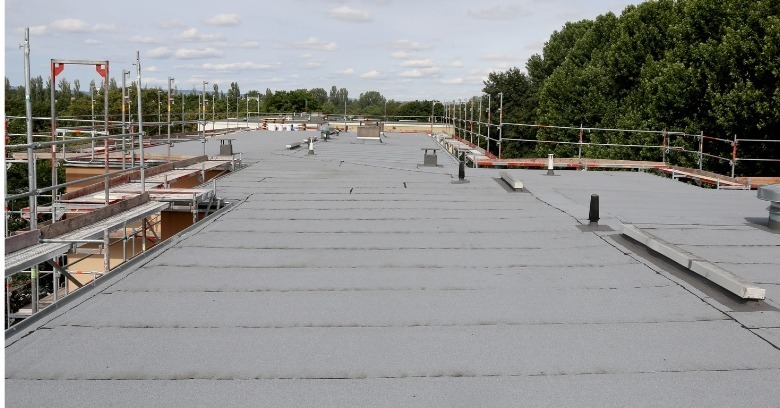
Staff, stock and machinery sit beneath the membrane, so a small opening can interrupt a full day of trade. A big footprint is covered at a gentle grade, so outlet sizes and wind design come from engineering figures.
Air handlers, fans and communications gear sit on the membrane, and every line or support is a hole that must be flashed. The activity indoors steers the selection of materials, since a cold store and a law office have different needs.
Common Low-Slope Materials: a Short Guide
Single-ply goods such as TPO, PVC and EPDM go down as one broad layer, modified bitumen is asphalt toughened with polymers and laid from rolls, and built-up roofing alternates felt with hot tar. Thermoplastic overlaps are heat-welded into a continuous piece, whereas a rubber splice depends on primer and tape.
Kitchen exhaust leaves a film of grease around a restaurant's fans, and asphalt or EPDM turns soft under oily buildup, so PVC is a common pick for the spot. A stone-covered built-up system is weighty and tough, since the aggregate protects the felts from ultraviolet light.
Metal Panels on Business Buildings: Where Trouble Shows
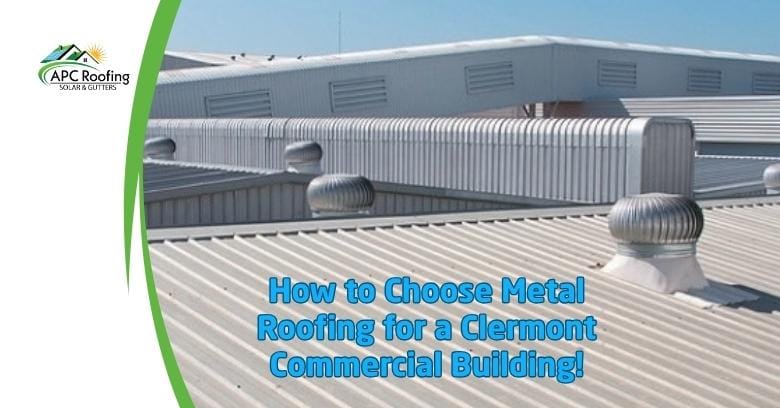
Screws through the flats hold an exposed-fastener sheet in place, and each shank anchors in the framing below. Rubber washers under the heads harden and crack in the sun, and thermal movement works the fasteners loose over time.
Clips concealed in the raised seams secure a standing-seam roof, and the hardware lets each pan travel. Corrosion gathers where sheets overlap and at trimmed ends, and an elastomeric coating over sound metal can keep the damage in check.
Decking on Big Buildings: Age and Condition
How the system is held down is set by the structure under the insulation, and the framing normally stays through every reroof. Fluted steel accepts screws readily, concrete calls for adhesive or drilled anchors, and plywood takes nails or plate fasteners.
Old, slow leaks corrode patches of a metal deck, and a weak area gets a new panel before anything goes on top. The structure's underside is checked from indoors when access permits, and small cuts from the upper side answer the rest.
Attachment Methods: Matching the Choice to the Site
A fastened install uses plates and screws in the overlaps, glued-down systems rely on adhesive over the entire back, and ballasted sheets lie loose under stone or pavers. The kind of deck, the height and the wind at the site decide the pick, and an engineer confirms the framing can carry any added weight.
A mechanically fastened sheet billows between fastener rows in strong gusts, but an adhered sheet lies quiet and demands a dry, clean base. On ballasted work an inspection drags, because the stone or pavers must be moved aside to expose a seam.
Wind on Low-Slope Work: Setting the Screw Pattern
Pull is greatest at the outside angles, since air accelerates on rolling over the perimeter. The zone running down each side follows close behind, and the open middle is loaded more gently.
More plates per square foot go in at corners and edges, and design tables for the height and exposure set the spacing. Where anchoring falls short, the membrane can lift at an outer angle, and the opening grows as each gust gets beneath.
Insulating Foam – an Overlooked Component
Polyiso is set on the deck in one or more courses, and a thin, hard cover board is often added last. Insulation reduces the load on air conditioning and furnaces, and tapered pieces create the fall that sends rain to the outlets.
Waterlogged foam barely resists heat flow, and damp material sits against steel until the flutes corrode. An infrared scan at dusk, backed by cores, outlines the affected zone, and each sodden piece is removed instead of buried.
Outlets on a Big Building: The Path Down
A domed strainer sits over every interior sump, and the slots hold back gravel and plastic bags. A grate packed with sludge chokes the flow, and a pond spreads across the field.
A raised overflow waits above each primary drain, so a steady spill up high signals a blockage below. Standing water loads the frame with weight beyond the design, and a puddle that survives two days hints at settling or a choked strainer.
Finding the Source of a Drip: Why Care Pays
The mark on a suspended ceiling shows where moisture landed, but the fault on the surface can lie a long way off. Steel decking guides runoff down the corrugations, and joints between boards lead a trickle further still.
A roofer probes the laps, curbs and outlets upslope of the stained area, and a controlled hose test can isolate a hidden entry point. Patching straight above the damp tile usually lands in the wrong place, and moisture finds a way in at the next storm.
HVAC Equipment Up Top – Leak-Prone Spots
A built-up curb lifts each machine above the field, and flashing wraps the sides up to a sheet-metal cover. Inside corners need preformed pieces or patient detailing, and a rushed job leaves gaps for rain.
A replacement condenser frequently arrives on an adapter curb nobody flashes, and water reaches the office below soon enough. Condensate lines left dribbling onto the membrane grow algae, and the fix is carrying the flow to a drain.
Everything Else That Passes Through: Handling Each Type
A round plumbing stack gets a molded boot clamped at the top, while odd shapes go into a pitch pocket filled with sealant. Aging compound contracts and opens hairline gaps, so topping up is part of routine upkeep.
Electrical conduit and gas lines ride on blocks simply set in place, since a bracket screwed through the covering becomes a leak. A square of sacrificial material under each foot spreads the pressure, so daily movement rubs the buffer rather than the covering.
Glazing and Access Points – Service Notes
Ultraviolet light leaves acrylic and polycarbonate hazy and weak, and cracks spread from the screws at the rim. A shrunken gasket or a separated miter lets water through, and the covering gets accused of a fault in the glazing.
Technicians lift the access hatch many times a year, and hinges, springs and weatherstrip wear from constant opening. Automatic smoke vents are built to burst open during a fire, so work nearby leaves every mechanism free.
Walls That Rise Past the Deck – Getting the Details Right
Base flashing carries the membrane up the inside face, a screwed termination bar secures the top, and counterflashing tucked into a reglet covers the fastened line. A coping cap spans the crest to push rain aside, but joints whose sealant has cracked admit runoff beneath.
Weathered brick and block take on water through the faces, so the stain that appears gets blamed on the membrane. An inspection covers the coping, the counterflashing and the wall as well as the membrane, and loose mortar is repointed rather than coated over.
Edge Metal Without a Parapet: What to Inspect
A continuous cleat is fixed along the eave and locks the hem of the flange, and a cover strip seals the sheet to the horizontal face. The profile chosen has to be rated for wind at the building's elevation, and an underrated section can let go in a gale.
Commercial gutters catch far more runoff than a house ever sends, which calls for sturdy hangers and oversized downspouts. Any trim that has bent or lifted needs fixing, since early work protects the covering behind the edge.
Foot Traffic From Technicians: Protecting the Sheet
Equipment mechanics may be up top every few weeks on a busy building, and the direct path slowly abrades the covering. A stray sheet-metal screw is driven into the membrane underfoot, and an access panel set down on a corner slices a gash.
Walkway pads outline a lane from the hatch to each unit, and the abuse lands on something made to take the wear. Managers can require contractors to keep off the unprotected sheet, and a bucket for scraps and screws keeps the membrane clear.
Planned Care for a Membrane – the Routine
Twice annually is a sensible rhythm for a walk-through of a commercial system, and heavy wind is reason for an extra check. A service call clears leaves and trash from the strainers, any open lap is found with a probe, and brittle sealant gets marked for replacement.
The trip ahead of the stormy months focuses on outlets and perimeter metal, and a return after rough weather finds what shifted. Every minor fault is recorded with the exact spot, so repairs can be arranged before a leak starts.
A Building's Roof History – a Long Memory
A clear drawing pins down the position of each unit, drain and hatch, and a written build-up traces each component from the deck to the membrane. Photos with dates accompany every repair entry, and cut samples and infrared findings get appended.
Many older properties change hands without a scrap of information about the covering, which leaves every new contractor guessing. Roof documentation outlasts any single service firm, and a copy can go to a successor or a buyer.
Sizing Up the Job: Reading the Evidence
A sound membrane with a handful of local faults simply gets patched, and a worn surface with dry layers beneath can take a fluid-applied finish. Extensive saturated boards make the job a replacement, and so do seams that crack wherever flexed, while a date on the calendar decides little.
Any restoration coating depends on a washed, repaired substrate, and material below that holds water never dries out. A partial tear-off of the spoiled areas can be a reasonable compromise, if the rest of the sheet remains in good shape.
Reroofing Options: Code and Condition
With a recover, the old sheet stays and a new membrane goes over the top, and a cover board sits in between. An overlay is allowed by code over no more than a single existing covering, as long as the insulation below is dry.
A complete strip-off clears away every layer, and an open view shows what needs mending. Fresh tapered boards can give a dead-flat surface some fall, and a cricket between outlets divides the flow.
Early Warnings – Before Leaks Spread
- A spout of runoff from the secondary scupper, which signals a clogged primary drain.
- Discolored ceiling panels that darken after wet weather, which reveals the foam above is getting soaked.
- Blotches or efflorescence on brick under the coping, which can trace to a leaking downspout joint.
- A gravel stop that moves when a gust hits, which can put the membrane at risk in a storm.
- A dip in the ceiling line under a flat section, which hints at a low area in the structure or a slow drain.
- A skylight bubble with hairline fractures, which can shatter under a person's weight.
- Rust spots spreading on the underside of a steel deck, which suggests an opening some distance uphill.
- A downspout that backs up in heavy rain, which can mean a clog or an undersized run.
How APC Roofing Works on Commercial Roof Repair in Altamonte Springs Florida: the Order of Work
We begin with every drain, scupper and overflow, and the laps, curbs and perimeter come next. Where there is a leak, the insulation is metered for moisture, since the condition underneath shapes the advice.
Each visit ends with a written account, a plan sketch and photographs, and every trouble spot is pinned to a location. The recommendation names repair, restoration or replacement, and you get reasons to weigh for yourself.
Commercial Roof Repair Throughout Altamonte Springs Florida: Plan the Next Step
Reach us at 407-270-1129 and a time to look things over gets agreed.
Sharing the Building – What Gets Agreed
Screwing into a steel deck rings through the rooms beneath, and glue fumes can travel down through open intakes. Noisy steps are discussed with the manager beforehand, and vents close to the work can be blocked until curing ends.
Old membrane and foam are lowered by hoist or dropped through a covered chute, and shelving or machinery directly below can be tarped. A water-borne glue smells much milder than a solvent type, so gentle formulas are often specified above working space.
Sequencing a Big Replacement – the Discipline Involved
Crews remove only as much old covering as can be made watertight by evening, and each opened area is made tight again as stripping advances. A cutoff between finished and untouched portions keeps rain out overnight, and the extra piece is sliced off the next morning.
Radar and forecasts govern how much comes off, so an approaching storm means a smaller opening. A sudden soaking ruins exposed insulation, and leaks can then reach stock and staff below.
Our Service Area's Range – What Changes by Market
The colder end of our territory adds hail and snow load to the list, so a hard cover board and an engineer's review of the framing are sensible. Strong sun across every town we serve slowly bakes a membrane, and light-colored surfaces bounce much of the glare away.
At the coastal end, hurricane wind pushes attachment requirements up, and torrential downpours need outlets sized with room to spare. Adhesives come with a cold limit printed on the label, but a welder copes with cool air far better than with a shower.
Keeping People Safe Overhead: Rules on the Job
A knee-high parapet or a bare perimeter leaves a sheer drop, and anyone near the edge works inside warning lines or clipped to anchors. A dome breaks through easily under a misplaced step, so guards over each opening are standard practice.
Permanent anchors left in place serve the technicians who come later, and a gated ladder hatch adds another safeguard. Any missing guard is noted in our findings, because a drop from a single floor can badly hurt someone.
When Commercial Roof Repair in Altamonte Springs Florida is on your list, contact APC Roofing at 407-270-1129. We will go over the entire field, drain by drain and seam by seam, and the results arrive in writing to act on as you see fit.
Verified

Verified
Verified
Verified
Verified