Considering Shingle Roofing Anywhere in Blue Springs Missouri?
APC Roofing strips worn coverings and lays fresh courses in their place on houses, garages and sheds.
Reach us at 913-398-5020 and the findings are explained without jargon.
Inside the Product – Factory Details
Each shingle takes its strength from a fiberglass mat, and a saturant of asphalt seals out rain, and mineral granules across the top guard against sun damage.
Seemingly similar products often follow very different recipes, and more heft commonly lets a covering weather more summers. A display board reveals the shade and little else, while the maker's data sheet lists wind and impact ratings.
Strip Versus Laminated: The Practical Contrast
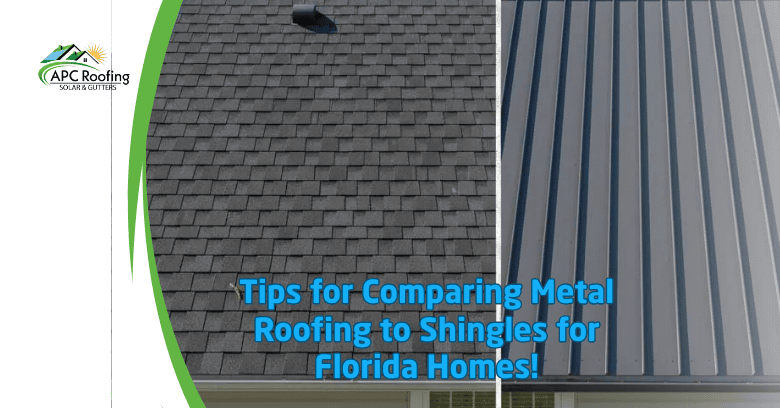
A three-tab product is a single-layer piece with twin cutouts at the exposed edge, and a slope covered this way shows even, repeating rows. An architectural product bonds a contoured upper strip to a solid backer, so the uneven profile casts shadows.
A laminated bundle holds considerably more asphalt than a strip bundle, and listed wind classes are generally higher. Nails on a dimensional shingle go through the zone where the plies meet, and a wrapper diagram shows the exact position.
The Case for Strip Shingles – Practical Niches
Three-tab regularly serves a workshop, a garage or a porch, while a repair on an older house of that type stays uniform. Several makers now offer that style in fewer colors than before, and a favorite shade may be gone for good.
Textured shingles mask slight waves in the boards beneath, whereas a single-ply strip telegraphs each bump. Either style goes over the same underlayment and flashings, while everything that differs is on top.
Loose Grit – Early and Late Stages
Excess grains from the factory rinse off in the opening rains, and nothing about it signals a defect. Heavy grit at the downspouts of an older covering means the protective coat is thinning, and exposed asphalt turns brittle and splits.
Planes aimed south or west receive the harshest sun, so the black asphalt often shows through there sooner.
The Thermal Adhesive – Wind Resistance
A narrow glue stripe runs across every shingle, and a stretch of warm, sunny days softens it until the overlying row sticks. A stuck course stands up to gusts that would otherwise flip its edge, and nailing still carries the load year after year.
On a chilly job at the colder end of our territory, sealant may sit inactive until spring, and a stiff wind can raise a loose tab before then. Manufacturers' instructions call for dabs of roofing cement in that situation, and a drawing on each wrapper gives the amount and location.
Placement on the Shingle: Common Slips
Nails land in a slim target stripe laid out by the manufacturer, so the shank ties in the row beneath too. Four fasteners per shingle is the standard schedule, and high-wind or steep work moves the number to six.
A nail driven high pins one layer instead of two, an overdriven head cuts into the mat, and a slanted shank lifts the shingle laid over it. A bundle's wind class holds only when the printed pattern is followed, and an out-of-adjustment tool spreads one error across a whole face.
Under the Underlayment: Types and Condition
Plywood or OSB panels form the deck under a shingle roof, since shanks need continuous solid material to stay put. Houses built for wooden shakes often have gaps between their deck boards, and sheathing is nailed over them before shingles go on.
A tear-off exposes spongy or rotten areas, which are removed and replaced, because fasteners in decayed stock work free. A little clearance is kept at every panel seam, because expansion from humidity has to go somewhere.
A Backup Barrier: Modern Options
The deck gets a water-resistant membrane before shingles are laid, and its runs are lapped so water flows over each joint. Most roofers now use synthetic sheet instead of felt, as the modern fabric is tougher and does not ripple after rain.
Moisture that sneaks beneath a shingle is carried off by the membrane, yet leaving it bare for long shortens its useful life.
Guarding Against Ice Dams – Around Every Shank
At the colder end of our territory, heat leaking from the house thaws the snow on the upper slope, and a frozen band builds along the chilly lower edge. Standing water behind the buildup finds its way beneath the shingles, and plain underlayment admits it around each nail hole.
A self-sealing ice barrier goes down along the bottom of each slope where winters freeze, and it reaches up the slope past the inside line of the exterior wall. In all of our territory, installers also lay it in valleys and around penetrations, because those junctions carry heavy flow.
Border Protection: Sequence Matters
Formed metal strips line the eaves and rakes of every slope, and the lip carries water clear of the fascia. The lower flashing sits under the underlayment, whereas up the gable the sequence runs backward.
A modern code commonly calls for edge metal along every border, as water tends to wrap under an unprotected rim.
Beginning at the Gutter: Installation Order
A purpose-made starter strip lines the bottom of every slope, and it places sealant right at the drip line. A regular field piece simply turned around leaves its adhesive well back from the gutter, and the tabs at the low border are held only by nails.
Makers often specify a starter product up the gable sides too, since wind crossing the roof tugs at its outer lines.
Where Slopes Meet: Choosing a Style
Open valleys expose a painted or galvanized liner along the fold, while in the closed-cut type one side crosses over and the opposite side is trimmed neatly. Woven work alternates rows from the two planes and suits three-tab, but most laminated shingles are too stiff for that.
The middle of the trough is kept free of fasteners, and an adhered membrane lies underneath the whole length. A mat of leaves lodged in a valley traps water and grime, and heavy rain can then spill sideways under the edges.
Brick and Framing Edges – Chimney Aprons
Every course that meets a wall gets its own folded step flashing, while the lap siding covers the upright side. At the low corner by the house, a kickout piece bends outward, and without one rain runs inside and rots the sheathing.
Around a chimney, step pieces line the sides, an apron covers the front and counterflashing is set into the masonry, and a large stack gets a saddle that sheds water both ways.
Where Drain Lines Exit: Wear Over Time
A pipe boot is built from a flat base plate and a stretchy neoprene collar, and the sealing ring stiffens and cracks as it weathers. The top portion of the flange goes under the uphill shingles, so runoff flows across the downhill side instead of under it.
Neoprene collars regularly fail well before the field shingles do, so new boots come with every new covering.
The Topmost Seams – Final Courses
Cap shingles close the ridge and each hip, and on a laminated covering the manufacturer supplies a thicker matching version. Homemade substitutes trimmed from three-tab carry less material, and on frigid days at the colder end of our territory the crease may crack.
Many peaks hide an exhaust vent under the cap row, and longer nails are needed to reach through it into the deck.
Breathing Room Above the Ceiling – Mixed Systems
Fresh air is meant to enter low through soffit vents, and a ridge exhaust lets it out. Insulation that spills into the narrow cavity over the walls can shut the passage, so a baffle in each rafter bay keeps the way clear.
A poorly vented attic turns into an oven under the deck, while indoor humidity collects there with nowhere to go. At the colder end of our territory, frost gathers on exposed nail points on a freezing night, and the thaw sends droplets onto the ceiling. Adding a fan to an attic that already has a ridge vent can reverse the intended path, since the draft takes the quickest route rather than sweeping the whole space.
Local Extremes: Wind, Sun and Winter
Our service area stretches from high plains to subtropical towns, so a shingle ages in its own way depending on the setting. At the coastal end of our territory, hurricanes bring spells of fierce wind, and makers publish a tougher fastening pattern for that exposure. Months of intense sunshine slowly bake the binder, and lasting humidity gives algae room to grow.
At the colder end of our territory, ice forming in hairline cracks forces them apart, while deep snow loads the deck for weeks.
Ice From the Sky – Reading the Strikes
At the colder end of our territory, hail arrives most years with the thunderstorms, so shingle lines that stand up to it are common. A strike strips the coating from a spot about the size of the stone, and a hard enough blow can crack the mat underneath.
Laboratories rate impact resistance by dropping steel balls from set heights, and the stronger lines come through in better shape. Modified asphalt with added rubber is used by several makers, and that mix stays flexible in the cold.
Wind on Asphalt – Replace or Reseal
Suction pulls hardest along the eaves, the rakes and the corners of a roof, and a shingle no longer stuck down lifts again and again. A tab folded back far enough creases along its width, and the damage leaves it permanently weakened. A piece in that state is swapped out, but one that lifted cleanly can be stuck back down.
Where a tab has blown away, the underlayment beneath lies open to the sun, and ultraviolet light breaks that layer down quickly.
Roof Growth: Shade and Damp
Algae is what paints the long black marks on many slopes, and it feeds on limestone filler in the shingle. At the humid end of our territory, faces under trees and out of the sun collect it soonest, though the staining does little harm on its own.
Moss matters more, since it keeps the courses damp, and it works under the edges and raises them. High-pressure spraying rips the grit away with the growth, so a gentle rinse with a cleaner made for roofing is the safer route. Some lines carry copper in the top layer to resist algae, and a zinc strip near the crest slows the streaks' return.
Shade and Color: Beyond Looks
Darker shingles get noticeably hotter under a midday sun, while a light gray or tan stays cooler. Certain companies make granules designed to scatter infrared rays, and the share they return is listed.
Material made on separate days is rarely a perfect match, so shingles from several bundles are mixed as the courses go on. Variegated patterns make those changes hard to see, whereas a single flat shade gives them away.
Climbing Onto the Courses – Weighing the Risk
Strong sunshine warms the bitumen until it goes pliable, and every tread grinds granules loose. At the colder end of our territory, a frozen shingle can snap under a knee or a boot, while frost at dawn makes the footing treacherous.
Keeping both feet in the yard is safer for an owner, since a zoom lens on a phone catches a lot.
Re-Covering Without a Tear-Off – Weight and Nails
Rules across much of the country accept an overlay over an original roof, as long as there are not already two and the base is sound. A layover keeps the worn shingles sitting on top, so a spongy section just stays put.
Humps and hollows in the courses below show through, and flashing past its prime is usually kept. Two layers put more pounds on the rafters than they were planned to hold, while longer fasteners are needed to reach solid sheathing.
Things That Turn Up: A Short List
- Dark sand gathers where the spouts empty, and the layer thickens with each storm.
- Tabs stand up along one edge, which means the seal has let go.
- Shingle ends lift into curls, and the asphalt is drying out.
- Cracks run across the tabs, and moisture soaks into the mat.
- Some spots look dull and flat, and the asphalt now bakes in the sun.
- The gasket at a vent has shrunk away from the stack, and rain slips through into the house.
- Flashing at a chimney has lifted off the brick, so a downpour can run in underneath.
- A water mark appears near a light fixture or a closet, but the place moisture enters may lie higher up.
APC Roofing and Shingle Roofing in Blue Springs Missouri – Plain Talk, Clear Photos
An inspection opens with a walk over every slope, and each valley, vent, flashing and edge is looked at closely. Up in the attic, stains and daylight are sought out, and darkened boards on the underside show past leaks.
What turns up is photographed, and the extent is measured. A written summary lays out what was found, and each recommendation carries its reasons. A small fix is described as small, and a worn-out covering is identified as such. What happens next is the owner's decision, including the option of doing nothing for now.
Shingle Roofing Around Blue Springs Missouri – Help From People Who Know the Details
Call us at 913-398-5020 and say what you have noticed.
Small Fixes and Full Jobs: Knowing the Limit
Changing a boot, resealing a flashing or swapping a few torn tabs is everyday repair work, and the rest of the shingles stay where they are. Fresh shingles stand out against faded neighbors at first, and that earlier shade may simply not exist anymore.
On a worn covering, tabs are brittle and crack when lifted to reach the nails, and one fix can turn into several. When curling edges and bald spots cover most slopes, replacement makes more sense than more patching.
Life Expectancy: What Moves the Number
Flat three-tab designs usually run fifteen to twenty years, while architectural lines can go well beyond that. Ventilation, exposure and fastening decide where a given covering lands, while one bad storm can end the run early.
Boots, flashings and sealed joints are worth checking every few years, because small faults caught in time never reach the deck.
If you are thinking about Shingle Roofing in Blue Springs Missouri, dial APC Roofing at 913-398-5020. Each slope is walked and every detail checked, and a plain written report puts the next step in your hands.
Verified

Verified
Verified
Verified
Verified