Asking about Flat Roof Repair in Daytona Beach Florida?
APC Roofing builds and fixes low-slope sections of a house, and on a residence the job tends to be a porch, a garage or a wing.
Dial 386-356-2111 and a roofer will look over the surface and report back.
Designed to Shed: Worked Out Beforehand
A so-called flat roof is framed to lean gently toward a drain or an edge, and codes commonly ask for at least a quarter inch of drop per foot. Joists set on a rake can create the change in height, or a tapered insulation layout can produce the difference during a reroof.
Rain leaves a steep roof almost as fast as the drops land, while a shallow porch roof keeps a film of rain for a good while, which puts extra strain on each joint. A cricket, a little peaked saddle, steers runoff around a chimney, and no dam of water forms against the upslope face.
The Limit for Lapped Coverings: Where Membranes Begin
Asphalt roofing is permitted by code on two inches of rise per foot or more, and concrete or clay tile demands a sharper incline. Below the limit, a gusty storm pushes water upward beneath each course, and wet sheathing starts to rot.
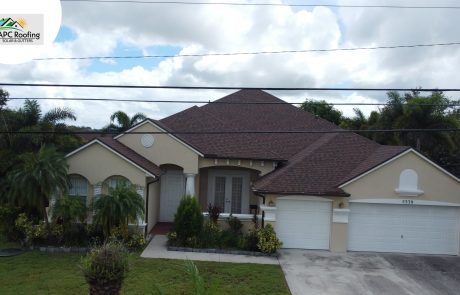
A shingled home often has a garage or addition covered in membrane, since the steepness under each section decides the covering. A sheet roof works as a single watertight skin, and slow runoff finds no opening to work through.
Kinds of Sheet: Names Decoded
TPO and EPDM arrive as wide single-ply rolls, and modified bitumen is a polymer asphalt in narrower strips, and built-up roofing is several plies of felt and tar topped with gravel. A light membrane asks little of porch and garage framing, and a crew can check every join closely.
TPO is normally a white plastic membrane, and EPDM is black synthetic rubber. The right choice turns on the deck, the outlets and the equipment up top, and we put forward a recommendation, and the decision stays with the homeowner.
Seams: Done by Hand
The flat middle of a sheet seldom lets rain through, and the meeting lines between widths are where defects gather. A TPO seam is melted together with a stream of hot air, and a dull hooked probe traced along the joint shows any gap.
EPDM laps depend on primer under adhesive tape, and dirt left on the surface during installation lets the adhesion loosen later. A tired rubber join frequently pulls up at the edge, and a cover strip across the opening keeps water out once more.
Pale or Dark: the Practical Side
A bright TPO roof reflects a good part of the sunshine, so an addition beneath stays more comfortable. A black EPDM membrane absorbs radiant energy, and the deck under the sheet stays warm into the evening. Reflecting sunlight helps a great deal in the hot markets we cover, while the payoff falls at the colder end of our territory.
How Thick to Go: Reading the Label
Membrane depth is stated in mils, thousandths of an inch, and 45 and 60 are everyday figures on houses, and stouter rolls are made for busier roofs. A denser covering tolerates a dropped wrench far better, and the deeper body endures ultraviolet aging for longer. Nobody can tell the gauge from the driveway, so the proposal spells out the mil figure.
The Build-Up: How the Pieces Fit
A cover board commonly lies directly under the membrane, and a course of rigid insulation follows, and plywood, steel or concrete forms the deck at the bottom. Foam keeps summer heat out and winter warmth in, and added thickness raises the R-value. Waterlogged insulation stops working and gains pounds, and a sealed membrane on top leaves the dampness nowhere to go. Readings from a meter, a thermal camera or a core sample trace the extent of the problem, since the finished surface often gives no sign.
The Transition: Layering Done Right
The membrane is carried up the steeper plane and under the asphalt, so rain from uphill lands on the membrane. The sheet's top edge is shielded from the weather, and the joint does not rely on caulk at all.
A membrane run over the tabs rather than under catches water behind, and wind-driven rain reaches the framing below. A drip at the inside corner of a porch ceiling often traces to a reversed junction, and rebuilding the detail the proper way round is the repair.
Metal Trim – the Finished Rim
Moving air tugs on a low roof, strongly at corners and around the perimeter, and an opening can let the membrane peel back across a wide area. Edge metal screwed through the sheet holds the rim firm, and the drip leg guides water down into the gutter.
A termination bar anchors the membrane at the wall line, and a bead of sealant along the upper side keeps water from running behind, while counterflashing higher up sheds rain over the whole detail. Lifted edge trim or popped fasteners need attention, because a firm perimeter keeps gusts from prying underneath.
The Parapet: Dressed and Capped
The membrane turns up the inner face as base flashing, and a counterflashing strip covers the turned-up edge. The top of the parapet wears a coping, with an inward pitch that drains runoff onto the roof.
Where crest joints open up, rain runs down within the wall, and the leak can appear a long way from the source. Masonry with open mortar lines also calls for repointing, and framing under stucco depends on sealed corners and a tight top.
Getting Rain Away – the Parts Involved
An inside outlet, a scupper or an edge gutter carries water off a low roof, and leaves or grit can choke any opening. A shallow sump holds the interior drain under a domed strainer, and a leader pipe drops through the framing to grade.
An overflow scupper sits higher than the main outlet, and codes call for a second way out on a roof ringed by parapets. Maintenance means lifting debris off strainers and out of gutter throats, and a loose dome gets fixed back over the drain.
Water That Stays Put – the Trouble Explained
Any rain still on the membrane forty-eight hours after a storm is a defect by trade standards, and a dip in the framing or a blocked outlet is the source. A submerged area of membrane weathers faster than the rest, and grime and algae take hold. The mass of a broad, shallow puddle presses the framing down a little, and a deeper sag catches more rain in the next storm.
A fresh sheet over the same framing keeps the same contours, so the true correction is tapered insulation, a cricket or an added drain. The right remedy depends on the framing and where a new pipe could run, and readings from a level on site settle the plan.
Holes in the Field: How Harm Happens
Single-ply material can be pierced by something sharp at any age, and a loose fastener underfoot or a dropped blade is enough. At the colder end of our territory, big hailstones can split a brittle sheet, and wind-thrown branches can gash a surface anywhere.
An early catch turns a small opening into a simple patch, but months of rain through the gap saturate the insulation beneath. Pinholes are located by a slow walk over the full field, and a look from the ladder top misses tiny punctures.
Protecting the Route – Built for Foot Use
A membrane is a watertight skin and was never meant as flooring, and repeated trips to the air conditioner on the roof grind at the surface. Dense pads are welded or glued along the approach to the units, so the strips absorb the abrasion instead of the membrane. The scope adds traffic protection wherever a roof holds mechanical gear, and service crews are pointed to the marked lane.
Raised Decking: Weight and Access
Pavers on adjustable pedestals keep chairs and tables off the membrane, and the gap below lets rain reach the outlets. Filled planters require a check on what the structure can bear, since soaked earth gets much heavier after rain.
Pavers come up individually without tools, so a leak under a patio can be found without breaking anything.
Penetrations – Detail Work
Plumbing vents are sealed with molded boots of matching membrane, and a steel band secures the collar to the stack. Skylights and rooftop units stand on curbs built up from the deck, and the membrane runs up each side under a metal cap. Brackets, cable bundles and other odd supports go into a pitch pocket, which is a little dam of poured sealant.
With age the fill shrinks away and cracks, and a top-up is part of normal care.
Mend or Start Over – Where the Line Falls
Membrane leaks tend to trace to one small spot, and a matching piece sealed around the damage restores the surface. TPO overlays are heat-welded and probed along the edges, and on EPDM the cover is primed, taped and cut with rounded corners.
Full replacement is justified when seams are opening everywhere, or the membrane has hardened and split, or much of the insulation below is waterlogged. We give a straight recommendation, and pictures and meter results sit behind the verdict.
Add a Layer or Start Clean: What the Base Decides
An existing roof can take a new membrane on top with a separator board, and code allows the method only where one covering is in place. An overlay calls for insulation that is dry, since moisture shut in keeps working on the framing.
A tear-off removes everything down to the bare deck, so rotten boards come out and the fall is set right, and code makes the method compulsory where two coverings sit on the house. Meter readings and a count of layers decide the route, and the owner gets the findings in writing before choosing.
How Age Shows: the Forces Involved
Ultraviolet rays, expansion and contraction, and pooled rain degrade a membrane step by step, and boots on the way to units leave worn tracks across the field. Yearly attention to strainers and pitch pockets lengthens the working span, and prompt patches on minor cuts keep the insulation dry.
Things to Watch For: Before Damage Grows
- A yellowed patch on the ceiling under the porch roof, an indication that rain has crossed the insulation.
- A steady flow from the secondary scupper in a storm, which often points to a clogged main outlet.
- Edge metal bent or lifted after high wind, a spot where the membrane may start coming away.
- A green film at the edge of the roof, which shows rain sitting for days.
- A section that bows when seen from the street, an indication that pooled water is bending the deck.
- Raised blisters spotted from a window over the membrane, brought on by trapped moisture or a failed bond.
- Streaked stucco below a parapet, commonly caused by open coping joints.
- A wet stripe on the porch ceiling next to the house, often due to a leaking tie-in.
How APC Roofing Works Through Flat Roof Repair in Daytona Beach Florida: Order and Method
The first thing we check is the drainage, outlets and low spots included, and the laps are probed from end to end next. Later, the inspection moves to edge metal, parapets, curbs and pockets, and where a leak is present, a meter and a core cut test the insulation.
Everything we find goes into a written report with photographs, and each item gets a plain assessment. If a repair is enough, we say so, and a failing membrane is described frankly.
Flat Roof Repair Around Daytona Beach Florida: Careful Membrane Work
Reach us at 386-356-2111 and we will put an inspection on the calendar.
Painted-On Protection – What a Bucket Can Do
Fluid material can be sprayed or rolled onto an existing membrane, and the liquid dries into one unbroken skin. Over a healthy membrane, a coat adds years and reflects heat, but the layer cannot correct wet insulation, open laps or sagging decks.
Silicone tolerates standing water, but acrylic loses adhesion where puddles stay. Washing and patching beforehand are the larger share of the labor, because anything applied over dirt or chalky residue peels. We tell you directly when a coating is a sensible choice, and when the sheet below needs more than a new surface.
Working Around the Forecast: Work Windows
On EPDM, primer and tape require a dry surface, and cool temperatures slow the adhesive's grab. Welding TPO with hot air works on brisk mornings, but rainfall halts membrane installation of every type.
A small repair fits into a short dry spell, whereas a full replacement depends on several settled days. Open areas are sealed off watertight before the crew goes home, so the interior stays safe overnight.
For work on Flat Roof Repair in Daytona Beach Florida, get in touch with APC Roofing at 386-356-2111. A roofer walks the membrane, the outlets and the edges, and you get the findings in writing and make the decision.
Verified

Verified
Verified
Verified