Considering 3-Tab Shingle Roofing Anywhere in Ozarks Region Missouri?
APC Roofing re-covers slopes with laminated or flat strip products on houses, garages and sheds.
Dial 913-398-5020 and someone will come out and explain what is up there.
Anatomy of a Covering – Raw Ingredients
A fiberglass mat gives each shingle its strength, while the asphalt in the sheet makes it waterproof, and granules rolled into the surface shade everything beneath from ultraviolet rays.
Two lines that appear matched may be put together quite differently, and weight per square often tracks with durability. A sample board shows color alone, while the maker's data sheet lists wind and impact ratings.
Strip Versus Laminated – Weight and Wind
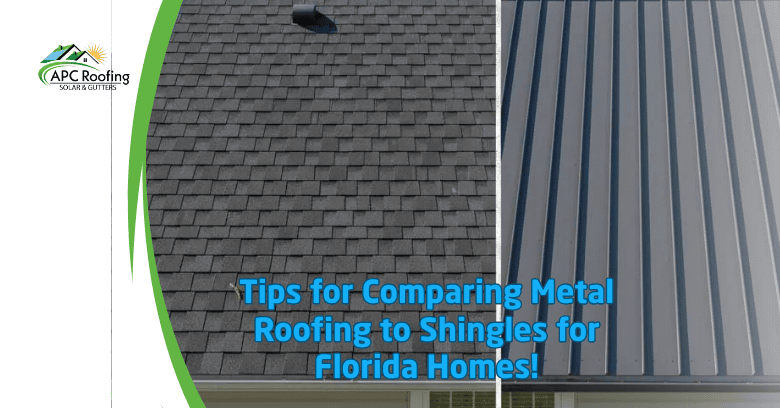
Each three-tab unit is a lone layer slotted in two places near the bottom, so the overall look is orderly. An architectural shingle glues a shaped overlay onto a full-width base, so the extra depth gives relief.
The heavier laminated construction puts more asphalt on the deck, and published wind ratings are commonly higher as a result. Nailing on a two-ply shingle aims at the strip where the plies are joined, and the manufacturer's markings set the target.
Strip Products in Use – Narrower Choices
Outbuildings and porches are frequent homes for three-tab, while a house already wearing that type can be matched. Several makers now offer that style in fewer colors than before, and a favorite shade may be gone for good.
Uneven plywood is less noticeable under a dimensional product, whereas straight single-ply lines reveal each flaw. Underlayment and flashings are the same under either style, and only the visible layer differs.
Aging of the Top Coat: New Versus Worn
A recently installed covering lets go of leftover grains for a while, which is harmless. When an older covering sends piles of grit down the spouts, its mineral shield is wearing thin, and the naked asphalt goes on to crack.
South- and west-facing planes bake the longest each afternoon, so bald patches tend to appear there sooner.
The Thermal Adhesive: Limits in Cold Months
A shingle comes from the plant with a glue stripe already applied, and warm days melt it just enough to anchor the next row. Adhered courses keep their bottom edges down in a gust, while the nails keep doing their share for decades.
At the colder end of our territory, shingles laid in late fall may not seal for weeks, so tabs stay at risk from wind for a while. The manufacturer's sheet calls for hand-applied cement, and a printed label spells out quantity and spacing.
How Courses Are Attached – Why Accuracy Counts
A narrow band, marked at the factory, is where nails go, and from there the shank reaches the top of the underlying row too. Most shingles take four fasteners apiece, while a bundle wrapper asks for six on very steep or wind-exposed jobs.
A high nail catches only a single layer, an overdriven head slices the fiberglass, and a crooked shank makes a bump that wears through the shingle above it. Published wind ratings assume the manufacturer's pattern was followed exactly, and an out-of-adjustment tool spreads one error across a whole face.
Sheathing Choices – Before New Courses Go On
The deck under asphalt shingles is usually plywood or OSB, since shanks need continuous solid material to stay put. Homes that once wore wood shakes may still have spaced slats up top, and full sheathing is added on top before any shingles.
Sections that are soft, delaminated or rotted get cut out and replaced during a tear-off, because fasteners in decayed stock work free. Panels go down with a narrow space along each joint, because wood swells in humid weather and buckles without room to move.
Underlayment Basics – What It Does
Shingles never go straight onto bare decking, since a water-resistant membrane comes between, and its runs overlap from the bottom edge upward. Synthetic sheet has largely replaced asphalt-saturated felt, because the woven fabric resists tearing and stays flat when damp.
Moisture that sneaks beneath a shingle is carried off by the membrane, but it is meant for occasional water, not months of open sky.
Guarding Against Ice Dams: Seasonal Detail
At the colder end of our territory, heat leaking from the house thaws the snow on the upper slope, and meltwater freezes solid at the unheated edge. Pooled water behind the obstruction travels uphill under the courses, where ordinary underlayment lets it through at every nail.
A rubberized self-adhering membrane is laid along the eave where ice dams form, and it runs past the interior face of the outside wall. Everywhere in our territory, it is also a regular choice for valleys and around chimneys, because runoff slows and gathers at those spots.
Finishing the Borders: Sequence Matters
Formed metal strips line the eaves and rakes of every slope, so the fascia stays dry. Down low, the flashing is installed before the underlayment, but on the gable sides the order reverses.
Current codes in many places make edge metal mandatory along every border of a shingled plane, since rain creeps back onto the decking where nothing guards it.
Base Row Details – No Substitutes
The first exposed course rests on a dedicated starter strip, so tacky asphalt ends up at the very brink of the deck. A regular field piece simply turned around leaves its adhesive well back from the gutter, so the outermost tabs are pinned by nails only.
Makers often specify a starter product up the gable sides too, since wind crossing the roof tugs at its outer lines.
Drainage Between Planes – Keeping Nails Clear
A valley can be built open, with a metal channel left exposed down its center, while the closed-cut type runs shingles from one side across and trims the other side along a chalk line. Weaving is a long-standing technique for thin, flexible tab shingles, while makers generally advise against it for architectural shingles.
Nailing close to the fold is avoided, and a waterproof underlayment is laid beneath along the full run. Needles and grit gathered in a valley act like a dam, so water starts finding a path under the sides.
Vertical Surfaces: Water Shedding Order
A separate step flashing is tucked under each course where the covering meets a wall, and the exterior finish hangs down across the standing half. Where the eave stops against the house, a kickout diverter goes in, and without one rain runs inside and rots the sheathing.
Masonry chimneys take a base apron, side step flashing and counterflashing grooved into the joints, and a wide stack also needs a cricket upslope to split the flow.
Plumbing Protrusions: Timing a Swap
A pipe boot combines a flat metal or plastic base with a rubber collar around the pipe, and ultraviolet exposure dries the gasket out and cracks it. The top portion of the flange goes under the uphill shingles, and the bottom margin stays exposed so rain rides over it.
Collars often crack while the surrounding field still has years of wear left, and new boots are standard whenever the shingles are replaced.
Finishing the Apex – Vents Beneath
Each hip and the ridge get a row of cap shingles across the joint, and laminated work calls for the maker's coordinated accessory. Pieces cut from strip shingles are much thinner, and in winter at the colder end of our territory the fold is prone to cracking.
A continuous ridge vent frequently lies under the cap row, and longer nails are needed to reach through it into the deck.
A Healthy Upper Story – Mixed Systems
Soffit vents are where outdoor air is supposed to enter, while an exhaust at the peak lets it escape. Insulation blown tight against the outer walls can choke the flow, and baffles stapled between rafters maintain a clear lane.
Without airflow, an attic bakes the boards from below, and it traps humidity that drifts up from the living space. At the colder end of our territory, frost can form on the nail tips poking through overhead, and the thaw sends droplets onto the ceiling. Two kinds of exhaust on one attic may work against each other, so the lower part of the space goes stagnant.
Across Our Range – Storms and Algae
The area we serve spans cold, dry high country and warm, wet flatlands, so a shingle ages in its own way depending on the setting. At the coastal end of our territory, the large storm systems blow for hours, and product sheets set out an enhanced nailing method. Constant heat pushes the lighter oils out of the asphalt, and moist air lets algae take hold.
At the colder end of our territory, ice forming in hairline cracks forces them apart, while deep snow loads the deck for weeks.
Stones Out of a Thunderhead: Lab Testing
At the colder end of our territory, big hail visits many neighborhoods, so shingle lines that stand up to it are common. A single stone can leave a dark circle where the granules came off, and a heavy blow may fracture the fiberglass below.
Impact ratings come from a laboratory test that drops steel balls on the shingle, and a line that passes at the top level holds up better. Modified asphalt with added rubber is used by several makers, and the extra give absorbs part of each blow.
Wind on Asphalt – The Damage Done
The border of a roof and its corners see the greatest upward force, so any piece that has come unstuck shakes in each blast. Once a tab is doubled back, a crease forms where it bent, and the damaged spot stays weak for good. A shingle hurt like that is replaced with a new one, while one that only lost its seal can be cemented back down.
A missing tab leaves bare underlayment facing the sky, and daylight starts breaking it down at once.
Streaks and Moss: Shade and Damp
The inky bands seen on so many houses come from algae, and the microbes draw on limestone in the coating. At the humid end of our territory, shaded north-facing roof planes grow it fastest, though the staining does little harm on its own.
Moss is more serious, because it stays wet for days, and as clumps thicken they wedge the tabs upward. A jet under high pressure scours the protective stone off, so a gentle rinse with a cleaner made for roofing is the safer route. Algae-resistant designs mix copper into the surface, while rain running over a zinc band near the ridge holds the stain back.
Picking a Hue: Mixing Bundles
Dark shingles soak up more sunlight and run hotter, while light ones reflect much of the light skyward. A few lines carry special granules that keep even a mid-tone from getting as hot, and a tested reflectance figure goes with them.
The look can drift from one manufacturing lot to the next, so shingles from several bundles are mixed as the courses go on. Blended colors, with many tones on each piece, hide those minor differences, while a solid, even finish reveals them more readily.
Standing on a Slope: Knowing When to Stay Down
By midday in warm weather the material becomes tender, so a shoe sole scrapes away grit. At the colder end of our territory, frozen tabs split beneath a person's weight, while frost at dawn makes the footing treacherous.
Owners do best to stay off the ladder altogether, and a good pair of field glasses picks up loose or missing pieces.
Re-Covering Without a Tear-Off – Hidden Trade-Offs
Local regulations commonly accept an overlay over an old roof, provided there is only one and nothing beneath is rotted. The current shingles stay on top of the decking throughout the job, so any weakened patch gets buried under the added courses.
An uneven base gives the new shingles a wavy face, while tired metal at walls and chimneys tends to stay. Stacking one covering on another adds mass that the framing must bear, while longer fasteners are needed to reach solid sheathing.
Early Warnings – When to Call
- Granules pile up in the gutters, and the layer thickens with each storm.
- Pieces are missing and bare underlayment peeks through, so wind has broken the bond.
- Corners turn up like an old leaf, which happens as the oils bake out.
- Tabs show fine breaks from edge to edge, and the layer below begins to soak up water.
- Shiny black spots stand out against the color around them, and bare asphalt now meets the weather.
- The gasket at a vent has shrunk away from the stack, so water works its way indoors.
- Counterflashing at a chimney has worked out of its joint, so every storm can find a weak point.
- A damp patch shows up on the ceiling after heavy rain, while the opening outside can be several feet off.
How APC Roofing Goes About 3-Tab Shingle Roofing in Ozarks Region Missouri: What to Expect
Every slope is walked first during an inspection, and the flashings, valleys, vents and edges get a close look along the way. The attic is checked from inside for stains and light coming through, and the underside of the deck shows where water has been.
Any problem is photographed, with measurements taken of the extent. The findings are written up in plain language, and each suggestion is explained. A modest problem is presented as modest, and a failing covering is not dressed up. The final say rests with the owner, whether that means a repair, a replacement or waiting.
3-Tab Shingle Roofing Around Ozarks Region Missouri: a Careful Look Before Any Advice
Call 913-398-5020 and describe what you are seeing.
Keep or Tear Off: Knowing the Limit
A split collar, a gap at a wall or some torn tabs makes a routine repair, while the surrounding shingles are left alone. Patched areas show a visible contrast at first, while the exact style may no longer be made.
Stiff, dried-out shingles split when raised for nailing, so the disturbed zone keeps widening. If hard, curled courses run from eave to ridge, a full tear-off is the honest recommendation.
Useful Lifetime – Early Endings
Strip products tend to give fifteen to twenty years, and dimensional products often go a decade longer. Attic airflow, sun exposure and the quality of the nailing move that figure, and a single violent storm may finish a covering off early.
Checking the flashings and pipe seals now and then is sensible upkeep, because small faults caught in time never reach the deck.
When you are weighing 3-Tab Shingle Roofing in Ozarks Region Missouri, dial APC Roofing at 913-398-5020. Someone will walk every slope and look over the details, and a written report leaves the choice with you.