
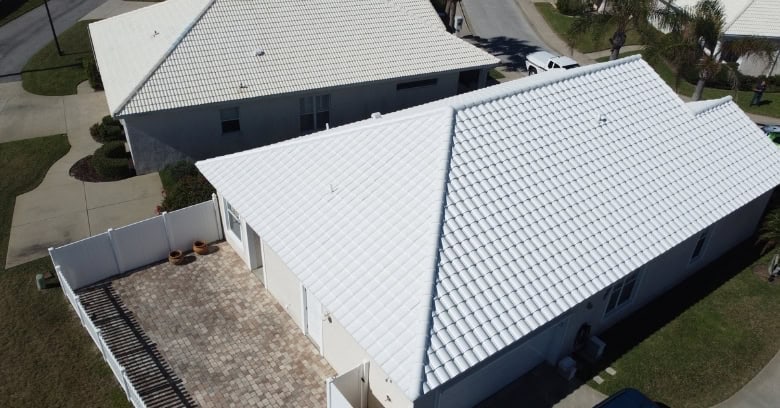
Searching for Roof Inspection in Independence Missouri?
APC Roofing takes on anything from a checkup to a full replacement, across shingle, metal and tile coverings.
Get in touch at 913-398-5020, and a roofer arranges a visit to the house.
What Keeps a Roof Working: What's Tucked Away
The topmost material is nothing more than the outer layer, and a water barrier, plywood and framing sit below the surface. Flashing bridges the crossing wherever a wall, a pipe or a valley breaks the field, and water there rarely traces back to worn shingles close by.
Airflow through the attic belongs to the roof system as much as any material, since trapped summer heat bakes the deck from underneath. A drip inside a bedroom can come from any level of the roof, so attention paid only to the outside can miss where the water entered.
Everyday Work of a Roof: More Than Meets the Eye
A sloped covering sheds every storm's water downhill, and seal strips keep gusts from getting under the courses. The trusses and sheathing support the load above, snow included at the colder end of our territory, while vents give damp attic air a way out.
Water is a job for the covering, and wind is a task for the fastening, while what is underneath holds the whole thing steady, out of sight. A weak component shows up as a sign of trouble somewhere else on the roof, so the cause gets traced instead of the symptom being patched.
Small Parts of a Roof System: A Shorter Story
A field of sound shingles can go for decades, but the gasket around a vent pipe hardens within a fraction of that span. Water works past that spot and follows the framing down, and a ring shows up on the drywall beneath.
The bead where two materials meet cracks after enough hot seasons, and aluminum flashing pits at the bends in salt air. Cap shingles break along the seam, because the highest point stands open to glare and gusts.
A Walk Around the Property Beforehand: Standing Back and Then Closer
From the yard, the shape of the roof reveals dips, sags and wavy planes, and the eave boards and downspouts can be sized up as well. A pair of binoculars brings collars, lifted tabs and bare patches into focus, but a weak spot underfoot tells what optics cannot.
Out on the roof, a roofer presses on every connector and follows each run of flashing, and the covering is checked for brittleness, granule shedding and curling. Nobody walks a covering that is wet or too steep, and the eave, reached by ladder, provides the vantage point instead.
The Attic: Clues From Below
A stained patch on the plywood shows water that got in before, and a soft, wet feel means the entry point is still open. A pinpoint of sky through the boards marks a gap, and a tape measure fixes the distance from the peak and gable wall.
Corroded fasteners poking through mean the attic air runs humid, and a flattened, discolored patch nearby carries the same message. A soffit choked with insulation, or a bath fan venting into the attic space, is spotted only from inside, so a check from the ground alone leaves that kind of fault hidden.
A Homeowner's Take-Away: a Plain Account
Findings arrive as photographs tied to specific places on the roof, and a written line explains what each image shows. Sound parts get listed as plainly as anything that requires work, and faults are ranked by how soon repair is needed.
A record saved from an earlier check sets a baseline for the next inspection, and change over time is easier to judge than condition on a single day. A roof checked on a steady yearly cycle seldom surprises the owner, and the signs of a major repair appear well before the job becomes pressing.
Upkeep on a Shingle Roof: a Short Rundown
Stiffened collars at the plumbing vents get changed early, and brittle beads at the walls get cut out and run again. Branches and leaf litter come off the low points and the chimney back side, and the gutters get kept running and secured.
A slipped shingle put back early is easy work, but delay through the wet months lets water get in from below. A mat of moss holds water along the lower edges, and the growth gets treated and then brushed away, not blasted off.
A Regular Routine: Consistency Pays Off
Somebody trained in the trade should go over the roof once a year, scheduled once the harshest stretch of local weather has passed. Catching things early is the whole point of a regular check, and repair work gets planned rather than rushed.
Between visits, an owner can look at the roof from the yard after rough weather, and ceilings on the top floor are worth a look for new rings. A flashlight trip into the attic twice a year pays off: discolored boards, light through the deck and damp insulation turn up long before anything reaches the space below.
A Roof's Age, Read From the Yard: What Changes Over Time
Freshly laid, a shingle covering is flat and evenly toned, and approaching midlife the sunniest side fades before the rest. Near the end, corners curl and granules gather in the gutters, and each fix soon fails again.
An appraisal from the yard supplies a decent guide, but a roofer nearby will always see more. A worn-out field is past the point where patching helps, and a good contractor gives that answer plainly, rather than selling another repair.
A Channel That Has Given Up: What Homeowners Should Know
The covering's job on water stops at the drip edge, and the gutter picks up the flow at the edge. A channel hung the wrong way holds a pool against the house, and the material there softens over time.
A soft spot along that edge points more often to drainage trouble than to worn shingles, and reroofing alone will not solve a fault at that spot. Gutter fall and downspout placement get checked together, and the drip-edge metal and the overlap at each joint get looked over as well.
A Two-Way Exchange: What Homeowners Should Know
A balanced system draws air in low and releases air up high, and that path carries heat and moisture out of the attic. With the opening closed, the attic turns hot in summer and clammy in humid months, and the whole build's service life shortens.
A roof opening installed with no matching intake draws air from the living space below, and stacking two setups the wrong way can leave one choking the other. A roof placed over bad ventilation inherits an existing weakness, so the fix belongs in the same job as the new covering.
Weather Decides Every Job: Set by What's Nearby
At the colder end of our range, ice and drifting snow set the build, so a self-sealing membrane runs up from the edge. On the coastal side of our area, storm winds set the nail pattern, and reinforced edge metal and sealed seams get specified.
In towns at the colder end of our territory, where hailstones run large, a harder product makes sense, while heat takes a toll on roofs everywhere we work. The details get set by conditions at that specific location, not routine or whatever was used on the last job.
Family Homes and Business Buildings: How the Roofs Differ
A sloped covering sheds rain by lap, and the material is commonly shingle, tile or metal panels. A commercial building usually has a nearly flat, sealed membrane, and mechanical equipment and drains break through that surface.
A fair number of homes have a shallow strip over a porch, and shingles in that spot often leak because runoff moves too slowly. A spot built that way needs a sealed membrane tucked under the pitched roof above, and putting shingles back on that spot solves nothing.
Covering an Open Roof: Done the Right Way
Plastic over a break keeps the rooms beneath dry for a time, but the underlying trouble waits for a crew. A well-set cover laps over the peak and gets battened along the edges, and enough tension keeps gusts from finding any slack.
A cover needs a wide border around the hole, because rain slips in around a snug fit. Film left in place for months holds heat and humidity against the deck, and mildew and rot follow underneath.
Doing the Vertical Joints Properly: Where Leaks Start
Every course against a wall gets a dedicated step-flashing piece, and a strip of trim above turns down over the top edges. A chimney gets an apron across the downhill face and metal tied in up each edge, and a wide stack gets a cricket that divides the flow around back.
Caulk troweled onto a bad seam lets go once temperatures shift the metal, so a fresh tie-in, installed correctly, is the dependable way to go. Soft mortar lets water into the brick above the flashing, and part of that repair belongs to a mason, not a roofer.
Putting Requirements on Paper: What to Look For
A detailed listing names each material going on the roof, and the document says whether the existing roof gets stripped to the deck. The account spells out in advance how damaged plywood gets counted, and every vent, every flashing piece and the haul-away get called out individually.
Offers from different contractors can be weighed point for point, and the real differences between the two documents come into view. A roofer who will not put the plan down leaves the owner guessing, and memory is a poor record of what got agreed.
What a Re-Roof Involves: What Happens
Beds, bushes and walkways get protected before demolition begins, and the existing layers get torn off into a dumpster. Opened up, the decking gets checked for soft spots and breaks, and weak spots come out, and solid planking follows.
Ice barrier, underlayment and new flashing go down across the deck, and the covering, the ridge caps and the vents go on to finish the job. A magnet pass covers the grass and pavement at the end, and nothing from the cleanup stays behind in the gutters.
Maintenance Beyond Asphalt: Details by Material Type
Where panels get fastened through the face, a gasket under the head keeps rain out, and a cracked washer gets replaced along with a fresh screw. Based on the house, tile may be mortar-set, foam-set or clipped directly, and the underlayment handles the water, not the surface material.
A careless step snaps a piece easily, and a matching replacement goes in wherever one gives way. Where part of a roof runs nearly flat, ponding and split seams are the warning signs, and debris gets cleared from drains and scuppers.
What Owners Tend to Notice: a Checklist
- Grit gathering at the downspout outlets, long after the covering was installed.
- Shingle edges cupping upward, most visible on the sunniest slope.
- Torn rubber where a pipe exits the deck, above a bathroom or a kitchen exhaust.
- Paint blistering overhead after a storm, soft at the center.
- Light glowing between the planks, wherever nothing should show through.
- Moss packed into the laps, pushing up the lower edges of the shingles.
- A wave running across a plane, seen best from across the street.
- Sealant pulling away at a wall, often after a hot summer.
Roof Inspection Around Independence Missouri: What APC Roofing Does
Before a scope gets drawn up, a roofer examines the whole covering and the attic, and what turns up gets delivered as pictures along with a written explanation. Sound parts get named as plainly as parts that need work, and the homeowner sets the order of any work.
Roof Inspection for Independence Missouri Homes: a Roofer Who Reads the Whole Roof
Reach us at 913-398-5020 to arrange a visit on site.
Documentation for the Roof: Useful at Resale
Noting when the covering went on, along with the brands used, is worth doing, and each visit's report belongs with the earlier entries. Including a line for every repair, the spot and the method, rounds out the picture, and looking back after enough time shows what keeps recurring.
A buyer's home inspector almost always asks about the roof's history, and a documented account settles the matter later. A backup copy of the whole file keeps one bad day from erasing the whole thing, because a single set can be destroyed in a flood or a fire.
What Good Work Looks Like: Quality You Can See
The field reads as straight bands, with crisp cuts where each slope ends, and the nailing stays out of sight across the roof. The wall joints carry new flashing, tucked to match the way water runs, and any sealant used is a neat bead, never a smear.
Air can move from the eaves to the peak without obstruction, and the drainage runs at least as well as before. No nails or scraps get left in the grass or on the drive, and wood shavings from a trimmed edge are the most common leftover from the work.
Anyone weighing choices for Roof Inspection in Independence Missouri can get a straight answer without more digging. Picking up the phone for APC Roofing at 913-398-5020 puts a roofer on the calendar. Every stop covers the full roof, top to bottom, with nothing left to chance.
Verified

Verified
Verified
Verified
Verified
















