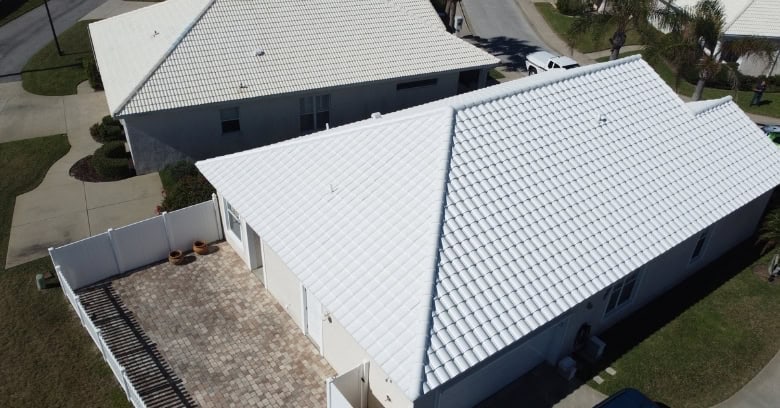
In Search of Roofing Companies in Springfield Missouri?
APC Roofing handles everything from a simple checkup to a full replacement, on shingle, metal and tile alike.
Get in touch at 913-398-5020, and a roofer heads out for a look at the house.
A Roof's Construction, Explained: the Basics
The shingles or panels on top form the outer layer, and a water barrier, plywood and framing sit below the surface. Strips of flashing cover the gap at a chimney, a pipe or a valley, and water there rarely traces back to worn shingles close by.
Airflow through the attic belongs to the roof system as much as any material, because moisture trapped up there softens plywood and rusts nails overhead. A leak noticed inside can begin at any level of the roof, and work confined to the outside can miss the real source.
The Jobs a Roof Performs, Component by Component
The slope on the building sends runoff toward the gutters, while nails and seal strips resist the pull of gusts. What lies below carries the weight of everything on top, snow included at the colder end of our territory, while airflow through the attic moves damp air out.
Water is the covering's job, and wind is the fastening's task, while gravity's pull goes to what is underneath. A weak link puts strain on the parts around the weak spot, so repairs target the root, not the visible mark.
Minor Roof Components: What Falls Behind First
The shingled field is built to last for decades, but the flexible seal around a stack splits well before the shingles do. Rain finds a way down past the weak point, and a brown patch forms on the ceiling underneath.
A line of caulk at a chimney shrinks with every hot season, and aluminum flashing pits at the bends in salt air. Hip and ridge caps open at the center crease, since the peak catches more weather than the rest of the roof.
Steps Before Heading Up: Before Anyone Climbs
From the yard, the shape of the roof reveals dips, sags and wavy planes, and the eave boards and downspouts can be sized up as well. A zoom lens singles out torn collars, lifted tabs and bare patches, but soft decking can only be felt from up close.
Out on the roof, a roofer presses on every connector and follows each run of flashing, and the shingles are checked for brittleness and thin spots. A slippery or steep slope rules out walking, and the eave line, reached by ladder, becomes the vantage point.
Inside the Attic: Signs Worth Finding
Discolored wood around a fastener points to water that beat the covering, and a soft, wet feel means the entry point is still open. Light passing through the decking reveals a breach, and the spot gets pinned down by distance from the ridge, ready for the outside check.
Nails freckled with rust show condensation at work, not rain damage, and a matted, gray patch backs up the same story. A soffit choked with insulation, or a bath fan venting into the attic space, is spotted only from inside, so a look from the yard alone misses ventilation faults of that kind.
A Homeowner's Take-Away: a Plain Account
A record of the visit takes the form of photographs keyed to spots on the roof, and a caption states what each picture reveals. Good sections get the same plain treatment as sections that do not, and faults are ordered from most to least pressing.
A record saved from an earlier check sets a baseline for the next inspection, and change over time is easier to judge than condition on a single day. A roof checked on a steady yearly cycle seldom surprises the owner, and a large job gets seen coming well ahead of time.
Routine Care for a Shingle Roof: a Short Rundown
Vent collars get replaced before splitting, and the joints at each flue get resealed. Branches and leaf litter come off the low points and the chimney back side, and the gutters get kept running and secured.
A raised corner glued down in time stays a simple repair, but putting off that step through storms can end in a drywall stain. Moss on a shaded slope traps moisture under the courses, and the growth gets treated and brushed off, never pressure-washed.
How Often the Checkup Should Happen: the Basics
A trade professional should cover the roof on a yearly basis, timed for the point when local weather turns roughest. Catching things early is the whole point of a regular check, and repair work gets planned rather than rushed.
Between checks, a glance from the lawn after a storm is useful, and any new mark on an upstairs ceiling is worth noting. Checking the attic with a lamp each season makes sense: dark spots, daylight and matted insulation turn up long before anything travels any further.
Judging a Roof's Age From Outside: From New to Worn
A young shingle covering lies flat with an even tone, and later in life the sun-exposed plane fades before the shaded side does. Late in a roof's run, tabs cup and granules wash into the downspouts, and mending one area seems to open another.
An impression formed from outside has real value, but the true condition shows only from up top. Once shingles are spent, patching stops making sense, and a straightforward contractor says so directly, instead of selling one more fix.
The Channel at the Bottom: A Quick Look
Shingles hand off rainfall at the drip edge and no farther, and the gutter line handles the flow after that. A channel hung the wrong way holds a pool against the house, and the rafter tails nearby rot over seasons.
A soft spot along that edge points more often to drainage trouble than to worn shingles, and a new covering will not fix what backed-up water caused. The direction of fall along each gutter gets checked, together with the outlets, and the drip edge gets looked over where the metal meets the fascia line.
A Two-Way Exchange: Why the Details Matter
Cooler air should enter through the soffit and rise out at the ridge, and the flow sweeps trapped heat and vapor out of the space. With the opening closed, the attic turns hot in summer and clammy in humid months, and the shingles age prematurely.
A roof opening installed with no matching intake draws air from the living space below, and one high point pulling toward a nearby high point can choke flow at the soffits. Fresh shingles laid over stale, trapped heat age nearly as fast as the old ones did, so the underlying cause gets addressed in the plan for the new roof.
Roofing That Fits Where You Live: What Shifts From Place to Place
Where winters bite hardest at the colder end of our territory, ice at the edge shapes the details, and a waterproof membrane covers the bottom few feet of deck. Closest to the ocean, gusts decide how the covering gets anchored, and reinforced edge metal and sealed seams get specified.
In towns at the colder end of our territory, where hailstones run large, a harder product makes sense, while ultraviolet light ages granules in every market we serve. What goes on a given roof depends on local conditions, not custom or what happened to be on the truck.
Houses and Commercial Buildings: Split by Structure Type
A sloped covering sheds rain by lap, and the surface is usually shingle, tile or metal. A commercial building usually has a nearly flat, sealed membrane, and drains, scuppers and rooftop units sit built into that surface.
A fair number of homes have a shallow strip over a porch, and shingles over an area such as that leak because standing water finds a way under the laps. A spot shaped that way calls for a sheet membrane, tucked under the steeper roof above, and re-laying shingles there repeats the same fault.
Protecting a Damaged Roof for Now: What Works and What Fails
A barrier keeps rain off a hole before repairs begin, but the underlying trouble waits for a crew. A cover done right crosses the ridge and gets screwed down through battens, and enough tension keeps gusts from finding any slack.
A sheet cut too small leaves the edges of the opening exposed, because rain travels sideways toward a gap that stops short. A membrane left up too long traps moisture against the covering, and mildew and rot follow underneath.
Vertical Joints on a Roof: the Proper Method
Where shingles climb beside a wall, L-shaped pieces alternate with the courses, and counterflashing tucked into the masonry covers that metal from above. A brick chimney gets an apron downhill and metal set in up each edge, and any stack wider than a small one calls for a cricket set into the slope uphill.
Caulk troweled onto a bad seam lets go once temperatures shift the metal, so a fresh tie-in, installed correctly, is the dependable way to go. Porous or cracked mortar lets moisture into the masonry higher up, and part of that repair belongs to a mason, not a roofer.
Getting the Scope in Writing: Comparing Bids
The plan for a job names every product by brand, and the document states plainly whether the work is a tear-off or a layover. A solid outline sets a rule for any soft sheathing found mid-job, and every vent, every flashing piece and the haul-away get called out individually.
Thorough scopes from rival bidders can be checked point by point, and the true difference between the two shows plainly. A roofer who waves off the specifics gives no genuine protection, since a handshake settles nothing once a dispute starts.
How a Re-Roof Unfolds: the Basic Sequence
Shrubs, flower beds and the driveway get protected ahead of the work, and the existing layers get torn off into a dumpster. Opened up, the decking gets checked for soft spots and breaks, and anything that flexes underfoot gets sawn out and patched.
A water-resistant membrane, fresh flashing and ice protection get installed next, and the surface material, the ridge caps and the vents close out the job. A magnet gets run over the lawn and the driveway when the work is done, and the gutters get checked and cleared of scraps.
Maintenance Beyond Asphalt: Notes by Covering Type
Where panels get fastened through the face, a gasket under the head keeps rain out, and a hardened washer gets swapped out along with a new screw. Clay and concrete tile go down by more than one method, from mortar to foam to clips, and the underlayment handles the water, not the surface material.
Weight placed wrong breaks a piece, and a damaged unit gets pulled and replaced to match the surrounding pattern. Where part of a roof runs nearly flat, ponding and split seams are the warning signs, and clogged drains get cleaned out on a visit.
Clues That Point to Trouble: a Checklist
- Granules collecting in the gutters, from a covering that is no longer new.
- Tabs curling at the corners, in patches that widen every year.
- A pipe boot with an open gap, easy to miss without a zoom lens.
- Paint blistering overhead after a storm, new since the previous season.
- Pinholes of light in the sheathing, with the lamp switched off.
- A carpet of moss along the eaves, soaking up water after every rain.
- A sag along the ridge line, seen best from across the street.
- Sealant pulling away at a wall, worth a closer look before the next storm.
Roofing Companies Across Springfield Missouri: How the Visit Works
Before anything gets proposed, a roofer looks over the whole covering and the attic, and the report shows up as photographs and a clear written account. Solid parts get described as directly as weak ones, and the homeowner sets the order of any work.
Roofing Companies Across Springfield Missouri: Straight Answers About the Roof
Get in touch at 913-398-5020 to schedule a visit to the property.
A Roof's Paperwork: Useful at Resale
Noting when the covering went on, along with the brands used, is worth doing, and each visit's report belongs with the earlier entries. Listing every fix, the place and the scope, takes only a minute, and given enough time the pattern becomes clear.
When a house goes up for sale, a buyer's inspector asks about the roof, and a documented account settles the matter later. A duplicate set, saved to a phone or a drive, is worth making, because a single set can be destroyed in a flood or a fire.
What Good Work Looks Like: Quality You Can See
Every row lines up, and the ends at the gables get trimmed evenly, and no fastener gets left exposed. Metal against any wall or chimney rests flush and secure, and caulk, where used at all, forms a thin, careful line.
The attic keeps intake and exhaust moving after the job, and the downspouts remain connected and unclogged. The yard gets swept with a magnet before the crew leaves, and sawdust near a cut line is the most common leftover once the work wraps up.
Anyone who arrived looking into Roofing Companies in Springfield Missouri is one step away from a straight answer. Getting in touch with APC Roofing at 913-398-5020 gets a date on the calendar. Every visit looks at the roof as a whole, not one spot alone, with no loose ends left over.
Verified

Verified
Verified
Verified