Searching for TPO Roofing in Springfield Missouri?
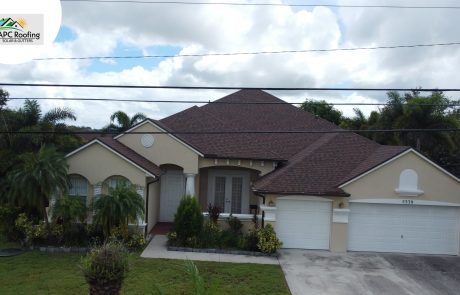
APC Roofing lays new membranes and patches worn ones, and on a typical residence that means porches, garages and rear additions.
Call 913-398-5020 and a roofer will inspect every detail and explain the findings.
Runoff in Mind – a Question of Shape
A flat roof is made to tip a little toward a drain or a scupper, and codes commonly ask for at least a quarter inch of drop per foot. The structure underneath can carry the change in height, or tapered insulation boards can supply the difference on top of the deck.
A steep shingled roof sheds a downpour in seconds, while a shallow porch roof keeps a film of rain for a good while, so each seam sits in moisture long afterward. A cricket, a little peaked saddle, steers runoff around a chimney, and no dam of water forms against the upslope face.
Beyond What Shingles Handle: Porch and Garage Work
Asphalt tabs need at least two inches of rise per foot under building codes, and tile calls for a steeper plane still. Under the limit, rain blown by wind creeps beneath the overlaps, and nails and decking stay damp for days.
A house can carry shingles up high and a membrane on the low garage, with the product decided by the incline of each plane. A sheet covering acts as one sealed skin from edge to edge, so standing rain has no overlap to slip under.
The Main Membrane Types – Sorting the Catalog
Single-ply roofing means TPO or EPDM, supplied in wide rolls, while modified bitumen is asphalt blended with polymers in narrower strips, and built-up roofing stacks felt and hot tar beneath gravel. A lightweight membrane puts little load on residential framing, and a roofer can inspect each join along the full length.
TPO is typically a bright white plastic, while EPDM is a dark synthetic rubber. The framing, the drains and the equipment above guide the selection, and we explain a recommendation, and the homeowner has the final say.
Seams – Heat and Adhesive
Leaks seldom start in the open area of a sheet, and trouble gathers where two widths overlap. On TPO, a hot-air welder melts the seams into one piece, and each joint is probed by hand for gaps.
On EPDM, primer and tape hold each lap shut, so the surface is scrubbed and dried before installation. On an old rubber roof, joins tend to curl at the ends, and a cover strip over the opening makes the spot watertight again.
Picking a Shade: Felt Indoors
A bright TPO roof reflects a good part of the sunshine, and the area below stays cooler. Black EPDM soaks up radiant energy, so the framing below climbs in temperature. A bright surface helps a lot in the hot parts of our service area, and the gain narrows at the colder end of our territory.
Grades Compared: Sorting the Options
Membranes are measured in mils, each a thousandth of an inch, and 45 and 60 are everyday figures on houses, with heavier rolls available for tougher duty. More substance on top copes better with a stray screw, and the additional body holds up longer against sunlight. From the ground, an owner cannot read the gauge, so the mil number is written into the scope.
The Hidden Stack – the Parts in Order
Directly under the membrane, many roofs have a cover board, and rigid insulation comes next, and the deck at the base is usually plywood on a porch. Polyiso slows heat passing into or out of the rooms, and more thickness means a higher R-value. Water-filled insulation loses performance and burdens the deck, and a sealed membrane on top leaves the dampness nowhere to go. Readings from a meter, a thermal camera or a core sample trace the extent of the problem, since the surface can look perfectly normal.
Joining the Shingles: Layering Done Right
At a sloped roof, the membrane extends upward under the asphalt tabs, so each downpour ends on the membrane rather than beneath. The top of the sheet sits sheltered from rainfall, and no bead of caulk is trusted to keep the joint dry.
When the membrane is run on the bottom course, water slides beneath the lip, and a hard storm drives moisture into the framing. A porch ceiling that drips beside the house usually has a junction built upside down, and rebuilding the detail the proper way round is the repair.
Edge Metal – Fastened Every Few Inches
Wind crossing a low roof pulls upward at corners and along the perimeter, and a lifted piece can let the membrane be ripped away. Edge metal screwed through the sheet holds the rim firm, and an angled lip carries rain clear of the fascia into the gutter.
A termination bar anchors the membrane at the wall line, and a bead of sealant along the upper side keeps water from running behind, while counterflashing higher up sheds rain over the whole detail. Bent trim or nails backing out along the rim are a repair item, since a quick reset guards the membrane from uplift.
Parapet Walls – Built to Drain
Base flashing brings the membrane up the inboard face, with metal counterflashing covering the upturned edge. A coping covers the upper surface of the parapet, with a tilt toward the roof so rain stays off the exterior.
A failed joint along the crest lets rain into the wall cavity, and the damp can surface well below. Brick with crumbling mortar needs repointing as well, whereas stucco over framing relies on tight corners and a sealed top.
Drainage Hardware: Keeping the Flow Moving
Runoff departs a low roof through an inside outlet, a wall scupper or an edge gutter, and debris lodged at any opening holds water back. A domed strainer covers an interior drain set in a shallow sump, and the pipe descends through the house to the yard or a storm sewer.
An overflow opening is placed above the main outlet, and code requires another way out where parapets could trap water. A service visit includes clearing strainers and gutter throats, and a loose dome gets fixed back over the drain.
Standing Pools: Slow Harm
Rain found on a membrane two full days after a storm is a defect in a roofer's eyes, and the source is a sunken deck or a stopped outlet. Days underwater wear out the sheet faster, and sediment and algae settle on the wet surface. Inches of rain spread over a roof put real strain on the joists, and a deeper dip holds more after the next storm.
Swapping the membrane leaves the contours of the deck untouched, so tapered insulation, a cricket or an added drain has to do the correcting. The joists and the path for new pipe steer the choice of remedy, and readings from a level on site settle the plan.
Accidental Holes – Small but Serious
A single-ply membrane can be sliced through while still new, and a stray nail or a dropped knife is enough. Large hail at the colder end of our territory can crack a brittle old membrane, and broken limbs can slash a surface wherever trees overhang.
A small hole found early needs only a patch, but a wet season of leaking waterlogs the insulation below. Pinholes show up only on a slow, close walk of the field, and a look from the ladder top misses tiny punctures.
Protecting the Route – a Sacrificial Layer
A membrane is a watertight skin and was never meant as flooring, and every visit to the air conditioner on the roof wears the surface slightly. Thick pads are welded or adhered along the path to rooftop units, and the strips handle the abrasion instead of the membrane. Traffic protection goes into the scope on any roof with mechanical gear, and heating and cooling technicians are directed to the marked lane.
Rooftop Flooring – Built to Come Apart
Adjustable pedestals lift pavers and patio furniture above the membrane, and rain slips underneath to the outlets. Big planters need the framing checked for the added mass, because waterlogged earth weighs a great deal more.
Every paver can be raised by hand one at a time, so a repair under the seating area needs no demolition.
Openings for Equipment: Closing Each Opening
Plumbing vents are sealed with molded boots of matching membrane, and a steel band secures the collar to the stack. A skylight or a unit sits on a curb raised above the deck, and the membrane climbs each side beneath a metal cap. Irregular pieces such as brackets or cable bundles get a pitch pocket, which is a little dam of poured sealant.
The fill shrinks and cracks over the years, and a periodic top-up is standard upkeep.
Fixing Versus Replacing – Where the Line Falls
Leaks on a membrane generally come from one limited area, and a matching piece set over the gap closes the membrane properly. TPO overlays are heat-welded and probed along the edges, and on EPDM the cover is primed, taped and cut with rounded corners.
Replacement makes sense once seams are failing across the roof, or the sheet has grown stiff and cracked, or much of the insulation below is waterlogged. We tell you directly which course is sound, and pictures and meter results sit behind the verdict.
A Second Layer or a Clean Start – When Each Makes Sense
A new sheet can be laid over the current roof on a separator board, and code allows the method only where one covering is in place. An overlay calls for insulation that is dry, because sealed-in dampness goes on harming the framing.
A tear-off takes all old material off the deck, so spongy boards get replaced and the grade corrected, and code insists on the method on any roof wearing two coverings. Readings from a meter and a tally of layers point to the route, and the findings are written up before any decision.
How Age Shows – Stretching the Useful Span
A membrane slowly degrades under ultraviolet light, temperature swings and pooled rain, and service traffic scuffs trails across the field. A yearly round of strainer clearing and pocket refills extends the working span, and quick patches over small cuts spare the insulation.
Warning Signs Worth Knowing – Early Notice
- A widening brown mark on the ceiling under the flat section, which shows moisture has soaked through the insulation.
- Water spilling from an overflow scupper during rain, a hint that the main outlet is blocked.
- Trim sitting loose after a blustery day, where the membrane can begin to peel.
- A green film at the edge of the roof, which shows rain sitting for days.
- A dip in the roofline from the yard, which may point to joists loaded by ponding.
- Wrinkles or bubbles observed from an upper window, often from moisture trapped below or a lost bond.
- Dark streaks on a wall below a parapet, typically from separated joints along the coping.
- Damp drywall where the porch ceiling meets the house front, which usually means the tie-in needs rebuilding.
How APC Roofing Works Through TPO Roofing in Springfield Missouri – What Happens, in Order
The first thing we check is the drainage, outlets and low spots included, and every lap is probed from one end to the other next. Curbs, pitch pockets, parapets and edge metal are examined afterward, and if something leaks, a meter and a small core test the insulation.
The report handed over is written and illustrated with photographs, and every component receives a clear verdict. If a repair is enough, we say so, and a membrane past saving is described honestly.
TPO Roofing Around Springfield Missouri: Careful Membrane Work
Phone 913-398-5020 and we will put an inspection on the calendar.
Coatings Over an Old Sheet – What a Bucket Can Do
A sprayed or rolled fluid can cover an existing membrane, and the liquid sets into a continuous skin. On a watertight roof, a coat reflects sunlight and adds service, but the layer cannot correct wet insulation, open laps or sagging decks.
Silicone keeps a grip beneath pooled rain, but acrylic softens where puddles linger. Washing and patching beforehand are the larger share of the labor, since nothing bonds well to a dusty or chalky membrane. We are straightforward about when a coating is worthwhile, and when the sheet below calls for real work instead.
Weather and Scheduling – Reading the Sky
EPDM tape and primer must go onto a dry surface, and low temperatures slow the adhesive's grab. Hot-air welding on TPO copes with brisk mornings, but rain stops all membrane installation.
A small repair fits into a short dry spell, but a full replacement calls for a run of settled days. Open areas are sealed off watertight before the crew goes home, so no rain reaches the house after hours.
For TPO Roofing in Springfield Missouri, call APC Roofing at 913-398-5020. A roofer inspects the membrane, the outlets and the trim, and you get the findings in writing and make the decision.
Verified

Verified
Verified
Verified