Planning Shingle Roof Installation Across Ozarks Region Missouri?
APC Roofing strips worn coverings and lays fresh courses in their place on houses, garages and sheds.
Dial 913-398-5020 and a visit will show what condition everything is in.
Inside the Product – a Closer View
Each shingle is built on a fiberglass mat for strength, while the asphalt in the sheet makes it waterproof, and granules rolled into the surface shade everything beneath from ultraviolet rays.
Two lines that appear matched may be put together quite differently, and more heft commonly lets a covering weather more summers. A showroom sample tells nothing beyond appearance, while published data covers the wind and impact classes.
Strip Versus Laminated: Appearance and Build
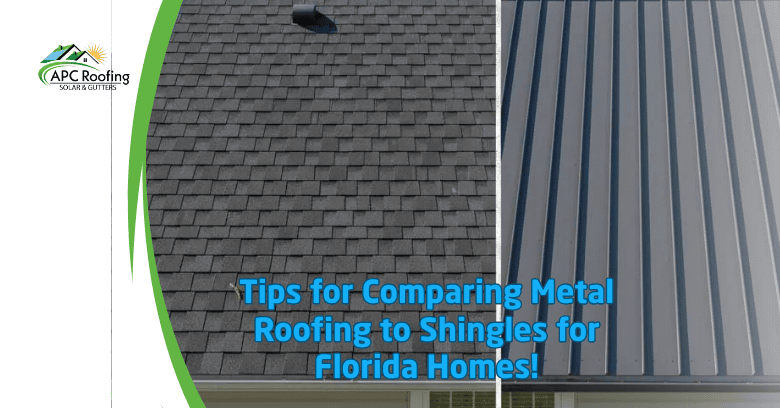
A three-tab shingle is one thin layer with two slots cut into its lower half, so the surface shows neat uniform lines. An architectural shingle has an irregular top ply fused to a whole base, and the covering appears textured and shadowed.
The double-ply build adds material and weight, and a stronger wind class is commonly assigned. Nails on a dimensional shingle go through the zone where the plies meet, and the manufacturer's markings set the target.
A Place for the Plain Option – Practical Niches
Little outbuildings and back porches are typical spots for three-tab, while a repair on an older house of that type stays uniform. Several makers now offer that style in fewer colors than before, and discontinued hues cannot be ordered at all.
An architectural surface conceals small humps in an aging deck, while a thin strip follows every undulation. The two styles share the same underlayment and edge metal, while everything that differs is on top.
Loose Grit: Clues at Ground Level
Excess grains from the factory rinse off in the opening rains, and that is no cause for concern. When an older covering sends piles of grit down the spouts, its mineral shield is wearing thin, and exposed asphalt turns brittle and splits.
South- and west-facing planes bake the longest each afternoon, so bald patches tend to appear there sooner.
Sealant Lines: Resisting Uplift
Glue is applied to every shingle at the plant as a narrow stripe, and warm days melt it just enough to anchor the next row. Adhesion keeps air from getting under the exposed edge of each course, while the nails keep doing their share for decades.
On a chilly job at the colder end of our territory, sealant may sit inactive until spring, and strong wind may raise tabs in the meantime. Manufacturers' instructions call for dabs of roofing cement in that situation, and a drawing on each wrapper gives the amount and location.
Securing Each Course – Why Accuracy Counts
Roofing nails go into a narrow band marked by the manufacturer, and from there the shank reaches the top of the underlying row too. Most shingles take four fasteners apiece, while a bundle wrapper asks for six on very steep or wind-exposed jobs.
A nail set too high misses the row underneath, excess air pressure buries the head in the mat, and a skewed shank tents the shingle on top. The wind resistance stated on the package depends on the specified pattern, while a bad compressor setting repeats itself on every shot.
The Wood Below – Before New Courses Go On
A deck of plywood or OSB lies beneath every shingle, since fasteners must bite into something continuous. Many older homes still have spaced boards left from a wood-shake era, so a layer of sheathing comes before shingles.
A tear-off exposes spongy or rotten areas, which are removed and replaced, since decayed material lets go of whatever is driven into it. Panels go down with a narrow space along each joint, as boards butted tightly lift into ridges when they absorb moisture.
The Middle Layer: Felt or Synthetic
A water-shedding membrane covers the deck ahead of the shingles, and its runs are lapped so water flows over each joint. Felt paper has mostly given way to synthetic underlayment, as the newer option is lighter, stronger and less prone to wrinkling.
Water blown under a lifted tab runs down the membrane to the gutter, yet the maker limits how long it may be left uncovered.
Self-Adhered Eave Membrane – Around Every Shank
At the colder end of our territory, a heated attic thaws rooftop snow, and meltwater hardens again once it reaches the cold rim. Pooled water behind the obstruction travels uphill under the courses, and standard felt or synthetic sheet does not close around the nails.
Where cold winters bring ice dams, a sticky rubberized barrier is applied at the eaves, and it runs past the interior face of the outside wall. Throughout our service area, valleys and chimneys commonly receive it as well, as water collects and lingers there.
The Outer Rim: Under and Over
A bent metal drip edge runs along the eaves and up the rakes, and water sheds into the gutter instead of onto wood. On the lowest margin the underlayment laps over the flashing, whereas up the gable the sequence runs backward.
Edge metal around the whole perimeter is a code requirement in many towns, and without it water curls back under the shingles and soaks the deck.
Beginning at the Gutter: A Common Shortcut
A purpose-made starter strip lines the bottom of every slope, and it places sealant right at the drip line. A reversed field piece puts its sticky band too far up, and nails alone then keep the lowest tabs from lifting.
The sloped gable edges frequently get starter strips too, because gusts pry at a roof's perimeter.
The Low Seams – Methods Compared
Open valleys expose a painted or galvanized liner along the fold, while the closed-cut type runs shingles from one side across and trims the other side along a chalk line. Weaving is a long-standing technique for thin, flexible tab shingles, though dimensional shingles rarely take to it because of their bulk.
The middle of the trough is kept free of fasteners, and an adhered membrane lies underneath the whole length. Collected leaves and twigs slow the flow and keep the surface wet, so runoff may be forced beneath the cut side.
Brick and Framing Edges – Chimney Aprons
A separate step flashing is tucked under each course where the covering meets a wall, while the exterior finish overlaps the upright flange. A kickout diverter belongs where the lowest course runs into the face of the house, and without one rain runs inside and rots the sheathing.
Around a chimney, step pieces line the sides, an apron covers the front and counterflashing is set into the masonry, and a broad stack calls for a saddle upslope.
Plumbing Protrusions: Aging Components
Every pipe boot pairs a flat base of metal or plastic with a snug neoprene collar, and the sealing ring stiffens and cracks as it weathers. The flange slips under the courses higher up, so the lower edge sheds onto the shingles beneath.
Neoprene collars regularly fail well before the field shingles do, and new boots are standard whenever the shingles are replaced.
Where Slopes Crest – Fastener Length
Cap shingles straddle the ridge and run down every hip, and laminated work calls for the maker's coordinated accessory. Pieces cut from strip shingles are much thinner, and at the colder end of our territory a freeze can open splits along the bend.
A ridge vent often runs beneath the cap row, so longer fasteners go through it to anchor in the decking.
The Space Under the Deck: Balance
Soffit vents are where outdoor air is supposed to enter, and it should leave high along the ridge. Blown fill crowding the corners can cut off movement, so baffles are installed to keep a clear gap.
An attic with poor airflow runs hot under the decking, and it also holds moisture rising from the house. At the colder end of our territory, frost gathers on exposed nail points on a freezing night, and the melt drips down when the sun comes out. Adding a fan to an attic that already has a ridge vent can reverse the intended path, and the soffits stop doing their job.
Across Our Range – Humidity and Wind
The metros we serve run from freezing uplands to steamy lowlands, so a shingle ages in its own way depending on the setting. At the coastal end of our territory, hurricanes bring spells of fierce wind, and product sheets set out an enhanced nailing method. Months of intense sunshine slowly bake the binder, while muggy weather encourages dark streaks.
At the colder end of our territory, each overnight freeze works on any opening, while deep snow loads the deck for weeks.
Ice From the Sky – Marks on the Surface
At the colder end of our territory, hail comes through often enough to plan around, and manufacturers offer lines built to resist it. A single stone can leave a dark circle where the granules came off, while a sharp jolt can split the mat itself.
Manufacturers earn an impact rating by dropping steel balls onto test panels, and the stronger lines come through in better shape. Rubber-modified asphalt is common in these designs, so the material bends where an ordinary mix would crack.
Wind on Asphalt – Replace or Reseal
Suction pulls hardest along the eaves, the rakes and the corners of a roof, and a shingle whose seal has let go starts to flap. Once a tab is doubled back, a crease forms where it bent, and the mat never regains its strength along that line. Shingles harmed that way come out and new ones go in, but one that lifted cleanly can be stuck back down.
Gaps where tabs tore away expose the membrane to sunlight, and ultraviolet light breaks that layer down quickly.
Growth on the Surface – Cleaning Without Harm
Blackish discoloration in long vertical bands is algae, and it thrives on the limestone mixed into the asphalt. At the humid end of our territory, shaded north-facing roof planes grow it fastest, and the film alone rarely shortens the life of the covering.
Moss is a different matter, since it holds water against the surface, and as clumps thicken they wedge the tabs upward. A pressure washer blasts granules off along with the growth, so a gentle rinse with a cleaner made for roofing is the safer route. Many makers offer algae-resistant lines with copper in the coating, and zinc bands near the top release traces that discourage regrowth.
What the Color Changes: Looks and Lots
Dark shingles soak up more sunlight and run hotter, while a light gray or tan stays cooler. A few lines carry special granules that keep even a mid-tone from getting as hot, and their performance is published as a reflectance value.
Stock can vary from one production lot to another, so instructions call for pulling from several bundles as the work goes. Multicolored designs keep slight differences from showing, while a uniform finish lets them stand out.
Going Up Top: Care Underfoot
Midday sun softens the surface noticeably, and a twisting heel tears the mineral layer. At the colder end of our territory, cold tabs grow brittle and crack when stepped on, while frost at dawn makes the footing treacherous.
The ground is the right place for anyone without roofing gear, since binoculars reveal nearly everything worth seeing.
A Second Layer: The Deck Question
Building rules in many places allow a new roof on top of an existing one, as long as there are not already two and the base is sound. The current shingles stay on top of the decking throughout the job, so a spongy section just stays put.
Curled edges underneath leave a lumpy look on top, while aging flashing frequently stays put. Two layers put more pounds on the rafters than they were planned to hold, and the nails have to be long enough to pass through both into the deck.
Things That Turn Up – Worth a Closer Look
- Mineral grains build up in the gutter troughs, and the amount keeps growing year after year.
- Some tabs flap loose or are gone altogether, and wind has pried the adhesive apart.
- Corners turn up like an old leaf, as years of sun shrink the top.
- Fractures cross the exposed face, and rain then finds a path to the mat.
- Shiny black spots stand out against the color around them, because the granules there are gone.
- A flue or vent collar has turned brittle and torn, so water works its way indoors.
- The metal where a slope meets siding sits bent or pulled back, so every storm can find a weak point.
- Paint bubbles on a top-floor ceiling, though the entry is often some distance off.
How APC Roofing Takes On Shingle Roof Installation in Ozarks Region Missouri: Our Method
An inspection first covers every slope on foot, and the details at every valley, vent, flashing and edge are read. The attic is checked from inside for stains and light coming through, since discolored sheathing shows where water has traveled.
Trouble of any kind is photographed, with measurements taken of the extent. Everything found is set down in writing, and every recommendation comes with its reasons. A small fix is described as small, and a tired covering is spoken of honestly. The final say rests with the owner, and waiting is one of the options.
Shingle Roof Installation Across Ozarks Region Missouri: Findings in Plain Words
Reach us at 913-398-5020 and describe what you are seeing.
Small Fixes and Full Jobs – Reading the Signs
Changing a boot, resealing a flashing or swapping a few torn tabs is everyday repair work, and the sound shingles nearby stay in service. A replacement piece looks brighter than the aged ones around it, and the tone that went on years ago may be out of production.
A sun-dried tab breaks as soon as it is pried back, so the pieces beside the work may need to come out too. Once wear like that reaches across the covering, a full tear-off is the honest recommendation.
Useful Lifetime – Estimates, Not Promises
Strip products tend to give fifteen to twenty years, while laminated lines often reach close to thirty. Heat, ventilation and fastening all push the number up or down, and a single violent storm may finish a covering off early.
Boots, flashings and sealed joints are worth checking every few years, since a crack caught in time stays a small job.
If you are thinking about Shingle Roof Installation in Ozarks Region Missouri, phone APC Roofing at 913-398-5020. Each slope is walked and every detail checked, and the written findings let you decide.