Planning Shingle Roof Installation Across Lee's Summit Missouri?
APC Roofing lays new courses of strip and laminated products for homes of every age and size.
Phone 913-398-5020 and a visit will show what condition everything is in.
Components and Construction – a Closer View
Strength in a shingle comes from a glass-fiber mat, while the asphalt in the sheet makes it waterproof, and a dense layer of crushed rock granules takes the glare.
Products that seem alike from the driveway can vary a good deal underneath, and more heft commonly lets a covering weather more summers. A swatch offers the look and nothing more, but a specification sheet names the ratings.
Strip Versus Laminated: The Practical Contrast
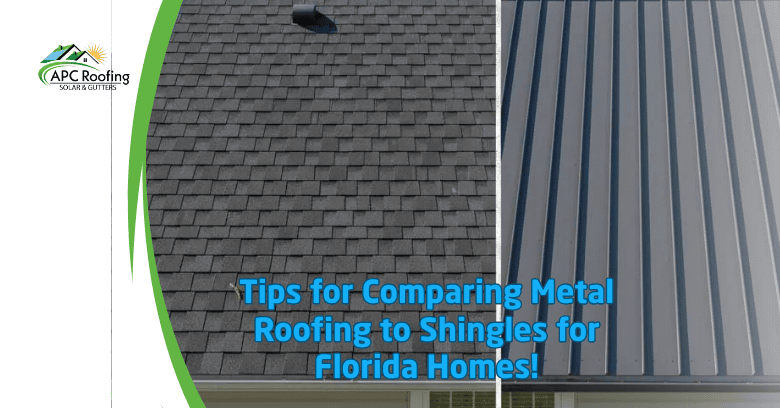
A three-tab piece has one layer and two notches that divide its face into tabs, so the overall look is orderly. Architectural shingles are built as a base with a second, trimmed ply fused on top, so the uneven profile casts shadows.
Thicker double-layer shingles weigh more across a slope, and the rated wind resistance usually rises too. Fasteners on an architectural shingle must catch the overlap of both plies, and a wrapper diagram shows the exact position.
Strip Products in Use – Narrower Choices
A detached garage, a shed or a porch often suits three-tab well, and new work can blend with existing courses of that kind. Makers have pared back their tabbed lines, and some shades are no longer produced.
Textured shingles mask slight waves in the boards beneath, whereas a single-ply strip telegraphs each bump. Either style goes over the same underlayment and flashings, and only the visible layer differs.
Loose Grit: Clues at Ground Level
Excess grains from the factory rinse off in the opening rains, and nothing about it signals a defect. On a covering with many years behind it, drifts of granules at the outlets mean real surface wear, and the unprotected asphalt soon cracks and curls.
South- and west-facing planes bake the longest each afternoon, so the damage is usually heaviest on them.
The Factory Sealant Band: Limits in Cold Months
Every shingle arrives with a sticky asphalt stripe, and warm days melt it just enough to anchor the next row. An adhered course resists gusts that try to pry up its lower edge, but nails remain the main fastening for the life of the covering.
At the colder end of our territory, shingles laid in late fall may not seal for weeks, and a stiff wind can raise a loose tab before then. Manufacturers' instructions call for dabs of roofing cement in that situation, and each package shows how much to use and where.
Holding Pieces Down – Frequent Errors
Nails are driven within a slim band set out by the manufacturer, where each shank pins the row below as well. A standard shingle gets four fasteners, while a bundle wrapper asks for six on very steep or wind-exposed jobs.
A high nail catches only a single layer, a head pounded too far breaks the mat, and a skewed shank tents the shingle on top. A listed wind class is valid only for the pattern the manufacturer specifies, and a pneumatic tool set wrong makes the same mistake again and again.
The Structural Base – Older Houses
A deck of plywood or OSB lies beneath every shingle, since shanks need continuous solid material to stay put. Some older homes have spaced planks installed originally for cedar shakes, and new sheathing bridges them before any shingles.
A tear-off exposes spongy or rotten areas, which are removed and replaced, since a nail in punky fibers pulls loose. A little clearance is kept at every panel seam, because swelling in damp seasons buckles anything laid too tight.
The Secondary Layer: Felt or Synthetic
The deck gets a water-resistant membrane before shingles are laid, and its runs are lapped so water flows over each joint. Most roofers now use synthetic sheet instead of felt, as the newer option is lighter, stronger and less prone to wrinkling.
A membrane catches wind-driven rain that slips under the shingles, yet the maker limits how long it may be left uncovered.
Peel-and-Stick Protection – Around Every Shank
At the colder end of our territory, a heated attic thaws rooftop snow, and the meltwater refreezes at the unheated lower margin. Held back up the slope, water works its way under the tabs, and nails through ordinary underlayment give it an easy path.
A self-sealing ice barrier goes down along the bottom of each slope where winters freeze, and it runs past the interior face of the outside wall. Throughout our service area, valleys and chimneys commonly receive it as well, since flow concentrates in such places.
Perimeter Flashing: Under and Over
Every eave and rake gets a formed strip of metal, and a flange throws runoff away from the fascia. Down low, the flashing is installed before the underlayment, but on the gable sides the order reverses.
Codes across much of the country list edge metal as required on every perimeter of the covering, because runoff can cling and curl back toward the wood.
Base Row Details – No Substitutes
The first exposed course rests on a dedicated starter strip, so sealant lands exactly where the covering stops. A field piece set backward carries its adhesive uphill, out of reach, so nothing but nails holds the lowest border down.
Makers often specify a starter product up the gable sides too, because wind catches the outer margins along with the eaves.
Junctions of Adjoining Planes – Keeping Nails Clear
An open valley leaves a metal trough visible in the middle, while the closed-cut type runs shingles from one side across and trims the other side along a chalk line. Weaving rows from both planes together suits single-layer tab products, while makers generally advise against it for architectural shingles.
Nailing close to the fold is avoided, and a waterproof underlayment is laid beneath along the full run. A mat of leaves lodged in a valley traps water and grime, and diverted water can work under the neighboring courses.
Brick and Framing Edges: Water Shedding Order
A separate step flashing is tucked under each course where the covering meets a wall, while the exterior finish overlaps the upright flange. At the low corner by the house, a kickout piece bends outward, and skipping it sends water into the studs.
Around a chimney, step pieces line the sides, an apron covers the front and counterflashing is set into the masonry, and a large stack gets a saddle that sheds water both ways.
Holes for Plumbing – Upkeep Notes
A pipe boot combines a flat metal or plastic base with a rubber collar around the pipe, and years of sun leave the seal brittle and split. Courses above lap over the flange's top edge, and the bottom margin stays exposed so rain rides over it.
Rubber collars commonly split long before the field gives out, so new boots come with every new covering.
The Topmost Seams – Vents Beneath
Cap shingles straddle the ridge and run down every hip, and on a laminated covering the manufacturer supplies a thicker matching version. Homemade substitutes trimmed from three-tab carry less material, and at the colder end of our territory a freeze can open splits along the bend.
The caps often conceal a vent along the peak, and nail length is chosen to pass that gap and grip the boards.
Circulation Upstairs – Blocked Paths
Fresh air is meant to enter low through soffit vents, while an exhaust at the peak lets it escape. Loose-fill insulation piled into the corners can smother the flow, and baffles stapled between rafters maintain a clear lane.
A poorly vented attic turns into an oven under the deck, and moisture from the living areas lingers up there. On frigid nights at the colder end of our territory, condensation freezes on the nail tips, and the water runs down as the day goes on. Combining different exhaust types can make one vent pull air in through another, which leaves the eaves without movement.
Regional Demands – Storms and Algae
Our markets take in mountain snow in one place and tropical heat in another, so the forces working on a shingle change from city to city. At the coastal end of our territory, the large storm systems blow for hours, and makers publish a tougher fastening pattern for that exposure. Long seasons of strong sun dry out the oils in the coating, while damp air in the humid markets feeds algae.
At the colder end of our territory, repeated freezing opens small splits further, while deep snow loads the deck for weeks.
Pelting From Above: Surface and Below
At the colder end of our territory, hail arrives most years with the thunderstorms, and several makers build shingles meant to take the hits. Where a stone lands, the granules break away in a round mark, while a sharp jolt can split the mat itself.
Impact ratings come from a laboratory test that drops steel balls on the shingle, and a tougher product shows less damage afterward. Some companies add rubber polymers to the asphalt, and that mix stays flexible in the cold.
Blowing Weather: Folded Tabs
The border of a roof and its corners see the greatest upward force, so a piece with a failed bond begins to lift and drop. Once a tab is doubled back, a crease forms where it bent, and the damage leaves it permanently weakened. Shingles harmed that way come out and new ones go in, while one that only lost its seal can be cemented back down.
A missing tab leaves bare underlayment facing the sky, and it was never made to stand up to daylight.
Streaks and Moss: Slowing the Return
Blackish discoloration in long vertical bands is algae, and it feeds on limestone filler in the shingle. Growth spreads quickest on shady faces at the humid end of our territory, and the stain itself is mostly a cosmetic problem.
Moss matters more, since it keeps the courses damp, and it works under the edges and raises them. A pressure washer blasts granules off along with the growth, while a soft rinse with a roof-safe cleaner does the job without damage. Shingles sold as algae-resistant carry copper in their top layer, while rain running over a zinc band near the ridge holds the stain back.
Picking a Hue – Matching Bundles
Darker shingles get noticeably hotter under a midday sun, while light ones reflect much of the light skyward. Certain companies make granules designed to scatter infrared rays, and a tested reflectance figure goes with them.
Stock can vary from one production lot to another, so maker directions say to draw from more than one bundle at a time. Multicolored designs keep slight differences from showing, whereas single-shade shingles make them easier to spot.
Climbing Onto the Courses: A Safer View
On a hot afternoon the coating turns soft, so treads rub the stone off in patches. At the colder end of our territory, a course stiff with cold can break under weight, while frost at dawn makes the footing treacherous.
Staying down below is wiser for a homeowner, since a zoom lens on a phone catches a lot.
Shingles Over Shingles: What Gets Missed
Many jurisdictions let a new roof go directly onto an earlier roof, provided there is only one and nothing beneath is rotted. The current shingles stay on top of the decking throughout the job, so a spongy section just stays put.
Humps and hollows in the courses below show through, and flashing past its prime is usually kept. A doubled covering rests on structure never meant for that weight, while the fasteners need more length to bite into the boards.
Things to Watch For: A Short List
- Dark sand gathers where the spouts empty, and the heaps come back after each cleaning.
- Pieces are missing and bare underlayment peeks through, which means the seal has let go.
- The lower margins cup into a shallow dish, and the asphalt is drying out.
- Straight breaks run through a few pieces, and the layer below begins to soak up water.
- Shiny black spots stand out against the color around them, and the asphalt now bakes in the sun.
- A rubber collar around a vent pipe has split, so moisture can track down inside.
- A strip of flashing at a dormer is rattling free, so a downpour can run in underneath.
- A stain spreads across the ceiling of an upstairs room, even though the leak may start far from the spot.
How APC Roofing Approaches Shingle Roof Installation in Lee's Summit Missouri – Plain and Careful
An inspection begins with a walk across each slope, with a close look at the valleys, vents, flashings and edges. Inside the house, the attic is searched for stains and daylight, since the underside of the deck keeps the marks of any old leak.
Every fault is photographed, with measurements taken of the extent. The findings are written up in plain language, and each suggestion is explained. Small faults are labeled as small, and a failing covering is not dressed up. The final say rests with the owner, be it a repair, a replacement or no work yet.
Shingle Roof Installation Around Lee's Summit Missouri – Inspected, Photographed and Explained
Call us at 913-398-5020 and describe what you are seeing.
Mending or Starting Over – Reading the Signs
A failed vent collar, a lifted flashing or several damaged tabs calls for ordinary repair, and the rest of the shingles stay where they are. New pieces will not match weathered ones exactly, and the tone that went on years ago may be out of production.
Stiff, dried-out shingles split when raised for nailing, so a small job can spread to the pieces next to it. When shedding and fractures appear on every face, a new covering is the sensible answer.
Useful Lifetime – Estimates, Not Promises
Three-tab work generally holds up for fifteen to twenty years, and laminated types frequently see nearly thirty. The ranges shift with attic ventilation, climate and installation care, while a hard storm can override every estimate.
Seals around pipes and walls benefit from a periodic check, because small faults caught in time never reach the deck.
If you are thinking about Shingle Roof Installation in Lee's Summit Missouri, phone APC Roofing at 913-398-5020. Someone will walk every slope and look over the details, and the findings reach you in writing so the decision stays yours.
Verified

Verified
Verified
Verified
Verified