
You cleaned out the gutters and found them half full of something that looks like coarse black sand. Or you noticed dark streaks spreading down the north side of the roof. Your home has asphalt shingle roofing in the Missouri Ozarks, like most homes around here, and now you’re wondering whether what you’re seeing is normal wear or a sign the roof is in trouble.
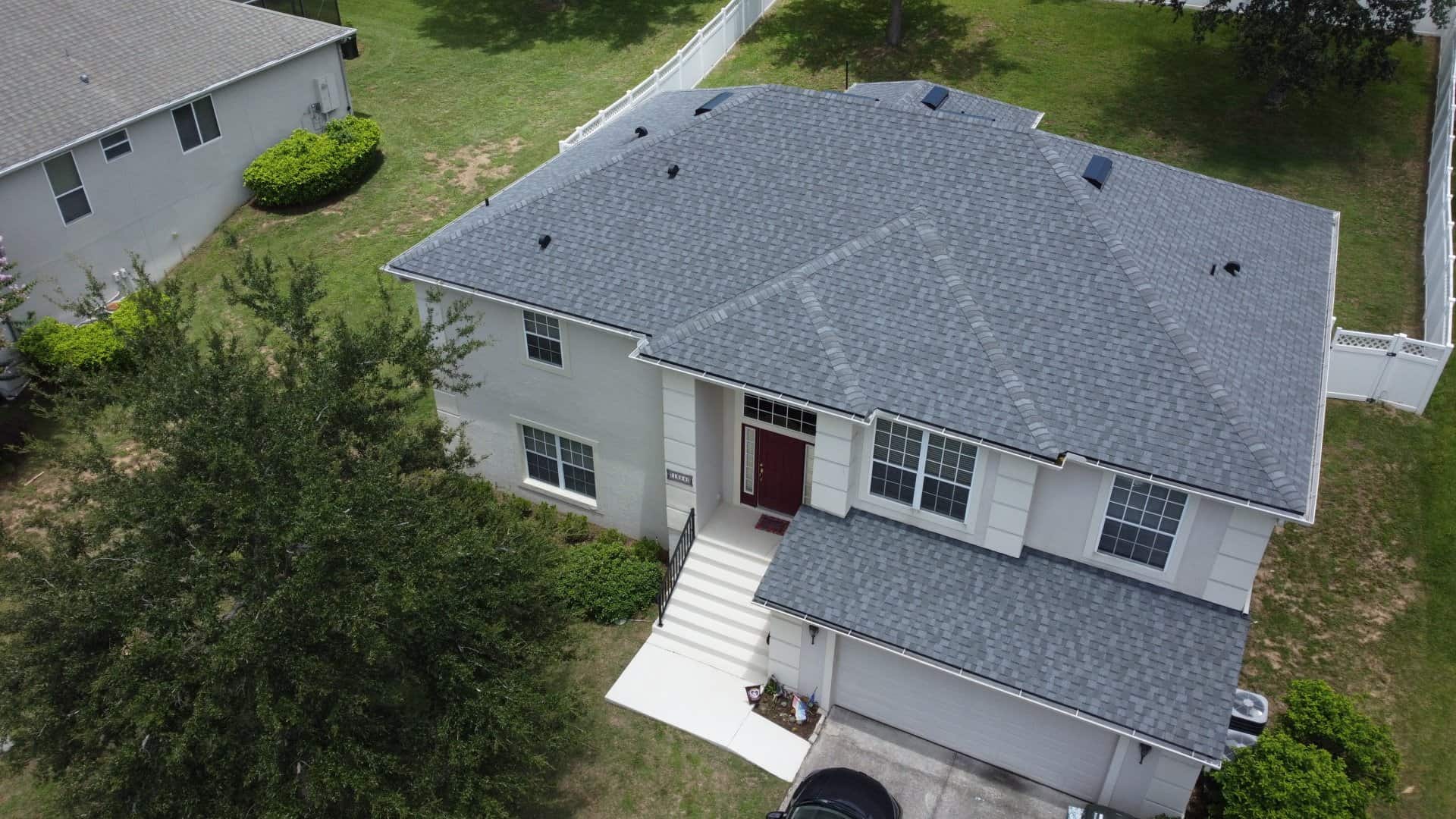
It’s hard to judge a roof from the ground, and harder still when every answer seems to come with a sales pitch. You deserve to understand what your shingles are made of and how they age, so you can tell the difference between a cosmetic issue and a real problem.
APC Roofing has an office in Springfield and has been in business since 2017. We’re a GAF Certified contractor, licensed and insured, and your inspection is free. Call 913-398-5020 if you’d like someone to take a look.
What an asphalt shingle is made of
A modern asphalt shingle starts with a fiberglass mat. That mat is soaked and coated in asphalt, which makes it waterproof, and the top is covered in ceramic-coated mineral granules. On the back, a strip of sealant bonds each shingle to the one below once the sun warms it.
Each part has a job. The asphalt keeps water out. The granules shield the asphalt from sunlight, which would otherwise dry it out and crack it, and they give the roof its color. The sealant strip keeps wind from lifting the edges. When one part fails, the others wear faster.
Why asphalt shingle roofs are so common in Missouri
Asphalt shingles are affordable compared with most other roofing, they come in a huge range of colors and styles, and almost any roofer can repair them. They also handle a wide range of weather reasonably well, which suits a place that sees ice storms in January and humid heat in July.
The trade-off is that they’re more vulnerable to hail than metal, and they don’t last as long as some other materials. For many Ozarks homeowners, that’s still the right balance.
How the weather wears down asphalt shingle roofing in the Missouri Ozarks
Granule loss
Some granule loss is normal, especially in the first year or two and as a roof gets old. A sudden increase after a storm usually means hail knocked them loose. Once the asphalt underneath is exposed, sunlight breaks it down quickly, so bare spots age faster than the rest of the roof.
Hail bruising
Hail can crush the mat beneath the surface without leaving a hole. The spot feels soft, the granules around it are missing, and the shingle may crack there months later. That’s why damage after a hailstorm is often missed from the ground.
Wind and the seal strip
Spring and summer storms bring straight-line winds that try to lift shingle edges. A well-sealed shingle resists that. One that never sealed properly, or whose seal has aged out, can flip up and crease, and then it’s only a matter of time before it tears off. Shingles installed in cold weather may not seal until warmer days arrive, which is why roofers sometimes hand-seal them in winter.
Heat, algae and moss
Hot, humid summers slowly dry out the asphalt. On shaded slopes under oaks and hickories, the moisture also feeds algae, which shows up as dark streaks, and moss, which holds water against the shingles. Many newer shingles use algae-resistant granules that slow the streaking.
Asphalt vs. metal for an Ozarks home
Metal handles hail and wind well and lasts a long time, but it costs more up front and changes the look of the house. Asphalt costs less, is easier to repair and comes in more styles, especially the architectural shingles most homeowners choose today. Impact-resistant asphalt shingles narrow the hail gap, and some insurers give a discount for them, so ask your agent. The right choice depends on your budget, your house and how long you plan to stay.
Signs your asphalt roof needs attention
- Heavy granules in the gutters or at the bottom of downspouts
- Shingles curling at the edges or cupping in the middle
- Cracked, creased or missing shingles after a storm
- Bare, dark patches where the mat shows through
- Water stains on ceilings or in the attic
A few of these on one slope usually point to a repair. Our page on shingle roof repair in the Ozarks explains what that involves. When they show up across the whole roof, it’s time to talk about replacement, and our shingle roofing in the Ozarks page lays out your options.
One more tip: never pressure wash asphalt shingles. It strips the granules off and shortens the roof’s life.
If hail or wind caused the damage
You file your own insurance claim and pay your own deductible. We inspect the roof, document the damage with photos, write the estimate and work with your adjuster. Be wary of anyone who offers to waive or cover your deductible.
How it works
- Book your free inspection. Call 913-398-5020 or request your estimate online.
- Get a clear, honest assessment and estimate. You’ll see photos and get a straight answer on whether your asphalt roof needs a repair, a replacement or nothing at all. Financing is available through Aqua Finance, Fortifi, Hearth and Home Run Finance.
- Your roof gets done and the site gets cleaned up. Many residential projects are finished in a single day.
Asphalt shingle questions
Is some granule loss normal?
Yes, a little is normal, especially on a new roof or an old one. A sudden increase, or bare spots, deserves an inspection.
Are black streaks on my roof a problem?
Usually they’re algae, and mostly cosmetic. Moss is different, because it holds moisture and can lift shingles. Either way, skip the pressure washer.
Can asphalt shingles be installed in winter?
Yes, with care. The seal strips need warmth to bond, so winter installs may need hand-sealing or extra attention once the weather warms.
A roof you understand
Call 913-398-5020 or book your free inspection online. Knowing what your shingles are telling you means fewer surprises, a dry house, no unexpected bill and confidence in whatever you decide next.


















