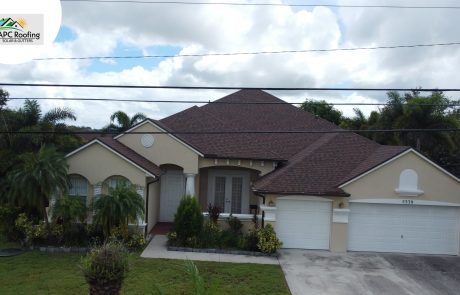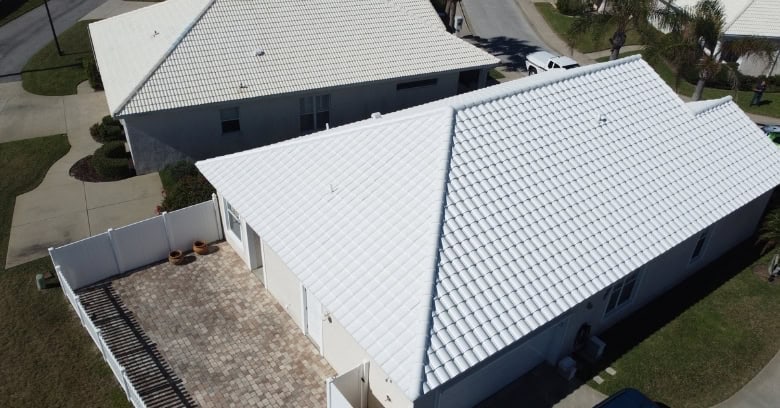
Looking for Roofing Services in Republic Missouri?
APC Roofing takes on anything from a checkup to a full replacement, across shingle, metal and tile coverings.
Call 913-398-5020, and a roofer schedules a visit to look at the house.
What Keeps a Roof Working: a Plain Guide
The topmost material is nothing more than the outer layer, and underlayment, decking and rafters sit beneath the surface. Strips of flashing cover the gap at a chimney, a pipe or a valley, and a drip there rarely points to worn shingles on the slope.
Airflow through the attic belongs to the roof system as much as any material, since trapped summer heat bakes the deck from underneath. A leak noticed inside can begin at any level of the roof, and a fix aimed only at the outer surface can leave the real source untouched.
Everyday Work of a Roof: Quiet but Constant
A sloped covering sheds every storm's water downhill, while the fastening pattern stands up to uplift. What lies below carries the weight of everything on top, snow included at the colder end of our territory, while vents give damp attic air a way out.
Shedding water is the covering's task, and resisting wind is the fastening's job, and holding the whole thing up falls to what is underneath. A weak link puts strain on the parts around the weak spot, so the cause gets traced instead of the symptom being patched.
The Smaller Details Up Top: What Falls Behind First
Most of the slope is designed to hold up for decades, but the flexible seal around a stack splits well before the shingles do. Water works past that spot and follows the framing down, and a ring shows up on the drywall beneath.
Caulk along a wall joint hardens and pulls away in the heat, and aluminum flashing pits at the bends in salt air. Cap shingles break along the seam, as nothing shelters the peak from gusts and glare.
A Walk Around the Property Beforehand: What Turns Up at Each Point
From the yard, the shape of the roof reveals dips, sags and wavy planes, and the gutters and trim can be checked in the same glance. A pair of binoculars brings collars, lifted tabs and bare patches into focus, though some faults cannot be judged without climbing onto the roof.
Crouched at each pipe, a roofer feels for gaps and traces the flashing along every wall, and the field is read for brittleness, granule shedding and loose edges. A slippery or steep slope rules out walking, and the eave, reached by ladder, provides the vantage point instead.
Behind the Ceiling: Signs Worth Finding
Discolored wood around a fastener points to water that beat the covering, and a clammy touch means the problem is ongoing. Daylight visible between the boards marks an opening, and the distance from the ridge and gable gets measured so the spot can be found outside.
Rusted nail tips point to condensation, not a leak, and a matted, gray patch backs up the same story. Fill pushed into the eave opening, or a fan duct ending in the attic, turns up only from inside, so a check from the ground alone leaves that kind of fault hidden.
A Homeowner's Take-Away: Kept for Reference
What turns up gets documented with photographs matched to locations on the roof, and a note explains what each picture shows. Sound parts get listed as plainly as anything that requires work, and faults are ordered from most to least pressing.
A record saved from an earlier check sets a baseline for the next inspection, and a pattern over time tells more than a single day ever could. Regular yearly checks keep an owner from being caught off guard, and a serious repair shows warning signs long before the work turns urgent.
Upkeep on a Shingle Roof: a Short Rundown
Worn pipe gaskets get swapped out before failure, and brittle beads at the walls get cut out and run again. Branches and leaf litter come off the low points and the chimney back side, and downspouts get flushed so water moves through.
A raised corner glued down in time stays a simple repair, but a season of neglect can end in a ceiling mark. Moss on a shaded slope traps moisture under the courses, and the growth gets killed with a treatment and swept off by hand.
A Simple Habit Worth Building: What to Expect
An experienced roofer should read the covering once every year, timed for right after the season that is hardest on roofs locally. The goal is seeing deterioration ahead of any drip, and the family hears plainly where the roof stands.
Between checks, a glance from the lawn after a storm is useful, and top-floor rooms are worth checking for fresh stains. Looking around the attic with a flashlight now and then makes sense: damp wood, daylight and wet insulation are easy to see long before anything reaches the space below.
Reading a Roof's Age: What the Years Bring
A young shingle covering lies flat with an even tone, and approaching midlife the sunniest side fades before the rest. At the very end, tabs turn brittle and crack, and mending one area seems to open another.
An impression formed from outside has real value, but a walk on the roof is what confirms the condition. A covering that has reached the end of a normal service life raises a replacement question, and a trustworthy contractor gives a plain answer, rather than selling more mending.
A Channel That Has Given Up: A Quick Look
Shingles hand off rainfall at the drip edge and no farther, and a gutter takes the water the rest of the way. A run choked with leaves sends overflow behind the trim board, and the framing at that spot decays.
A give in that spot points more often to a backup than a shingle problem, and new shingles will not cure a fault of that kind. Gutter pitch and downspout discharge get checked on a visit, and the drip-edge metal gets looked over for reach past the fascia.
How the Roof Breathes: An Overview
Cooler air should enter through the soffit and rise out at the ridge, and that path carries heat and moisture out of the attic. Where the opening gets sealed off, the attic runs hot in summer and stays sticky through humid stretches, and the covering wears out early.
A roof opening installed with no matching intake draws air from the living space below, and one high point pulling toward a nearby high point can choke flow at the soffits. Fresh shingles laid over stale, trapped heat age nearly as fast as the old ones did, so the underlying cause gets addressed in the plan for the new roof.
One Company, Many Conditions: Set by What's Nearby
At the colder end of our territory, ice at the eaves and the weight of snow shape the build, and a waterproof membrane covers the bottom few feet of deck. At the coast, uplift decides the fastening pattern, and storm-rated trim metal and taped seams get called for.
Where big hail is common at the colder end of our region, a harder surface earns consideration, while ultraviolet light ages granules in every market we serve. What goes on a given roof depends on local conditions, not custom or what happened to be on the truck.
Residential and Commercial Roofs: Split by Structure Type
A sloped covering sheds rain by lap, laid in asphalt, tile or metal. Most commercial buildings use a single-ply or built-up membrane, and scuppers and equipment penetrate that same surface.
A fair number of homes have a shallow strip over a porch, and shingles in that spot often leak because runoff moves too slowly. A spot like that needs a welded or adhered membrane, laced under the pitched covering above, and re-shingling that spot only repeats the trouble.
Temporary Covers After Damage: What Holds Up
A sheet shields a gap for a little while, but the underlying trouble waits for a crew. A good cover goes up and over the peak and gets fastened with wood strips, and the fabric gets stretched so no loose fold can catch the wind.
A sheet cut too small leaves the edges of the opening exposed, because rain slips in around a snug fit. Material left on for a long stretch keeps the roof from drying out, and the covering underneath ages faster than expected.
The Tie-In at a Chimney or Upright Surface: Getting the Work Right
Every course against a wall gets a dedicated step-flashing piece, and trim set higher up sheds water past that metal. On a brick chimney, an apron handles the lower edge and metal runs up each edge, and a broad stack gets a diverter built into the roof behind.
Tar smeared over a gap gives way as the metal moves, and only a correct rebuild ends things for good. Soft mortar lets water into the brick above the flashing, and some leaks like that need a mason as well as a roofer.
What a Proposal Should Say: a Careful Look Before the Ink Dries
The rundown for a job should list every product by name, and the document says whether the existing roof gets stripped to the deck. A solid outline sets a rule for any soft sheathing found mid-job, and new metal, vents and the cleanup work appear as separate items.
Offers from different contractors can be weighed point for point, and what one write-up covers and another skips becomes obvious. A firm unwilling to resolve the plan in advance is telling an owner something, because nobody can confirm later what got said.
Replacing a Roof, Step by Step: What Happens
Beds, bushes and walkways get protected before demolition begins, and the existing layers get torn off into a dumpster. Once exposed, the sheathing gets a careful look for rot and breaks, and weak areas get cut out and replaced with sound lumber.
Underlayment, new metal and ice-and-water membrane go on across the open deck, and shingles or panels, capped at the ridge, complete the installation. A magnet pass covers the grass and pavement at the end, and nothing from the cleanup stays behind in the gutters.
Non-Shingle Roofing Care: Particular Needs
Exposed-fastener metal panels seal at a rubber gasket under every fastener, and a brittle washer gets replaced whole, never smeared with anything extra. Tile in our markets gets set by several methods, including mortar, foam adhesive and mechanical clips, and the underlayment does the actual waterproofing.
A careless step snaps a piece easily, and a spare of the same profile goes in where one fails. Where part of a roof runs nearly flat, ponding and split seams are the warning signs, and debris gets cleared from drains and scuppers.
Clues That Point to Trouble: a Checklist
- Grit gathering at the downspout outlets, from a covering that is no longer new.
- Corners turned up across a slope, noticeable from across the street.
- A hardened gasket at a stack, letting water run down into the attic.
- Paint blistering overhead after a storm, soft at the center.
- Pinholes of light in the sheathing, wherever nothing should show through.
- A carpet of moss along the eaves, holding moisture against the surface.
- A sag along the ridge line, new since the previous year.
- Gaps opening where flashing meets siding, often after a hot summer.
Roofing Services in Republic Missouri: How APC Roofing Works
Before anything gets proposed, a roofer looks over the whole covering and the attic, and the results come back as images plus a short written summary. Sound parts get named as plainly as parts that need work, and the homeowner sets the order of any work.
Roofing Services Across Republic Missouri: a Full Look, Not a Guess
Get in touch at 913-398-5020 to schedule a visit to the property.
An Archive for the Roof: A Short List
Tracking when the covering went on and what was used is worth the effort, and adding every inspection report to that folder grows the file. Tallying each repair, the location and the method, keeps things complete, and a decade on, the trend stands out clearly.
A buyer's home inspector almost always asks about the roof's history, and a folder of dated pages settles things quickly. A copy kept at a second location protects the earlier notes, in case the paper sheets go missing in a move.
A Neat Result, Up Close: Details to Check
Every row lines up, and the ends at the gables get trimmed evenly, and no fastener gets left exposed. The wall joints carry new flashing, tucked to match the way water runs, and no gob of roofing cement stands in for a missing piece.
Intake and exhaust vents stay open and unblocked, and the downspouts remain connected and unclogged. The yard gets swept with a magnet before the crew leaves, and sawdust near a cut line is the most common leftover once the work wraps up.
Anyone comparing options for Roofing Services in Republic Missouri can get a straight answer without more digging. Reaching out to APC Roofing at 913-398-5020 moves the scheduling forward. Every stop covers the full roof, top to bottom, with no loose ends left over.
Verified

Verified
Verified
Verified