
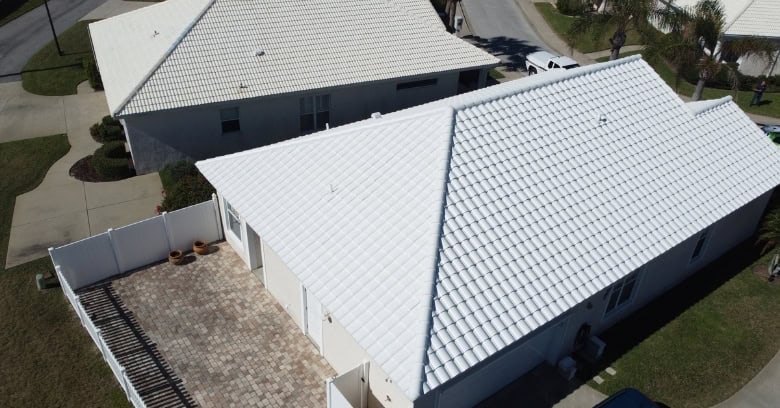
In Search of Roofing Services in Ocala Florida?
APC Roofing takes on anything from a checkup to a full replacement, across asphalt, metal and tile alike.
Call 407-270-1129, and a roofer sets a time to come look at the house.
The Roof's Working Parts: the Basics
What shows from the curb is just the outer layer, and underlayment, decking and structural framing sit out of view. Bent metal covers the gap at a chimney, a pipe or a valley, and a leak at that spot rarely points to failed shingles nearby.
Ventilation in the attic ranks as one more working part of the roof, because moisture trapped up there softens plywood and rusts nails overhead. A drip inside a bedroom can come from any level of the roof, so a repair aimed only at the surface can miss the real cause.
The Duties of a Roof: More Than Meets the Eye
The slope on the building sends runoff toward the gutters, and the nailing keeps gusts from lifting the courses. The framing bears the load above, snow included at the colder end of our territory, and intake and exhaust let the attic breathe.
Water is the covering's job, and wind is the fastening's task, and holding the whole thing up falls to what is underneath. A problem in one material reads as damage on a different part of the roof, and a lasting fix reaches back to where the fault began.
Small Components on a Roof: Not All Equal
The shingled field is built to last for decades, but a neoprene sleeve at a pipe fails well ahead of that span. Moisture gets behind the covering and moves toward the room, and a mark spreads across the ceiling beneath.
Sealant around a skylight loses hold after enough summers, and galvanized flashing corrodes at folds and nail holes. Shingles bent into caps split at the seam, because the highest point stands open to glare and gusts.
A Walk Around the Property Beforehand: Standing Back and Then Closer
At a distance, the outline of the roof gives away dips, sags and wavy planes, and the eave boards and downspouts can be sized up as well. Good binoculars show up torn collars, lifted tabs and bare patches, yet a few conditions still need a hand on the surface.
On the slope, a roofer works over every pipe connector and traces each flashing run, and every course is checked for edges that have come loose. A slippery or steep slope rules out walking, and the eave, reached by ladder, provides the vantage point instead.
The Underside of a Roof: Evidence to Look For
A tide line on a rafter shows where rain has entered, and dampness under the fingers shows the entry is still active. Light passing through the decking reveals a breach, and a tape measure fixes the distance from the peak and gable wall.
Rusted nail tips point to condensation, not a leak, and a matted, gray patch backs up the same story. Insulation stuffed into the eaves, or a bath fan ducted into the attic instead of outside, gets found only from inside, so a look from the yard alone misses ventilation faults of that kind.
What Comes Home With You: Kept for Reference
Each finding is recorded with a photograph tied to a place on the roof, and a short note describes what each image covers. Solid sections are treated in the same plain language as sections that are not, and problem areas are ranked by urgency.
A record saved from an earlier check sets a baseline for the next inspection, and change over time is easier to judge than condition on a single day. A roof checked on a steady yearly cycle seldom surprises the owner, and a serious repair shows warning signs long before the work turns urgent.
Routine Care for a Shingle Roof: What Gets Done
Stiffened collars at the plumbing vents get changed early, and brittle beads at the walls get cut out and run again. Pine straw and twigs get picked out of the valleys, and the gutters get kept running and secured.
A shingle corner resealed in good weather takes little effort, but waiting out a rainy stretch invites water in from beneath. Moss holds shingle edges up and traps water against the courses, and a gentle wash clears the growth, since a pressure washer strips granules.
A Regular Routine: What to Expect
An experienced roofer should read the covering once every year, scheduled once the harshest stretch of local weather has passed. Catching things early is the whole point of a regular check, and repair work gets planned rather than rushed.
Following a storm, a walk around the house with eyes on the roof is a good habit, and any new mark on an upstairs ceiling is worth noting. A flashlight trip into the attic twice a year pays off: soft wood, tiny bright spots and soggy insulation surface long before anything reaches the space below.
A Roof's Age, Read From the Yard: What Changes Over Time
Newer asphalt lies smooth and uniform in tone, and later in life the sun-exposed plane fades before the shaded side does. Near the end, corners curl and granules gather in the gutters, and mending one area seems to open another.
An impression formed from outside has real value, but the true condition shows only from up top. When shingles are exhausted, the candid conversation turns to replacement, and a good contractor gives that answer plainly, rather than selling another repair.
The Channel at the Bottom: A Quick Look
A sloped roof delivers water only to the eave, and the gutter line handles the flow after that. A clogged or sagging channel pushes water back behind the fascia, and the material there softens over time.
Trouble along that edge usually comes from standing water, not the covering, and replacing the roof leaves the real cause untouched. The slope of every gutter and where each downspout empties get checked, and the drip edge gets looked over where the metal meets the fascia line.
Why the Area Above Needs to Work Right: An Overview
Fresh air is meant to come in at the soffits and exit along the ridge, and that path carries heat and moisture out of the attic. Once that gets shut off, the attic bakes in summer and stays soggy in humid weather, and the covering wears out early.
A roof opening installed with no matching intake draws air from the living space below, and a mismatched pairing at the ridge and gables can cut the draft short. Swapping the surface with the vents untouched repeats the same problem, so the underlying issue belongs in the scope of any re-roofing plan.
What Gets Chosen and Why: What Shifts From Place to Place
At the colder end of our territory, ice at the eaves and the weight of snow shape the build, so peel-and-stick material gets laid along the overhang. Closest to the ocean, gusts decide how the covering gets anchored, and hurricane-rated edges and sealed flashing get specified.
Where big hail is common at the colder end of our region, a harder surface earns consideration, while intense sun dries out asphalt everywhere we work. The details get set by conditions at that specific location, not habit or a standard default.
Houses and Commercial Buildings: Different Structures Entirely
Angle and overlap work together to move water off a pitched covering, and the surface is usually shingle, tile or metal. Most commercial buildings use a single-ply or built-up membrane, and rooftop units and drains get set directly into the surface.
Plenty of residences include a shallow section over an addition, and a lapped product there lets water back up under the tabs. A spot shaped that way calls for a sheet membrane, tucked under the steeper roof above, and putting shingles back on that spot solves nothing.
Temporary Covers After Damage: What Holds Up
A secured sheet keeps rain out while repairs get scheduled, but the broken parts stay broken all the same. A cover done right crosses the ridge and gets screwed down through battens, and the material gets pulled taut so wind cannot get behind the edge.
A cover has to reach well past the damaged area, since water runs sideways under a short edge. A cover left up through a whole season holds heat against the surface, and the covering underneath ages faster than expected.
The Tie-In at a Chimney or Upright Surface: Getting the Work Right
Along a wall, one bent piece of metal goes in under every course, and counterflashing tucked into the masonry covers that metal from above. A chimney has an apron below and metal run up against both edges, and a broad stack gets a diverter built into the roof behind.
Sealant slathered on a weak spot lets go as the metal expands and contracts, and a proper tie-in, rebuilt from scratch, is what holds. Porous or cracked mortar lets moisture into the masonry higher up, and a mason takes the stonework while a roofer takes the metal.
A Contract Worth Reading: Comparing Bids
The plan for a job names every product by brand, and the document says whether the existing roof gets stripped to the deck. A solid outline sets a rule for any soft sheathing found mid-job, and every vent, every flashing piece and the haul-away get called out individually.
Thorough scopes from rival bidders can be checked point by point, and what one write-up covers and another skips becomes obvious. A business that keeps every particular verbal gives an owner nothing to hold onto, since a handshake settles nothing once a dispute starts.
What a Re-Roof Involves: What a Homeowner Sees
Beds, bushes and walkways get protected before demolition begins, and the old covering gets stripped into a trailer. Opened up, the decking gets checked for soft spots and breaks, and rotten sections get rebuilt before anything gets put back down.
A protective membrane, new flashing and full underlayment get installed, and the main covering, the ridge line and the vents finish the work. The yard and drive get a magnetic sweep before the crew leaves, and the gutters get checked and cleared of scraps.
Upkeep on Other Coverings: Particular Needs
Where panels get fastened through the face, a gasket under the head keeps rain out, and a brittle washer gets replaced whole, never smeared with anything extra. Clay and concrete tile go down by more than one method, from mortar to foam to clips, and the layer underneath carries the job of shedding water.
A foot planted wrong breaks off a piece, and a spare of the same profile goes in where one fails. A modified-bitumen or single-ply section needs the seams and any puddling checked, and debris gets cleared from drains and scuppers.
Warning Signs Around a House: Outside and In
- Grit gathering at the downspout outlets, from a covering that is no longer new.
- Tabs curling at the corners, spread across more than one row.
- A split rubber collar around a plumbing vent, letting water run down into the attic.
- A brown patch on upstairs drywall, close to an outside wall or a chimney.
- Pinholes of light in the sheathing, beside a vent stack.
- Clumps of moss under overhanging trees, pushing up the lower edges of the shingles.
- A bulge that catches the light at dusk, visible against the sky.
- Gaps opening where flashing meets siding, often after a hot summer.
Roofing Services in Ocala Florida: How the Visit Works
Before any advice gets given, a roofer goes over the whole covering and the attic, and the report shows up as photographs and a clear written account. What is holding up gets stated as clearly as what is not, and the homeowner sets the order of any work.
Roofing Services Across Ocala Florida: a Full Look, Not a Guess
Get in touch at 407-270-1129 to arrange a visit on site.
A Roof's Own History: a Few Minutes a Year
Saving the install date and the product names on the invoice pays off later, and each inspection report deserves a spot in the same folder. Including a line for every repair, the spot and the method, rounds out the picture, and a decade on, the trend stands out clearly.
At sale time, questions about the roof's age and history always come up, and paperwork with dates carries more weight than recollection. A second copy of the file, kept somewhere else, is worth having, in case the paper sheets go missing in a move.
What Good Work Looks Like: Details to Check
The lines run true from eave to ridge, with rake cuts trimmed sharp, and the nailing stays out of sight across the roof. At each wall and chimney, fresh metal gets set in as the flashing climbs higher, and no gob of roofing cement stands in for a missing piece.
Intake and exhaust vents stay open and unblocked, and the gutters return to position, clean and fastened. A final sweep with a magnet tidies the yard and drive, and wood shavings from a trimmed edge are the most common leftover from the work.
Anyone who arrived looking into Roofing Services in Ocala Florida does not have to keep guessing about next steps. Picking up the phone for APC Roofing at 407-270-1129 puts a time on the books. Every stop covers the full roof, top to bottom, with nothing left unclear.
Verified

Verified
Verified
Verified
Verified


















