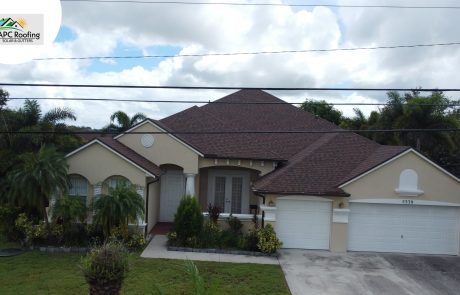
Comparing contractors for Roof Ventilation in Palm Coast Florida?
APC Roofing goes over attic conditions and the state of everything above the ceiling, and puts storm damage into a written record.
Get in touch at 386-356-2111 and a roofer sets a time to walk the house, inside and out.
The Chimney Effect – Known Before Any Job Begins
A vent up top stays idle unless outside air is entering the attic somewhere lower down, because an attic taking in no outside air gives that high vent nothing to draw on. The venting aisle at a hardware store is mostly outlet gear, and a device fed by nothing carries very little air through that space.
The Roof Overhang – Overlooked From the Ground
Right where a rafter sits over the wall plate, the space shrinks to just a few inches, and that tight gap is the only supply route the space above has. Loose fill blown all the way out to the edge buries that choke point completely, a mistake made on almost any blow-in job.
The Attic Baffle – Installed by Hand
A rigid strip set between rafters keeps fill clear of the narrow gap near the roof deck, so a route stays open from the wall plate up toward the peak. Setting a baffle is carpentry worked from inside the attic, never from the roof surface, a step easy to rush once a crew falls behind schedule.
The Sizing Math: Simple in Theory
Standard practice puts one square foot of net free vent area against every 150 square feet of attic floor, and that ratio eases to one-in-300 once the ceiling below stays air-sealed with intake and exhaust in balance. The number stamped on a vent runs smaller than the opening framed to take that vent, so sizing decisions follow that figure rather than the width of the hole underneath.
Summer's Effect – Hard to Spot Early
An attic sealed against any airflow turns into an oven compared with the air outside, and the difference is obvious to anyone who steps up to look. Asphalt ages mainly from sunlight hitting the surface, not conditions in the attic below. In the hottest part of our service area, a balanced vent setup lowers the temperature and the moisture of the deck and framing beneath the shingles, which slows curling and early granule shedding.
The Ice Dam at the Eave – a Cold-Weather Surprise
At the colder end of our territory, the target for a winter attic is staying near the outdoor reading, though the issue differs once the warmer months arrive. Heat rising into the attic melts snow lying on the deck, and the water freezes again at the cold eave. A ridge shaped there blocks later runoff, and the backup gets sent under the courses.
Where the Duct Terminates – an Easy Step to Get Wrong
The purpose of a bath fan is moving moisture clear of the house, not only from the room. In plenty of homes the duct run comes up short and empties straight into the attic instead, a gap between plan and reality that shows up years later. The wood above that room discolors steadily from the moisture arriving there, clear enough to catch with a fast look from the attic hatch. A duct rerouted to a proper outdoor termination clears the problem, handled from inside the house.
What the Stain Means – Before Anyone Touches Shingles
Air from the living space seeps into the attic wherever a fixture or hatch leaves a gap, carried on nothing more than the basic pull of rising heat. On a cold night that same air turns to droplets on the deck's underside, and that condensation travels down onto the insulation resting below. A mark that shows up when the ground outside is bone dry indicates indoor humidity at work, while wet tracking that only follows an actual downpour comes from outside the house.
The Skylight-to-Roof Connection – Solved at the Edges
A glazed unit comes sealed from the factory, and hardly ever gives way without some other cause. Water instead finds a way in at the joint between that fixture and the surrounding covering, a junction that takes more stress than any other part of the assembly. Manufacturers supply each unit's flashing kit, which is built from step pieces, a head piece and an apron.
Matching Intake to Exhaust – What Keeps Things Working
The full vent area for a job aims to come out close to even between the openings down low and the openings up high, with no end taking on most of the burden. When an exact match is not possible, more of the share shifts to whichever set sits lower, since a shortfall in exhaust only slows the airflow, while a shortfall in intake halts the airflow entirely.
Types of Exhaust: Picking a Route
A vent set at the ridge pulls air along the full length of the peak, cut into the deck as one continuous slot. One box vent covers just a small area of the surface, so a hip-style structure with no one long high edge typically needs several. A fan wired into the roof draws air from whatever path is easiest, and a blocked soffit turns the rooms below into that supply instead.
The Base Beneath a Skylight: a Detail Worth Getting Right
A unit resting on a curb sits atop a wooden frame built up off the deck, with the covering material carried up along the sides. A raised-frame mount suits a section of roof with little pitch, where water can gather near the opening, since the additional rise there keeps the opening well away from what sits close by. A unit resting on the deck fastens right to the sheathing and holds up on roofs that clear rain fast, and sits at a lower profile than the curb-mounted version.
Skylight Styles – Not Just One Design
A fixed unit contains no moving parts and cannot be opened, installed only for the daylight that comes through. A venting assembly lifts up by crank, pole or small motor, letting built-up warm air out of the room below. A tubular unit funnels daylight down a reflective tube toward a hallway or closet, via a roof opening considerably narrower than a standard fixture calls for.
Building In a Skylight – a Job With Several Steps
When the opening runs past the rafter spacing, cutting one rafter and framing a header into the gap becomes necessary, with that new support carrying the load the removed piece used to bear. Wiring, a duct run or a plumbing vent found in that bay must be rerouted, before the surrounding carpentry can be completed. The space between the roof gap and the ceiling below needs framing, insulation and a finished interior surface, keeping light and air from reaching the attic the whole way through.
Condensation on the Skylight – a Problem Born Indoors
In a bathroom or kitchen, the glazing is usually the coldest surface once the air turns humid, colder than any other surface nearby. Condensation that gathers and moves to the frame before dripping can look just like a leak, with the roof in good condition throughout. The fix sits indoors, not on the roof, either a fan matched to the room and run longer or an insulated shaft.
The Rooftop Layer – What Comes Next
A coating starts out as a liquid, which gets rolled or sprayed over an existing covering and hardens into one continuous skin. A coating builds up a surface layer, without replacing whatever sits beneath. A covering that is sound, dry and well-drained is exactly what a coating is meant for, not one that is already failing or holding water.
Choosing a Chemistry – Suited to the Job at Hand
Acrylic coating is water-based and reflects sunlight well, the most frequently chosen option, but warm, dry weather is needed to set properly, and pooling water causes problems. Silicone stands up to standing water and cures over a wider span of temperatures, though dirt clings to the surface and a wet surface turns slick. A urethane coating manages foot traffic around rooftop equipment well, often applied as a more durable top layer over a different base product.
Getting the Surface Ready – Setting Up for Success
When a coating peels, the cause is almost always a poor bond formed during application, rather than any flaw in the coating material. Dirt, chalky residue, an oil film or old sealant can each prevent solid adhesion, leaving the coating with little to hold onto beneath. Proper preparation starts with washing the surface and allowing full drying time, followed by a primer coat where called for, and repairs to seams and flashings before any coating goes down.
Where a Roof Layer Falls Short: Closing Up Is Not the Same as Solving
Because a coating seals the surface, a wet deck or soaked insulation underneath blisters the new skin instead of drying out. A scan or a core cut settles whether the covering is ready before coating goes ahead, because coating before that surface is properly prepared only worsens the problem. A coating adds no slope at all, so a spot that already holds water continues to hold water once the coating is down.
Telltale Signs – Noticed During a Walk-Through
- Rust-colored marks around nail tips inside the attic, visible with a quick check using a flashlight.
- Fill pushed all the way to the eave with no baffle standing, a detail often missed on a fast job.
- Curling shingles or early granule shedding on the surface, often linked to conditions in the attic below.
- A buildup of ice at the eave after snow, at the colder end of our territory, occasionally paired with discoloration near the roofline inside.
- A ceiling stain that shows up in dry weather, unrelated to what the sky is doing.
- Water tracking from a skylight's corner after a hard rain, most often linked to the flashing around that opening.
- Peeling, blistering or chalking on a coating along a seam or edge, a sign the bond underneath has already failed.
- A bath fan duct left unconnected in the attic instead of running to an outlet, simple to see with a light in hand.
APC Roofing works alongside the homeowner on Roof Ventilation in Palm Coast Florida
The attic is where a visit starts, before the slope, because most conditions up there trace back to airflow. Shingles, flashing and vents all get equal consideration, not only the item that raised the question. Where a job needs financing, it is arranged through a partner; we are a roofing contractor, not a lender. A recommendation comes with reasons, and the homeowner decides.
Still Weighing Roof Ventilation in Palm Coast Florida – Worth a Second Visit
Reach us at 386-356-2111 to have the attic and the slope looked at.
Following Up Once a Storm Clears – a Step Worth Understanding
An inspection covers the roof, and damage found gets photographed and measured, and the whole roof is gone over so no area is missed, and a written account is sent to the homeowner afterward. Any pieces that came loose are set aside, not discarded, until checked, a small step that keeps everything straight.
The Right Sequence – a Question of Timing
Insulation pushed beyond the baffle line closes off the very intake meant to stay clear, undoing the very reason that piece was placed there. Putting in vents before ceiling gaps are closed pulls conditioned air from the house rather than moist attic air, accomplishing the opposite of what the fix was there to do. The correct order has sealing come before insulation, with vent sizing coming last, with baffles installed along the way.
Anyone who came here for Roof Ventilation in Palm Coast Florida can reach out to APC Roofing at 386-356-2111 and get a roofer's look at the attic and the roof. Every visit takes in what is there to see, with no question marks left over.
Verified

Verified
Verified
Verified