Weighing Asphalt Shingle Roofing Throughout Shawnee Kansas?
APC Roofing lays new courses of strip and laminated products for homes of every age and size.
Call us at 913-398-5020 and a trained eye will check the details and report back.
Components and Construction – Factory Details
A mat of glass fibers makes each shingle strong, while the asphalt in the sheet makes it waterproof, and mineral granules across the top guard against sun damage.
Products that seem alike from the driveway can vary a good deal underneath, and extra material usually means longer wear. A display board reveals the shade and little else, but the manufacturer's printed sheet gives the test results.
Strip Versus Laminated – Setting Them Apart
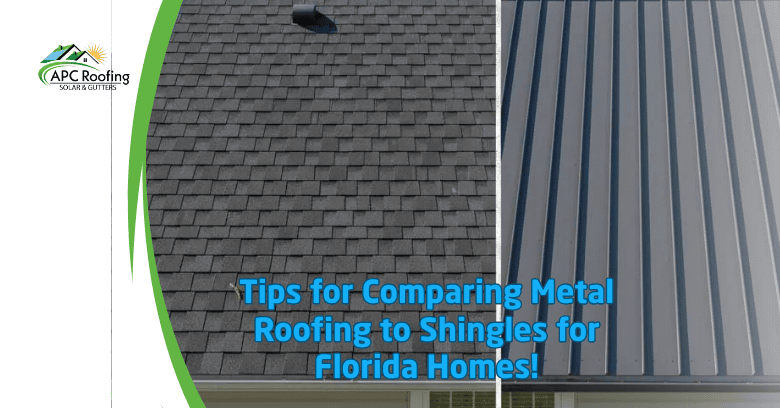
Each three-tab unit is a lone layer slotted in two places near the bottom, and courses laid this way form tidy straight bands. Architectural shingles are built as a base with a second, trimmed ply fused on top, and the staggered outline throws shadows that suggest depth.
Thicker double-layer shingles weigh more across a slope, and a stronger wind class is commonly assigned. Fasteners on an architectural shingle must catch the overlap of both plies, and a printed guide shows the right position.
Strip Products in Use: A Narrow Niche
Three-tab regularly serves a workshop, a garage or a porch, and new work can blend with existing courses of that kind. Many manufacturers have narrowed their ranges of that style, so a close pairing may take some searching.
A dimensional surface disguises minor unevenness in the sheathing, while a thin strip follows every undulation. Underlayment and flashings are the same under either style, and the shingle itself is the only part that changes.
Surface Wear Over Time: Clues at Ground Level
A recently installed covering lets go of leftover grains for a while, which is harmless. When an older covering sends piles of grit down the spouts, its mineral shield is wearing thin, and the unprotected asphalt soon cracks and curls.
Faces that point south and west take the strongest sun, so the damage is usually heaviest on them.
Self-Sealing Designs – Wind Resistance
Every shingle arrives with a sticky asphalt stripe, and on a hot day it softens and grips the row laid over it. A stuck course stands up to gusts that would otherwise flip its edge, and nailing still carries the load year after year.
At the colder end of our territory, a covering installed in freezing temperatures can wait months to bond, and a stiff wind can raise a loose tab before then. Dabs of asphalt cement applied by the installer are what makers specify in that case, and a printed diagram marks the spots and their spacing.
Securing Each Course: Common Slips
Nails land in a slim target stripe laid out by the manufacturer, and from there the shank reaches the top of the underlying row too. The basic schedule calls for four fasteners on each shingle, and high-wind or steep work moves the number to six.
A misplaced high nail leaves the lower course loose, an overdriven head slices the fiberglass, and a cocked shank raises a hump in the shingle overhead. A bundle's wind class holds only when the printed pattern is followed, while a bad compressor setting repeats itself on every shot.
The Wood Below: Types and Condition
Plywood or OSB panels form the deck under a shingle roof, because a fastener driven into nothing holds nothing. Older houses sometimes keep the gapped boards once used under shakes, so a layer of sheathing comes before shingles.
Sections that are soft, delaminated or rotted get cut out and replaced during a tear-off, because nails in weakened material back out over time. Installers leave a slim gap where sheets meet, because wood swells in humid weather and buckles without room to move.
A Backup Barrier: Known Limits
The deck gets a water-resistant membrane before shingles are laid, and its seams are lapped so rain crosses them without entering. Synthetic material has taken over from traditional felt on most jobs, as the newer option is lighter, stronger and less prone to wrinkling.
Rain that gets past a damaged shingle drains across the membrane rather than into the deck, yet the maker limits how long it may be left uncovered.
Guarding Against Ice Dams: Width That Counts
At the colder end of our territory, a heated attic thaws rooftop snow, and meltwater hardens again once it reaches the cold rim. Pooled water behind the obstruction travels uphill under the courses, and nails through ordinary underlayment give it an easy path.
Colder-market codes call for a peel-and-stick membrane along the lower edge, and it runs past the interior face of the outside wall. Valleys and chimney sides often get that product too, anywhere in our territory, since flow concentrates in such places.
Perimeter Flashing – Guarding the Trim Board
Formed metal strips line the eaves and rakes of every slope, so the fascia stays dry. The underlayment covers the lower flashing, but on the gable sides the order reverses.
Many building codes now require edge metal on every border of a shingled plane, because runoff can cling and curl back toward the wood.
The Launch Point of Each Plane: Uplift Concerns
Before any exposed shingles, a starter strip is laid along the bottom, so the sealant is positioned right at the lip. A rotated field piece strands the adhesive several inches up, so the outermost tabs are pinned by nails only.
Many manufacturers call for starter along the rakes as well, since uplift is not limited to the eaves.
Inside Corners: Debris and Flow
A valley can be built open, with a metal channel left exposed down its center, while in the closed-cut type one side crosses over and the opposite side is trimmed neatly. Weaving is a long-standing technique for thin, flexible tab shingles, whereas two-ply shingles do not bend well enough.
Installers keep nails several inches back from the centerline, and a peel-and-stick liner covers the wood below. Debris packed into a valley stays damp long after rain ends, and diverted water can work under the neighboring courses.
Brick and Framing Edges – Chimney Aprons
Every course that meets a wall gets its own folded step flashing, and a counterflashing or trim board covers the raised leg. Where the eave stops against the house, a kickout diverter goes in, and skipping it sends water into the studs.
Masonry chimneys take a base apron, side step flashing and counterflashing grooved into the joints, while stacks above a certain width require a cricket upslope.
Through-Roof Vents: Timing a Swap
A pipe boot combines a flat metal or plastic base with a rubber collar around the pipe, and sun eventually opens cracks where the seal wraps the stack. The upper half of the flange tucks beneath the shingles above, so the lower edge sheds onto the shingles beneath.
Rubber collars commonly split long before the field gives out, and new boots are standard whenever the shingles are replaced.
The Topmost Seams – Vents Beneath
A line of cap shingles covers the ridge and the hips, and a dimensional line comes with its own heavier companion product. Homemade substitutes trimmed from three-tab carry less material, and on frigid days at the colder end of our territory the crease may crack.
An exhaust vent commonly sits under the ridge caps, so longer fasteners go through it to anchor in the decking.
Breathing Room Above the Ceiling – Mixed Systems
Soffit vents are where outdoor air is supposed to enter, and a ridge exhaust lets it out. Batts pushed hard against the sheathing at the wall line can block movement, so baffles are installed to keep a clear gap.
An attic holding in heat warms the deck from underneath, while it also collects damp air from cooking, bathing and breathing. At the colder end of our territory, frost can coat every protruding nail, and the melt drips down when the sun comes out. Combining different exhaust types can make one vent pull air in through another, so the lower part of the space goes stagnant.
Local Extremes – Sunlight and Storms
The area we serve spans cold, dry high country and warm, wet flatlands, so a shingle ages in its own way depending on the setting. At the coastal end of our territory, hurricanes bring hours of sustained wind, and product sheets set out an enhanced nailing method. Relentless sunshine hardens the binder over the years, and moist air lets algae take hold.
At the colder end of our territory, water that seeps into a crack freezes and widens it, and the weight of drifted snow adds its own strain.
Frozen Pellets – Marks on the Surface
At the colder end of our territory, hail is a familiar part of the storm calendar, and manufacturers offer lines built to resist it. A strike scatters the grit from a small round area, and a heavy blow may fracture the fiberglass below.
Manufacturers earn an impact rating by dropping steel balls onto test panels, and the stronger lines come through in better shape. Rubber-modified asphalt is common in these designs, so the surface gives a little under a strike.
Blowing Weather – Putting Things Right
Uplift concentrates at the outer margins and the corners, and a loose shingle rises and slaps back down. Bent up past a certain point, a tab takes a crease across it, and the damage leaves it permanently weakened. A shingle hurt like that is replaced with a new one, but a piece that simply came unstuck can be glued down by hand.
An empty spot in the courses puts the underlayment in direct sun, and it was never made to stand up to daylight.
Growth on the Surface: Slowing the Return
Blackish trails are colonies of algae, and it feeds on limestone filler in the shingle. At the humid end of our territory, the shady side of a building is where it spreads, and the film alone rarely shortens the life of the covering.
Moss is more serious, because it stays wet for days, and thick cushions push the lower edges up. High-pressure spraying rips the grit away with the growth, while a soft rinse with a roof-safe cleaner does the job without damage. Shingles sold as algae-resistant carry copper in their top layer, and a zinc strip near the crest slows the streaks' return.
Picking a Hue: Beyond Looks
Deep tones take in more solar warmth and reach higher surface temperatures, and lighter shingles reflect more of the light. Some brands coat their granules to bounce back more heat, and a measured reflectance number comes with them.
Material made on separate days is rarely a perfect match, so maker directions say to draw from more than one bundle at a time. Blended colors, with many tones on each piece, hide those minor differences, while plain shades display every one of them.
Going Up Top: Knowing When to Stay Down
A sun-baked covering loses its firmness, and a twisting heel tears the mineral layer. At the colder end of our territory, a course stiff with cold can break under weight, while frost at dawn makes the footing treacherous.
A homeowner is far safer staying on the ground, and a pair of binoculars shows most of what matters.
Re-Covering Without a Tear-Off: The Deck Question
A re-roof over a prior roof is legal in many towns, as long as there are not already two and the base is sound. The current shingles stay on top of the decking throughout the job, which means damage stays trapped under fresh shingles.
Humps and hollows in the courses below show through, while aging flashing frequently stays put. A doubled covering rests on structure never meant for that weight, while the fasteners need more length to bite into the boards.
Things to Watch For: A Homeowner's Guide
- Dark sand gathers where the spouts empty, and the amount keeps growing year after year.
- Some tabs flap loose or are gone altogether, so the adhesive strip has given way.
- Bottom corners curl upward, because the material has lost its flexibility.
- Cracks run across the tabs, and water can reach the mat through them.
- Bald areas look black and shiny, where the stone coating has worn off.
- The seal around a plumbing stack has cracked, so water works its way indoors.
- Flashing at a chimney has lifted off the brick, so a downpour can run in underneath.
- A damp patch shows up on the ceiling after heavy rain, and the source can lie well uphill of it.
How APC Roofing Approaches Asphalt Shingle Roofing in Shawnee Kansas: Our Method
An inspection first covers every slope on foot, and the flashings, valleys, vents and edges get a close look along the way. Up in the attic, stains and daylight are sought out, since the underside of the deck keeps the marks of any old leak.
Any problem is photographed, and its size is measured. The findings are written up in plain language, and each recommendation carries its reasons. Small faults are labeled as small, and a failing covering is not dressed up. The choice is the owner's, be it a repair, a replacement or no work yet.
Asphalt Shingle Roofing Around Shawnee Kansas: Straight Answers From Up Top
Call us at 913-398-5020 and describe what you are seeing.
Fix or Replace: Knowing the Limit
Trouble at a boot, a flashing or a few scattered tabs is normally dealt with by a repair, and the rest of the shingles stay where they are. Even the same color from the same maker looks different once the old shingles have weathered, and that earlier shade may simply not exist anymore.
Old shingles snap when they are bent up to free a fastener, so a small job can spread to the pieces next to it. If hard, curled courses run from eave to ridge, a patch simply moves the problem along.
How Long Shingles Last: Extending the Span
Flat three-tab designs usually run fifteen to twenty years, while dimensional ones often manage a decade more. The real number depends on sun, attic air movement and how the nails went in, and a severe storm can cut a covering's life short.
Checking the flashings and pipe seals now and then is sensible upkeep, because minor gaps closed promptly spare the sheathing.
When you are weighing Asphalt Shingle Roofing in Shawnee Kansas, reach APC Roofing at 913-398-5020. Every slope, edge and flashing gets a close look, and the findings reach you in writing so the decision stays yours.
Verified

Verified
Verified
Verified
Verified