Looking for Shingle Roof Installation Anywhere in Shawnee Kansas?
APC Roofing lays new courses of strip and laminated products, on a bungalow, a split-level or a colonial.
Call 913-398-5020 and you will hear in plain terms what is needed.
Anatomy of a Covering – Factory Details
A mat of glass fibers makes each shingle strong, and a saturant of asphalt seals out rain, and a dense layer of crushed rock granules takes the glare.
Bundles that seem identical on the shelf can differ widely inside, and more heft commonly lets a covering weather more summers. A sample board shows color alone, but a specification sheet names the ratings.
Strip Versus Laminated – Weight and Wind
A three-tab product is a single-layer piece with twin cutouts at the exposed edge, and courses laid this way form tidy straight bands. An architectural shingle glues a shaped overlay onto a full-width base, and the covering appears textured and shadowed.
The heavier laminated construction puts more asphalt on the deck, and listed wind classes are generally higher. On a two-layer shingle, fasteners belong in the band where both plies overlap, and most manufacturers print guide lines there.
Strip Products in Use – Narrower Choices
A detached garage, a shed or a porch often suits three-tab well, and an addition can blend with an older covering of that type. Selection has shrunk, since many brands have trimmed that style, so a close pairing may take some searching.
Uneven plywood is less noticeable under a dimensional product, while flat courses make any hollow obvious. The two styles share the same underlayment and edge metal, so the difference lives entirely in the top layer.
Mineral Grit and Aging: Clues at Ground Level
Excess grains from the factory rinse off in the opening rains, and the amount tapers off quickly. When an older covering sends piles of grit down the spouts, its mineral shield is wearing thin, and the unprotected asphalt soon cracks and curls.
The sunniest exposures are the southern and western sides, so the black asphalt often shows through there sooner.
The Factory Sealant Band – Cold-Weather Care
Each shingle carries a stripe of heat-activated glue, and a stretch of warm, sunny days softens it until the overlying row sticks. A stuck course stands up to gusts that would otherwise flip its edge, and the nails stay just as essential for as many years as the covering lasts.
During cold stretches at the colder end of our territory, sealing is delayed, and strong wind may raise tabs in the meantime. Makers' directions cover this with cement placed by the installer, and a drawing on each wrapper gives the amount and location.
Securing Each Course – Why Accuracy Counts
Every nail belongs inside a narrow stripe the manufacturer marks, and from there the shank reaches the top of the underlying row too. Four fasteners per shingle meets the basic requirement, while a bundle wrapper asks for six on very steep or wind-exposed jobs.
A misplaced high nail leaves the lower course loose, an overdriven head cuts into the mat, and a slanted shank lifts the shingle laid over it. A listed wind class is valid only for the pattern the manufacturer specifies, while one misadjusted compressor can spoil every drive on a job.
What Supports the Covering: Types and Condition
The deck under asphalt shingles is usually plywood or OSB, and every fastener needs solid material there to hold. Many older homes still have spaced boards left from a wood-shake era, and sheathing is nailed over them before shingles go on.
A tear-off exposes spongy or rotten areas, which are removed and replaced, because nails in weakened material back out over time. Panels go down with a narrow space along each joint, because wood swells in humid weather and buckles without room to move.
The Middle Layer: Known Limits
A water-shedding membrane covers the deck ahead of the shingles, and its seams are lapped so rain crosses them without entering. Asphalt felt is less common now that synthetic sheet has taken hold, because the newer product weighs less, tears less easily and lies flatter.
Rain forced past a loose shingle is shed by the membrane below, yet the maker limits how long it may be left uncovered.
Self-Adhered Eave Membrane: Seasonal Detail
At the colder end of our territory, attic warmth melts snow on the upper slope, and meltwater goes solid again where the roof extends past the wall. Water pooling behind that buildup can back up under the shingles, where ordinary underlayment lets it through at every nail.
A self-sealing ice barrier goes down along the bottom of each slope where winters freeze, and it runs past the interior face of the outside wall. Across every part of our service area, valleys and skylight curbs frequently get it too, since runoff lingers at every such detail.
Perimeter Flashing: Sequence Matters
Every eave and rake gets a formed strip of metal, so rain falls free beyond the woodwork. On the lowest margin the underlayment laps over the flashing, while at the gable side the order flips.
Codes across much of the country list edge metal as required on every perimeter of the covering, and without it water curls back under the shingles and soaks the deck.
Groundwork at the Eave: Uplift Concerns
Under the first visible course lies a starter strip, so tacky asphalt ends up at the very brink of the deck. A rotated field piece strands the adhesive several inches up, so the lowest run relies entirely on its nails.
Most instruction sheets extend starter up both rakes, because wind catches the outer margins along with the eaves.
The Low Seams: Choosing a Style
A valley can be built open, with a metal channel left exposed down its center, and the closed-cut approach laps one side across and trims the other straight. Weaving rows from both planes together suits single-layer tab products, whereas two-ply shingles do not bend well enough.
Fasteners stay out of the center of the channel, and a sealed membrane is placed below as backup. Debris packed into a valley stays damp long after rain ends, which can push rain beneath the trimmed shingles.
Tie-Ins to the Structure – Chimney Aprons
A separate step flashing is tucked under each course where the covering meets a wall, while the exterior finish overlaps the upright flange. Where the eave stops against the house, a kickout diverter goes in, and without one rain runs inside and rots the sheathing.
The flashing around a chimney is an apron below, steps on each side and counterflashing embedded in mortar, while a wide one gets a small peaked cricket behind it.
Where Drain Lines Exit: Timing a Swap
Standard boots join a flat metal or plastic plate to a rubber sleeve, and sun eventually opens cracks where the seal wraps the stack. The upper half of the flange tucks beneath the shingles above, and water running down the slope passes over the exposed lower part.
A cracked collar is common on a covering that is otherwise sound, so replacing the shingles means replacing the boots too.
Finishing the Apex – Final Courses
Each hip and the ridge get a row of cap shingles across the joint, and architectural work uses a factory-made accessory. Tabs sliced out of flat strips are far thinner, and in a hard freeze at the colder end of our territory the bend can split.
Many peaks hide an exhaust vent under the cap row, and the fasteners are sized to penetrate that channel and the wood below.
Attic Airflow: Common Problems
Soffit vents are where outdoor air is supposed to enter, and the ridge releases it. Blown fill crowding the corners can cut off movement, and rafter baffles preserve a clear route.
A poorly vented attic turns into an oven under the deck, while it also collects damp air from cooking, bathing and breathing. At the colder end of our territory, frost can form on the nail tips poking through overhead, and the melt soaks the insulation by afternoon. Adding a fan to an attic that already has a ridge vent can reverse the intended path, because suction then draws from the nearest opening instead of the soffits.
Across Our Range: Algae and Hard Winters
The towns we cover run from hard-freeze country to places that barely see frost, so the forces working on a shingle change from city to city. At the coastal end of our territory, hurricanes bring spells of fierce wind, so manufacturers list a high-wind nailing schedule. Long seasons of strong sun dry out the oils in the coating, while muggy weather encourages dark streaks.
At the colder end of our territory, each overnight freeze works on any opening, and packed snow sits on the slopes for days.
Pelting From Above: Surface and Below
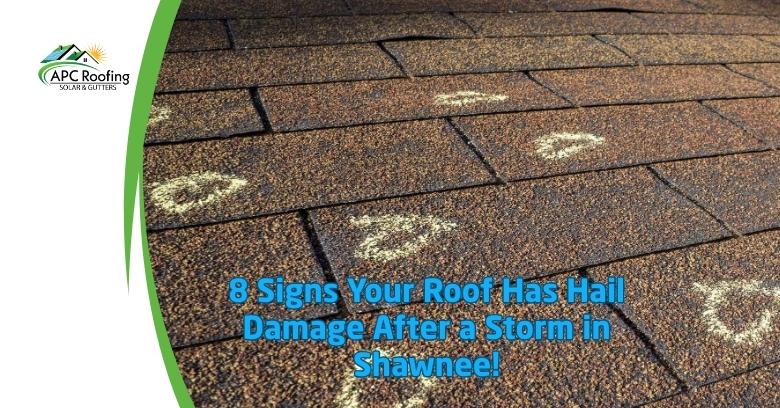
At the colder end of our territory, hail falls in many storm seasons, so shingles designed to resist impact are widely sold. Where a stone lands, the granules break away in a round mark, and a hard enough blow can crack the mat underneath.
Manufacturers earn an impact rating by dropping steel balls onto test panels, and a line that passes at the top level holds up better. Some companies add rubber polymers to the asphalt, so the material bends where an ordinary mix would crack.
Wind on Asphalt – Putting Things Right
Uplift concentrates at the outer margins and the corners, and a loose shingle rises and slaps back down. Once a tab is doubled back, a crease forms where it bent, and the break in the mat will not heal. Shingles harmed that way come out and new ones go in, while one that only lost its seal can be cemented back down.
Gaps where tabs tore away expose the membrane to sunlight, and ultraviolet light breaks that layer down quickly.
Stains and Green Growth – Cleaning Without Harm
Black lines trailing down a slope are usually algae, and it feeds on limestone filler in the shingle. At the humid end of our territory, faces under trees and out of the sun collect it soonest, though the color change is mainly cosmetic.
Moss behaves differently, soaking up rain like a sponge, and as it creeps it breaks the tabs' seal. Power washing tears granules loose as it goes, while a soft rinse with a roof-safe cleaner does the job without damage. Algae-resistant designs mix copper into the surface, and a zinc strip near the crest slows the streaks' return.
Color on the Slope: Looks and Lots
Dark shingles soak up more sunlight and run hotter, while a light gray or tan stays cooler. Specially coated granules now come in a range of hues, and a reflectance rating appears on the data sheet.
The look can drift from one manufacturing lot to the next, and the recommended practice is to shuffle packs during installation. Blended colors, with many tones on each piece, hide those minor differences, while a solid, even finish reveals them more readily.
Going Up Top: Knowing When to Stay Down
On a hot afternoon the coating turns soft, so treads rub the stone off in patches. At the colder end of our territory, cold tabs grow brittle and crack when stepped on, and a thin film of frost makes the slope a slide.
Staying down below is wiser for a homeowner, since a zoom lens on a phone catches a lot.
Re-Covering Without a Tear-Off: Pitfalls
A re-roof over a prior roof is legal in many towns, as long as there are not already two and the base is sound. The current shingles stay on top of the decking throughout the job, which means damage stays trapped under fresh shingles.
Humps and hollows in the courses below show through, and weathered flashings are often reused rather than replaced. Stacking one covering on another adds mass that the framing must bear, and the nails have to be long enough to pass through both into the deck.
Early Warnings – When to Call
- Dark sand gathers where the spouts empty, and the heaps come back after each cleaning.
- Gaps appear where pieces have blown off, which means the seal has let go.
- Courses have started to buckle and warp, which happens as the oils bake out.
- Splits open across the middle of a tab, and water can reach the mat through them.
- Bald areas look black and shiny, and bare asphalt now meets the weather.
- A pipe boot has gaps between its collar and the pipe, which lets rain into the attic.
- Metal along a wall has pulled loose, and gusts can push weather in behind it.
- Paint bubbles on a top-floor ceiling, though the entry is often some distance off.
How APC Roofing Approaches Shingle Roof Installation in Shawnee Kansas: What to Expect
Every slope is walked first during an inspection, and the flashings, valleys, vents and edges get a close look along the way. Inside the house, the attic is searched for stains and daylight, since discolored sheathing shows where water has traveled.
Any problem is photographed, and damage is measured where size matters. The results are put in writing in everyday words, with a reason beside every recommendation. A little problem is never made to sound big, while a spent covering is named for what it is. What happens next is the owner's decision, including the option of doing nothing for now.
Shingle Roof Installation for Homes in Shawnee Kansas – Inspected, Photographed and Explained
Reach us at 913-398-5020 and describe what you are seeing.
Small Fixes and Full Jobs: Knowing the Limit
Changing a boot, resealing a flashing or swapping a few torn tabs is everyday repair work, and the sound shingles nearby stay in service. Patched areas show a visible contrast at first, and that earlier shade may simply not exist anymore.
Brittle tabs on an older roof tear when lifted, and one fix can turn into several. Once wear like that reaches across the covering, a full tear-off is the honest recommendation.
Time on the House: What Moves the Number
Flat three-tab designs usually run fifteen to twenty years, while architectural lines can go well beyond that. Attic airflow, sun exposure and the quality of the nailing move that figure, and a severe storm can cut a covering's life short.
Boots, flashings and sealed joints are worth checking every few years, since spotting a fault quickly keeps the damage small.
When you are weighing Shingle Roof Installation in Shawnee Kansas, get hold of APC Roofing at 913-398-5020. The covering is inspected from the gutters to the ridge, and the written findings let you decide.
Verified

Verified