
You’ve always liked the look of a tile roof, or maybe your house already has one and the underlayment beneath it is finally giving out. Either way, tile roof installation in Kansas City isn’t the same job it is in a warm, dry place. Tile here has to live through spring hail, January freezes and the long thaw in between, and you want to know it’ll actually last before you commit to something this heavy and this permanent.
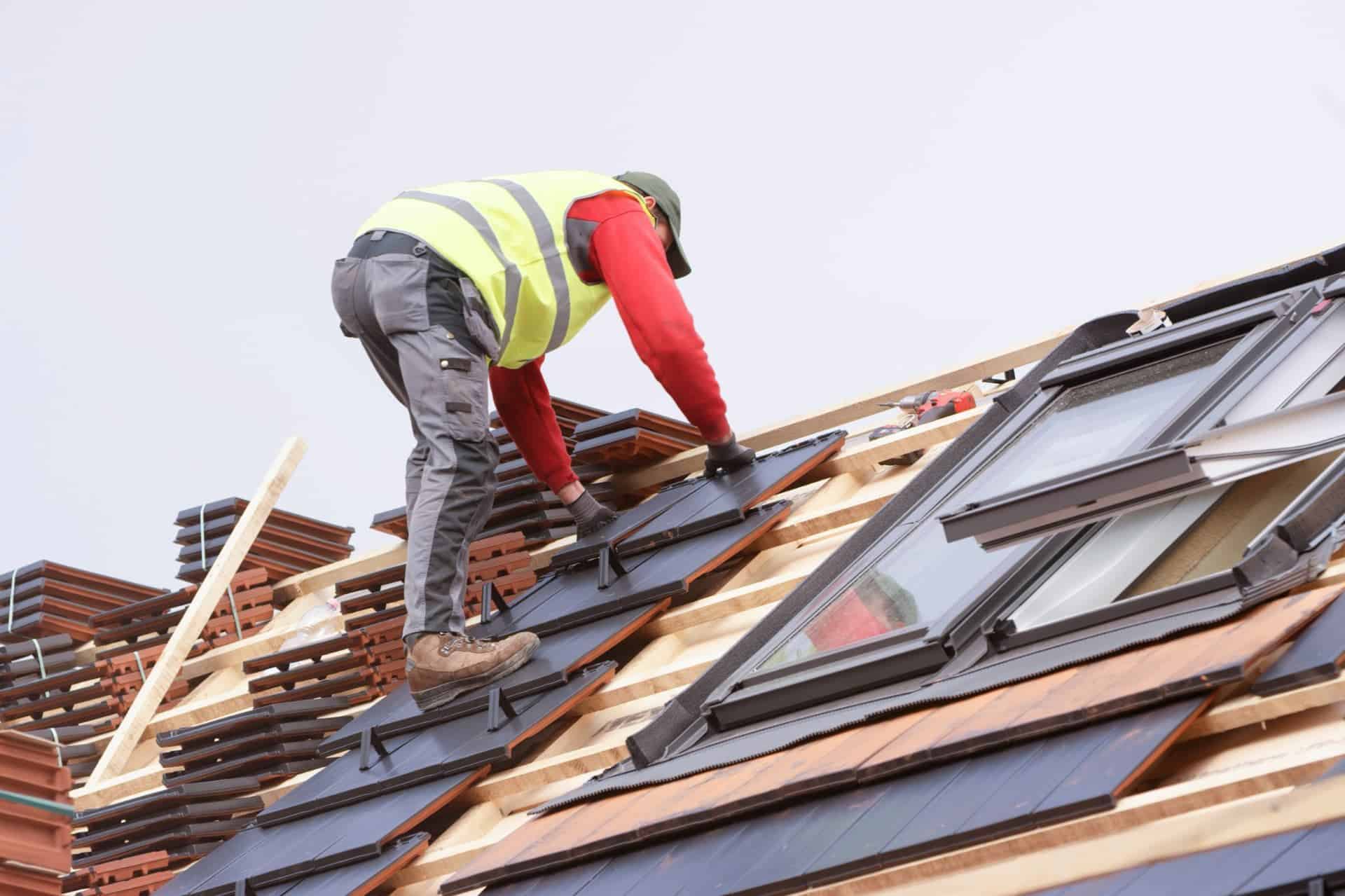
That’s a fair worry. Tile is a big investment, and a lot of what makes it succeed or fail sits under the tiles, where you’ll never see it.
APC Roofing is a GAF Certified roofing contractor, licensed and insured, and your inspection is free. We’ll look at your house, your framing and the roof you have now, and give you a straight answer on whether tile is a good fit.
What Kansas City weather asks of a tile roof
Tile shrugs off sun and heat, and a good clay or concrete roof can look the same for decades. The tougher tests around Kansas City are cold and ice.
Water that soaks into a tile and then freezes expands inside it. Do that dozens of times a winter and a tile that wasn’t made for it can start to flake and crack on the surface. That’s why the tile itself has to be rated for a severe freeze-thaw climate, not just picked off a pallet because the color is right. Ask to see the product sheet for whatever tile you’re considering.
Hail is the other test. Large hailstones can crack tile outright, while smaller stones often leave it alone. A cracked tile isn’t always a leak right away, because the underlayment below does the real waterproofing, but it does need to be replaced before that layer is exposed to sun and water.
Snow and ice add weight and can slide off a smooth tile roof in sheets. On some homes, snow guards above entries and walkways make sense, and that’s worth talking through during the estimate.
Clay or concrete tile?
Both are used on Kansas City homes, and both can work if the product suits the climate.
Clay tile is fired in a kiln, so it’s dense and the color runs all the way through. It absorbs very little water, which helps in a freeze-thaw climate, and it holds its color well. It also tends to cost more and can be more brittle underfoot.
Concrete tile is made from sand and cement. It’s often less expensive and comes in more profiles, including flat styles that look like slate or shake. It absorbs more water than good clay and its surface color can fade over time, so the freeze-thaw rating matters even more.
You can read more on our clay tile roofing and concrete tile roofing pages.
Can your house carry a tile roof?
This is the first question, and it comes before color or profile. Standard tile weighs several times what asphalt shingles do. A house built for tile has rafters sized for it. A house built for shingles may not.
If you’re switching from shingles or metal to tile, the framing needs to be checked first, and some homes need an engineer’s review and added support before tile goes on. Lightweight concrete tile can open the door for homes that don’t have much extra capacity. If your house isn’t a good candidate, we’ll say so and help you compare other options, such as standing-seam metal or architectural shingles that give you a similar look for less weight.
What good tile roof installation in Kansas City includes
The tile you see sheds most of the water. The underlayment beneath it keeps out the rest, so a solid install puts real attention on the layers nobody admires from the street.
- Sound decking. Soft or damaged boards get replaced while the roof is open.
- The right underlayment. Heat builds up under tile, so the underlayment has to be one rated for use beneath it. Ice and water barrier goes along the eaves and in valleys, where ice dams and runoff hit hardest.
- Fastening for wind. Tiles are attached with nails, screws, clips or approved foam adhesive, following the manufacturer’s instructions and local code. Edges, hips and ridges get extra attention because that’s where wind pulls hardest.
- Flashing built for tile. Chimneys, walls, vents and valleys need flashing shaped to follow the tile’s profile. A bead of roof cement is not a flashing.
- Closures at the eaves. The curved openings at the bottom row are filled so birds, wasps and wind-driven rain stay out.
Ask any contractor how they handle each of these. The answers tell you a lot.
Replacing the underlayment on an existing tile roof
Many Kansas City tile roofs don’t need new tile at all. The tile is fine, but the underlayment has worn out after years of heat under it. In that case, the tile can be lifted off by hand, stacked, the deck repaired and new underlayment installed, and then the original tile goes back on. You keep the look your house was built with.
Some breakage during handling is normal, especially with older tile. If your style is still made, replacements can match. If it’s been discontinued, salvaged tile or a close match fills the gaps, and we’ll show you what to expect before work starts.
How it works with APC Roofing
- Book your free inspection. We’ll look at the roof, the attic and the framing, and talk through what you want from a tile roof.
- Get a clear, honest assessment and estimate. You’ll get photos, a written estimate and our honest take on clay, concrete or a different material for your home. Financing is available through Aqua Finance, Fortifi, Hearth and Home Run Finance.
- Your roof gets done and the site cleaned up. Tile takes longer to install than shingles, and we’ll give you a realistic timeline up front. The crew cleans up before they leave.
Holding off on a worn underlayment rarely saves money. Water that gets past it soaks the decking, and replacing rotted wood adds to a job that could have been simpler.
Tile roof installation questions
Will hail break a tile roof?
Large hail can crack tile, and smaller hail usually doesn’t. Because the underlayment does the waterproofing, a few cracked tiles can be replaced without redoing the roof. After a big storm, it’s worth having the roof checked so damaged pieces get swapped out before the layer below is exposed. Our tile roofing in the Kansas City area page covers repair too.
Can I walk on my tile roof?
It’s best not to. Tile breaks easily when stepped on in the wrong spot, often with cracks you can’t see from above. If someone needs to service a chimney or antenna, have them talk to a roofer first.
Is tile a good choice for Kansas City winters?
It can be, if you choose tile rated for severe freeze-thaw conditions and the underlayment and flashing are done right. That combination matters more here than in milder climates.
Do you install tile on both sides of the state line?
Yes. We work across the Kansas City metro on both the Missouri and Kansas sides. See our Kansas City metro area page for everything we do.
Get a straight answer on tile
You shouldn’t have to guess whether your house can carry a tile roof or whether the tile you love will survive a Kansas City winter. Call 913-398-5020 or request your free estimate online, and we’ll come take a look.
The result you’re after is simple: a roof that looks the way you want, stays dry through every freeze and hailstorm, and doesn’t leave you second-guessing the decision.


















