Planning Shingle Roofing Throughout Sanford Florida?
APC Roofing puts down granule-surfaced coverings from the deck up for homes of every age and size.
Reach us at 407-270-1129 and someone will come out and explain what is up there.
Inside the Product – a Closer View
Each shingle takes its strength from a fiberglass mat, and asphalt spread over the sheet stops water, and granules rolled into the surface shade everything beneath from ultraviolet rays.
Bundles that seem identical on the shelf can differ widely inside, and a heavier build generally adds years on a house. A sample board shows color alone, while the maker's data sheet lists wind and impact ratings.
Flat or Dimensional: How the Designs Differ
A three-tab product is a single-layer piece with twin cutouts at the exposed edge, and courses laid this way form tidy straight bands. An architectural shingle glues a shaped overlay onto a full-width base, so the uneven profile casts shadows.
Thicker double-layer shingles weigh more across a slope, and listed wind classes are generally higher. Nails on a dimensional shingle go through the zone where the plies meet, and most manufacturers print guide lines there.
The Case for Strip Shingles – A Smaller Selection
Three-tab regularly serves a workshop, a garage or a porch, and new work can blend with existing courses of that kind. Several makers now offer that style in fewer colors than before, and a favorite shade may be gone for good.
Laminated shingles hide small dips in an older deck better, while single-ply rows show every ripple. Either style goes over the same underlayment and flashings, and the shingle itself is the only part that changes.
Loose Grit: Clues at Ground Level
Excess grains from the factory rinse off in the opening rains, and that is no cause for concern. A steady stream of grit from an aging covering shows the top layer is going, and the unprotected asphalt soon cracks and curls.
Southern and western slopes absorb the hottest light, so the damage is usually heaviest on them.
The Factory Sealant Band – Wind Resistance
Every shingle arrives with a sticky asphalt stripe, and heat from sunshine turns it tacky enough to grip the row above. A stuck course stands up to gusts that would otherwise flip its edge, and the nails stay just as essential for as many years as the covering lasts.
At the colder end of our territory, shingles laid in late fall may not seal for weeks, and a stiff wind can raise a loose tab before then. Manufacturers' instructions call for dabs of roofing cement in that situation, and each package shows how much to use and where.
Placement on the Shingle: Tools and Technique
Nails are driven within a slim band set out by the manufacturer, where the shank also catches the headlap of the row below. Most shingles take four fasteners apiece, while steep pitches and windy locations need six.
A nail driven high pins one layer instead of two, an overdriven head slices the fiberglass, and a slanted shank lifts the shingle laid over it. A listed wind class is valid only for the pattern the manufacturer specifies, and a poorly adjusted pneumatic tool repeats its error across an entire plane.
The Wood Below – Replacing Weak Sections
Shingles are fastened to a deck of plywood or OSB, and every fastener needs solid material there to hold. Some older homes have spaced planks installed originally for cedar shakes, so sheathing is laid across them before shingles.
Once the old covering is off, any soft or delaminated section is cut out and swapped for sound decking, because fasteners in decayed stock work free. A little clearance is kept at every panel seam, as moisture makes the wood expand and ridge up when butted tight.
Old Paper, New Fabric: Modern Options
Before any shingles go down, a water-resistant membrane is rolled over the deck, and it goes down in horizontal runs that lap downhill. Most roofers now use synthetic sheet instead of felt, as the modern fabric is tougher and does not ripple after rain.
Moisture that sneaks beneath a shingle is carried off by the membrane, but it was never designed to serve as the only covering.
Peel-and-Stick Protection: Trapped Runoff
At the colder end of our territory, attic warmth melts snow on the upper slope, and a frozen band builds along the chilly lower edge. Water pooling behind that buildup can back up under the shingles, and regular underlayment offers no seal where nails penetrate.
A rubberized self-adhering membrane is laid along the eave where ice dams form, and it reaches up the slope past the inside line of the exterior wall. In all of our territory, installers also lay it in valleys and around penetrations, as water collects and lingers there.
Where the Deck Ends: Sequence Matters
A metal drip edge wraps the eaves and the rakes, and a flange throws runoff away from the fascia. The underlayment covers the lower flashing, while on the gable ends the sequence is flipped.
Many building codes now require edge metal on every border of a shingled plane, and without it water curls back under the shingles and soaks the deck.
Beginning at the Gutter: Uplift Concerns
The first exposed course rests on a dedicated starter strip, so the sealant is positioned right at the lip. Flipping an ordinary piece around keeps the adhesive away from where it is needed, so the lowest run relies entirely on its nails.
Many manufacturers call for starter along the rakes as well, since wind crossing the roof tugs at its outer lines.
Junctions of Adjoining Planes – Keeping Nails Clear
In an open design, a formed metal liner carries water down the valley, and the closed-cut type carries one side's courses through while the other side is cut back. Interlacing rows from each plane suits single-layer products, though dimensional shingles rarely take to it because of their bulk.
The middle of the trough is kept free of fasteners, and a sealed membrane is placed below as backup. Needles and grit gathered in a valley act like a dam, and diverted water can work under the neighboring courses.
Masonry Connections: Water Shedding Order
Step flashing along a wall is set one to a course, and siding or counterflashing laps down over its upright leg. The corner where the eave reaches the house takes a kickout, and without one rain runs inside and rots the sheathing.
Around a chimney, step pieces line the sides, an apron covers the front and counterflashing is set into the masonry, while stacks above a certain width require a cricket upslope.
Holes for Plumbing: Wear Over Time
Every pipe boot pairs a flat base of metal or plastic with a snug neoprene collar, and sunlight gradually hardens that seal until it splits. Courses above lap over the flange's top edge, so runoff flows across the downhill side instead of under it.
Neoprene collars regularly fail well before the field shingles do, so a full reshingling normally includes fresh boots.
The Topmost Seams – Fastener Length
Cap shingles close the ridge and each hip, and laminated work calls for the maker's coordinated accessory. Tabs cut from single-layer shingles make a thinner substitute, and on frigid days at the colder end of our territory the crease may crack.
Many peaks hide an exhaust vent under the cap row, so the nails must be long enough to pass through it and bite the sheathing.
Breathing Room Above the Ceiling: Common Problems
Intake openings in the soffits let cool air in near the bottom, and a ridge exhaust lets it out. Insulation blown tight against the outer walls can choke the flow, and foam or cardboard baffles hold a channel clear.
A stuffy attic adds heat beneath the deck, while indoor humidity collects there with nowhere to go. At the colder end of our territory, frost can coat every protruding nail, and the thaw sends droplets onto the ceiling. Adding a fan to an attic that already has a ridge vent can reverse the intended path, and the soffits stop doing their job.
Regional Demands – Storms and Algae
The metros we serve run from freezing uplands to steamy lowlands, and asphalt meets a different set of stresses in each. At the coastal end of our territory, a hurricane can drive powerful gusts for many hours, and product sheets set out an enhanced nailing method. Strong sun, season after season, makes the coating brittle, while damp air in the humid markets feeds algae.
At the colder end of our territory, repeated freezing opens small splits further, while snow cover keeps the eaves cold for weeks at a time.
Stones Out of a Thunderhead – Marks on the Surface
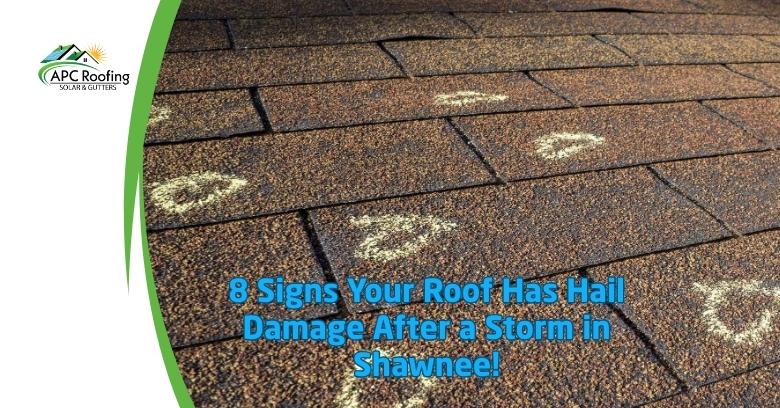
At the colder end of our territory, hail is a familiar part of the storm calendar, and impact-resistant lines exist for exactly that. A hailstone knocks granules loose where it lands, and a heavy blow may fracture the fiberglass below.
Laboratories rate impact resistance by dropping steel balls from set heights, and the stronger lines come through in better shape. Certain makers blend a rubbery polymer into the coating, which lets the shingle flex instead of shattering.
Strong Gusts – Replace or Reseal
The border of a roof and its corners see the greatest upward force, and a shingle whose seal has let go starts to flap. Once a tab is doubled back, a crease forms where it bent, and the break in the mat will not heal. Shingles harmed that way come out and new ones go in, but one that lifted cleanly can be stuck back down.
Blown-off tabs leave the underlayment uncovered, and it was never made to stand up to daylight.
Growth on the Surface – Cleaning Without Harm
Blackish trails are colonies of algae, and it thrives on the limestone mixed into the asphalt. Shady, slow-drying planes at the humid end of our territory tend to go dark soonest, though the staining does little harm on its own.
Moss behaves differently, soaking up rain like a sponge, and its roots creep under the tabs and pry them up. Power washing tears granules loose as it goes, so a gentle rinse with a cleaner made for roofing is the safer route. Many makers offer algae-resistant lines with copper in the coating, and a zinc strip near the peak slows regrowth on an older covering.
What the Color Changes: Mixing Bundles
A black or charcoal covering absorbs more of the sun's energy, and lighter shingles reflect more of the light. Some brands coat their granules to bounce back more heat, and a measured reflectance number comes with them.
Stock can vary from one production lot to another, and the recommended practice is to shuffle packs during installation. Blended colors, with many tones on each piece, hide those minor differences, whereas single-shade shingles make them easier to spot.
Walking on Asphalt: A Safer View
Strong sunshine warms the bitumen until it goes pliable, so a shoe sole scrapes away grit. At the colder end of our territory, a course stiff with cold can break under weight, and a thin film of frost makes the slope a slide.
Keeping both feet in the yard is safer for an owner, since binoculars reveal nearly everything worth seeing.
A Second Layer: Pitfalls
Rules across much of the country accept an overlay over an original roof, provided there is only one and nothing beneath is rotted. With the old shingles left where they are, the decking is never exposed, and damaged sheets end up sealed beneath the added material.
Humps and hollows in the courses below show through, while aging flashing frequently stays put. Two layers put more pounds on the rafters than they were planned to hold, and short nails end up anchored only in the old shingles.
Signs on the House – When to Call
- Dark sand gathers where the spouts empty, and more arrives after every heavy rain.
- A few tabs sit raised above their neighbors, which means the seal has let go.
- The lower margins cup into a shallow dish, which happens as the oils bake out.
- Fractures cross the exposed face, and moisture soaks into the mat.
- Dark, smooth patches appear on the surface, and the asphalt now bakes in the sun.
- The gasket at a vent has shrunk away from the stack, so water works its way indoors.
- The metal where a slope meets siding sits bent or pulled back, and gusts can push weather in behind it.
- A stain spreads across the ceiling of an upstairs room, though the entry is often some distance off.
APC Roofing and Shingle Roofing in Sanford Florida – Plain Talk, Clear Photos
An inspection starts by walking each slope in turn, with a close look at the valleys, vents, flashings and edges. The attic is checked from inside for stains and light coming through, and the underside of the deck shows where water has been.
Trouble of any kind is photographed, and its size is measured. The results are put in writing in everyday words, with a reason beside every recommendation. A modest problem is presented as modest, and a failing covering is not dressed up. The choice is the owner's, whether that means a repair, a replacement or waiting.
Shingle Roofing for Homes in Sanford Florida: a Careful Look Before Any Advice
Call us at 407-270-1129 and describe what you are seeing.
Fix or Replace – Reading the Signs
Changing a boot, resealing a flashing or swapping a few torn tabs is everyday repair work, and the rest of the shingles stay where they are. Patched areas show a visible contrast at first, while the exact style may no longer be made.
Old shingles snap when they are bent up to free a fastener, so the disturbed zone keeps widening. When curling edges and bald spots cover most slopes, a full tear-off is the honest recommendation.
Expected Service Life: Care Along the Way
Flat three-tab designs usually run fifteen to twenty years, and laminated types frequently see nearly thirty. Attic airflow, sun exposure and the quality of the nailing move that figure, while one bad storm can end the run early.
Boots, flashings and sealed joints are worth checking every few years, because small faults caught in time never reach the deck.
If you are thinking about Shingle Roofing in Sanford Florida, get hold of APC Roofing at 407-270-1129. Someone will walk every slope and look over the details, and you get the findings in writing and choose.
Verified

Verified
Verified
Verified
Verified