Looking for Hurricane Damage Roof Repair in Orlando Florida?
APC Roofing walks a slope after a hard night outdoors, noting where the elements took the heaviest toll.
Dial 407-270-1129 and describe what you are seeing from indoors.
Airflow Over a Sloped Roof – an Uneven Push
Pressure concentrates at the eaves, the rakes and the ridge, and a wide center area sees far lighter duty. Blowing air working under a raised flap lifts the shingle set above the flap, and one fastener beneath a course answers for the whole pull from there on.
At a house corner, wind rounding two exterior faces collides, and builders space the attachment points closer together at that spot. A row nearest a projecting edge takes on more force than a row set well off to the side, so extra fasteners there exist for exactly that reason.
The Detail Heat Completes: No Machinery Involved
A band of adhesive along a shingle's underside catches the row sitting below, and nothing else secures a shingle's lower edge. Uplift can loosen a bond over a wide stretch, while a section with a frayed seam still looks untouched from the ground.
Nothing announces a broken seal until the wind comes back, and a fastener gets wet as soon as that joint fails. A single shingle adrift on a wide slope is a small matter alone, though several shingles parted together make a doorway rather than a blemish.
A Manufacturer's Printed Figure: an Assumption Worth Checking
In a lab, unused shingles are pinned to a board and every seal is made deliberately, and only then does a machine bring the airflow up to speed. A covering installed for years responds differently on a rough day than unweathered material would, and a bench rating stops matching a roof once real weather sets in for good.
Placing a fastener above the strip reduces how much surface a nail can grip, which puts the actual limit under a label's stated figure. Heat and cold cycles work a shingle's mat until stiffness sets in, so a laboratory finding means less with every passing season.
What a Hailstone Does to a Roof – What the Eye Misses
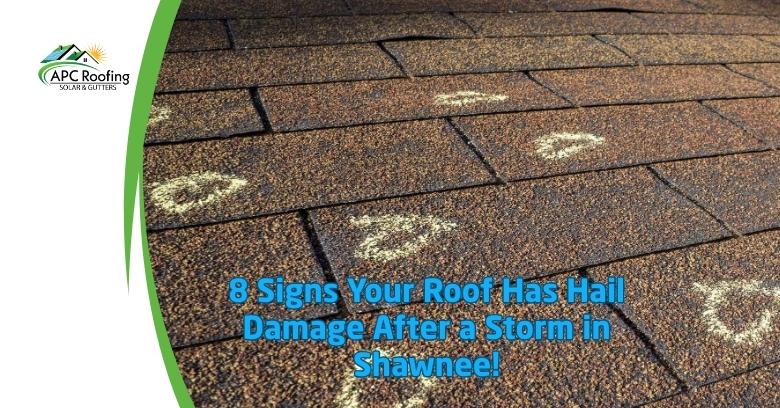
At the colder end of our territory, spring storms drop the heaviest stones, and a few minutes of that can change a covering for good. A hit presses the mineral coat into the mat sitting beneath, and the struck spot goes soft under a thumb.
What stops rain from reaching a deck lies under the topmost grit, which is why a weak spot at that depth matters most. A struck area of a shingle runs down faster than a sound area beside a struck spot, and small failures appear here and there once hail has covered a broad stretch.
The Overlooked Fixtures – Damage With No Warning
Impact a shingle survives leaves a mark on a metal cap, and a mark like that does not heal the way flexible siding might. A cracked collar no longer grips a pipe a collar once surrounded, and the water that follows shows up in a room below. A dented gutter can still carry water as designed, though a squashed downspout keeps the length above a squashed section from emptying out.
Lighter items up on a roof get checked the same way as the shingles, which keeps a whole roof in one set of findings. Small dings in the metal and craters in the asphalt tend to come from a single storm, and the damage on that hardware is a reasonable clue to how the shingles have held up.
A Story in the Grit: More Than Dirt
Crushed rock on a shingle's surface stands between sunlight and the asphalt below, and a bare patch left exposed hardens and splits within a season. A hard rain washes displaced grains all the way to a gutter, so a drift of sand at that point tells a roofer something worth knowing.
Asphalt left bare stiffens and splits as the seasons pass, so a minor patch grows into a larger fault over time. Whatever collects at an outlet used to be part of the covering, and the quantity found says something about how hard a storm hit.
Wind-Blown Rain: Where Water Is Not Meant to Go
A lapped run of shingles handles whatever comes from directly above, so an angled gust finds a route no course was designed for. An open soffit can draw damp air upward into the attic space, so the deck nearby can darken with no tear anywhere on the slope.
A Branch Across a Slope: More Than a Scrape
A hard knock concentrates pressure into a tight area, which puts extra strain on whatever framing lies beneath. Boards can splinter under a blow the surface layer survives, so an inspection covers both the top of the slope and the space beneath.
A branch dragged across a roof by wind scours curved tracks through the granules, so the pattern left behind traces how far that motion carried. Getting to a split panel calls for removing the covering above the crack first, which is why a small hit can turn into a larger job.
Reading the Underside of a Deck – Quick to Check
Open sky glimpsed from within means a piece of the covering is gone, so a person can pin down the location before ever climbing outside. Wet plywood darkens, and the tips of nearby nails often show rust, and every mark narrows on the way toward one likely spot.
Compressed insulation records a history of repeated soaking over time, because crushed fibers hold far less warmth than fibers left airy. Wind forcing air through an opening can carry moisture well past the covering, and knowing that is worth confirming before anyone opens the slope.
What Shows Up Indoors – the End of a Long Path
A brown ring on the drywall lands downhill of where rain first entered, as water follows the wood down to the lowest reachable point. Bubbling up above means the finish has separated from the board beneath, which is why nobody should judge a covering by what shows up below.
A dripping recessed light is reason enough to shut off that circuit, and only after that switch is confirmed off does the cleanup begin. Dampness at the top of a wall adjacent to a chimney can run down inside the chase, so counterflashing set into the mortar gets a close look in a case like that.
Where Surfaces Come Together: What a Gale Finds
Segments set against a sidewall rely on both a proper lap and a secure fastener, and one weak point undermines the protection for the entire span. Wind lifting a rake edge can peel that length of metal back off the trim underneath, and the damage travels along that whole run once the break starts.
Ridge-cap fasteners bite directly into the deck beneath the caps, and slack fastening opens the seal on the seam sitting beneath. A raised end on a vent lets rain slip in under the baffle, and the volume getting in through a gap like that is large, not a trickle.
Openings for Daylight – What a Storm Finds
A curb under a skylight is built above deck level for a reason, so runoff gets sent aside long before reaching the seam. A blow can shatter the outer glass of the unit and spare the inner one, and the assembly comes out complete rather than in pieces.
A polycarbonate cover can take a hit and end up scored across the surface, and a small fracture can widen with every hot afternoon that follows. A misted panel between two layers of glass is beyond ordinary cleaning, and the surrounding curb is a separate matter from that fault.
When the Rate Climbs Too High: What Overflows and Why
A cloudburst can push more water at a trough than that trough can hold, which sends standing water toward the wall rather than clear of the house. Buildup at a drop point can turn an entire drain line into a stagnant pool, so weight from that backup can pull at the brackets holding a length in place.
Not the Final Answer – Anchored, Not Weighted
A patch of poly over a break can buy time until conditions allow proper work, though nothing about that covering is built to last for long. A covering battened along every edge stays firm without further help, and screws for that step land in framing, not merely in the covering.
A sheet left loose at the corners can turn into a sail in a stiff wind, and a house can end up exposed again for anyone to see. Fasteners set into an undamaged course create holes that need sealing afterward, and fastening for a cover stays confined to the area already broken.
Keeping Everything in Order: Useful Later On
Photographs are taken of the whole house while conditions still match what a storm left behind, and nothing gets tidied up or moved before that record is made. A short account describes the shape and extent of each damaged spot, and a ruler answers what the eye alone cannot.
Conditions keep changing what a later look would actually find, and marks seen now may look different again next week. Anyone reviewing the file sees the same pictures and notes a homeowner already has, and the record describes the roof, and nothing beyond the roof.
When Everyone Arrives Together: Worth a Second Thought
Canvassing teams can appear on a block within a week of a bad night, though picking the sound ones out from the rest can be difficult. A deal reached at a front door carries the same weight as one signed indoors, so a careful reader takes that stack of pages inside before making any commitment.
A firm listed at a local address remains easy to reach later on, and follow-up down the road stays possible with that kind of outfit. A deal that cannot survive a single night of thought is not worth taking, so there is no harm in declining to agree to anything on the spot.
Weakness That Compounds: Picking Up Where Things Left Off
A roof that lost some grip once needs less wind the next time to lose more, and less force is required with each fresh round of damage. A shingle bent back far enough to crease keeps a permanent line across the whole width, and water can find that same flaw on a future occasion.
Runoff with an established route moves along that route with little resistance, so work that started on a roof can spread into the rooms below. Delamination can begin wherever dampness settles between the layers underneath, which turns what should be a simple job into a larger, structural one.
Things Worth Checking After a Storm: Notes Worth Keeping
- Shingles out of line on a single plane, easy to spot from a sidewalk.
- A pitted cover on a stack or a vent, wherever thin sheet sits exposed.
- Sandy drifts along a gutter run, heaviest right after a hard rain.
- Sky seen through the boards overhead, anywhere along a ridge line.
- A brown ring on a ceiling that grows after rain, however small a mark looks at first.
- Peeling near the top of a wall, appearing only after heavy weather.
- A star-shaped crack in a plastic cover, or daylight showing where the unit meets the roof.
- A length of gutter holding trapped water, where a fall has gone visibly wrong.
How APC Roofing Takes On Hurricane Damage Roof Repair in Orlando Florida: Plainly Explained
An inspection begins outside, along the lawn and the drive, before anyone climbs, so anything unusual gets flagged before the review wraps up. Every roof plane gets covered wherever the pitch allows safe footing, and the space beneath the deck gets examined from the attic.
The results get measured, pictured and set down in writing for the file, and each page gets built so a reader can trace every point on the house. Each recommendation arrives together with reasons that hold up under questions, and the choice of what to do next belongs entirely to the homeowner.
Hurricane Damage Roof Repair Throughout Orlando Florida – Inspected and Measured
Reach us at 407-270-1129 to have a roofer come out.
A Slope Massed With Snow – Ready for Tougher Conditions
In the colder end of our territory, a deep white blanket bears down on the framing beneath, and rain soaking into the pile adds weight that dry powder never carried. A frozen lip at the overhang can hold melt above that point, and a downspout assembly can come down when solid buildup pulls hard enough.
Up at the colder end of our territory, a lower roof beside a taller section collects drifting snow, and one section can carry many times what the rest of the roof holds. A mass shedding off the eaves can strip away hardware never meant to hold that force, and hangers can bend under strain from a sudden release like that.
The Toll Taken Near the Water – Strain That Builds Fast
The coastal end of our territory sees systems that last from morning into evening, and exposed metal there can rust sooner than metal set inland. A load held that steadily can work fasteners loose in a way a brief burst never would, and failures can multiply the more that sort of weather lingers.
Rain driven sideways can get behind siding as well as under shingles during a hard storm, which is why the whole house gets checked after a storm like that, not just the roof. Along the coast, roofs typically go on with extra fastening at rakes and eaves, which any patch in that region has to respect.
A Fix That Blends In – What Stands Out Up Close
Material from a current production run differs in tone from shingles baked by years of sun, and nothing leaves a factory looking weathered. A repair on the street-facing side can be noticeable from the sidewalk, which some homeowners accept and others would rather avoid.
An older style no longer sold gets replaced with something comparable, which is worth knowing before work begins. A slope covered in individual patches tends to read as pieced-together rather than one continuous surface, so a homeowner sometimes chooses to redo one full side instead of patching further.
The Completed Slope – the Details That Hold Up
The row over a repair sits flush against the deck below, and the joints stagger the same way the earlier courses did. Metal at a wall gets stepped in stages as the shingles rise, and caulk never ends up as the thing actually keeping water out.
No fastener shows on the visible face of a completed area, and nothing sits crooked or cuts through the mat underneath. A photo of new work, dated, becomes useful the next time a question comes up, since later wear can be judged against a clear starting point.
If you searched for Hurricane Damage Roof Repair after bad weather in Orlando Florida, get in touch with APC Roofing at 407-270-1129 to have the shingles looked over in person. What is up there gets inspected, measured and photographed in full, and any question that comes up gets answered on the spot.
Verified

Verified
Verified
Verified
Verified