Considering 3-Tab Shingle Roofing Across Holly Hill Florida?
APC Roofing lays new courses of strip and laminated products for homes of every age and size.
Reach us at 386-356-2111 and a visit will show what condition everything is in.
Components and Construction: Plant to Pallet
Each shingle is built on a fiberglass mat for strength, while an asphalt coating keeps water out, and mineral granules across the top guard against sun damage.
Two lines that appear matched may be put together quite differently, and a heavier build generally adds years on a house. Hue is all a sample chip can show, but a specification sheet names the ratings.
Flat or Dimensional: The Practical Contrast
A three-tab product is a single-layer piece with twin cutouts at the exposed edge, and a slope covered this way shows even, repeating rows. Architectural shingles join a full base ply to a shaped upper one, and the offset design reads as depth from the street.
Thicker double-layer shingles weigh more across a slope, and the rated wind resistance usually rises too. Nails on a dimensional shingle go through the zone where the plies meet, and the maker marks the correct spot on each piece.
Uses for the Flat Style – Practical Niches
Three-tab commonly goes on a shed, a carport or a covered porch, and new work can blend with existing courses of that kind. Makers have pared back their tabbed lines, so an exact replacement can be hard to find.
A dimensional surface disguises minor unevenness in the sheathing, whereas a single-ply strip telegraphs each bump. Either style is laid over identical underlayment and metal details, so the difference lives entirely in the top layer.
Aging of the Top Coat – Early and Late Stages
Shingles fresh from the bundle drop leftover grains in their opening months, and that is no cause for concern. Thick deposits of grit below an old covering show that its surface is worn, and exposed asphalt turns brittle and splits.
Planes aimed south or west receive the harshest sun, so the damage is usually heaviest on them.
Sealant Lines: Early Weeks
A narrow glue stripe runs across every shingle, and warm days melt it just enough to anchor the next row. An adhered course resists gusts that try to pry up its lower edge, while nails hold every shingle for its whole life on the house.
On a chilly job at the colder end of our territory, sealant may sit inactive until spring, so a windy day can fold back tabs that have not taken hold. Makers' directions cover this with cement placed by the installer, and a printed diagram marks the spots and their spacing.
How Courses Are Attached: Height, Depth and Quantity
Nails are driven within a slim band set out by the manufacturer, and from there the shank reaches the top of the underlying row too. A standard shingle gets four fasteners, and six are required on steep slopes or in high-wind areas.
Nails placed high skip the course below, excess air pressure buries the head in the mat, and a slanted shank lifts the shingle laid over it. Every wind rating on a wrapper presumes the pattern was met, and a poorly adjusted pneumatic tool repeats its error across an entire plane.
The Wood Below – Older Houses
Shingles are fastened to a deck of plywood or OSB, since fasteners must bite into something continuous. Houses built for wooden shakes often have gaps between their deck boards, and new sheathing bridges them before any shingles.
Rotted and spongy spots are replaced while the framing is open during a tear-off, since a shank in crumbling fibers cannot hold. A little clearance is kept at every panel seam, because wood swells in humid weather and buckles without room to move.
The Middle Layer: Felt or Synthetic
Before any shingles go down, a water-resistant membrane is rolled over the deck, and it goes down in horizontal runs that lap downhill. Synthetic material has taken over from traditional felt on most jobs, as the newer option is lighter, stronger and less prone to wrinkling.
Moisture that sneaks beneath a shingle is carried off by the membrane, yet leaving it bare for long shortens its useful life.
Guarding Against Ice Dams: Width That Counts
At the colder end of our territory, heat leaking from the house thaws the snow on the upper slope, and a frozen band builds along the chilly lower edge. Water pooling behind that buildup can back up under the shingles, and standard felt or synthetic sheet does not close around the nails.
A rubberized self-adhering membrane is laid along the eave where ice dams form, and it runs past the interior face of the outside wall. Everywhere in our territory, it is also a regular choice for valleys and around chimneys, since runoff lingers at every such detail.
Finishing the Borders: Order of Layers
Every eave and rake gets a formed strip of metal, and the lip carries water clear of the fascia. Down low, the flashing is installed before the underlayment, and at the gable ends that sequence is reversed.
A modern code commonly calls for edge metal along every border, since rain otherwise wicks under and rots the sheathing.
Base Row Details – Rakes Too
A purpose-made starter strip lines the bottom of every slope, and its glue stripe sits at the extreme outer margin. A rotated field piece strands the adhesive several inches up, so nothing but nails holds the lowest border down.
The sloped gable edges frequently get starter strips too, since uplift is not limited to the eaves.
Inside Corners: Construction Methods
An open valley shows a strip of metal running down the crease, while the closed-cut version clips one side's courses along a snapped line. Weaving is a long-standing technique for thin, flexible tab shingles, but thick laminated shingles bend poorly that way.
Nailing close to the fold is avoided, and a peel-and-stick liner covers the wood below. A mat of leaves lodged in a valley traps water and grime, which can push rain beneath the trimmed shingles.
Brick and Framing Edges – Frequent Leak Points
Along a sidewall, a bent L-shaped step flashing is woven in with each course, and the exterior finish hangs down across the standing half. At the low corner by the house, a kickout piece bends outward, since water left alone tracks into the sheathing.
Chimney flashing combines a front apron, side steps and counterflashing cut into the brick joints, and a large stack gets a saddle that sheds water both ways.
Roof Penetrations: Wear Over Time
A typical boot is a metal or plastic plate carrying a flexible collar that grips the pipe, and ultraviolet exposure dries the gasket out and cracks it. Courses above lap over the flange's top edge, so runoff flows across the downhill side instead of under it.
Rubber collars commonly split long before the field gives out, and a tear-off is the natural time to change every boot.
Along the Peak: Cold and Cracking
Cap shingles close the ridge and each hip, and on a laminated covering the manufacturer supplies a thicker matching version. Pieces cut from strip shingles are much thinner, and in a hard freeze at the colder end of our territory the bend can split.
An exhaust vent commonly sits under the ridge caps, so longer fasteners go through it to anchor in the decking.
Breathing Room Above the Ceiling: Balance
Outside air should come in through vents under the eaves, while a slot along the ridge lets it rise and exit. Blown fill crowding the corners can cut off movement, so baffles are installed to keep a clear gap.
Without airflow, an attic bakes the boards from below, and it also holds moisture rising from the house. At the colder end of our territory, frost gathers on exposed nail points on a freezing night, and the water runs down as the day goes on. Mixing a ridge vent with gable louvers or a powered fan can short-circuit the flow, because suction then draws from the nearest opening instead of the soffits.
Across Our Range – Humidity and Wind
The area we serve spans cold, dry high country and warm, wet flatlands, and asphalt meets a different set of stresses in each. At the coastal end of our territory, the large storm systems blow for hours, and product sheets set out an enhanced nailing method. Strong sun, season after season, makes the coating brittle, while streaks spread faster where the air stays sticky.
At the colder end of our territory, ice forming in hairline cracks forces them apart, and packed snow sits on the slopes for days.
Frozen Pellets: What a Strike Does
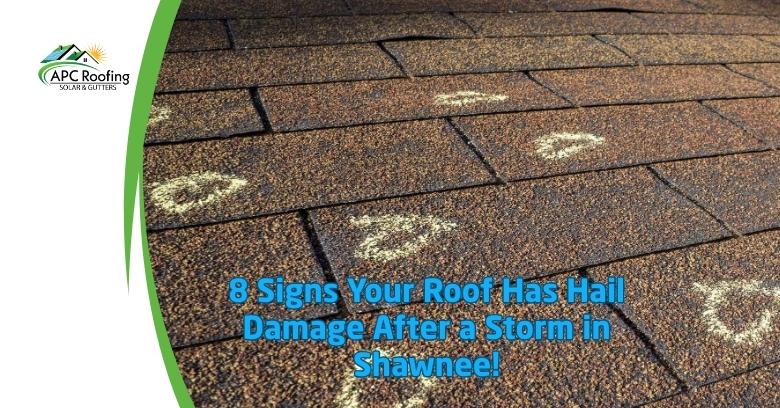
At the colder end of our territory, big hail visits many neighborhoods, so shingles designed to resist impact are widely sold. A single stone can leave a dark circle where the granules came off, and a violent one can split the reinforcement beneath.
An impact class is assigned after steel balls are dropped on samples in a lab, and a tougher product shows less damage afterward. Certain makers blend a rubbery polymer into the coating, which lets the shingle flex instead of shattering.
Gusty Days – Putting Things Right
The eaves, rakes and corners take the heaviest upward pull, so any piece that has come unstuck shakes in each blast. Bent up past a certain point, a tab takes a crease across it, and the damaged spot stays weak for good. A shingle hurt like that is replaced with a new one, while a loose but unharmed one takes a few dabs of cement.
Gaps where tabs tore away expose the membrane to sunlight, and it was never made to stand up to daylight.
Streaks and Moss: Cause and Care
Blackish trails are colonies of algae, which survives by feeding on limestone filler. Growth spreads quickest on shady faces at the humid end of our territory, though the color change is mainly cosmetic.
Moss is a different matter, since it holds water against the surface, and its roots creep under the tabs and pry them up. A pressure washer blasts granules off along with the growth, while a soft rinse with a roof-safe cleaner does the job without damage. Many makers offer algae-resistant lines with copper in the coating, and a zinc strip near the crest slows the streaks' return.
What the Color Changes: Mixing Bundles
Darker shingles get noticeably hotter under a midday sun, while a light gray or tan stays cooler. Some brands coat their granules to bounce back more heat, and their performance is published as a reflectance value.
A pallet from one batch can look a touch off from another, and the recommended practice is to shuffle packs during installation. Blends that combine many colors mask small mismatches, while a uniform finish lets them stand out.
Walking on Asphalt – Weighing the Risk
Strong sunshine warms the bitumen until it goes pliable, so treads rub the stone off in patches. At the colder end of our territory, a frozen shingle can snap under a knee or a boot, while frost at dawn makes the footing treacherous.
The ground is the right place for anyone without roofing gear, and a good pair of field glasses picks up loose or missing pieces.
Covering What Is There: What Gets Missed
Rules across much of the country accept an overlay over an original roof, though not where two are already down or the sheathing is soft. A layover keeps the worn shingles sitting on top, and damaged sheets end up sealed beneath the added material.
Irregularities beneath carry up into the finished roof, and weathered flashings are often reused rather than replaced. A second layer's load sits on framing chosen decades ago, while the fasteners need more length to bite into the boards.
Clues to Notice – Worth a Closer Look
- Mineral grains build up in the gutter troughs, and more arrives after every heavy rain.
- A few tabs sit raised above their neighbors, so the adhesive strip has given way.
- The lower margins cup into a shallow dish, since age and heat have stiffened the material.
- Cracks run across the tabs, and the mat underneath takes on water.
- Some spots look dull and flat, so the base is bare to sunlight.
- The seal around a plumbing stack has cracked, so moisture can track down inside.
- Counterflashing at a chimney has worked out of its joint, and gusts can push weather in behind it.
- A brown ring shows on a ceiling, while the opening outside can be several feet off.
How APC Roofing Takes On 3-Tab Shingle Roofing in Holly Hill Florida: Findings You Can Use
Every slope is walked first during an inspection, taking in the valleys, the vents, the flashings and the edges. Up in the attic, stains and daylight are sought out, and darkened boards on the underside show past leaks.
Anything wrong is photographed, and damaged areas are measured. Everything found is set down in writing, and each recommendation carries its reasons. Small faults are labeled as small, while a covering at the end of its life is called that. The homeowner decides what comes next, from a single repair to a full replacement.
3-Tab Shingle Roofing in Holly Hill Florida: a Careful Look Before Any Advice
Call 386-356-2111 to have someone come out.
Small Fixes and Full Jobs – Reading the Signs
Trouble at a boot, a flashing or a few scattered tabs is normally dealt with by a repair, while the surrounding shingles are left alone. Fresh shingles stand out against faded neighbors at first, while the exact style may no longer be made.
Old shingles snap when they are bent up to free a fastener, so the disturbed zone keeps widening. If hard, curled courses run from eave to ridge, a new covering is the sensible answer.
Useful Lifetime: Extending the Span
On three-tab, fifteen to twenty years is normal, while laminated lines often reach close to thirty. Heat, ventilation and fastening all push the number up or down, and a severe storm can cut a covering's life short.
The vent collars and flashings deserve an occasional look, because minor gaps closed promptly spare the sheathing.
For a roofer's view of 3-Tab Shingle Roofing in Holly Hill Florida, dial APC Roofing at 386-356-2111. Each slope is walked and every detail checked, and a written report leaves the choice with you.
Verified

Verified
Verified
Verified