Weighing Shingle Roof Repair Around Denver Metro Area?
APC Roofing re-covers slopes with laminated or flat strip products for homes of every age and size.
Call us at 720-902-6940 and someone will come out and explain what is up there.
Anatomy of a Covering – Raw Ingredients
A fiberglass mat gives each shingle its strength, and asphalt spread over the sheet stops water, and stone granules pressed into the upper face block sunlight.
Products that seem alike from the driveway can vary a good deal underneath, and weight per square often tracks with durability. Hue is all a sample chip can show, while the maker's data sheet lists wind and impact ratings.
Strip Versus Laminated: Appearance and Build
A three-tab product is a single-layer piece with twin cutouts at the exposed edge, so the overall look is orderly. Architectural shingles are built as a base with a second, trimmed ply fused on top, so the uneven profile casts shadows.
The heavier laminated construction puts more asphalt on the deck, and a stronger wind class is commonly assigned. On a two-layer shingle, fasteners belong in the band where both plies overlap, and the maker marks the correct spot on each piece.
Strip Products in Use: Sensible Settings
Outbuildings and porches are frequent homes for three-tab, and new work can blend with existing courses of that kind. Makers have pared back their tabbed lines, and a favorite shade may be gone for good.
Laminated shingles hide small dips in an older deck better, whereas a single-ply strip telegraphs each bump. Either style is laid over identical underlayment and metal details, while the shingle alone sets the two apart.
Aging of the Top Coat: New Versus Worn
A freshly laid covering releases surplus grains during its opening months, and the amount tapers off quickly. Thick deposits of grit below an old covering show that its surface is worn, and exposed asphalt turns brittle and splits.
Southern and western slopes absorb the hottest light, so bald patches tend to appear there sooner.
The Thermal Adhesive: Limits in Cold Months
Every shingle arrives with a sticky asphalt stripe, and bright sunshine activates it so the row above clings. A stuck course stands up to gusts that would otherwise flip its edge, but nails remain the main fastening for the life of the covering.
In the cold months at the colder end of our territory, sealing can take many weeks to happen, and wind can peel back the tabs before then. Dabs of asphalt cement applied by the installer are what makers specify in that case, and a printed label spells out quantity and spacing.
Attachment Basics: Height, Depth and Quantity
Nails land in a slim target stripe laid out by the manufacturer, so the shank also grabs the upper margin of the row beneath. A standard shingle gets four fasteners, and six are required on steep slopes or in high-wind areas.
A misplaced high nail leaves the lower course loose, a head sunk too deep tears the fiberglass, and a crooked shank makes a bump that wears through the shingle above it. The wind resistance stated on the package depends on the specified pattern, while one misadjusted compressor can spoil every drive on a job.
The Wood Below: Types and Condition
A deck of plywood or OSB lies beneath every shingle, because a fastener driven into nothing holds nothing. Many older homes still have spaced boards left from a wood-shake era, so sheathing is laid across them before shingles.
Sections that are soft, delaminated or rotted get cut out and replaced during a tear-off, because fasteners in decayed stock work free. Installers leave a slim gap where sheets meet, because expansion from humidity has to go somewhere.
Underlayment Basics: Modern Options
Shingles never go straight onto bare decking, since a water-resistant membrane comes between, and it goes down in horizontal runs that lap downhill. Felt paper has mostly given way to synthetic underlayment, because the newer product weighs less, tears less easily and lies flatter.
Water blown under a lifted tab runs down the membrane to the gutter, but it was never designed to serve as the only covering.
Peel-and-Stick Protection: Seasonal Detail
At the colder end of our territory, attic warmth melts snow on the upper slope, and meltwater hardens again once it reaches the cold rim. Trapped water behind the blockage creeps higher beneath the courses, and standard felt or synthetic sheet does not close around the nails.
A rubberized self-adhering membrane is laid along the eave where ice dams form, and it continues until it passes the wall line inside the house. In all of our territory, installers also lay it in valleys and around penetrations, since flow concentrates in such places.
Perimeter Flashing: Order of Layers
Every eave and rake gets a formed strip of metal, and a flange throws runoff away from the fascia. At the bottom of the roof, the flashing goes beneath the underlayment, and at the gable ends that sequence is reversed.
Codes across much of the country list edge metal as required on every perimeter of the covering, as water tends to wrap under an unprotected rim.
Base Row Details – No Substitutes
Under the first visible course lies a starter strip, and its glue stripe sits at the extreme outer margin. A reversed field piece puts its sticky band too far up, so the outermost tabs are pinned by nails only.
Makers often specify a starter product up the gable sides too, because suction acts along the outer rims.
Junctions of Adjoining Planes – Methods Compared
An open valley shows a strip of metal running down the crease, and the closed-cut type carries one side's courses through while the other side is cut back. Interlacing rows from each plane suits single-layer products, but thick laminated shingles bend poorly that way.
Nailing close to the fold is avoided, and a waterproof underlayment is laid beneath along the full run. Debris packed into a valley stays damp long after rain ends, and diverted water can work under the neighboring courses.
Tie-Ins to the Structure: Water Shedding Order
A separate step flashing is tucked under each course where the covering meets a wall, and a counterflashing or trim board covers the raised leg. Where the eave stops against the house, a kickout diverter goes in, because otherwise rain soaks the framing.
Chimney flashing combines a front apron, side steps and counterflashing cut into the brick joints, and a large stack gets a saddle that sheds water both ways.
Plumbing Protrusions: Timing a Swap
A typical boot is a metal or plastic plate carrying a flexible collar that grips the pipe, and the sealing ring stiffens and cracks as it weathers. The flange slips under the courses higher up, and the exposed foot lets water pass over rather than behind.
Collars often crack while the surrounding field still has years of wear left, so replacing the shingles means replacing the boots too.
At the Summit: Homemade Shortcuts
Cap shingles straddle the ridge and run down every hip, and architectural work uses a factory-made accessory. Tabs cut from single-layer shingles make a thinner substitute, and at the colder end of our territory a freeze can open splits along the bend.
Many peaks hide an exhaust vent under the cap row, so the nails must be long enough to pass through it and bite the sheathing.
A Healthy Upper Story – Heat and Moisture
Fresh air is meant to enter low through soffit vents, and a ridge exhaust lets it out. Insulation that spills into the narrow cavity over the walls can shut the passage, and foam or cardboard baffles hold a channel clear.
Without airflow, an attic bakes the boards from below, and moisture from the living areas lingers up there. At the colder end of our territory, frost can form on the nail tips poking through overhead, and the thaw sends droplets onto the ceiling. Combining different exhaust types can make one vent pull air in through another, which leaves the eaves without movement.
Regional Demands: Wind, Sun and Winter
Our service area stretches from high plains to subtropical towns, and each setting wears on asphalt differently. At the coastal end of our territory, the large storm systems blow for hours, so manufacturers list a high-wind nailing schedule. Months of intense sunshine slowly bake the binder, and moist air lets algae take hold.
At the colder end of our territory, water that seeps into a crack freezes and widens it, and heavy snow adds weight on top of that.
Ice From the Sky – Reading the Strikes
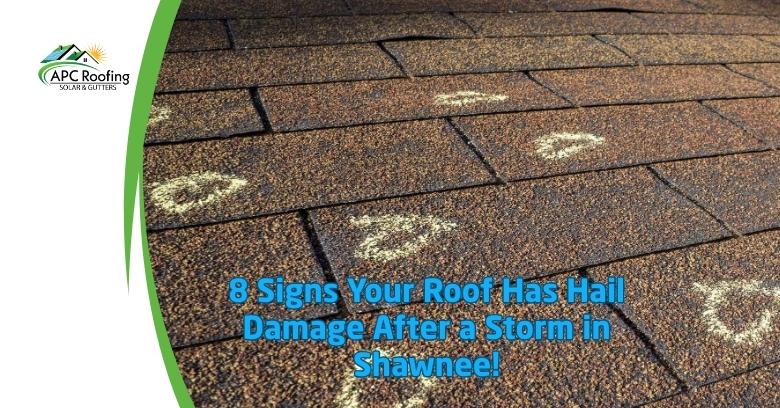
At the colder end of our territory, hail falls in many storm seasons, so shingle lines that stand up to it are common. Where a stone lands, the granules break away in a round mark, while a heavier blow may bruise right through to the mat.
Impact ratings come from a laboratory test that drops steel balls on the shingle, and the stronger lines come through in better shape. Certain makers blend a rubbery polymer into the coating, and the extra give absorbs part of each blow.
Wind on Asphalt – Putting Things Right
The eaves, rakes and corners take the heaviest upward pull, so any piece that has come unstuck shakes in each blast. A tab flipped over by a gust carries a scar across it afterward, and the break in the mat will not heal. A shingle hurt like that is replaced with a new one, while a loose but unharmed one takes a few dabs of cement.
A missing tab leaves bare underlayment facing the sky, and rain then has only that thin layer to get past.
Living Things Up Top: Cause and Care
Blackish trails are colonies of algae, and it feeds on limestone filler in the shingle. At the humid end of our territory, the shady side of a building is where it spreads, and the stain itself is mostly a cosmetic problem.
Moss matters more, since it keeps the courses damp, and as clumps thicken they wedge the tabs upward. Power washing tears granules loose as it goes, while a cleaner applied gently loosens the film. Algae-resistant designs mix copper into the surface, and zinc bands near the top release traces that discourage regrowth.
What the Color Changes: Mixing Bundles
Deep tones take in more solar warmth and reach higher surface temperatures, while a light gray or tan stays cooler. Certain companies make granules designed to scatter infrared rays, and a measured reflectance number comes with them.
Shingles from separate production runs may not match exactly, and makers advise mixing bundles across a slope. Blends that combine many colors mask small mismatches, while a solid, even finish reveals them more readily.
Going Up Top: Care Underfoot
A sun-baked covering loses its firmness, and every tread grinds granules loose. At the colder end of our territory, frozen tabs split beneath a person's weight, and a glaze of ice leaves nothing to grip.
Staying down below is wiser for a homeowner, and a pair of binoculars shows most of what matters.
Laying Over the Old Covering – Hidden Trade-Offs
Local regulations commonly accept an overlay over an old roof, but not where two are already stacked or the wood is damp and decayed. Leaving the first layer on keeps the decking covered the whole time, and weak spots stay just as they were.
Every ripple below telegraphs to the surface, and weathered flashings are often reused rather than replaced. A second covering adds weight to rafters that were sized for one, and short nails end up anchored only in the old shingles.
Things That Turn Up – When to Call
- Dark sand gathers where the spouts empty, and the heaps come back after each cleaning.
- Pieces are missing and bare underlayment peeks through, and wind has pried the adhesive apart.
- The lower margins cup into a shallow dish, since age and heat have stiffened the material.
- Cracks run across the tabs, and the mat underneath takes on water.
- Parts of a slope look darker and slick, because the granules there are gone.
- The gasket at a vent has shrunk away from the stack, so moisture can track down inside.
- Metal along a wall has pulled loose, which lets wind-driven rain in behind it.
- A brown ring shows on a ceiling, while the opening outside can be several feet off.
How APC Roofing Works on Shingle Roof Repair in Denver Metro Area – Plain and Careful
An inspection opens with a walk over every slope, with a close look at the valleys, vents, flashings and edges. From inside, the attic is searched for water stains and pinholes of light, since the underside of the deck keeps the marks of any old leak.
Anything wrong is photographed, and damage is measured where size matters. The findings are written up in plain language, and each suggestion is explained. A small fix is described as small, and a tired covering is spoken of honestly. Which way to go is up to the homeowner, be it a repair, a replacement or no work yet.
Shingle Roof Repair Throughout Denver Metro Area – Inspected, Photographed and Explained
Call 720-902-6940 to arrange a visit.
Small Fixes and Full Jobs: Where the Line Falls
Changing a boot, resealing a flashing or swapping a few torn tabs is everyday repair work, while the surrounding shingles are left alone. A replacement piece looks brighter than the aged ones around it, and the original product line may have been discontinued.
Old shingles snap when they are bent up to free a fastener, so a small job can spread to the pieces next to it. If hard, curled courses run from eave to ridge, a full tear-off is the honest recommendation.
Time on the House – Estimates, Not Promises
Flat three-tab designs usually run fifteen to twenty years, while dimensional ones often manage a decade more. Ventilation, exposure and fastening decide where a given covering lands, while a hard storm can override every estimate.
The vent collars and flashings deserve an occasional look, since a crack caught in time stays a small job.
If you are planning Shingle Roof Repair in Denver Metro Area, call APC Roofing at 720-902-6940. Every slope, edge and flashing gets a close look, and the findings reach you in writing so the decision stays yours.