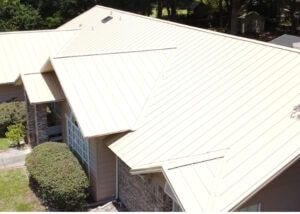
The wind howled all night, and this morning there are shingle pieces in the yard and a strip of something flapping along the roof edge. Wind damage roof repair in Denver usually starts this way, with a few obvious pieces missing and a nagging question about what you can’t see from the driveway. Is it a quick fix, or did the wind loosen more than it looks like?
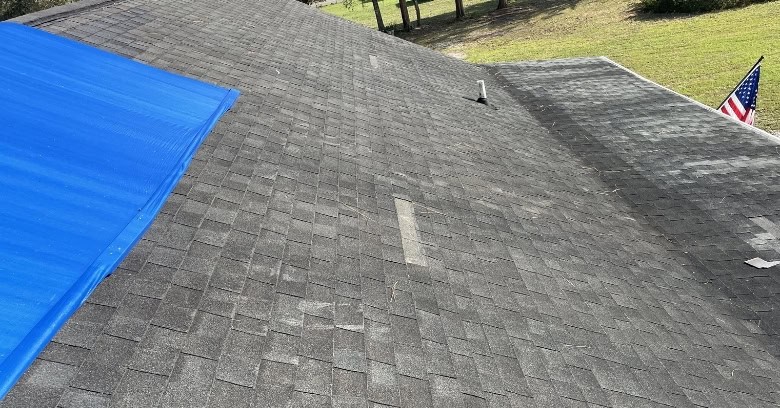
You also don’t want to get talked into a bigger job than you need, or to wait so long that the next storm turns a small problem into a leak. Both worries make sense. You should get a clear answer, with photos, before you decide anything.
APC Roofing is a GAF Certified roofing contractor, licensed and insured, and we inspect wind-damaged roofs across the Denver metro for free. Call 720-902-6940 to set up a visit, or see our roofing services in the Denver metro area.
What Denver wind does to a roof
The Front Range gets strong winds, and they don’t only come with thunderstorms. Gusty downslope winds off the mountains can blow for hours in winter and spring, and summer storms add sudden gusts, driven rain and often hail. A roof here takes repeated pulls from different directions over the course of a year.
Wind doesn’t push evenly on a roof. It pulls hardest at the edges, the corners and the ridge, while the middle of each slope sees less force. That’s why damage usually starts at the perimeter: a lifted tab at the eave, a torn ridge cap or a strip of drip edge bent back.
The sneakier damage is the broken seal. Each asphalt shingle is held to the one below by a strip of adhesive that the sun bonds after installation. A hard gust can snap that bond without moving the shingle at all. Everything looks fine until the next windstorm lifts the loose shingles, and rain gets to nails and wood that were dry before. A couple of unsealed shingles isn’t a big deal. A whole row of them is an open door for water.
Colorado’s big swings in temperature play a part too. Shingles get stiffer as they age, and a stiff shingle creases and tears in wind that a newer one would ride out. A wind rating on a shingle wrapper was measured on new material, so it says less about a roof that’s been through years of sun and cold.
Signs of wind damage on your roof
You can spot a lot from the ground. Look for:
- shingles, tabs or ridge caps in the yard or gutters
- shingles that look creased, lifted or out of line with their neighbors
- bent drip edge, flashing or vent covers
- a new water stain on a ceiling, which can show up a few feet from where the water actually got in
- daylight through the roof boards, or damp wood, if you can safely look into the attic
- a leak that only appears when wind drives the rain sideways
Wind also throws things. A limb that hits the roof can crack the decking under shingles that still look normal, so we check those spots from the attic and by feel.
What to do after a windstorm
Stay off the roof. Take photos from the ground and from inside, and note the date of the storm. If water is coming in, a tarp wrapped over the ridge and fastened along its edges can hold for a few weeks, but it’s a stopgap. A tarp left up for months can damage the shingles under it.
Then get a full inspection. Wind damage that isn’t leaking yet is still worth finding before the next storm.
How we inspect and repair wind damage
We look at the whole roof, not just the spot that caught your eye. That means checking for broken seals and lifted shingles along the edges and ridge, looking at the flashing, vents and pipe boots, and going into the attic for water stains and cracked boards. We photograph and measure what we find, slope by slope, and you get a written report. The sections that came through fine are in there too.
Many wind repairs are straightforward. Loose shingles get resealed or replaced, missing ridge caps go back on, and bent flashing and drip edge get replaced. If damage is spread across most of the roof, or the shingles are too brittle to repair without breaking the ones around them, we’ll show you why replacement makes more sense.
Windstorms here often come with hail. If yours did, our hail damage roof repair in Denver page covers what hail does and how we document it. For other kinds of storm damage, see storm damage roofing in Denver.
Wind damage and insurance
If you decide to file a claim, you file it with your insurance company and you pay your own deductible. We document the damage, provide a detailed estimate and work with your adjuster so everyone is working from the same facts. Our insurance roof claims in Denver page explains how that works.
How it works with APC Roofing
- Book your free inspection. Call 720-902-6940 or request a free online estimate.
- Get a clear, honest assessment and estimate. You’ll see photos and a written report, with problems ranked by how urgent they are.
- Get your roof repaired and your yard cleaned up. The crew finishes the work and sweeps your yard and driveway with a magnet before leaving.
If you need to spread out the cost of a bigger job, we work with financing partners including Aqua Finance, Fortifi, Hearth and Home Run Finance.
Wind damage roof repair in Denver: common questions
Can a few missing shingles just be replaced?
Usually, yes. The catch is the shingles around them. If they’ve lost their seal or gone brittle, we’ll reseal or replace those too so the repair holds in the next wind.
My roof isn’t leaking. Should I still have it checked?
It’s a good idea. Broken seals and lifted edges often don’t leak until the next storm drives rain under them. Finding them now keeps the repair small.
Does homeowners insurance cover wind damage?
Wind damage is often covered, while normal wear and age usually aren’t. Your policy decides. We’ll document what we find so you and your adjuster have clear facts.
How do I tell wind damage from an old roof?
Wind damage tends to show up at the edges, corners and ridge, with creased or missing shingles. An aging roof looks worn more evenly, with granule loss and curling across whole slopes. Sometimes it’s both, and we’ll show you which is which.
A roof that holds through the next storm
Leaving wind damage alone rarely saves money. Once water gets past a lifted shingle, it soaks the decking and insulation, and a quick repair grows into a bigger one. You don’t need to rush. It just helps to know what you’re dealing with.
The next time the wind picks up, you sleep through it. Your roof stays put, your ceiling stays dry and there’s no surprise bill. Call 720-902-6940 to book your free inspection, or start with our free online estimate.