Searching for Steel Roofing Here in Denver Metro Area?
APC Roofing lays new panels and brings worn coverings back into shape, on houses, garages, porches and outbuildings.
Phone 720-902-6940 and a roofer will look closely and explain plainly what is up there.
Naming a System – A Glance Up
Screw-down panels, corrugated or ribbed, are fastened with screws through the exposed metal, while standing seam is attached with clips tucked inside raised joints. Steel with a protective coating covers most houses that have metal, while aluminum and copper account for a minority.
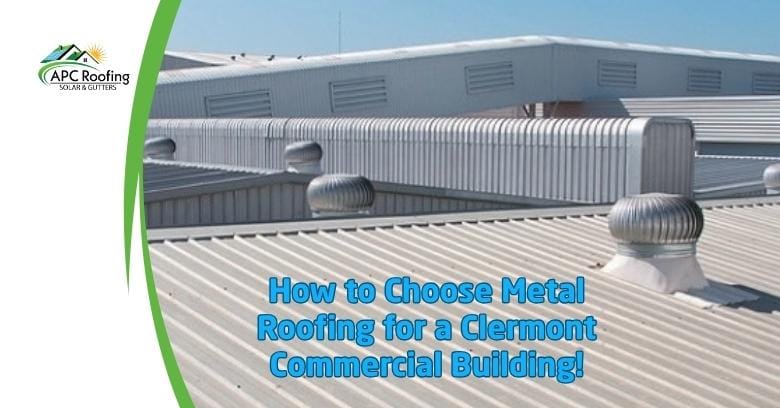
Screw heads marching in rows, easy to spot from below, point to exposed fasteners, while flat pans divided by upright folds with no hardware showing are standing seam. Pole buildings, sheds and porches frequently get ribbed sheet, while residences take either style.
Rolled Shapes: Old Look, New Look
Corrugated goods swell and dip in gentle, repeating arcs, whereas ribbed kinds stand up in squared ribs with flat stretches between. Each sheet laps over a neighbor along a long edge, and every screw lands where a maker's layout calls for.
A ribbed profile stands up to flexing and can bridge wider gaps, while corrugated fits a period barn or a farmhouse style. Rib height governs how much water a long slope can move, and a lean-to or porch manages fine with a gentle pattern.
What Keeps Sheet Down: Small Parts, Big Job
A single screw pins the metal firmly to framing below, while a washer at each head keeps rain from following a shank. Years of sun and heat stiffen synthetic rubber until cracks form, and the panels usually last a great deal longer.
Too much torque flattens a washer at once, and a shallow or off-square setting never seals fully.
Fastener Replacement: Part of Upkeep
Washers on corrugated or ribbed panels give out as a group, so eventually a full new set of seals is needed. Tired fasteners are pulled one by one, and a bigger diameter is driven in to grip where an old thread stripped.
Re-fastening stops water at every head and holds down sheets that lift, but corrosion, parted laps and bad flashing are left as found. Thread type follows whatever support lies below, since lumber and steel purlins take different screws, and tops come painted to suit a colored finish.
Movement Through the Day: Room to Travel
A steel sheet grows in afternoon heat and shrinks back by dawn, and a long run adds up to a measurable distance, with aluminum going about twice as far. Metal held too rigidly wears fastener holes into slots, and water gets past a washer.
Popping and clicking on a sunny morning is expansion at work, and a well-built roof takes no harm from some noise.
Holding Down a Seamed Covering: Hidden Hardware
One short stretch of every long pan is pinned tight, while clips on every other section permit movement. Trim at an end that travels is bent with clearance underneath, and metal with no play winds up torn or kinked.
As a pan is laid, clips are driven into the deck along one leg, and a neighboring pan locks over every anchor.
Closing a Seam: A Choice With Consequences
A basic profile engages with a firm push along a full length, while other designs are crimped over by a machine. Double-lock construction resists uplift and ponding, so maker ratings reach lower pitches.
Profiles come in different widths and heights, and a choice depends on the home and a preferred style. Hardware and trim are sold for one system only, and a mismatch shows up as gaps and loose joints.
Stock Weight – Worth Confirming
Steel is described by gauge rather than inches, and a lower figure means more metal per sheet. Twenty-nine is a regular sight on sheds and pole barns, and homes typically get twenty-six or twenty-four.
For aluminum, sheet is sized in thousandths, and with either metal, a stouter panel holds shape. Different grades look identical once installed, so a label on a bundle shows what was delivered.
Rust Resistance – Aging in Sunlight
Raw steel is galvanized, or given an aluminum-zinc treatment, before shipping, and an oven-cured primer and color coat are applied on top. A scratch that stays within paint does no harm, while a sheared edge or a deep gouge lets rust begin.
PVDF systems keep color and gloss for decades, while polyester grades dull faster in strong sun. Wet mortar and fresh concrete attack an aluminum-zinc coating, so panels are kept away from a new chimney or stone wall.
Which Metal Suits: Salt Air
Aluminum has less mass than steel and cannot turn red with rust, though a thicker grade is needed to resist dents. Beside salt water at the coastal end of our range, protective layers wear away faster, and some makers limit steel products by distance from a shoreline.
Copper appears mainly as small roofs on bays and cupolas, and left unpainted, the metal darkens with age.
Mixing Metals: A Slow Chemical Fight
A copper pipe or flashing above steel sends corrosive drainage down over the panels, and streaks appear years ahead of perforation. Aluminum laid against treated lumber corrodes at every contact point, and fasteners of an unsuited metal leave a ring of damage.
Any added flashing or trim should be the same metal as what is up there, or a plastic barrier divides unmatched metals.
An Appearance Question – Why Installation Counts
In trade terms, oil canning describes soft ripples across a broad flat between seams, and a midday sun hides what a low evening sun reveals. Metal with a visible warp stays just as watertight, and the roof lasts no less.
Striations, heavier stock and narrower pans keep rippling in check, and careful handling on a true deck makes a difference. Photos of finished roofs give a fair idea of how much oil canning shows, and the final pick is yours.
Inside the House – Day and Night
Metal spanning open rafters, with air beneath, is what clatters, because nothing there soaks up impact. A dwelling puts decking, a membrane and insulation between the panels and any bedroom, and indoors, few people notice more noise than under asphalt.
Cool-pigment coatings return the bulk of the sunshine, so the space under the roof runs cooler. Dark metal heats up like any black roof on a clear day, and without venting and insulation, color alone does little. Panels cool fast at nightfall, and the attic eases off soon afterward.
Guards and Placement: Position Matters
Where winters bring real snow in our territory, slick panels shed a snowpack quickly, and a heavy sheet coming off in one piece can hurt a person or tear away a gutter. Rows of cleats hold a load back until melting clears the roof, with placement over doorways, decks and equipment.
Brackets on standing seam bite an upright fold, not a flat, while exposed-fastener sheet takes mounts screwed into framing, and at the warm end of our range snow gear is unnecessary.
Storm Marks – Photographs and Measurements
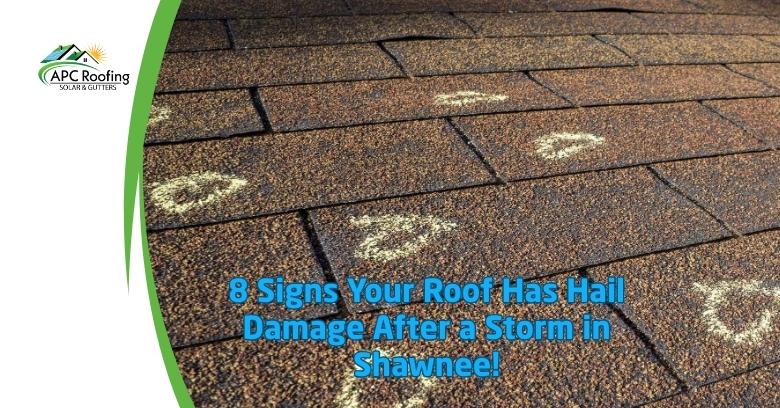
At the colder end of our territory, hail is a regular event, and a heavier gauge or striated pans resist dents better. Where a blow splits paint, bare metal can corrode, while a seam or trim edge pushed out of line may open.
Following a storm, our roofer takes pictures and measurements, and the depth of each dent is gauged.
Uplift: Layout Matters
Perimeter bands of a roof take a heavier pull than a central field, and an unfastened edge lets pressure build beneath. Finishing trim is hemmed and caught on a cleat for a whole run, and no gap is left to work into.
An attachment pattern grows denser toward every corner, per manufacturer guidance for local conditions. Where hurricanes reach, at the coastal end of our territory, the number of fasteners goes up again, and panels carry an uplift rating to suit.
Where Something Pokes Through: Keeping Water Out
A flexible boot is formed around every rib and banded tight to a pipe, and a flat location lets a flange bed down evenly. Larger units get a raised curb plus a cricket on an uphill side, so runoff is steered aside.
Caulk plays a supporting role to folded metal, as ultraviolet light turns soft compounds brittle in a few seasons.
Inside Corners: Made to Shed
Each valley gets a separate pan in advance of the panels, and panels are sheared to a matching slant. Exposed ends are bent back and gripped by cleats, and nothing pierces a channel that carries rain.
Long runs made of more than one piece get an endlap with sealant sandwiched inside, and uphill metal always goes on top, screwed through.
Near-Flat Areas: Where Membrane Takes Over
Screw-down panels typically call for roughly three in twelve, and at anything less, rain creeps sideways across laps toward screws. Machine-folded seams go much lower, and some products are allowed on nearly flat decks.
Houses frequently include a porch or wing with a gentle roof, and we measure pitch on site, and where metal does not belong, a membrane does.
Substrate: Wood or Open Framing
A home gets metal over a continuous plywood or OSB deck, and a synthetic barrier made for high heat sits on top, since ordinary felt dries out under sun-heated steel. On a barn or shop, panels often span open purlins, so wider gaps call for thicker steel.
Once the deck is exposed, any board that gives underfoot comes out, because screws in decay have nothing to grip.
A Recover Instead of a Strip: What Has to Be True
Local codes commonly accept metal set over a lone shingle layer, so waste is kept out of a landfill. At well under two pounds per square foot, steel is a light load, so rafters rarely need reinforcing. Furring strips and a new underlayment go down over existing shingles, and clips or screws go down into solid structure.
If the decking flexes, or earlier leaks show from the attic, the old roof comes off, since trapped dampness under metal has no way to dry.
Small Parts at Edges – Fillers and Trim
Closures matching a panel shape stop up hollows under each rib at both extremes, so wind-blown rain and nesting animals stay out. A cap along a peak comes vented or solid, and attic ventilation is what decides.
Rake trim, drip edge and an apron into a gutter close off a roof's outline, and fascia boards stay dry.
Day of Installation: Where to Step
Standing seam panels are formed at full slope length, and no cross joint interrupts runoff. A long panel needs several people to steady the metal on the way up, and a kinked pan is not usable.
On panels, a step belongs in a flat above a purlin or deck, as a seam under a boot can bend open. A damp or dew-covered pan gives a shoe nothing to hold, so climbing up for a look is unwise.
Signs Worth a Call: Easy to Notice
- Brown rings at fastener heads, near the top of a run.
- Screws backed out of holes, mid-panel.
- Trim bent up at a corner, over a front door.
- A pipe collar tipped to one side, close to a ridge.
- Rust creeping from a trimmed end, in a valley.
- Uneven fading, on a south exposure.
- A drip that follows a row of screws, in an upstairs bedroom.
- A lap that has separated, near a valley.
How APC Roofing Approaches Steel Roofing in Denver Metro Area: Our Routine
The first thing we do is identify which panel system is on the house and what holds the panels down, and after that every fastener, trim piece, penetration, valley and lap gets a close look. Gauge, finish and hardware are noted as we go, while the underside of the deck is inspected from the attic.
Every finding goes into a report with images, and each repair is explained. Where a reseal will do, a reseal is what we propose, and a roof at the end of service life is named as such.
Steel Roofing in Denver Metro Area: A Careful Look
Reach us at 720-902-6940 and we will pick a time together for a visit.
Fix or Redo: Weighing Choices
An individual rusted sheet can be unscrewed and exchanged, though new metal looks brighter than weathered neighbors. Resealing a lap or replacing a boot stops a local leak, and new screws restore a roof full of aged seals.
When corrosion has gone through across a whole field, a tear-off is due, and a covering with every joint and collar given out is no different. Somewhere in between, a single worn plane of the roof can be redone, as long as nothing else shows wear.
Longevity – Exposed Screws Versus Hidden Clips
Coated steel put on properly often gives forty years or better, but estimates of service are a rough guide only. A seamed pan roof has fewer parts that age, while through-fastened sheet needs a re-screw somewhere along the way.
Mixed metals, raw cut edges and caulk doing the job of flashing all shorten a roof's service, and an occasional walk-over catches problems promptly. Leaves and twigs that collect against a curb or in a valley hold moisture against coated steel, so removal pays off in longer-lasting paint.
Whenever Steel Roofing in Denver Metro Area comes up, call APC Roofing at 720-902-6940. Someone will climb up and read how the panels are attached, along with every edge and opening, and a written summary lays out what we saw so you can choose.