Considering Metal Roofing Across Denver Metro Area?
APC Roofing builds and maintains coverings made of coated sheet and aluminum, from a pole barn to a family home.
Phone 720-902-6940 and you will hear in plain words what condition the roof is in.
Which System Is Up There – Surface Clues
Exposed-fastener roofing is pinned by screws passing through every panel, whereas standing seam relies on clips that sit under locked joints. Most metal on houses is coated steel, while aluminum and copper account for a minority.
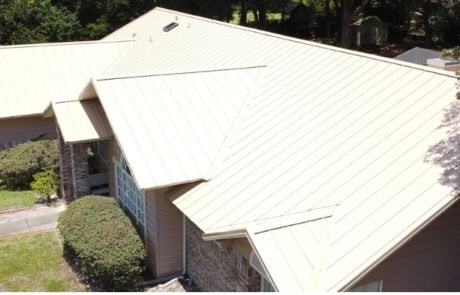
Rows of fastener heads, visible from the street, give away a screw-down roof, and uninterrupted pans separated by raised folds mean standing seam. Farm buildings and garages commonly have ribbed or wavy sheet, and homes turn up with both.
Cross-Section Choices: Old Look, New Look
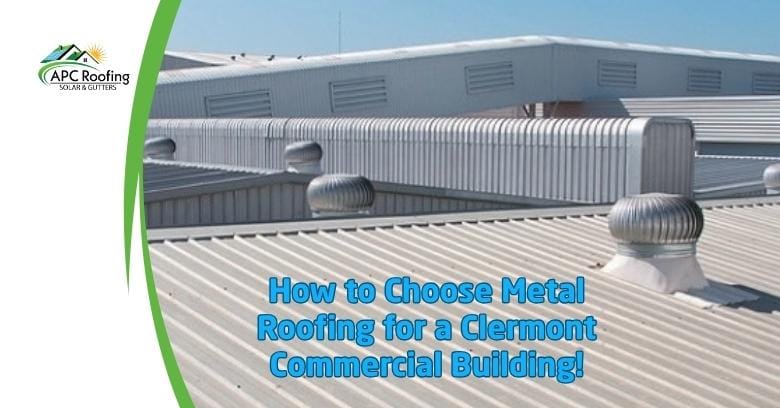
A corrugated sheet curves up and down in regular round waves, and a ribbed panel has trapezoid ribs separated by broad pans. Each sheet laps over a neighbor along a long edge, and every screw lands where a maker's layout calls for.
A squared profile resists bending and reaches further between purlins, while corrugated keeps a place on vintage buildings and farmhouse designs. Rib height governs how much water a long slope can move, whereas a short porch covering gets by with a low pattern.
What Keeps Sheet Down – Why Installation Matters
A screw pulls the metal tight against a purlin or the deck, and a washer under each head keeps rain out. Sun and temperature swings dry out neoprene over time, and the panels can go on for decades more.
An overdriven screw squashes a washer flat, and a slack or crooked fastener leaks on one side.
Fresh Fasteners: Scope and Limits
Rubber rings across a ribbed or corrugated field wear out together, and a whole-roof re-screw is routine over the years. Tired fasteners are pulled one by one, and a slightly fatter screw goes into each hole so a thread bites fresh wood or steel.
A re-screw ends drips and steadies sheets that rattle in wind, but rust damage, open laps and failed flashing are untouched. Screw length and thread are chosen for what sits below, wood or a steel purlin, and color-matched tops blend in with a painted finish.
Expansion and Contraction: Why Slack Matters
A steel panel stretches in sunshine and draws in after dark, and a long run can gain a quarter inch between noon and midnight, and aluminum changes nearly twice as much. Metal screwed down with no give wears each hole into an oval, and water gets past a washer.
Snapping sounds at sunrise come from panels shifting against clips, and nothing is damaged where every detail allows for slack.
Attachment Beneath Folded Seams – Laid in Sequence
A long pan gets one fixed point, often near a ridge or an eave, and sliding clips everywhere else let the metal move with temperature. Flashing at an unanchored end is shaped with space beneath, while a pan fastened hard along every foot pulls loose or ripples.
Pans go down one at a time, with clips screwed along a single side, and an adjacent pan then covers every anchor point.
Seam Styles: Which Suits the House
A snap-together rib engages when an installer presses down, and mechanical versions are turned over with a powered seamer. A double-lock seam holds far better against strong gusts and standing water, and published ratings run down to lower slopes.
Profiles come in different widths and heights, so the house and a preferred look guide a decision. Closures, clips and flashings match one panel only, so a repair calls for knowing exactly which panel is up there.
Choosing a Weight: Barn or Residence
Coil for roofing is sold by gauge, and numbers fall as sheet gets thicker. Pole buildings frequently carry twenty-nine, while houses often take twenty-six or twenty-four.
Aluminum is specified in thousandths of an inch instead, and more material means fewer marks and less waviness. A light grade and a heavy grade are indistinguishable from a driveway, so a product data sheet is a reliable guide.
Factory Protection: What Lasts
Coil stock is dipped in molten zinc or an aluminum-zinc alloy, and baked-on primer and color follow. Scrapes confined to paint are harmless, but a cut that reaches base steel is where corrosion takes hold.
A PVDF finish stands up to sunlight for a long time, while polyester versions chalk and fade sooner. Wet mortar and fresh concrete attack an aluminum-zinc coating, so panels are kept away from a new chimney or stone wall.
Weighing Options – Coast and Country
Aluminum is lighter than steel and never forms red rust, but a dropped tool or a falling branch dents a soft sheet sooner. Along the coastal end of our service area, salt in the air shortens the life of zinc-based coatings, so a marine-grade finish is often chosen for homes near a beach.
Copper appears mainly as small roofs on bays and cupolas, and left unpainted, the metal darkens with age.
Mixing Metals – Matching or Separating
Water that has crossed copper wears away any steel coating below, and a stain shows up before a leak does. Chemicals in treated lumber pit any aluminum resting on top, and fasteners of an unsuited metal leave a ring of damage.
Replacement flashing should come from a metal already present, or tape and membrane keep dissimilar metals from meeting.
A Frequent Complaint: Setting Expectations
Oil canning is a gentle waviness across the flat of a standing seam pan, and a midday sun hides what a low evening sun reveals. A warped look in the metal lets no rain through, and useful life is unchanged.
Stiffening ribs, a stouter grade and a smaller pan width lessen waves, and careful handling on a true deck makes a difference. Images of real houses show oil canning from obvious to barely there, and you make the call on profile.
Inside the House: Noise and Heat
A shed with bare purlins under the panels rings like a drum, since one thin layer is all that stands between sky and interior. A home has sheathing, a membrane and an insulated ceiling under steel panels, and loudness indoors is close to what asphalt gives.
Cool-pigment coatings return the bulk of the sunshine, so upstairs spaces bake less. Dark metal heats up like any black roof on a clear day, and venting and insulation under the deck do as much for comfort as color. After sunset, metal sheds stored warmth quickly, and the attic below catches up before long.
Protecting Whoever Is Below: Position Matters
Across the colder end of our territory, snow does not cling to painted steel, and a whole mass may come down at once on anything under an eave. Retention bars keep a load up top to melt off gradually, with placement over doorways, decks and equipment.
Brackets on standing seam bite an upright fold, not a flat, whereas on corrugated sheet, mounts go into solid wood with gasketed fasteners, and where snowfall is rare, nothing is added.
Damage From Above: Documented Plainly
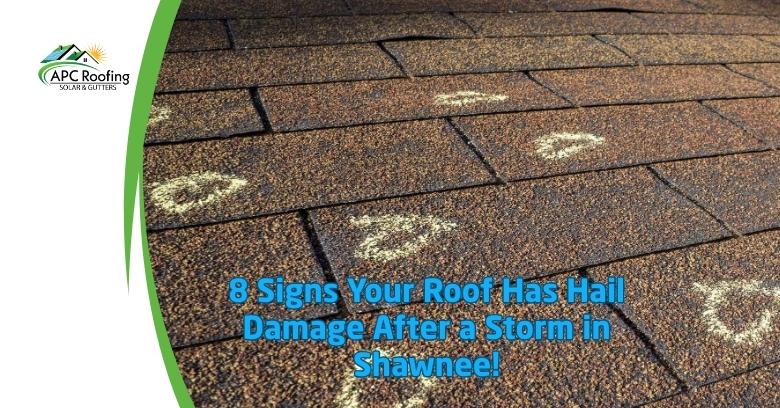
At the colder end of our territory, hail is a regular event, and a heavier gauge or striated pans resist dents better. A sharp blow that chips a color coat leaves metal bare to weather, and a bent seam or a dislodged trim piece can let water in.
Once a storm has moved on, affected spots get photographed and measured, so the size and position of each dent are known.
Resisting Uplift: Layout Matters
Corners and borders see heavy suction, an open field much less, and an unfastened edge lets pressure build beneath. Finish trim is hemmed and caught on a cleat, and no gap is left to work into.
An attachment pattern grows denser toward every corner, following a maker's layout for a site's exposure. On the hurricane coast at the far end of our territory, fastening counts rise again, and products are chosen with a wind rating to match.
Vents and Stacks: Sealant as Backup
A flexible boot is formed around every rib and banded tight to a pipe, and a flat location lets a flange bed down evenly. A bigger penetration is framed with a curb and a small cricket upslope, and water cannot pool at an upper edge.
Caulk plays a supporting role to folded metal, since weather hardens and splits any compound long before the panels are done.
Where Slopes Meet – No Screws in the Water
A valley pan goes down ahead of any panel, and sheets are cut on a diagonal to suit. Each raw end is hemmed back and hooked onto a cleat, so no fastener sits where water collects.
Where a long run needs more than one length, a lap is sealed between layers, and fasteners pass through both thicknesses, with uphill metal on top.
How Low Metal Can Go: Gentle Spots on a House
Through-fastened sheet generally wants about three inches of rise per foot, and at anything less, rain creeps sideways across laps toward screws. Machine-folded seams go much lower, with some lines cleared almost down to flat.
Nearly level spots over sunrooms and porches turn up on plenty of houses, and a measured angle decides what goes on, and a part too low for any panel gets a membrane instead.
Support for the Roof – Out of Sight Once Done
A house takes panels on a solid, continuous deck, and a synthetic barrier made for high heat sits on top, since ordinary felt dries out under sun-heated steel. Farm buildings frequently carry metal over bare purlins, and support distance dictates grade.
A stripped roof is probed, and weak sections are replaced, as fasteners driven into mush pull straight out.
A Recover Instead of a Strip: What Has to Be True
Panels can often go on top of one shingle layer where code permits, and a yard is spared tear-off debris. A steel covering adds only slight dead load, and ordinary framing copes without trouble. A synthetic underlayment and rows of battens come next, and fasteners are long enough to bite solid boards below.
If the decking flexes, or earlier leaks show from the attic, the old roof comes off, because a problem covered with steel keeps growing out of sight.
Small Parts at Edges – Tight Against Weather
Shaped closures fill spaces under every rib at an upper line and a lower line, and driving rain and wasps are blocked. A ridge cover can include a vent or be solid, as existing ventilation requires.
Gutter aprons and rake trim wrap up a roof's outline, so rain does not run down behind fascia.
On the Job: Slick When Wet
Standing seam is produced to fit each run from bottom to top, so no crosswise joint sits in the path of runoff. Carrying an extended panel takes people spaced along the metal, and a creased pan should not be installed.
Each step should land in a flat with support right underneath, since pressure on a rib bends the metal out of shape. Wet or dewy panels offer almost no grip, so the safest place for the household is indoors.
Clues to Watch: Without Climbing Up
- Brown rings at fastener heads, on a slope facing afternoon sun.
- Screws no longer tight against metal, on a south exposure.
- A rake edge torn free, after a windstorm.
- A vent cap knocked askew, close to a ridge.
- Corrosion along a cut, along a rake.
- Uneven fading, on a sunny slope.
- A leak tracking one line of fasteners, in an upstairs bedroom.
- A lock pulled apart, where slopes meet.
How APC Roofing Goes About Metal Roofing in Denver Metro Area – Our Method
Our starting point is pinning down which system is up there and how the panels are secured, and then every screw or clip, edge, opening, valley and lap is checked. Panel grade, paint and hardware are recorded, and the attic is searched for water marks.
You receive a report, pictures included, and a reason sits beside every recommendation. When a small fix works, nobody pushes a bigger job, while a worn-out roof is named as such.
Metal Roofing for Property Owners in Denver Metro Area – Details Read Closely
Dial 720-902-6940 and we will book a day that suits you.
Fix or Redo – Knowing Limits
An individual rusted sheet can be unscrewed and exchanged, though fresh color will not match weathered neighbors. A properly resealed lap closes a drip, while new fasteners seal screw holes again.
Perforation across many panels means replacement, and a covering riddled with failed seams is no better off. A partial job on just one side is sometimes a sensible middle course, if everything else is sound.
Aging Gracefully: Upkeep Over Time
A carefully installed panel system can pass forty years, but estimates of service are a rough guide only. A seamed pan roof has fewer parts that age, while corrugated and ribbed sheet calls for fresh screws in time.
Metals of different kinds touching, unhemmed cuts and sealant used in place of flashing shorten a roof's service, and a visit now and then spots trouble early. Wet leaves left sitting on panels stain and dull a colored finish, so removal pays off in longer-lasting paint.
If Metal Roofing in Denver Metro Area is on the table, get hold of APC Roofing at 720-902-6940. Every screw or clip, edge and boot gets a close look, and findings come to you written up, with any choice left to you.