You like the look of corrugated metal for the new garage, the shop out back or even the house, but you’ve heard it’s noisy, it dents in hail and the screws leak. Or you already have a panel roof and there’s a drip coming through near one of the fasteners. Corrugated metal roofing in Denver can be a good, hard-working roof. It just needs to go on the right building, at the right slope, installed with care.
Picking a roof material you’ve never owned is unnerving, and most of what’s online is written to sell something. You deserve a plain explanation of the trade-offs.
APC Roofing is a GAF Certified contractor, licensed and insured, and we install and repair metal roofs on Denver homes, garages and outbuildings. Inspections and estimates are free. Call 720-902-6940 to talk it through.
What corrugated metal roofing is
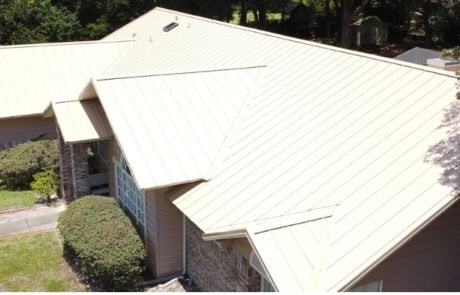
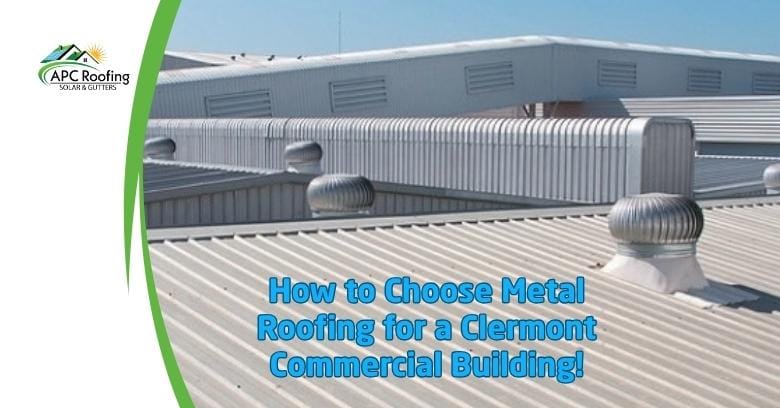
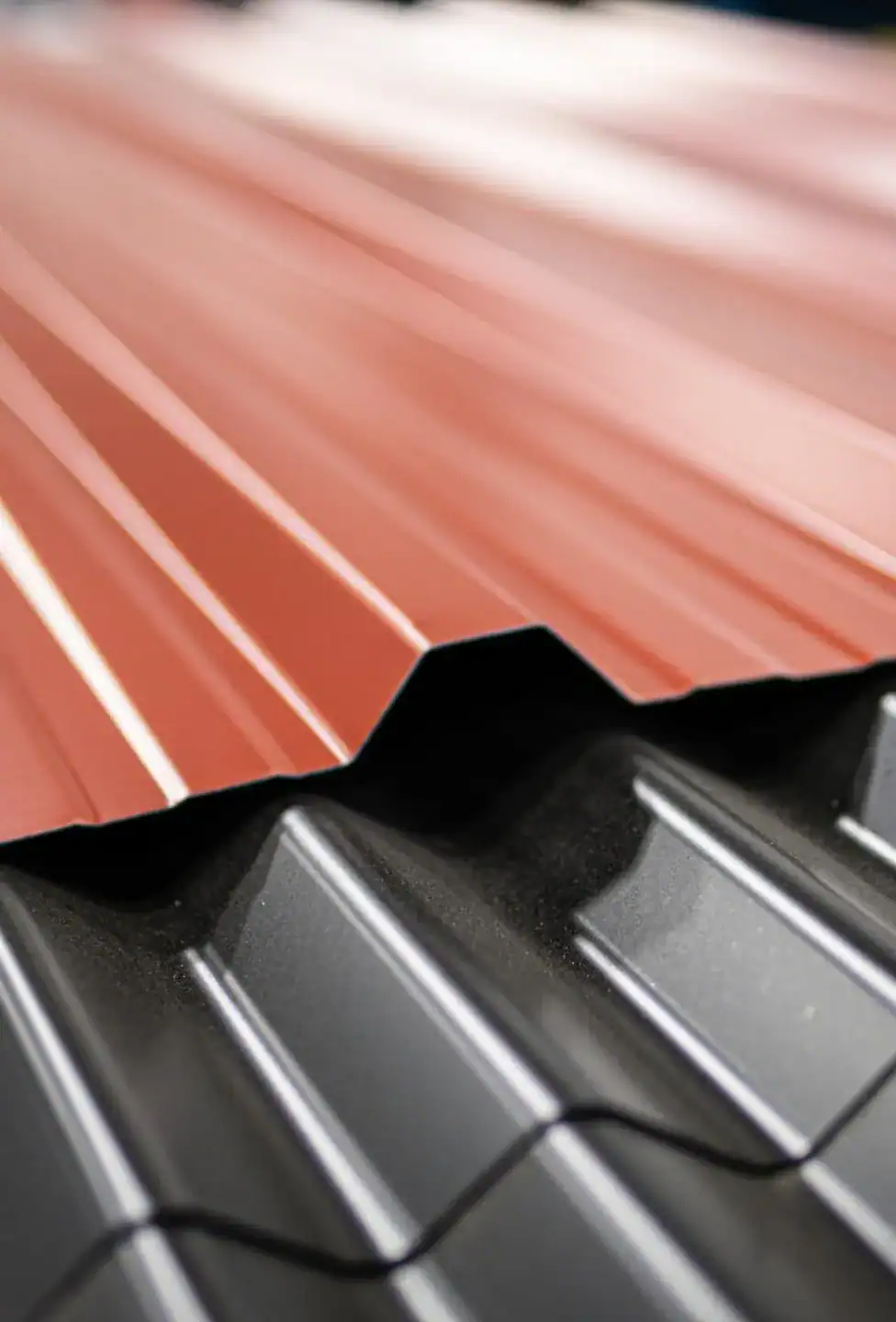
Corrugated metal is the wavy panel most people picture on barns and farmhouses: rounded ridges and valleys repeating across the sheet. Its close cousin is ribbed or “R-panel” metal, with taller square ribs and wider flat areas between them. Both are exposed-fastener roofs. Screws go straight through the panel into the wood or steel framing below, and a rubber washer under each screw head keeps water out.
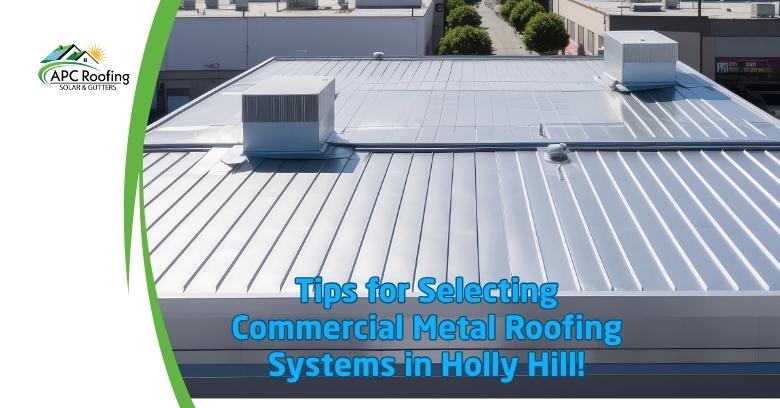
That’s the main difference from standing seam metal roofing, where the panels are held by hidden clips and the seams are raised and locked together. Standing seam costs more and has no holes through the panels. Corrugated and ribbed panels are simpler to install and are common on garages, sheds, barns, porches and modern-style homes.
Most panels on homes are coated steel. Steel thickness is listed by gauge, and a smaller number means thicker metal. Outbuildings often get thinner 29-gauge panels; homes usually get 26-gauge or heavier. Thicker metal resists dents better and lies flatter, which matters in hail country.
Where corrugated metal works in Denver, and where it doesn’t
Slope. Exposed-fastener panels generally need a steeper roof than standing seam, often around 3 inches of rise per foot or more. On a flatter roof, water can work its way through the side laps where panels overlap. If your roof is close to flat, standing seam or a membrane is the better choice.
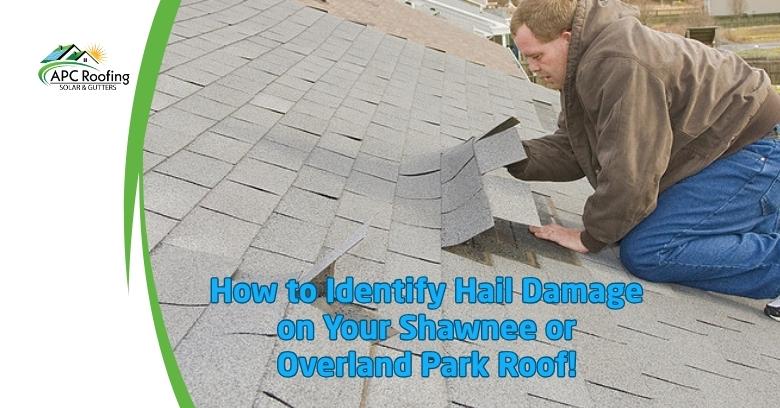
Hail. The Front Range gets frequent hail, and no metal roof is dent-proof. Thicker panels and some textured or ribbed profiles hide small dents better. A dent that only affects looks is a different thing from a crease that cracks the paint or opens a lap, and an inspection after a storm tells you which you have.
Snow. Snow slides off smooth metal much more readily than off shingles, and it can come off in one heavy sheet. Snow guards break it into smaller pieces and belong over doorways, walkways, decks and anything else under the eave.
Big temperature swings. Steel grows on a warm afternoon and shrinks on a cold night. Over years of Denver’s daily swings, that movement can slowly widen screw holes and wear out washers. Good installation, with fasteners placed and torqued the way the manufacturer specifies, keeps that in check.
Noise, heat and condensation
Rain on metal over open rafters, like a carport or pole barn, is loud. On a house, the panels sit over decking, underlayment and insulation, and most people hear little more than they would on shingles.
Lighter colors and reflective coatings bounce much of the strong high-altitude sun back, which keeps the attic cooler in summer. Ventilation and insulation underneath matter as much as the color.
Condensation is the one people miss. Warm, moist air rising against cold metal on a winter night can drip back down. On an unheated building, a proper underlayment or condensation barrier under the panels helps a lot.
Why corrugated roofs leak, and how they’re fixed
Most leaks on an exposed-fastener roof come from the fasteners, not the panels. The rubber washers harden and crack in the sun over the years. A screw driven too tight squashes its washer; one driven at an angle never seals at all. The usual fix, once washers are failing across the roof, is to replace every fastener, often stepping up one screw size so the threads bite into fresh material.
Other common leak points:
- Side laps that have opened up or were installed on too low a slope
- Flashing at walls, chimneys and pipe boots
- Ridge caps and end closures that let wind-driven rain or snow blow in
- Rust where paint has been scratched or where mismatched metals touch
New screws won’t fix rusted-through panels, cracked flashing or failed laps. Those need panel or flashing replacement, and sometimes a new roof is the better value. You’ll get photos and a clear explanation either way.
Thinking about a new metal roof?
If you’re comparing corrugated panels with other metal options for a home or a new building, start with our Denver metal roofing page, or read about metal roof installation in Denver. Panels can sometimes go over an old roof, but the deck has to be sound and the existing roof dry, so that decision should come after an inspection.
How it works
- Book your free inspection. Call 720-902-6940 or request a free estimate online.
- Get a clear, honest assessment and estimate. We identify the panel type and gauge, check the fasteners, laps, flashing, ridge and penetrations, and look in the attic or under the deck for signs of water. You get photos and a written estimate. Financing is available through Aqua Finance, Fortifi, Hearth and Home Run Finance.
- Your roof gets done and the site gets cleaned up. Metal scraps and old screws get picked up before the crew leaves.
Corrugated metal roofing questions
Is corrugated metal OK for a house in Denver?
Yes, on a roof with enough slope, using residential-grade panels over a proper deck and underlayment. It’s a popular choice on modern and farmhouse-style homes.
Will hail dent a corrugated metal roof?
Large hail can. Thicker panels dent less, and many dents are cosmetic only. A crease that cracks the paint or opens a seam needs repair. If you file a claim, you file it with your insurer and pay your deductible; we document the damage and work with your adjuster.
How often do the screws need replacing?
When the washers start failing. They harden in the sun over time, and once a few are leaking, the rest are usually close behind. A roof inspection shows how they’re holding up.
Corrugated or standing seam?
For a garage, shop or a home with good slope, corrugated is a solid, simpler roof. For a low-slope roof, or if you want no exposed screws, standing seam is the better pick.
Talk to us about corrugated metal roofing in Denver
Call 720-902-6940 or book your free inspection online.
The goal is a metal roof that stays tight through hail, snow and winter after winter of freeze and thaw, and a clear idea of what you’re paying for before you start.