In Need of Metal Roof Repair Across Denver Metro Area?
APC Roofing lays new panels and brings worn coverings back into shape, for houses as well as workshops and barns.
Call 720-902-6940 and a visit ends with a straight account of what was found.
Identifying a System – A Glance Up
Ribbed and corrugated panels take screws through a flat or a crest, whereas standing seam relies on clips that sit under locked joints. Coated steel is what the great majority of metal-roofed homes carry, with aluminum and copper turning up less often.
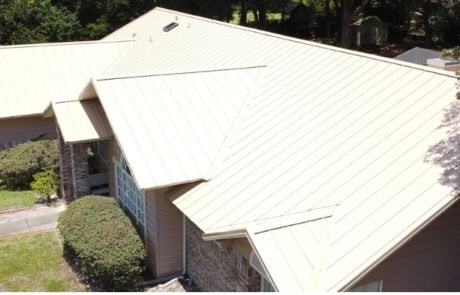
Rows of fastener heads, visible from the street, give away a screw-down roof, and uninterrupted pans separated by raised folds mean standing seam. Barns, workshops and porches often wear corrugated or ribbed sheet, though a house can suit either.
Profile Options – Span and Style
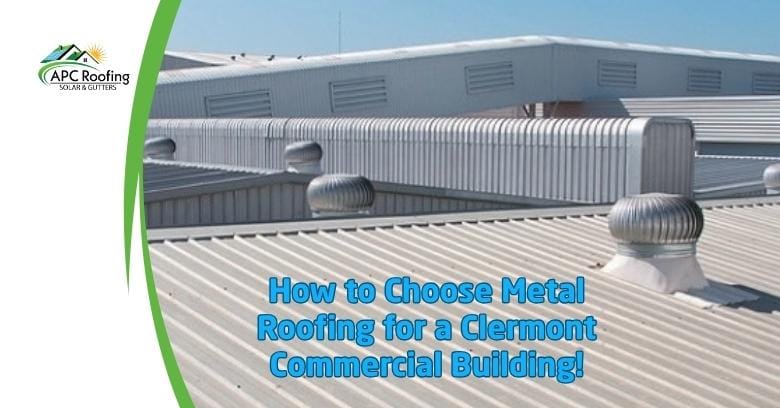
Corrugated sheet rises and falls in rounded, evenly spaced waves, while ribbed designs show angular ribs and wide flats. Neighboring sheets overlap at a side edge by a single crest, and screw locations follow a published diagram.
With deep ribs, a ribbed panel bridges wider spacing, while corrugated fits a period barn or a farmhouse style. On a big roof plane, taller ribs keep a downpour from spilling over side laps, whereas a short porch covering gets by with a low pattern.
Exposed Hardware: Every Detail Counts
Each screw draws a panel snug against a rafter or purlin, and a washer under each head keeps rain out. Synthetic rubber ages in the sun, going hard and then cracking, and the panels usually last a great deal longer.
Driving a screw past snug crushes a washer and dimples the metal, while an underdriven or tilted fastener never seals all the way around.
Hardware Swaps: Scope and Limits
Washers on corrugated or ribbed panels give out as a group, and a full re-screw is an ordinary step somewhere along the way. Every existing fastener is removed, and an oversized screw returns to every hole to catch undamaged fibers or metal.
Re-fastening stops water at every head and holds down sheets that lift, yet rusted panels, opened laps and poor flashing still need separate repairs. New screws are matched to whatever framing lies beneath, with wood threads for lumber and drill points for steel, and tops painted in a panel color keep new work from standing out.
Thermal Movement: Why Slack Matters
Sunshine stretches steel slightly and a chilly night pulls the metal back, and a longer run shifts farther still, while aluminum goes about double. A tightly fixed panel enlarges fastener holes a little with every cycle, and a washer stops sealing.
Popping and clicking on a sunny morning is expansion at work, and a well-built roof takes no harm from some noise.
Anchoring Standing Seam – Laid in Sequence
A long pan is locked down at a single band, and floating clips farther along give the metal freedom to shift. Trim at an end that travels is bent with clearance underneath, while a pan fastened hard along every foot pulls loose or ripples.
As a pan is laid, clips are driven into the deck along one leg, and an adjacent pan then covers every anchor point.
How Seams Close: Choosing Between Options
One kind of rib clicks shut under a firm push, and mechanical versions are finished by a rolling tool. A double-lock seam holds far better against strong gusts and standing water, and published ratings run down to lower slopes.
Profiles come in different widths and heights, and a choice depends on the home and a preferred style. Parts made for one system rarely suit a rival brand, and a substitute from elsewhere leaves gaps.
Heavier and Lighter Stock: Dents and Ripples
Panel thickness in steel is stated in gauge, and a low figure signals thick metal. Pole buildings frequently carry twenty-nine, and homes typically get twenty-six or twenty-four.
Aluminum is called out in decimal inches, and more material means fewer marks and less waviness. Different grades look identical once installed, so a label or order sheet is what gets checked.
Rust Resistance: What Lasts
Coil stock is dipped in molten zinc or an aluminum-zinc alloy, and a color coat is baked on afterward. Damage no deeper than paint is cosmetic, but an unprotected cut or a gouge to bare steel is where red rust starts.
Fluoropolymer finishes remain true to color for many years, while polyester versions chalk and fade sooner. Uncured concrete and mortar harm an aluminum-zinc coating, and a barrier belongs wherever panels meet new stonework.
Weighing Options: Matching a Location
Aluminum is lighter than steel and never forms red rust, but a soft sheet dents from smaller blows. Beside salt water at the coastal end of our range, protective layers wear away faster, and some makers limit steel products by distance from a shoreline.
Copper usually goes on small accent roofs over bays and entries, and the metal weathers to a natural patina with no paint.
Mixing Metals – Matching or Separating
A copper pipe or flashing above steel sends corrosive drainage down over the panels, and staining shows up well ahead of pinholes. Pressure-treated framing corrodes aluminum laid directly on top, and a bare steel screw in soft sheet breaks down too.
Any added flashing or trim should be the same metal as what is up there, or a strip of membrane goes between dissimilar metals.
A Frequent Complaint: What Can Be Done
Oil canning is a gentle waviness across the flat of a standing seam pan, and a sun low in the sky exaggerates every contour. An irregular-looking finish keeps weather out just as well, and useful life is unchanged.
Narrow pans, heavier stock and striated flats hold waves back, and an installer who does not overdrive clips helps as well. Photographs of finished houses show how noticeable oil canning can be, and the decision on profile rests with you.
Inside the House: Rattle and Warmth
A shed with bare purlins under the panels rings like a drum, because nothing there soaks up impact. Residential metal goes over plywood and underlayment, with insulation above each ceiling, and occupants notice only a slight change from shingles.
Cool-pigment coatings return the bulk of the sunshine, so the space under the roof runs cooler. Dark metal heats up like any black roof on a clear day, and ventilation and insulation underneath matter as much as finish. Panels cool fast at nightfall, and the attic eases off soon afterward.
Retention Hardware: Chosen With Care
Where winters bring real snow in our territory, slick panels shed a snowpack quickly, and a single release can take out a gutter or strike someone nearby. Retention bars keep a load up top to melt off gradually, and hardware sits over entries, paths and meters.
Brackets on standing seam bite an upright fold, not a flat, while screw-down sheet takes mounts fastened into framing with sealed screws, and in milder markets roofs do without.
Storm Marks – Photographs and Measurements
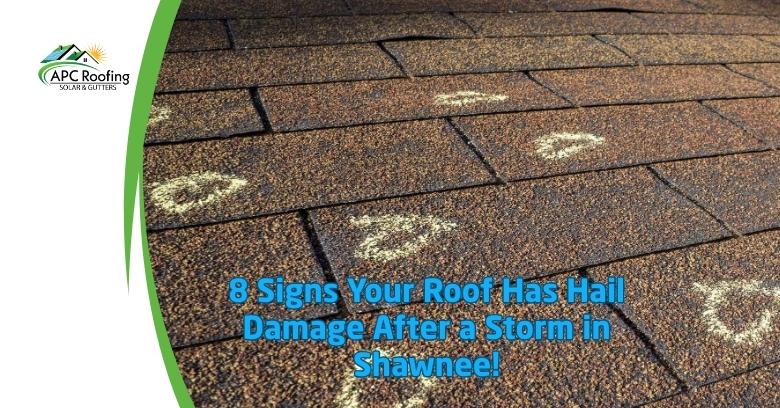
Hail is a fact of life at the colder end of our service area, and thicker steel shows fewer dents. A crease that cracks paint exposes bare metal to rust, and a bent seam or a dislodged trim piece can let water in.
Once a storm has moved on, affected spots get photographed and measured, and the depth of each dent is gauged.
Staying Put in a Blow: Trim Held Tight
Gusts tug harder at corners and along a perimeter, and an unfastened edge lets pressure build beneath. Trim along every outer line is hemmed and hooked onto a continuous cleat, and no gap is left to work into.
Screw and clip spacing tightens at corners and around a perimeter, per manufacturer guidance for local conditions. At the coastal end of our territory, hurricane country asks for more holding power still, and a whole assembly has to carry a matching rating.
Openings in a Covering – Careful Detailing
Each pipe takes a boot made for panel roofs, with a base pressed to follow corrugations, and placement is down in a pan rather than on a crest. A skylight, chimney or larger unit sits on a raised curb with a cricket uphill, so no water dams up.
A bead of sealant supports a properly formed detail rather than working alone, since the steel outlasts any compound many times over.
Meeting Planes – Joining Long Runs
A valley pan goes down ahead of any panel, and panels are sheared to a matching slant. Every raw end is turned under and caught by a cleat, and fasteners stay clear of wherever rain concentrates.
On a run too long for one sheet, an endlap joins pieces with sealant between, and uphill metal always goes on top, screwed through.
Near-Flat Areas – Measured, Not Guessed
Most ribbed sheet is specified for about three in twelve or steeper, because on less, runoff lingers long enough to wick past laps. Mechanically seamed panels are approved much lower, with some lines cleared almost down to flat.
Nearly level spots over sunrooms and porches turn up on plenty of houses, and each incline is measured on site, and where metal does not belong, a membrane does.
What Lies Underneath – Out of Sight Once Done
A home gets metal over a continuous plywood or OSB deck, and a high-temperature synthetic underlayment goes between, as asphalt felt turns brittle up there. Farm buildings frequently carry metal over bare purlins, and support distance dictates grade.
Once an old covering comes off, spongy sheathing is found and swapped, as fasteners driven into mush pull straight out.
An Overlay: Light Enough to Add
Many building codes allow metal over a single layer of asphalt shingles, and a yard is spared tear-off debris. Sheet steel is light, at well under two pounds a square foot, so reinforcement is rarely needed. Battens on top of a synthetic membrane are laid across existing shingles, and screws reach through into solid wood.
Where a roof was already recovered once, or the decking is soft, everything comes off, as a wet base under a new roof only gets worse.
Completing the Job – Tight Against Weather
Shaped closures fill spaces under every rib at an upper line and a lower line, and rain, insects and birds cannot get under the panels. A ridge piece either breathes or is left solid, as existing ventilation requires.
Rake trim, drip edge and an apron into a gutter close off a roof's outline, and water falls clear of fascia instead of running behind.
Working at Height – Carrying and Stepping
A seamed panel comes off a forming machine cut to the length of a run, and one pan spans eave to ridge with no joint across. A long panel needs several people to steady the metal on the way up, and a pan that gets bent should not go on the roof.
Weight should go only into pans over framing, because a raised joint dents and deforms under load. Dew or rain makes coated steel as slick as glass, and a homeowner is better off staying on the ground.
Clues to Watch – No Ladder Needed
- Orange halos at fasteners, on a slope facing afternoon sun.
- Hardware sticking up, at an eave.
- Flashing flapping in a breeze, following a gusty night.
- A collar gapping around a stack, over a kitchen.
- A cut end turning red, in a valley.
- Color gone patchy, on a sunny slope.
- Water marks lined up on drywall, under a porch roof.
- A lock pulled apart, beside a hip.
How APC Roofing Goes About Metal Roof Repair in Denver Metro Area: Order of Work
Our starting point is pinning down which system is up there and how the panels are secured, and next come screw locations, perimeter trim, pipes, valleys and overlaps. We note thickness, coating and hardware along the way, while the underside of the deck is inspected from the attic.
You receive a report, pictures included, and a reason sits beside every recommendation. If a covering needs only new screws, we say exactly that, while replacement comes up only when a roof is truly spent.
Metal Roof Repair for Property Owners in Denver Metro Area – Straight Answers
Dial 720-902-6940 and we will book a day that suits you.
Keeping the Roof: Guided by Evidence
An individual rusted sheet can be unscrewed and exchanged, though new metal looks brighter than weathered neighbors. Resealing a lap or replacing a boot stops a local leak, while new fasteners seal screw holes again.
Once red rust has eaten through large areas, patching no longer makes sense, and metal torn loose over entire slopes is no better off. One tired face of the house can be redone alone, as long as nothing else shows wear.
The Long View: Watching Details
Properly installed panels regularly reach forty years, and every estimate is approximate. Standing seam, with no holes through a pan, gets by on less maintenance, whereas screw-down sheet has washers changed out at some point.
Dissimilar metals, raw edges and sealant used instead of proper flashing wear out a covering ahead of schedule, and a visit now and then spots trouble early. Pine needles packed into a valley trap water against coated steel, and sweeping debris clear helps a finish.
Before deciding on Metal Roof Repair in Denver Metro Area, get hold of APC Roofing at 720-902-6940. Every detail, including how the panels are fastened, is read in person, and a written report puts options in front of you.