Considering Metal Roofing Here in Washington Park Neighborhood Colorado?
APC Roofing lays new panels and brings worn coverings back into shape, across homes as well as sheds and barns.
Phone 720-902-6940 and a roofer will look closely and explain plainly what is up there.
Sorting Out Types: Clues From Below
Exposed-fastener roofing is pinned by screws passing through every panel, but standing seam is anchored by clips concealed beneath upright folds. Most metal on houses is coated steel, though aluminum and copper have a place too.
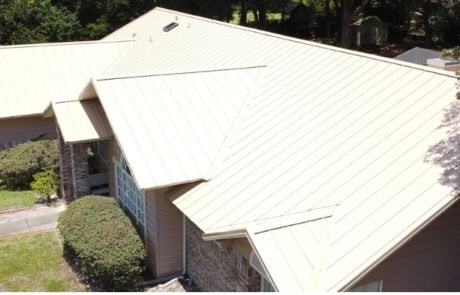
Seen from a sidewalk, dotted lines of screws signal an exposed-fastener system, while flat pans divided by upright folds with no hardware showing are standing seam. Corrugated sheet is a regular choice on barns, shops and porches, and houses carry both styles.
Profile Options: Matching a Building
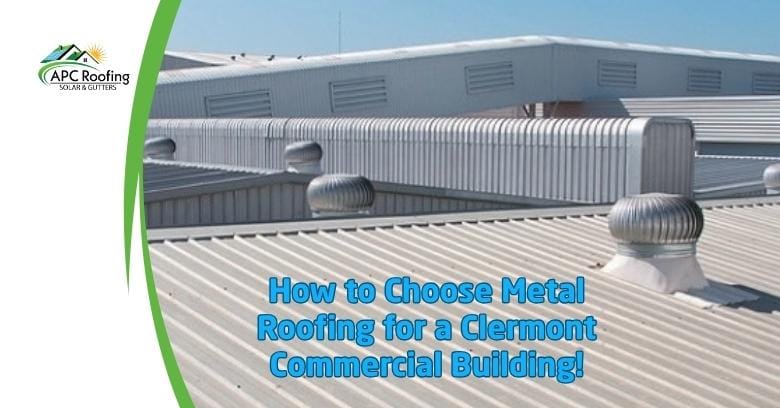
A corrugated sheet curves up and down in regular round waves, whereas ribbed kinds stand up in squared ribs with flat stretches between. Side by side, adjoining lengths overlap by one crest, and every screw lands where a maker's layout calls for.
With deep ribs, a ribbed panel bridges wider spacing, and corrugated suits older buildings and a farmhouse look. Taller ribs give runoff more room on a long slope, and a shallow pattern is plenty for a small porch or shed.
Fastener Hardware: Every Detail Counts
A single screw pins the metal firmly to framing below, and a gasketed washer under each head does the sealing. Ultraviolet light slowly bakes neoprene brittle, though the coated metal nearby stays sound far longer.
A screw set too tight crushes a washer out sideways, and a slack or crooked fastener leaks on one side.
Swapping Out Hardware: Worth Doing, With Limits
Washers dotted across a ribbed field grow old together, so eventually a full new set of seals is needed. Each original fastener is taken out, and a bigger diameter is driven in to grip where an old thread stripped.
Re-screwing with new washers fixes leaks at screw heads and snugs down sheets that flutter, but red rust, gaping laps and cracked flashing need other remedies. New screws are matched to whatever framing lies beneath, with wood threads for lumber and drill points for steel, and a factory color on every top suits most finishes.
Expansion and Contraction – Built to Allow Travel
Sunshine stretches steel slightly and a chilly night pulls the metal back, and a longer run shifts farther still, and aluminum reaches about double. A panel pinned at both ends slowly slots every screw opening, and a washer stops sealing.
Snapping sounds at sunrise come from panels shifting against clips, and a careful installation suffers no damage.
Attachment Beneath Folded Seams: Tucked Away
A long pan gets one fixed point, often near a ridge or an eave, while floating clips elsewhere allow the pan to slide. Trim at an unanchored end leaves a gap for travel, and rigid fastening over a big pan shears or wrinkles the metal.
A pan is positioned and clips are screwed to the deck beside a long edge, so no fastener head is left out in the weather.
Joint Styles – Suited to Pitch
Snap-together panels latch by hand, and mechanical versions are turned over with a powered seamer. A double-locked joint stands up to gales and to water sitting against the metal, and published ratings run down to lower slopes.
Profiles come in different widths and heights, and architecture and a buyer's eye decide. Clips, trim and closures are bought to suit one particular panel, and a substitute from elsewhere leaves gaps.
How Much Material Is Up There: Barn or Residence
Panel thickness in steel is stated in gauge, and a smaller number means a thicker sheet. A shop or barn frequently has twenty-nine, while houses often take twenty-six or twenty-four.
Aluminum sheet is measured in decimal inches, and across the board thicker goods resist dents and ripple less. Different grades look identical once installed, so printed product data gives a firm answer.
Surface Protection: What Lasts
At a steel mill, coil gets a metallic layer of zinc or zinc and aluminum, and baked-on primer and color follow. A mark in a topcoat alone keeps steel protected, but a cut that reaches base steel is where corrosion takes hold.
Fluoropolymer finishes remain true to color for many years, and polyester types chalk white sooner. Uncured concrete and mortar harm an aluminum-zinc coating, so panels are kept away from a new chimney or stone wall.
Picking an Alloy: Near the Water
Aluminum has less mass than steel and cannot turn red with rust, though a thicker grade is needed to resist dents. Beside salt water at the coastal end of our range, protective layers wear away faster, so a marine-grade finish is often chosen for homes near a beach.
Copper is usually kept to small accent roofs over a bay or a porch, and the metal is left bare to weather.
Incompatible Neighbors: A Slow Chemical Fight
A copper pipe or flashing above steel sends corrosive drainage down over the panels, and staining shows up well ahead of pinholes. Chemicals in treated lumber pit any aluminum resting on top, and an incompatible screw causes slow damage nearby.
Flashing added later should match whatever metal is already installed, or tape and membrane keep dissimilar metals from meeting.
An Appearance Question – Surface, Not Structure
Oil canning is a gentle waviness across the flat of a standing seam pan, and a midday sun hides what a low evening sun reveals. A panel that looks uneven sheds rain as well as a perfect sheet, and the roof ages no faster.
Narrow pans, heavier stock and striated flats hold waves back, and careful handling on a true deck makes a difference. Photos of finished roofs give a fair idea of how much oil canning shows, and the final pick is yours.
Everyday Comfort: Rattle and Warmth
Panels laid straight over bare purlins ring out in a downpour, because a single thin skin vibrates freely. Residential metal goes over plywood and underlayment, with insulation above each ceiling, and indoors most people hear little more than on shingles.
Cool-pigment coatings return the bulk of the sunshine, so the attic runs noticeably cooler. A charcoal or black panel gets hot, and venting and insulation under the deck do as much for comfort as color. Metal loses daytime warmth shortly after the sun sets, so evenings indoors feel better sooner.
Holding a Load Up There – Only Where Needed
At the colder end of our territory, snow slides readily off smooth coated steel, and a single release can take out a gutter or strike someone nearby. Guards set along a roof hold a load in place until a thaw, and positions are chosen where anything below could be hit.
A standing seam roof gets brackets that squeeze an upright joint rather than pierce a pan, while exposed-fastener sheet takes mounts screwed into framing, and where snowfall is rare, nothing is added.
Pounding From the Sky – Photographs and Measurements
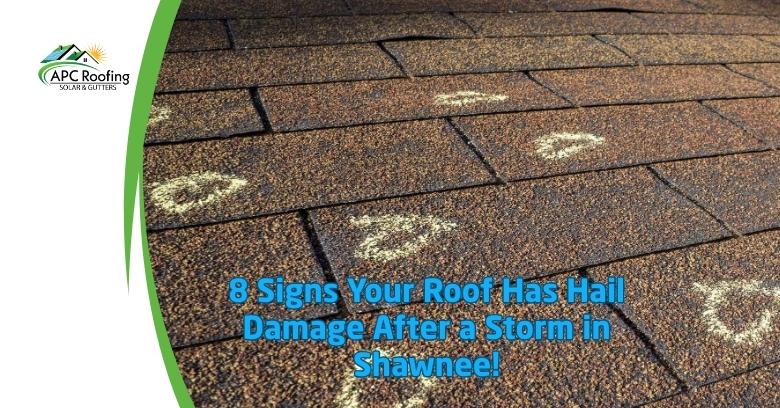
Hail is common across the colder end of our territory, and panels with an impact rating are an option. Paint knocked off at a crease leaves base metal exposed to corrosion, and a flattened rib or a shifted cap can leak.
Following a storm, our roofer takes pictures and measurements, so the size and position of each dent are known.
Holding On in a Gale – Rated Assemblies
Perimeter bands of a roof take a heavier pull than a central field, and an unfastened edge lets pressure build beneath. Trim hooks over a continuous strip fastened to the deck, and nothing is left free to flap.
Clips and screws are packed closer in high-load zones near corners, per manufacturer guidance for local conditions. At the coastal end of our territory, hurricane country asks for more holding power still, and panels carry an uplift rating to suit.
Vents and Stacks – Careful Detailing
Each pipe takes a boot made for panel roofs, with a base pressed to follow corrugations, and a hole is cut in a flat, not through a seam. A chimney or skylight is built up on a curb with a cricket above, so runoff is steered aside.
Caulk is a secondary barrier behind formed metal, because a compound shrinks and pulls away with time.
Channels Between Roof Planes: Hooked and Clear
Each valley receives a wide flashing before panels arrive, and panels are sheared to a matching slant. Raw ends are folded under and locked to a cleat, and fasteners stay clear of wherever rain concentrates.
A sealed endlap connects consecutive lengths on an extended run, and screws go through both thicknesses at close spacing.
Shallow Sections – Measured, Not Guessed
Most ribbed sheet is specified for about three in twelve or steeper, and on a gentler slope, overlaps start to let water through. Standing seam with double-locked joints goes much lower, with some lines cleared almost down to flat.
Porches, additions and back rooms often carry a barely tilted section, and a measurement comes before any panel is named, and an area that metal cannot serve is given a membrane.
A Base Layer: Rot and Spacing
Metal on a dwelling is installed over full sheathing, and a synthetic sheet rated for heat is sandwiched between, since ordinary felt dries out under sun-heated steel. Pole buildings commonly have metal spanning between purlins with air below, and support distance dictates grade.
On a tear-off, soft or rotted boards are cut out and replaced, because screws in decay have nothing to grip.
Leaving the Old Roof in Place – Grounds for Refusal
Local codes commonly accept metal set over a lone shingle layer, and a yard is spared tear-off debris. A steel covering adds only slight dead load, so reinforcement is rarely needed. Battens over a fresh membrane go across existing shingles, and panels are fastened through into sound wood.
A second layer already in place, soft decking or stains from past leaks mean a full tear-off, as a wet base under a new roof only gets worse.
Completing the Job – Fillers and Trim
Closure strips shaped to a panel profile plug hollows under every rib where a run starts and stops, and driving rain and wasps are blocked. A ridge cap can be vented to let warm air escape or left solid, and attic ventilation is what decides.
Rake trim, drip edge and an apron into a gutter close off a roof's outline, so rain does not run down behind fascia.
Working at Height: Where to Step
Each seamed pan is rolled out to reach a whole slope, so a single piece covers eave to ridge without an endlap. Carrying an extended panel takes people spaced along the metal, and a crimped or creased pan is no longer usable.
Each step should land in a flat with support right underneath, because ribs and seams crush under a boot. Dew or rain makes coated steel as slick as glass, so climbing up for a look is unwise.
Clues to Watch: Easy to Notice
- Rust circles where screws go in, near the top of a run.
- Loose screws riding high, by a peak.
- Trim bent up at a corner, facing prevailing wind.
- A boot pulled away from a pipe, on a back slope.
- Red streaks at a raw end, at a hip.
- Peeling paint, on one panel more than on panels nearby.
- Water marks lined up on drywall, in a garage.
- A joint gaping open, where slopes meet.
APC Roofing and Metal Roofing in Washington Park Neighborhood Colorado: Our Routine
Our starting point is pinning down which system is up there and how the panels are secured, and then every screw or clip, edge, opening, valley and lap is checked. Gauge, finish and hardware are noted as we go, and from inside, the attic shows any old leaks.
Every finding goes into a report with images, and each recommendation carries reasons. Where a reseal will do, a reseal is what we propose, while replacement comes up only when a roof is truly spent.
Metal Roofing Across Washington Park Neighborhood Colorado – Careful Assessments
Phone 720-902-6940 and we will book a day that suits you.
Repair or Replacement: Guided by Evidence
One badly damaged sheet can be swapped alone, though new metal looks brighter than weathered neighbors. A properly resealed lap closes a drip, while a re-screw takes care of hardened washers.
Rust through sheet after sheet calls for a new covering, and a covering failing at nearly every joint is in the same position. A partial job on just one side is sometimes a sensible middle course, provided trouble goes no further.
Aging Gracefully: What Cuts Life Short
Coated steel put on properly often gives forty years or better, though climate, care and material all make a difference. Concealed-clip panels require less upkeep because no rubber seal sits in the sun, whereas screw-down sheet has washers changed out at some point.
Dissimilar metals, raw edges and sealant used instead of proper flashing wear out a covering ahead of schedule, and an occasional walk-over catches problems promptly. Piles of leaves behind a chimney keep a patch of metal damp for days, and sweeping debris clear helps a finish.
Whenever Metal Roofing in Washington Park Neighborhood Colorado comes up, call APC Roofing at 720-902-6940. Someone will go over every panel, fastener and piece of trim, and findings come to you written up, with any choice left to you.