Looking for Standing Seam Metal Roofing Within Denver Colorado?
APC Roofing installs panel coverings and mends worn sheet, for houses as well as workshops and barns.
Reach us at 720-902-6940 and a roofer will come out and describe what the metal shows.
Identifying a System – A Glance Up
Screw-down panels, corrugated or ribbed, are fastened with screws through the exposed metal, whereas standing seam relies on clips that sit under locked joints. Steel with a protective coating covers most houses that have metal, and aluminum and copper are less frequent choices.
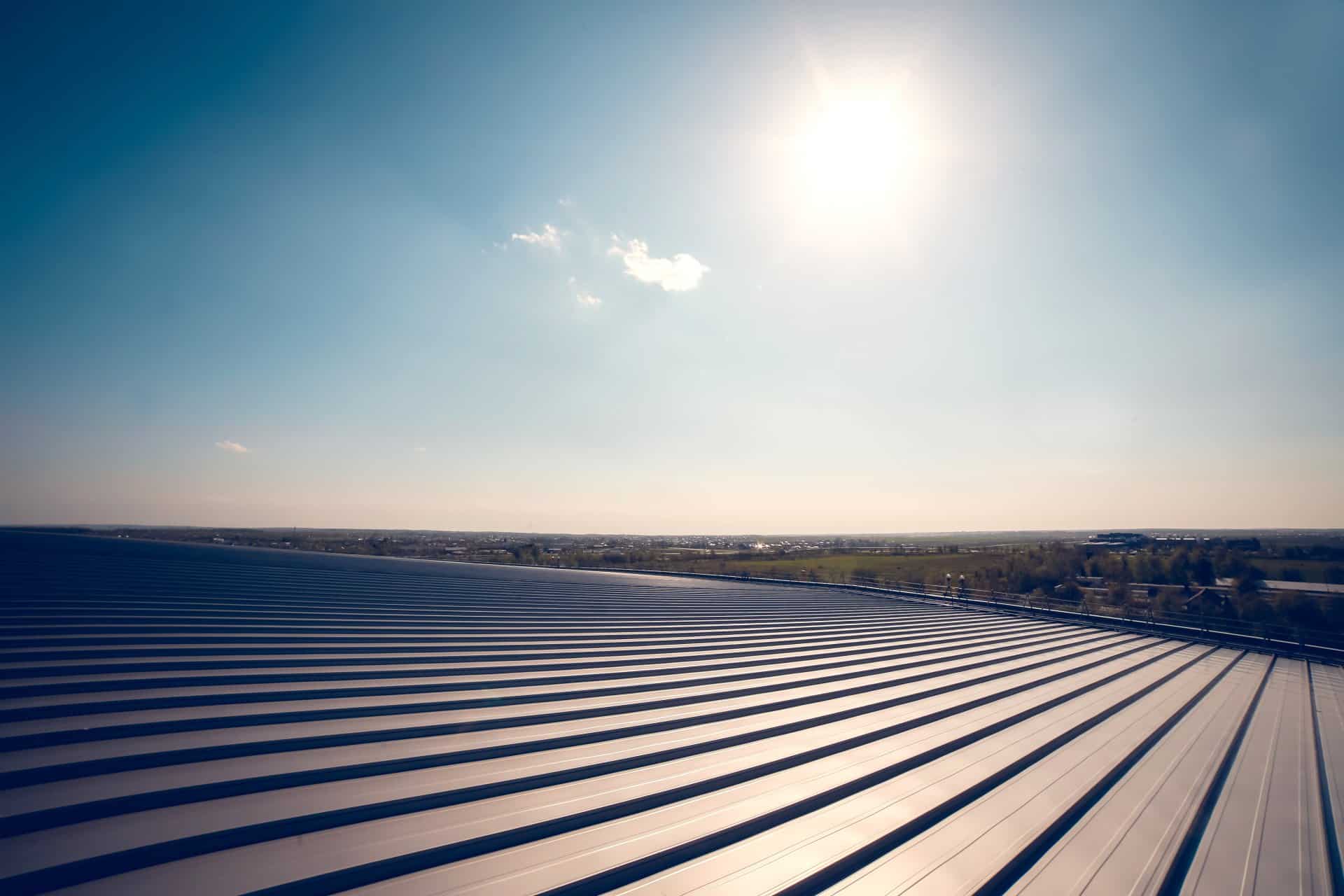
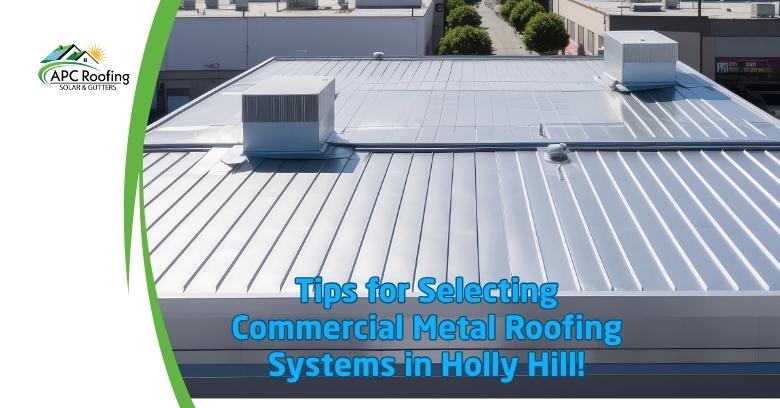
From a driveway, lines of screw heads across the panels mark a through-fastened roof, while plain pans and tall ribs with nothing in sight are standing seam. Corrugated sheet is a regular choice on barns, shops and porches, and homes turn up with both.
Profile Options – Reach Between Supports
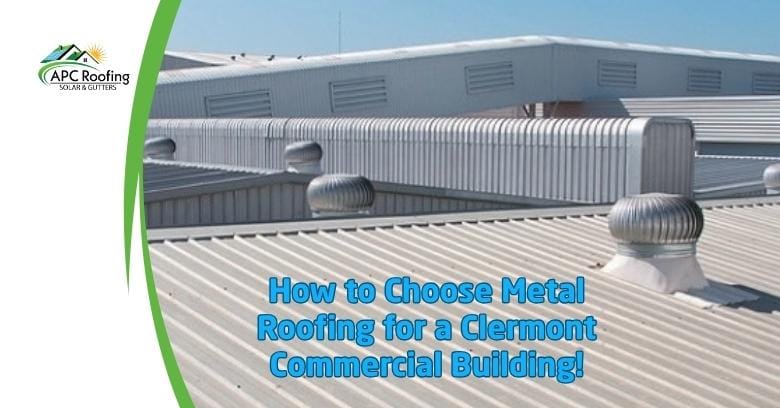
Corrugated material makes a run of soft, even undulations, while ribbed panels carry squared ribs with wide flats between. One length rides over a neighbor at a side lap, and a maker's pattern says where screws go.
With deep ribs, a ribbed panel bridges wider spacing, while corrugated keeps a place on vintage buildings and farmhouse designs. Taller ribs give runoff more room on a long slope, while a low pattern handles short runs like a porch or lean-to.
What Keeps Sheet Down: Small Parts, Big Job
Each screw draws a panel snug against a rafter or purlin, and a washer under each head stops water getting in. Years of sun and heat stiffen synthetic rubber until cracks form, well ahead of the painted steel nearby.
A screw set too tight crushes a washer out sideways, and a fastener stopped short or angled leaves a gap for rain.
Fastener Replacement – Benefits and Gaps
Rubber rings across a ribbed or corrugated field wear out together, so a complete re-screw comes due at some point. Every existing fastener is removed, and a bigger diameter is driven in to grip where an old thread stripped.
A re-screw stops drips around screw heads and draws lifting sheets back down, but corrosion, parted laps and bad flashing are left as found. Thread type follows whatever support lies below, since lumber and steel purlins take different screws, and tops painted in a panel color keep new work from standing out.
A Covering in Motion: Oval Holes and Loose Seals
A steel sheet grows in afternoon heat and shrinks back by dawn, and a long run adds up to a measurable distance, while aluminum goes about double. Metal screwed down with no give wears each hole into an oval, and washers begin to leak.
Snapping sounds at sunrise come from panels shifting against clips, and a well-built roof takes no harm from some noise.
Anchoring Standing Seam: Hidden Hardware
Each long pan is fixed solid in one short zone, and floating clips everywhere else let the pan glide. Trim at an unanchored end leaves a gap for travel, whereas a pan with no play lets go or distorts.
As a pan is laid, clips are driven into the deck along one leg, so each new pan conceals all hardware below.
Joint Styles: Which Suits the House
One kind of rib clicks shut under a firm push, while other designs are crimped over by a machine. A double-lock seam rides out storms and sheds pooled water, and published ratings run down to lower slopes.
Pan width and rib height vary from product to product, and building shape and personal taste steer a buyer. Accessories such as clips and closures fit a single system, and a mismatch shows up as gaps and loose joints.
Choosing a Weight – Beyond Appearances
A steel panel is rated by gauge, and a low figure signals thick metal. Farm structures often use twenty-nine, while houses often take twenty-six or twenty-four.
Aluminum is called out in decimal inches, and with either metal, a stouter panel holds shape. A light grade and a heavy grade are indistinguishable from a driveway, so only a maker's label or data sheet can confirm what was bought.
Rust Resistance: When Damage Matters
Raw steel is galvanized, or given an aluminum-zinc treatment, before shipping, and baked-on primer and color follow. Paint scuffed but not broken through is fine, whereas a gouge through to bare metal soon shows red.
High-end fluoropolymer finishes keep a bright look for years, and polyester types chalk white sooner. Lime in fresh concrete eats into an aluminum-zinc layer, so a gap or barrier separates panels from new block or stone.
Which Metal Suits – Coast and Country
Aluminum has less mass than steel and cannot turn red with rust, but a soft sheet dents from smaller blows. Beside salt water at the coastal end of our range, protective layers wear away faster, and makers restrict certain products near surf.
Copper turns up chiefly on bay windows, dormers and entry roofs, and left unpainted, the metal darkens with age.
Incompatible Neighbors: A Slow Chemical Fight
A copper pipe or flashing above steel sends corrosive drainage down over the panels, and a stain shows up before a leak does. Chemicals in treated lumber pit any aluminum resting on top, and an ordinary screw of an unsuited alloy fails as well.
Any added flashing or trim should be the same metal as what is up there, or a separator tape sits wherever unlike metals meet.
What Buyers Notice – Surface, Not Structure
What the trade calls oil canning is a mild wave in a flat pan, and raking light early or late in the day brings out each rise and fall. A panel that looks uneven sheds rain as well as a perfect sheet, and nothing shortens the life of the roof.
Heavier gauge, narrower pans and pencil ribs in each flat all reduce waviness, and a deck without humps or dips matters too. Pictures of completed homes give a sense of how visible oil canning gets, and the decision on profile rests with you.
Comfort Below: What Reaches Living Space
A shed with bare purlins under the panels rings like a drum, because nothing there soaks up impact. Metal on a home rests on a deck and underlayment, over an insulated ceiling, and in a living room few can pick out any change from shingles.
A light-colored panel sheds much of the sun's warmth, so the attic runs noticeably cooler. A charcoal or black panel gets hot, and vents and insulation weigh as heavily as the choice of color. After sunset, metal sheds stored warmth quickly, and an attic beneath follows suit.
Protecting Whoever Is Below: Chosen With Care
Where winters bring real snow in our territory, slick panels shed a snowpack quickly, and a single release can take out a gutter or strike someone nearby. Retention bars keep a load up top to melt off gradually, and positions are chosen where anything below could be hit.
Standing seam takes clamp-on brackets that grip each rib without piercing the metal, whereas corrugated panels get mounts anchored through to purlins, and where snowfall is rare, nothing is added.
Pounding From the Sky: What a Hit Can Open
Hail visits the colder end of our range with some regularity, and thicker steel shows fewer dents. A sharp blow that chips a color coat leaves metal bare to weather, and a trim piece pushed out of place can channel rain inside.
Once a storm has moved on, affected spots get photographed and measured, and each dent and damaged panel is located.
Uplift – A Denser Pattern
Perimeter bands of a roof take a heavier pull than a central field, and an unfastened edge lets pressure build beneath. Finish trim is hemmed and caught on a cleat, and nothing is left free to flap.
Screw and clip spacing tightens at corners and around a perimeter, per manufacturer guidance for local conditions. On the hurricane coast at the far end of our territory, fastening counts rise again, and products are chosen with a wind rating to match.
Penetrations: Sealant as Backup
Each pipe takes a boot made for panel roofs, with a base pressed to follow corrugations, and a hole is cut in a flat, never across a crown. A bigger penetration is framed with a curb and a small cricket upslope, and water from higher up is divided and sent past.
Sealant finishes a joint already made watertight by folded metal, since the steel outlasts any compound many times over.
Changes of Direction: Hooked and Clear
Each valley receives a wide flashing before panels arrive, and each sheet is cut to a matching angle. Raw ends are folded under and locked to a cleat, and no screw goes through any path where water flows.
Long runs made of more than one piece get an endlap with sealant sandwiched inside, and screws pass through both thicknesses, upper over lower.
Near-Flat Areas: Where Membrane Takes Over
Screw-down panels typically call for roughly three in twelve, because on less, runoff lingers long enough to wick past laps. Mechanically seamed panels are approved much lower, with some lines cleared almost down to flat.
Houses frequently include a porch or wing with a gentle roof, and a measured angle decides what goes on, and anything under a panel's limit is finished in a membrane.
A Base Layer – Purlins on Outbuildings
Metal on a dwelling is installed over full sheathing, and a synthetic barrier made for high heat sits on top, because traditional felt degrades quickly up there. Farm buildings frequently carry metal over bare purlins, so support spacing and gauge are matched.
A stripped roof is probed, and weak sections are replaced, since punky fibers offer a screw no bite.
An Overlay – Grounds for Refusal
Local codes commonly accept metal set over a lone shingle layer, and noise and a dumpster are avoided. At well under two pounds per square foot, steel is a light load, so reinforcement is rarely needed. An underlayment topped with a grid of furring strips goes over existing shingles, and clips or screws go down into solid structure.
Where a roof was already recovered once, or the decking is soft, everything comes off, since trapped dampness under metal has no way to dry.
Small Parts at Edges: Done Properly
Closure strips shaped to a panel profile plug hollows under every rib where a run starts and stops, so blown rain and critters are shut out. A ridge cap can be vented to let warm air escape or left solid, as existing ventilation requires.
Drip edge, rake trim and a gutter apron finish every outer line, so rain does not run down behind fascia.
Day of Installation: Where to Step
Standing seam panels are formed at full slope length, and nothing overlaps partway up. A long panel calls for several people spaced along the metal, and a crimped or creased pan is no longer usable.
Each step should land in a flat with support right underneath, because a raised joint dents and deforms under load. Dew or rain makes coated steel as slick as glass, so the safest place for the household is indoors.
What to Watch For: Without Climbing Up
- Brown rings at fastener heads, just above a gutter line.
- A row of lifted screws, mid-panel.
- Trim bent up at a corner, after a windstorm.
- A vent cap knocked askew, by a bathroom fan.
- Rust creeping from a trimmed end, along a rake.
- Uneven fading, on one panel more than on panels nearby.
- Water marks lined up on drywall, in an upstairs bedroom.
- An endlap gaping, where slopes meet.
How APC Roofing Takes On Standing Seam Metal Roofing in Denver Colorado – Our Method
Our starting point is pinning down which system is up there and how the panels are secured, and then every screw or clip, edge, opening, valley and lap is checked. Notes cover gauge, finish and every kind of hardware, and the attic is searched for water marks.
Findings come to you in a report with pictures, and every item comes with the why. When a small fix works, nobody pushes a bigger job, while a worn-out roof is named as such.
Standing Seam Metal Roofing Around Denver Colorado: Plain Findings
Call 720-902-6940 and we will pick a time together for a visit.
Keeping the Roof: Weighing Choices
A panel torn by a falling limb can be changed individually, but brand-new paint stands out against faded neighbors. Resealing a lap or replacing a boot stops a local leak, while new fasteners seal screw holes again.
Rust through sheet after sheet calls for a new covering, and metal torn loose over entire slopes is no better off. One tired face of the house can be redone alone, when damage stays in one place.
Longevity – Exposed Screws Versus Hidden Clips
A well-built steel covering commonly serves forty years or more, though climate, care and material all make a difference. Standing seam asks for less upkeep, since nothing pierces a pan, whereas screw-down sheet has washers changed out at some point.
Metals of different kinds touching, unhemmed cuts and sealant used in place of flashing shorten a roof's service, and a check every few years catches small faults early. Leaves and needles piled in a valley or behind a chimney keep the metal wet, and sweeping debris clear helps a finish.
If Standing Seam Metal Roofing in Denver Colorado is on the table, dial APC Roofing at 720-902-6940. Every screw or clip, edge and boot gets a close look, and a write-up leaves every decision in your hands.