Shopping for Flat Roofing in Washington Park Neighborhood Colorado?

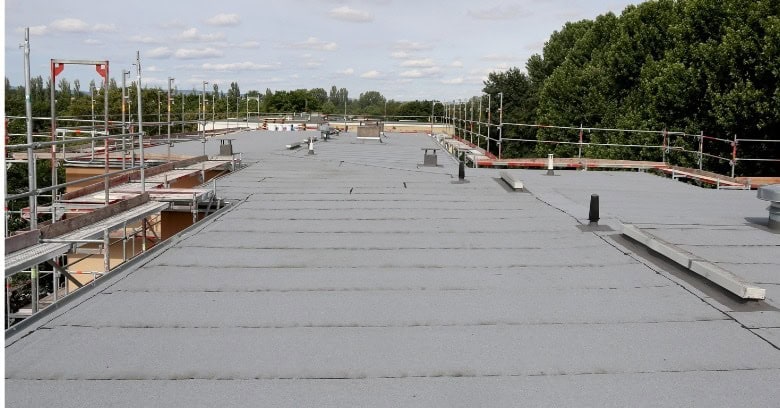
APC Roofing replaces and patches the coverings on shallow slopes, and on a typical residence that means porches, garages and rear additions.

Call us at 720-902-6940 and a roofer will climb up and give you a plain account.


Runoff by Design – a Question of Shape

What people call a flat roof is built to fall slightly toward an outlet, and a quarter inch for each foot of run is the code minimum for membranes. Carpenters can set the change in height into the rafters, or foam panels cut on a taper can add the difference over the deck.

On a steep roof a storm drains away in moments, yet the porch membrane may still be shining an hour later, so a pinhole in the membrane meets far more exposure. Behind a chimney or skylight curb, a cricket splits the flow, which keeps a pond from gathering where the current would stall.

When Overlaps Fail: a Rule of the Trade

Building codes allow asphalt tabs only where the rise reaches two inches per foot, and concrete or clay tile demands a sharper incline. Below the minimum, wind forces water up under every lap, and the plywood soaks up moisture and softens.

A shingled home often has a garage or addition covered in membrane, with the product decided by the incline of each plane. Sheet roofing forms one unbroken barrier once the joins are closed, so standing rain has no overlap to slip under.

Low-Slope Choices: a Plain Guide

Single-ply roofing means TPO or EPDM, supplied in wide rolls, while modified bitumen is asphalt blended with polymers in narrower strips, and built-up roofing alternates felt and tar under gravel. Light membranes spare the framing over porches and garages, and a crew can check every join closely.

TPO is a white thermoplastic sheet, while EPDM is a dark synthetic rubber. The right choice turns on the deck, the outlets and the equipment up top, and we give a recommendation with reasons while the homeowner decides.

How the Joins Are Made – Matched to the Material

The broad field of the covering is rarely where rain gets in, and the overlap between neighboring widths is where problems sit. A hot-air welder fuses TPO seams into one piece, and a roofer runs a probe down the joint to catch any gap.

Each EPDM lap is sealed with primer and tape, so the surface is scrubbed and dried before installation. An aged black-rubber join often curls up at a corner, and a cover strip over the opening makes the spot watertight again.

Light or Dark: Effects Indoors

A bright TPO surface bounces much of the sun's heat back skyward, and the area below stays cooler. A black EPDM membrane absorbs radiant energy, so the layers beneath rise in temperature through the day. Turning back the sun matters in the hotter parts of our service area, but the advantage shrinks at the colder end of our territory.

How Thick to Go: Suiting the Job

Single-ply material is specified by the mil, a thousandth of an inch, and 45 and 60 are everyday figures on houses, and heavier rolls exist for hard service. More substance on top copes better with a stray screw, and the added body takes longer to wear down in the sun. A slim and a heavy grade look identical from the ground, so the proposal states the mil figure in writing.

Under the Top Layer – Piece by Piece

The membrane usually rests on a thin cover board, and rigid insulation panels come after, and plywood, steel or concrete forms the deck at the bottom. Polyiso foam slows heat flow in both directions, and greater depth raises the R-value. Waterlogged insulation stops working and gains pounds, and dampness below a sealed membrane stays put for years. An electronic meter, an infrared camera or a test cut shows how far the problem spread, because the covering can look intact the whole time.

The Transition: the Right Sequence

Where a porch butts a steeper roof, the membrane climbs beneath the courses, so rain from uphill lands on the membrane. The top of the sheet sits sheltered from rainfall, and the joint does not rely on caulk at all.

A membrane laid over the lowest course instead catches runoff behind the lip, and a downpour sends moisture into the wall framing. Damp drywall in the ceiling corner beside the house frequently points to a reversed junction, and rebuilding the detail the proper way round is the repair.

Edge Flashing – Fastened Every Few Inches

Wind crossing a low roof pulls upward at corners and along the perimeter, and an opening can let the membrane peel back across a wide area. Formed metal clamps the sheet at the outer rim, and a lower lip drops rain cleanly into the gutter.

A termination bar anchors the membrane at the wall line, and a continuous bead of sealant seals the top edge, while counterflashing higher up sheds rain over the whole detail. Bent trim or nails backing out along the rim are a repair item, since a quick refix spares the membrane a blow-off.

The Parapet: Dressed and Capped

Base flashing brings the membrane up the inboard face, with metal counterflashing covering the upturned edge. A coping covers the upper surface of the parapet, with an inward tilt that sends rain onto the roof rather than down the exterior.

Separated joints along the crest channel rainfall into the wall, and the moisture then shows up far below. Brick with crumbling mortar needs repointing as well, and stucco over framing needs the corners and top kept sealed.

Drains: Keeping the Flow Moving

A low roof sheds runoff by an inside outlet, a scupper through a wall or an edge gutter, and debris lodged at any opening holds water back. The interior drain rests in a shallow sump beneath a dome-shaped strainer, and piping in the house leads down to the yard or a storm line.

An overflow opening is placed above the main outlet, and code requires another way out where parapets could trap water. On a maintenance visit, strainers and gutter throats get cleared of debris, and a loose dome gets fixed back over the drain.

Ponding – the Trouble Explained

Roofers treat rain still sitting on a membrane two days after a storm as a defect, and a sag in the deck or a clogged outlet lies behind the problem. Constant immersion speeds the aging of the sheet beneath, and dirt and algae build up there. Rain a few inches deep bears down hard enough to bend the joists, and the bigger dip catches more rain next time.

A new covering alone does nothing for a misshapen deck, so the correction comes from tapered insulation, a cricket or another drain. The joists and the path for new pipe steer the choice of remedy, and the plan is settled on the roof with a level.

Everyday Breaks: Caught Early

A single-ply sheet can be breached by a sharp object at any age, and a stray nail or a dropped knife is enough. At the colder end of our territory, big hailstones can split a brittle sheet, and broken limbs can slash a surface wherever trees overhang.

A small hole found early needs only a patch, but months of rain through the gap saturate the insulation beneath. A search for pinholes takes a careful walk over the entire field, and a view from the eave overlooks tiny punctures.

Walkway Pads: Guarding a Busy Strip

A membrane is made to keep out rain, not to carry people, and each service trip to the air conditioner on the roof scuffs the surface a little. Sturdy pads are adhered or welded down on the way to the units, and the strips take the abrasion in place of the membrane. Any roof carrying mechanical gear gets traffic protection in the scope, and heating and cooling crews are asked to keep to the marked lane.

Rooftop Flooring: Heavy Loads, Easy Access

Pedestals under the pavers hold tables and chairs above the membrane, and water passes freely below. Large planters need a check of what the joists can carry, since soaked earth gets much heavier after rain.

Every paver can be raised by hand one at a time, so a leak under a patio can be found without breaking anything.

Things That Pass Through – Flashing Every Protrusion

Plumbing vents are sealed with molded boots of matching membrane, and a steel band secures the collar to the stack. A skylight or a unit sits on a curb raised above the deck, and metal capping covers the upturned membrane on each side. Brackets, cable bundles and irregular supports are sealed in a pitch pocket, which is a small dam packed with sealant.

The fill pulls back and cracks as seasons pass, and a periodic top-up is standard upkeep.

Local Repair or Full Replacement: Reading the Signs

A leaking membrane generally has one small point of entry, and a matching piece set over the gap closes the membrane properly. A TPO overlay gets hot-air welded and probed, while on EPDM the cover is primed, taped and rounded at the corners.

A new roof is the sensible choice when joins fail all over, or the sheet has become brittle with age, or broad sections of insulation hold water. We say plainly which way to go, and meter readings and photographs support the verdict.

Recover or Tear-Off – When Each Makes Sense

A replacement membrane can sit over the existing roof with a board between, and the code restricts the method to roofs with just one covering. Dry insulation is a condition for any overlay, since moisture shut in keeps working on the framing.

A tear-off takes the assembly back to the bare deck, so rotten boards come out and the fall is set right, and code makes the method compulsory where two coverings sit on the house. The route follows the meter readings and how many layers are there, and a written summary of the findings arrives before the decision.

The Passing Years: the Forces Involved

Ultraviolet rays, expansion and contraction, and pooled rain degrade a membrane step by step, and boots on the way to units leave worn tracks across the field. Yearly attention to strainers and pitch pockets lengthens the working span, and early patching of small cuts protects the insulation.

Signs Worth a Call: Before Damage Grows

  • A yellowed patch on the ceiling under the porch roof, meaning moisture has worked past the insulation.
  • Runoff shooting from the backup scupper during a downpour, often because the main outlet is choked.
  • A section of perimeter metal raised after a windstorm, a spot where the membrane may start coming away.
  • A green film at the edge of the roof, which shows rain sitting for days.
  • A roofline with a noticeable dip from the driveway, which may mean the deck is carrying ponded weight.
  • Bubbles in the membrane noticed from a second-floor window, often from moisture trapped below or a lost bond.
  • Dark streaks on a wall below a parapet, often linked to cracked coping joints.
  • Moisture where the porch ceiling joins the main structure, which often comes from a faulty tie-in.

How APC Roofing Tackles Flat Roofing in Washington Park Neighborhood Colorado: a Set Routine

We begin with the drainage, including outlets, strainers and low spots, and next comes a probe along every lap. Afterward, the edge metal, parapets, curbs and pitch pockets are examined, and when a leak is present, a meter and a core sample test the insulation.

Findings are set out in a written report with pictures, and every component receives a clear verdict. When a small fix will hold, we recommend the small fix, and a membrane beyond saving is named honestly.

Flat Roofing for Homes in Washington Park Neighborhood Colorado: Roofers Who Know Membranes

Phone 720-902-6940 and we will put an inspection on the calendar.


Coating a Low Roof – Useful in the Right Place

A sprayed or rolled fluid can cover an existing membrane, and the liquid cures into a jointless skin. A coat on an intact roof adds reflectance and extends service, but across open laps or soaked insulation the layer masks trouble without solving anything.

Silicone keeps a grip beneath pooled rain, whereas acrylic fails under puddles. Washing and patching beforehand are the larger share of the labor, since material laid over grime or chalk lets go. We say plainly when a coating suits a roof, and when the sheet below needs more than a new surface.

Weather and Scheduling – Reading the Sky

EPDM tape and primer must go onto a dry surface, and a chilly spell slows the adhesive's grab. Welding TPO with hot air works on brisk mornings, but rain brings every membrane installation to a stop.

A small patch fits a brief dry spell, but a full replacement calls for a run of settled days. Any area opened during installation is sealed watertight before the crew leaves, so the rooms below are covered through the night.

When you need Flat Roofing in Washington Park Neighborhood Colorado, phone APC Roofing at 720-902-6940. A roofer examines the membrane, the drainage and the edges, and the findings come to you in writing, with the choice yours.