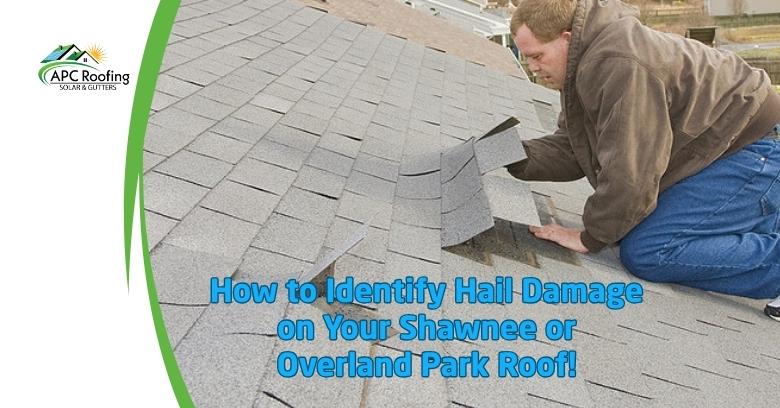
After a big storm rolls off the Front Range, the roof is the part of your house you can’t see and the first thing you worry about. Maybe there are shingle pieces in the yard, dents in the gutters or a new water spot on the ceiling. You need storm damage roofing in Denver from someone who’ll tell you what actually happened up there, not whatever gets a contract signed fastest.
It’s a stressful spot. You’re wondering if the damage is real, whether insurance will be part of it and who to trust once trucks with out-of-state plates start showing up on your street. You deserve a straight answer before you spend a dollar.
APC Roofing is a GAF Certified roofing contractor, licensed and insured, and in business since 2017. Your storm damage inspection and estimate are free. Call 720-902-6940 to get on the schedule.
What Colorado storms do to a Denver roof
Denver gets more than one kind of rough weather, and each one leaves different marks.
Hail is the big one. A hard hailstorm can bruise or crack shingles, knock off the granules that shield them from the sun, dent metal vents and gutters, and break tile. Bruised shingles often look fine from the driveway. The damage shows up a season or two later as bare spots and leaks.
Wind works on the edges. Strong gusts coming down off the mountains get under shingle edges, break the seal strips that hold each course down and peel back ridge caps and edge metal. A shingle can lose its seal without leaving a visible gap, and the next windy day finishes the job.
Spring snow along the Front Range tends to be wet and heavy. It puts real weight on the roof, and when it melts and refreezes at the eaves it can form ice dams that push water up under the shingles.
Falling limbs and blown debris can crack the wood decking under the shingles, even when the surface above looks mostly normal.
Signs of storm damage you can check from the ground
You don’t need a ladder to spot most of the early clues. Please don’t go up on the roof yourself, especially right after a storm when it may be wet or icy.
- Dents in gutters, downspouts, window wraps or metal vent caps
- Piles of shingle granules at the bottom of downspouts
- Shingles, ridge caps or strips of edge metal in the yard
- Shingles that look lifted, creased or out of line
- A new stain on a ceiling or upper wall, especially one that grows after each rain
- Damp wood or pinpoints of daylight in the attic
If you see any of these, it’s worth a closer look. If you don’t, a storm that dropped sizable hail on your part of town is still a good reason to have the roof checked, because hail bruising is hard to see from below.
Storm damage roofing in Denver starts with documentation
A good storm inspection is mostly careful record-keeping. The roofer walks each slope when it’s safe to, checks the gutters, vents and flashing, looks in the attic and photographs everything before anything gets touched. Each damaged spot gets marked and measured so the photos show scale.
You get those findings in plain language with the photos attached. That record is useful whether you end up filing an insurance claim or paying for a repair yourself, and it gives you something solid to compare if you want a second opinion.
If water is getting in right now
Start inside. Move your belongings away from the drip, catch the water and shut off power at the breaker to any area where water is near lights or outlets. Then call for a temporary cover.
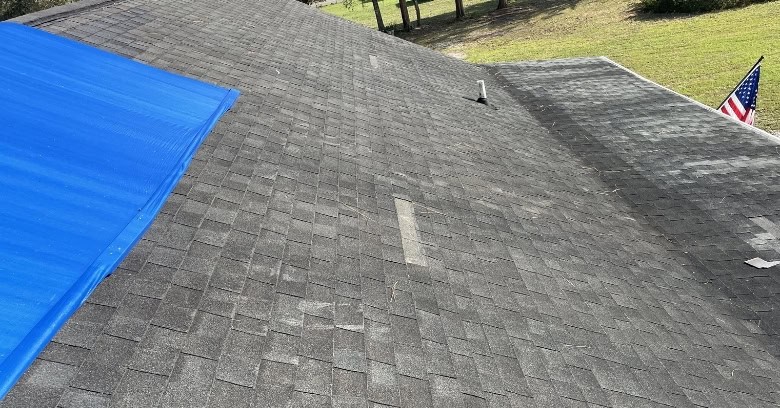
A proper temporary cover is a tarp run over the ridge and fastened to boards, with nails going only into the area that’s already damaged. Bricks and blocks on a loose tarp usually don’t survive the next windy afternoon. A tarp holds the line until the permanent repair, and it isn’t meant to stay up for months.
Repair or replace after a storm?
Storm damage doesn’t always mean a new roof. If the damage is limited to a few areas and the rest of the roof is healthy, a roof repair in Denver may be all you need. If hail bruised shingles across every slope, or the roof was already near the end of its life, replacing it often makes more sense than patching.
Matching is part of the decision. New shingles rarely match weathered ones exactly, and a discontinued style can only be matched to its closest equivalent. When a big share of one slope needs work, redoing that whole slope usually looks better and holds up better than a patchwork.
If you do replace, it’s a good time to ask about impact-resistant shingles or metal. Both stand up to Colorado hail better than standard shingles. For more on hail specifically, see hail damage roof repair in Denver.
How insurance fits in
Hail and wind damage is often covered by homeowners insurance, while normal wear and age usually aren’t. Your policy decides. If you choose to file, you file the claim yourself and you pay your own deductible. APC Roofing documents the damage, gives you a written estimate and works with your adjuster so everyone is looking at the same facts. Our insurance roof claims page walks through it in more detail.
Choosing a storm damage roofer
After a big hailstorm, crews from all over tend to go door to door. Some do fine work. Some won’t be around next year when you have a question. A few habits help you sort them out:
- Get the inspection and the written findings before you sign anything.
- Read every line of any agreement, especially one handed to you on the porch.
- Ask how to reach the company a year from now.
- Sleep on it. A good roofer won’t rush you.
Trust matters, and it’s earned by showing you what’s on your roof, not by pressure.
How it works with APC Roofing
- Book your free inspection. Call 720-902-6940 or request a free online estimate.
- Get a clear, honest assessment and estimate. You’ll see photos of what the storm did, hear whether it’s a repair or a replacement and get a written estimate.
- Get the roof fixed and the site cleaned up. Many residential roofs are installed in a single day, and the crew cleans up before leaving.
If you’d like to spread out the cost, financing is available through Aqua Finance, Fortifi, Hearth and Home Run Finance.
Storm damage questions from Denver homeowners
How soon after a storm should I have my roof inspected?
Sooner is better. The next rain can change what’s visible, and many insurance policies set a time limit for reporting damage. Check yours for the details.
My roof isn’t leaking. Could it still be damaged?
Yes. Hail bruises and broken seal strips often don’t leak right away. They shorten the roof’s life and turn into leaks later.
Do you handle storm damage on metal, tile and flat roofs?
Yes. We inspect and repair shingle, metal, tile and flat roofs, along with gutters damaged in the same storm. You can see everything we do on our Denver roofing page.
Is the storm damage inspection really free?
Yes. The inspection and estimate cost nothing, and you’re under no obligation.
A roof that’s ready for the next storm
Storm damage left alone tends to grow. A broken seal lets the next gust lift more shingles, and decking that gets wet more than once starts losing its grip on the nails. Getting the roof checked now keeps a small repair small.
What you’re after is simple: a sound roof, a dry house, no surprise bill and confidence that you made the right call. Call 720-902-6940 to book your free storm damage inspection.