The hail stopped twenty minutes ago. The car has a few new dents, the gutters look dinged, and now you’re wondering about the roof you can’t see from the driveway. If you’re looking into insurance roof claims in Denver, you probably have two questions: is the damage real, and how does the claim actually work?
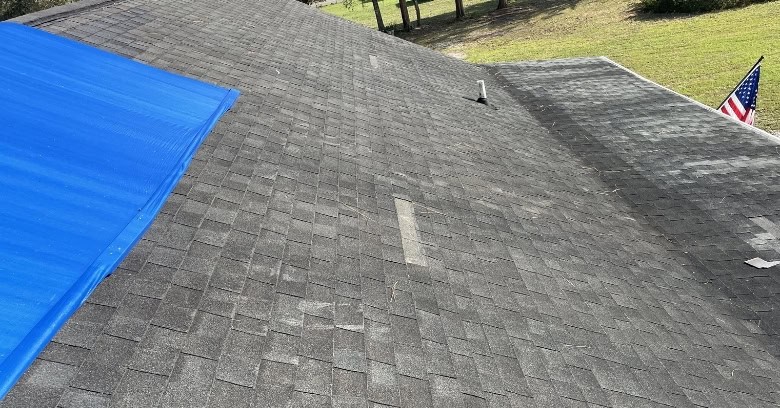
Most homeowners only go through a roof claim once or twice, so it’s normal to feel unsure. You don’t want to file for nothing, you don’t want to miss damage that’s really there, and you’ve probably heard about storm chasers who show up after every big hailstorm. You deserve clear answers and a roofer who gives them to you straight.
APC Roofing is a GAF Certified contractor, licensed and insured, and your inspection and estimate are free. Call 720-902-6940 and a roofer will check the roof and give you an honest read before you decide anything.
What hail does to a Denver roof
Front Range hailstorms are mostly a late-spring and summer event, and they can be intense. Larger stones bruise asphalt shingles, knocking off the granules and sometimes cracking the mat inside. They dent soft metal like vents, flashing and gutters, crack older tile, and can puncture a flat roof membrane that’s gone brittle.
The tricky part is that hail damage often doesn’t leak right away. A bruised shingle can sit for a season or two, slowly losing granules to the sun, before it starts to fail. That’s why it’s worth having the roof looked at after a big storm, even if nothing is dripping.
How insurance roof claims in Denver work, step by step
Every insurance company has its own process, but most claims follow the same general path.
- Stay safe and take photos. Don’t climb on the roof. Photograph what you can from the ground: dented gutters, damaged siding, hail on the lawn, the size of the stones next to a coin or a ruler. Note the date of the storm.
- Get a roof inspection. A roofer checks the shingles, flashing, vents and gutters up close, photographs any damage and tells you whether it looks like enough to be worth a claim. Our inspection is free either way.
- File the claim yourself. You contact your insurance company and open the claim. Read your policy for any deadline to report damage, since some policies have one.
- Meet the adjuster. The insurance company sends an adjuster to inspect the roof and write up what they find. We work with your adjuster so the damage on your roof is clearly documented.
- Review the claim decision. The insurer tells you what’s covered. If you have questions about it, ask your insurer to explain anything you don’t understand.
- Schedule the work. Once you’ve decided to go ahead, the repair or replacement is scheduled and the site gets cleaned up when it’s done.
What’s yours to handle, and what we do
You file the claim, stay in charge of it as the policyholder and pay your deductible. The deductible is your share of the cost, and it’s set by your policy.
We inspect the roof, document the damage with photos, provide a written estimate and work with your adjuster.
Be wary of anyone who offers to waive or cover your deductible. It’s a common pitch after Denver hailstorms, and no contractor you can trust will make it.
Words you’ll see on your claim paperwork
Insurance paperwork has its own vocabulary. A few terms come up on almost every roof claim:
Deductible. The amount you pay toward the covered damage before insurance pays the rest.
Actual cash value (ACV). What the damaged roof was worth given its age. Some policies pay this amount first.
Recoverable depreciation. On many replacement-cost policies, the difference between the actual cash value and the full replacement cost is paid after the work is finished.
Scope of loss. The adjuster’s list of what’s damaged and what the insurer will pay to repair or replace.
Every policy is different, so your agent or insurer is the best source for how yours works.
When a claim may not be worth filing
Not every storm calls for a claim. If the damage is limited to a few shingles or one dented vent, the repair may cost less than your deductible, and a simple repair is the easier path. An honest inspection should tell you that. You can read more about shingle roof repair in Denver for smaller damage.
For bigger damage, see how hail damage roof repair in Denver works.
How it works with APC Roofing
- Book your free inspection. Call 720-902-6940 or request a free estimate online.
- Get a clear, honest assessment and estimate. You’ll see photos of any damage and get a written estimate you can share with your insurer.
- Your roof gets done and the site gets cleaned up. Many residential projects are finished in a single day.
If part of the project isn’t covered, such as an upgrade you choose, financing is available through Aqua Finance, Fortifi, Hearth and Home Run Finance.
Roof claim questions from Denver homeowners
How soon after a hailstorm should I get my roof inspected?
Soon is better. Damage is easier to tie to a specific storm while it’s fresh, and some policies set a deadline for reporting it.
Will filing a claim raise my insurance rates?
That’s up to your insurer and your policy, so ask your agent. Knowing whether the damage is real before you file helps you make that call.
Do I need a roofer before the adjuster comes out?
It helps. An inspection first tells you whether there’s damage worth claiming, and the photos give you a record of what was on the roof.
Do I have to use the roofer my insurance company suggests?
You can choose your own licensed roofer. Check your policy or ask your insurer if you’re unsure.
Get your roof checked after the storm
Call 720-902-6940 or book your free inspection online. For our other claim and financing help, see specialty roofing services in Denver.
The goal is a roof that’s properly repaired, a claim you understand from start to finish, and no surprise bill. Trust matters.