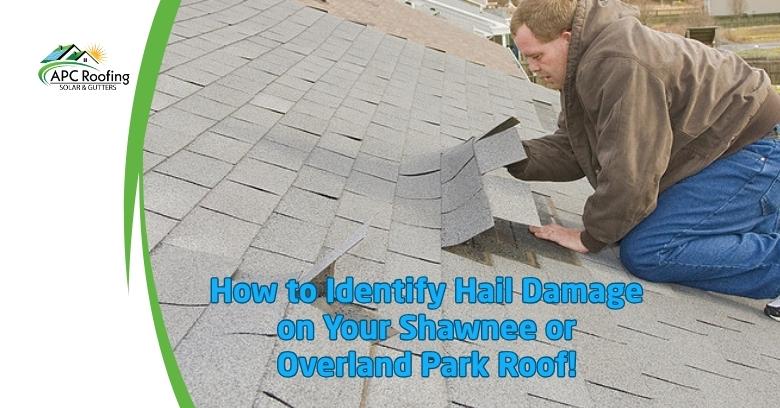
A stain spreads across the ceiling after a spring storm, or you spot shingles in the yard after a windy night. You need Denver roof repair, and you’re not sure who to call. You want to know how bad it is, whether a repair will hold or the whole roof is done, and whether the roofer giving you the answer has a reason to oversell.
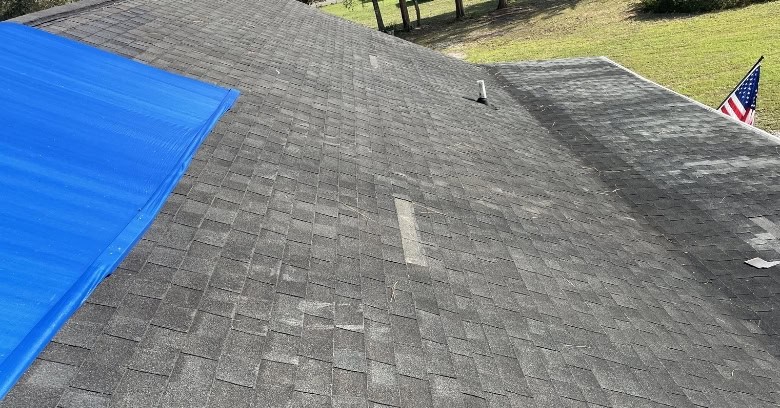
That’s a reasonable worry. You deserve a plain answer about your own roof, with photos to back it up.
APC Roofing is a GAF Certified roofing contractor, licensed and insured, and inspections and estimates are free. Call 720-902-6940 and a roofer will come out, look at the attic and the roof, and show you what’s going on. You can also see all of our roofing services in Denver.
What Denver weather does to a roof
Colorado’s Front Range is hard on roofs. Hail rolls through in spring and summer and can bruise shingles, crack the granule surface and dent vents and gutters. At Denver’s altitude the sun is intense, and that UV dries out shingles, rubber pipe boots and sealant faster than at sea level. Strong winds coming off the mountains break shingle seals and fold tabs back.
Winter adds its own problems. Temperatures can swing from mild to well below freezing in a day, and water that sneaks into small gaps freezes, expands and pries them wider. Snow on the roof can also form ice dams, where meltwater refreezes at the cold edge of the roof and backs up under the shingles.
Where Denver roof leaks usually start
Water rarely gets through the middle of an unbroken slope. Leaks start where the roof is interrupted:
- Pipe boots. The rubber collar around a plumbing vent stiffens in the sun and tears at the top. Water runs down the pipe into a bathroom ceiling.
- Flashing at walls and chimneys. Metal flashing should be woven in with every row of shingles. When it rusts through or works loose, water runs behind the siding and into the wall.
- Valleys. Two slopes empty into one channel. Shingles there wear bare first, and debris piles up and pushes water under the edges.
- Wind-lifted shingles. Once the seal strip breaks, a tab that bends back keeps a crease, and wind-driven rain slips underneath.
- Ice dams at the eaves. Even a roof with no holes can leak when meltwater backs up behind ice. Attic insulation and airflow fix the cause, and an ice-and-water membrane under the bottom rows is the backup.
- The ridge. Ridge caps crack with age, and a ridge vent with backed-out nails lets blowing snow and rain in.
The stain inside usually isn’t right under the hole. Water runs along the rafters first. That’s why we start in the attic when we can get to it, following the water stains on the wood up to where they begin, then finding the same spot on the roof. A patch aimed straight up from the ceiling stain often misses.
Not every wet attic is a leak. In cold weather, warm, moist air from the house can condense on the underside of the roof deck and drip when the sun warms it. Shingle work won’t fix that. Better ventilation and sealing air leaks into the attic will, and you’ll hear plainly which one you have.
Denver roof repair done the right way
Caulk smeared over a gap is a stopgap. Sun and freeze-thaw split it within a season or two. A real repair replaces the part that failed. A torn pipe boot gets a new one tucked under the shingles above it. Rusted wall flashing gets rebuilt with the shingles around it lifted and relaid. A worn valley comes apart and goes back properly. Nails that have popped get pulled, the hole sealed and a new nail driven into solid wood. Soft decking gets cut out and replaced before anything goes on top.
On metal roofs, the usual fix is new screws with fresh washers, since Colorado sun hardens the old ones. We also repair tile and flat roofs. For hail and wind damage specifically, our hail damage roof repair in Denver page covers what gets checked. For shingle-specific repairs, see shingle roof repair in Denver.
You’ll get photos of the problem and the finished repair, along with a short written note on what failed and what was done. Those photos come in handy if you sell the house or file a claim later.
Repair or replace?
Most leaks come from one failed part, and fixing it makes sense even on an older roof. The answer changes when the shingles are bald, granules pile up in the gutters, hail has bruised most of the roof or a new stain shows up every season. A repair on a roof like that can keep the house dry for now, but it won’t add years.
Old shingles also get brittle and can snap when they’re lifted to reach the nails, so a small repair can grow. You’ll know before work starts if that’s likely. If replacement makes more sense, our roof replacement team in Denver can walk you through options, and financing is available through Aqua Finance, Fortifi, Hearth and Home Run Finance.
Hail damage and insurance
After a hailstorm, it’s worth getting the roof inspected even if nothing is leaking yet. Hail bruises can take a while to turn into leaks. Have the damage documented with photos and measurements. If you decide to file an insurance claim, we provide the estimate and work with your adjuster. You file the claim yourself and you pay your own deductible.
How it works with APC Roofing
- Book your free inspection. Call 720-902-6940 or request a free online estimate.
- Get a clear, honest assessment and estimate. You’ll see photos of what we found and a written estimate. You decide what gets done and when.
- Get your roof fixed and the site cleaned up. The crew repairs what failed with the right materials and cleans up before leaving.
Roof repair questions from Denver homeowners
How do I know if hail damaged my roof?
From the ground, look for dented gutters, downspouts and vents, and granules piled at the bottom of downspouts. Shingle bruises are hard to see without getting on the roof, which is what a free inspection is for.
Why does my roof leak only when snow melts?
That’s often an ice dam. Meltwater refreezes at the eaves and backs up under the shingles. Better attic insulation and ventilation help, along with an ice-and-water membrane at the edge of the roof.
Can you repair a roof in winter?
Many repairs can be done in cold weather. Shingle sealant needs warmth to bond, so in cold months the crew hand-seals each shingle. A tarp can protect a wet roof until conditions allow a permanent fix.
Is a roof inspection free?
Yes. Inspections and estimates are free.
A dry house and no guesswork
Water that gets past the shingles soaks into the decking, the insulation and the drywall, and freeze-thaw makes small gaps bigger every winter. You don’t have to fix everything at once. It just helps to know where you stand.
The next hailstorm rattles through, and you check the ceiling out of habit, and it’s dry. That’s what a sound roof gets you: no new stains, no surprise bill and confidence you made the right call. Call 720-902-6940 to book your free inspection, or start with our free online estimate.