Your roof has been patched three times in two years, and there’s a new stain on the bedroom ceiling. Or a hailstorm went through last summer and the shingles on the south side look bald. You’re starting to think about roof replacement in Denver, and the questions pile up fast: is it really time, what should go on next, and how do you know the crew will do it right?
A new roof is one of the bigger checks you’ll write for your house, so the worry makes sense. You don’t want to replace a roof that had years left, and you don’t want to pour money into repairs on one that’s done.
APC Roofing is a GAF Certified contractor, licensed and insured, and your inspection and estimate are free. If a repair will do, you’ll hear that. Call 720-902-6940 to have every slope looked at.
Signs your Denver roof needs replacing
One problem rarely means a new roof. A pattern of them usually does.
- Granules washing into the gutters and bare, dark patches on the shingles
- Shingles curling, cracking or lifting across large areas, not just one spot
- Hail bruises scattered across most slopes
- Repairs that keep failing, closer together each season
- Soft or spongy spots when the roof is walked, which point to a rotting deck
- Daylight or water stains visible from the attic
What Denver weather does to a roof over time
Denver roofs age faster than the calendar suggests. At a mile up, UV is stronger than in lower cities, and it dries out asphalt and wears off the granules that protect it. Daily temperature swings make the roof expand and contract over and over. Winter adds freeze-thaw: water gets into a small crack, freezes, and widens it.
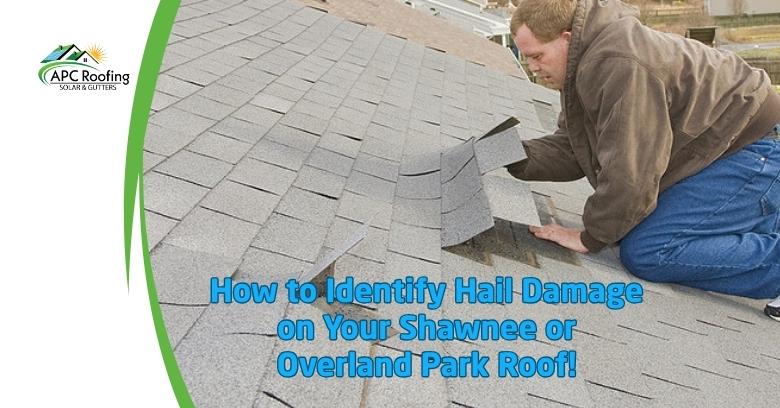
Then there’s hail. The Front Range sees some of the most frequent hail in the country. A hard storm can knock granules loose, crack the shingle mat or break the seal that holds shingles down, and that damage often isn’t obvious from the ground. If you suspect hail, a hail damage roof inspection is the place to start.
Repair or replacement?
A roof repair makes sense when damage is limited: a few missing shingles, one failed pipe boot, a lifted piece of flashing, on a roof that’s otherwise in good shape. Replacement makes sense when the damage is spread across the roof, the shingles are brittle enough that repairs crack the pieces around them, or the deck underneath is going soft.
Brittle shingles are the tell. On an older roof, lifting a shingle to reach its nails can break it and its neighbors, so each repair grows. At that point, money spent patching rarely comes back.
What a proper roof replacement in Denver includes
A new roof is more than new shingles. The parts you’ll never see decide how long it lasts.
Full tear-off. Laying new shingles over old ones hides problems in the deck and traps heat. Codes generally allow no more than two layers on a roof, and a tear-off lets the crew see and fix the wood underneath.
Deck repair. Rotted or delaminated boards get replaced before anything goes on top.
Ice and water barrier. In a snow climate, a self-sealing membrane along the eaves protects against water backing up behind ice. It also goes in valleys and around chimneys and other openings.
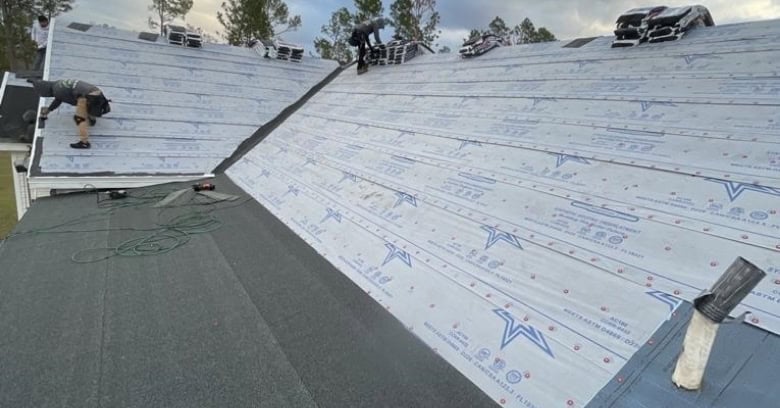
Underlayment. A synthetic underlayment covers the rest of the deck as a second line of defense.
New flashing. Step flashing at walls, chimney flashing, drip edge and pipe boots should be replaced, not reused. Old flashing bent back into place is a common source of leaks on a new roof.
Ventilation. An attic that breathes, with air coming in at the eaves and out near the ridge, keeps the roof deck cooler in summer and drier in winter. Poor airflow shortens the life of even good shingles and adds to ice dams.
Choosing what goes on next
- Asphalt shingles. The most common choice in Denver. Architectural shingles are thicker than older 3-tab styles, and impact-resistant lines are built to hold up better to hail. See asphalt shingle roofing in Denver.
- Metal. Standing seam and other metal roofing in Denver sheds snow, handles sun well and suits many home styles.
- Tile. Concrete and clay tile are heavy, so the framing has to be able to carry the load.
Some insurers offer different terms for impact-resistant roofs. It’s worth asking your agent before you pick a shingle.
Permits and inspection
A full re-roof generally requires a permit, and the city inspects the finished work. The contractor normally pulls the permit, because the application names who is doing the job. If a contractor suggests skipping it, that’s a reason to keep looking. A closed permit also helps when you sell, since buyers and appraisers often ask about the roof.
How it works
- Book your free inspection. Call 720-902-6940 or request a free estimate online.
- Get a clear, honest assessment and estimate. We walk every slope, check the attic, and photograph what we find. The written estimate names the shingle, underlayment, flashing and ventilation, and how any rotted decking will be handled. Financing is available through Aqua Finance, Fortifi, Hearth and Home Run Finance.
- Your new roof goes on and the site gets cleaned up. Many residential replacements are finished in a single day. The old roof is torn off a section at a time, so the deck is never exposed for long, and the yard and driveway are cleaned up before the crew leaves.
If hail or wind damaged your roof and you file a claim, you file it with your insurer and pay your deductible. We document the damage, provide the estimate and work with your adjuster.
Roof replacement questions from Denver homeowners
How long does a roof replacement take?
Many residential replacements are done in one day. Larger, steeper or more complex roofs, and tile or metal jobs, take longer. You’ll get a realistic timeline with the estimate.
Can you put new shingles over my old roof?
It’s possible on a roof with only one layer, but a tear-off is the better choice. It lets the deck be inspected and repaired, and the new roof sits flat and seals properly.
Should I choose impact-resistant shingles in Denver?
For most Denver homes, they’re worth a serious look, given how often hail hits the Front Range. Ask your insurer whether they affect your policy.
Do I need to be home during the replacement?
No, but you should move cars out of the driveway and take fragile items off the walls inside, since the hammering carries through the house.
Book your Denver roof replacement estimate
Call 720-902-6940 or book your free inspection online.
You’ll end up with a roof you don’t have to worry about every time a storm rolls off the mountains, a dry house and a decision you feel good about. Trust matters, and it starts with an honest look at your roof.