Looking for Commercial Roofing in Belcaro Neighborhood Colorado?
APC Roofing installs and mends membrane and metal coverings on business buildings, down to the drains, edge trim and equipment curbs.
Call 720-902-6940 and a roofer will come out and look everything over.
Business Property: Setting the Scene
Staff, stock and machinery sit beneath the membrane, so a drip can shut down a shift instead of staining a tile. The area on top of a big building stretches wide at a very shallow pitch, so outlet sizes and wind design come from engineering figures.
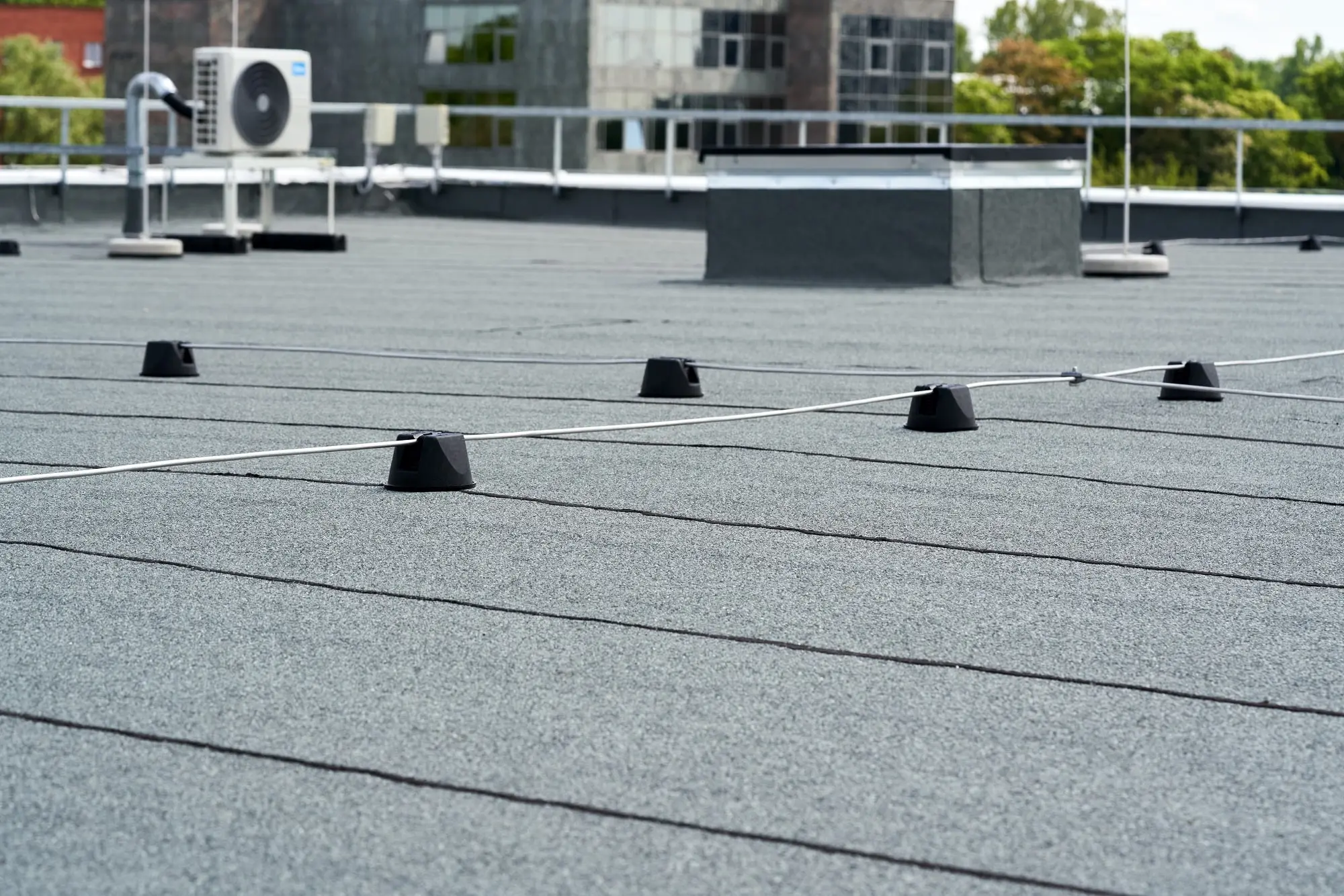
Mechanical units, vents and satellite dishes share the space overhead, and every duct or conduit crossing the covering demands a watertight seal. The activity indoors steers the selection of materials, so a refrigerated plant is specified unlike a clinic.
Kinds of Low-Slope Covering: a Plain Primer
One flexible layer of TPO, PVC or EPDM is what single-ply describes, modified bitumen is asphalt blended with polymer and rolled out, and built-up roofing alternates felt with hot tar. Seams in thermoplastic membranes melt together under a welding nozzle, whereas a rubber splice depends on primer and tape.
A commercial kitchen pushes greasy vapor up through the exhaust fans, and oily buildup degrades asphalt and EPDM coverings, so the stretch nearby is often PVC. A stone-covered built-up system is weighty and tough, because the loose aggregate keeps ultraviolet light off the bitumen.
Steel Over a Warehouse: Where Trouble Shows
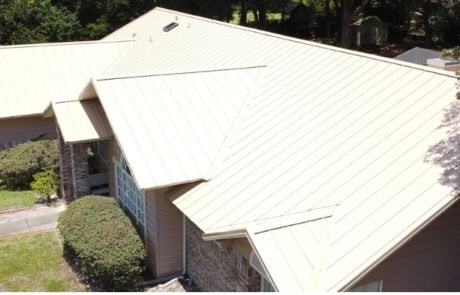
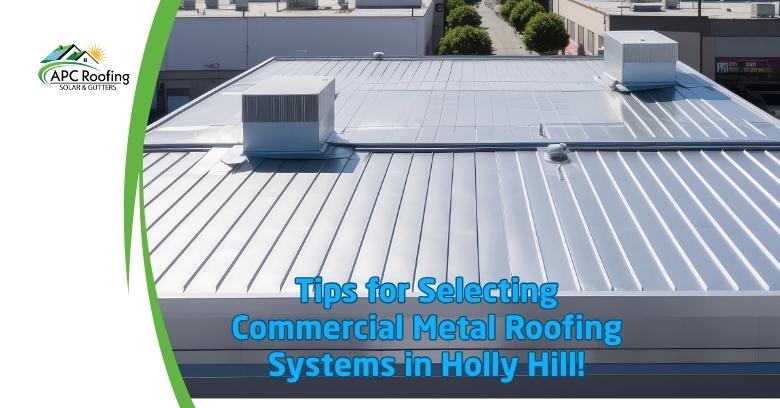
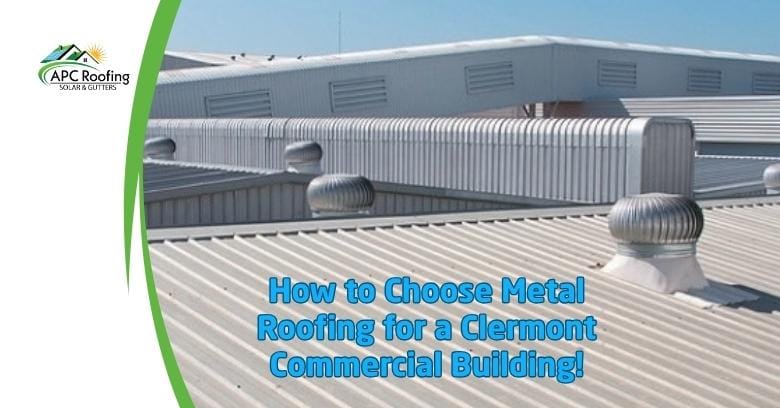
Exposed-fastener sheets are secured with screws through the flats, and the threads bite into the purlins beneath. The neoprene washer at each head dries out under years of sunlight, and daily heating and cooling gradually loosen the fasteners.
Standing-seam panels attach with clips tucked under the raised seams, and the pans shift slightly through the day. Rust tends to appear at side laps and cut edges, and a restorative coating can add service to sound steel.
The Supporting Deck – What to Check
Attachment methods are limited by what the original builders put in, and reroofing leaves the framing in place. Corrugated steel gives screws a firm bite, concrete is glued or drilled for anchors, and wood planking takes ring-shank nails or plates.
Old, slow leaks corrode patches of a metal deck, and failing stretches are replaced rather than covered. The underside can be viewed from below where no ceiling blocks the view, and cores drilled from above confirm the remainder.
How a Membrane Is Secured: Weighing the Choices
Mechanically fastened sheets carry rows of plates and screws in the laps, fully adhered systems are glued across the whole underside, and a ballasted build lies loose under gravel or pavers. Height, exposure and the deck below guide the selection, and a frame with no spare capacity rules out a heavy layout.
A fastened membrane lifts and drops between plates in a gale, whereas glue keeps a sheet calm only over a dry, clean base. Close inspection goes slowly on a ballasted system, because gravel or pavers must come off before anyone sees a joint.
Wind on Low-Slope Work: What Codes Expect
Pull is greatest at the outside angles, because moving air curls and speeds up on spilling over the edge. The zone running down each side follows close behind, and the interior bears a light load.
Fasteners go in closer together near corners and edges, as set out in engineering tables for height and wind speed. An under-fastened outer angle lets the sheet curl up, and pressure underneath can strip a wide section.
Thermal Resistance – an Overlooked Component
Panels of polyisocyanurate rest on the structural deck in offset rows, and a gypsum or fiber cover board commonly caps the stack. The layer cuts energy use across the building, and a tapered layout pitches the finished face toward the drains.
Wet polyiso loses much of the R-value, and the heavy mass adds weight and rusts a steel deck. An infrared scan at dusk, backed by cores, outlines the affected zone, and nothing ruined is left under a new covering.
Drainage Hardware: Clogs and Standing Water
Every interior sump is guarded by a strainer dome, and the slots hold back gravel and plastic bags. Once silt coats the grate, flow drops sharply, so a shallow lake forms across the low area.
Codes call for a backup outlet mounted above the main drain, and runoff spilling at the upper level points to a plug further down. Rain held across a wide area can put tons onto the beams, and a pool that outlasts a downpour by two days marks a low spot or a fouled strainer.
Finding the Source of a Drip: The Method
A stained ceiling tile marks only where the drops fell, but the split in the sheet is often somewhere else entirely. Corrugated decking channels seepage the length of the building, and joints between foam panels open more paths.
Laps, curbs and outlets upslope of the stain are checked by hand, and a low-voltage test can trace an elusive leak. Sealing whatever sits above the soggy tile rarely fixes anything, and the next downpour sends water through again.
Air-Conditioning Gear: Keeping Water Out
A sturdy curb holds each machine clear of the membrane, and the sheet is carried up the faces and tucked under metal. The corners are the fussiest detail up there, and any open seam lets rain get behind.
A new unit from the HVAC contractor may sit on an adapter with no flashing, and water reaches the office below soon enough. Condensate discharged straight onto the covering discolors and softens the surface, and a short extension to a drain ends the problem.
Penetrations Through the Field – Detail by Detail
Each round stack wears a prefabricated boot with a clamp, while odd shapes go into a pitch pocket filled with sealant. Aging compound contracts and opens hairline gaps, which makes a refill a normal maintenance task.
Electrical conduit and gas lines ride on blocks simply set in place, since every screw driven through the sheet is a future leak. Pads cut from spare roofing stock go under each base, so heat and vibration scuff the buffer instead of the membrane.
Openings With Lids – How Leaks Begin
Sunlight slowly turns acrylic bubbles dull and fragile, and the screwed-down rim is where cracks start. A tired gasket on a skylight admits water, and the covering gets accused of a fault in the glazing.
The hatch at the top of the ladder sees daily traffic on some buildings, which wears out the springs, latch and weatherstrip. Smoke vents are life-safety devices that pop open in a fire, so nothing placed during roofing work may pin the covers down.
Masonry Above the Roofline: Common Trouble Spots
At the vertical face, the sheet climbs as base flashing, a termination bar grips the upper end, and metal counterflashing laps down from higher up. Coping over the crest steers rain to either side, but joints whose sealant has cracked admit runoff beneath.
Brick and block soak up a long downpour, and the ceiling stain that follows mimics a membrane problem. The coping, the wall and every flashing are reviewed together with the field, and loose mortar is repointed rather than coated over.
Gravel Stops and Fascia – Wind at the Border
A cleat screwed to the nailer catches the folded hem of the flange, and a stripping ply seals the sheet to the horizontal face. Perimeter pieces must carry a wind rating for the building's height, since a bent clip can let a gust peel a whole stretch.
Gutters along a long eave take a huge volume in a storm, and the hangers, joints and leaders must be sized generously. Trim that is kinked or raised deserves prompt attention, because refastening early lowers the risk of a blow-off.
Other Trades Overhead: Living With Guests
Electricians, cable installers and HVAC crews all make regular trips up, and a path gets a little more scuffed each season. An abandoned screw gets forced through the sheet by a passing boot, and an access panel set down on a corner slices a gash.
Thick rubberized pads trace a safe path to each unit, and wear ends up on material built for foot traffic. Contracts with service firms can spell out where crews may walk, and loose screws and scraps should leave in a bucket.
Scheduled Inspections – the Routine
Twice annually is a sensible rhythm for a walk-through of a commercial system, with an added check after any violent storm. Routine care lifts and empties each strainer, any open lap is found with a probe, and brittle sealant gets marked for replacement.
Preparing for the stormy months means close scrutiny of outlets and perimeter metal, and a return after rough weather finds what shifted. Little defects go into a log, each tied to a spot on the plan, and repairs can be grouped and timed sensibly.
Paperwork Worth Keeping – a Long Memory
A scaled drawing shows where each unit, drain and hatch sits, and a layer-by-layer description runs from the deck upward. Every repair is entered with the date and photos, and moisture readings are added as taken.
Countless older buildings reach new owners with no history attached, and each roofer who climbs up has to investigate afresh. Documentation stays with the building, and a copy can go to a successor or a buyer.
Choosing the Scope: What Tips the Balance
A sound membrane with a handful of local faults simply gets patched, while a tired but dry surface can carry a silicone or acrylic layer. Widespread waterlogged boards signal a full replacement, and so do seams that crack wherever flexed, though years alone never decide the matter.
Cleaning, priming and repairs underneath come before any coating, and material below that holds water never dries out. Now and then the answer is replacing just the spoiled sections, as long as the remaining membrane has plenty of service ahead.
Routes to a Reroof – the Rules and the Reasons
Recovering adds another membrane on top of the current roof, and a board is placed between old and new. Code permits a second covering, never a third, provided the insulation beneath is dry.
Tearing off takes the assembly back to the bare structure, and the exposed deck can be inspected and repaired. Tapered insulation installed at the same time can reduce chronic puddling, and crickets between drains split the runoff.
Signs Worth Reporting – Before Leaks Spread
- A steady stream from the backup scupper in a storm, which suggests a plugged strainer.
- A ceiling tile whose stain spreads after every shower, which reveals the foam above is getting soaked.
- Dark streaks running down the outside wall below a scupper, which can suggest flashing trouble near the top.
- Rattling trim along an open eave, which can put the membrane at risk in a storm.
- Ponding visible from a higher window days after rain, which can indicate a settled structure or a fouled drain.
- A skylight bubble with hairline fractures, which can shatter under a person's weight.
- Wet insulation hanging from an open ceiling, which suggests an opening some distance uphill.
- Water spilling over the lip of an eave gutter, which can mean a clog or an undersized run.
How APC Roofing Approaches Commercial Roofing in Belcaro Neighborhood Colorado: the Order of Work
The drains, scuppers and overflows get our attention before anything else, and the laps, curbs and perimeter come next. On a leaking building, cores and a meter check the foam, since the condition underneath shapes the advice.
A written report, photos and a sketch record what we found, and each problem is labeled with a location. Our advice names a repair, a restoration or a new system, and you get reasons to weigh for yourself.
Commercial Roofing in Belcaro Neighborhood Colorado: Plan the Next Step
Phone 720-902-6940 and a time to look things over gets agreed.
Keeping Tenants in Mind – What Gets Agreed
Every screw driven into steel decking is heard indoors, and adhesive fumes can drift into rooftop air intakes. The loud part of the job is planned with whoever runs the building, and nearby vents can be closed off during curing.
Old membrane and foam are lowered by hoist or dropped through a covered chute, and stock under the open area can be covered over. A water-borne glue smells much milder than a solvent type, which makes the gentler kind a sensible pick over offices.
Sequencing a Big Replacement – the Discipline Involved
Old layers come off only in amounts that can be closed up by evening, and each opened area is made tight again as stripping advances. A temporary closure protects the joint between finished and unfinished portions, and the stopgap is lifted at the restart.
How much is stripped depends on the weather outlook, and a threatening sky scales the plan back. Unprotected boards caught in a cloudburst soak through, and runoff may find a path to the offices underneath.
Weather Across the Region – Market by Market
At the colder end of our territory, hailstones and drifted snow are real concerns, so impact-resistant cover boards and a framing check make sense. Intense sunshine in every city we cover breaks a membrane down over time, and a pale surface sends much of the radiation back.
Hurricane wind at the coastal end demands tighter anchoring, and torrential downpours need outlets sized with room to spare. Glues and primers carry a temperature floor, while welding thermoplastic seams works in chilly air but pauses for showers.
Safety for Everyone Who Goes Up: Rules on the Job
A perimeter without a tall parapet leaves an open drop, and anyone close to the edge wears a harness tied to an anchor. Plastic skylights break under someone who stumbles onto the dome, so guards over each opening are standard practice.
Anchor points installed for good serve every trade that follows, and a self-closing safety gate beside the hatch adds a barrier. Where a screen or warning line is missing, our findings say so, since even a low building is high enough for a serious fall.
When Commercial Roofing in Belcaro Neighborhood Colorado is on your list, speak with APC Roofing at 720-902-6940. We will go over the entire field, drain by drain and seam by seam, and you receive the findings in writing and decide from there.