Weighing Shingle Roof Repair Across Overland Park Kansas?
APC Roofing mends torn, curled and lifted pieces and lays complete new coverings, from a small cottage to a large two-story house.
Phone 913-398-5020 and the findings are explained without jargon.
Anatomy of a Covering – Factory Details
Strength in a shingle comes from a glass-fiber mat, while asphalt soaked through the sheet turns rain away, and a dense layer of crushed rock granules takes the glare.
Two lines that appear matched may be put together quite differently, and added mass tends to buy durability. A sample board shows color alone, but a specification sheet names the ratings.
Choosing a Profile – Weight and Wind
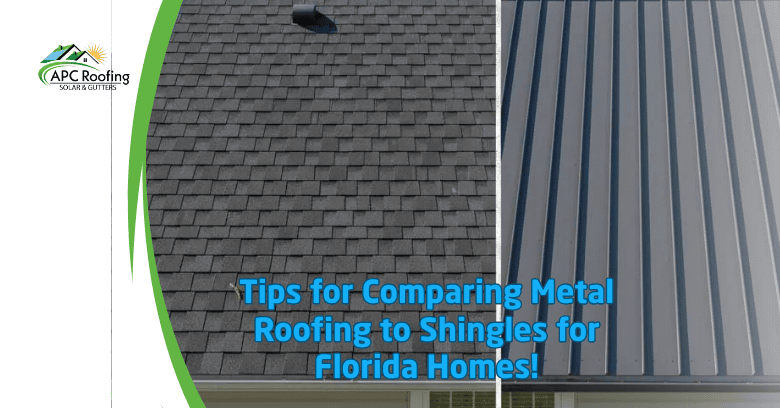
The three-tab type is a single sheet notched twice along the bottom, so the overall look is orderly. An architectural shingle has an irregular top ply fused to a whole base, so the extra depth gives relief.
The double-ply build adds material and weight, and published wind ratings are commonly higher as a result. Nailing on a two-ply shingle aims at the strip where the plies are joined, and a printed guide shows the right position.
A Place for the Plain Option: A Narrow Niche
Three-tab regularly serves a workshop, a garage or a porch, while a repair on an older house of that type stays uniform. Selection has shrunk, since many brands have trimmed that style, so an exact replacement can be hard to find.
Textured shingles mask slight waves in the boards beneath, while flat courses make any hollow obvious. Either profile sits on the same underlayment and flashings, while everything that differs is on top.
Surface Wear Over Time – Normal or Worrying
A freshly laid covering releases surplus grains during its opening months, and that is no cause for concern. On a covering with many years behind it, drifts of granules at the outlets mean real surface wear, and exposed asphalt turns brittle and splits.
Southern and western slopes absorb the hottest light, and bald spots usually show up there ahead of the rest.
The Thermal Adhesive: Resisting Uplift
A shingle comes from the plant with a glue stripe already applied, and a stretch of warm, sunny days softens it until the overlying row sticks. Once the courses are stuck together, gusts struggle to lift the exposed edges, and nailing still carries the load year after year.
On a chilly job at the colder end of our territory, sealant may sit inactive until spring, and wind can peel back the tabs before then. The manufacturer's sheet calls for hand-applied cement, and a printed diagram marks the spots and their spacing.
How Courses Are Attached – Frequent Errors
Every nail belongs inside a narrow stripe the manufacturer marks, so the shank ties in the row beneath too. A standard shingle gets four fasteners, and six are required on steep slopes or in high-wind areas.
A misplaced high nail leaves the lower course loose, an overdriven head slices the fiberglass, and a skewed shank tents the shingle on top. A bundle's wind class holds only when the printed pattern is followed, and an out-of-adjustment tool spreads one error across a whole face.
What Supports the Covering – Older Houses
The deck under asphalt shingles is usually plywood or OSB, and each shank has to land in solid material. Many older homes still have spaced boards left from a wood-shake era, and full sheathing is added on top before any shingles.
Rotted and spongy spots are replaced while the framing is open during a tear-off, because fasteners in decayed stock work free. Installers leave a slim gap where sheets meet, because swelling in damp seasons buckles anything laid too tight.
Old Paper, New Fabric: Known Limits
Before any shingles go down, a water-resistant membrane is rolled over the deck, and its runs overlap from the bottom edge upward. Asphalt felt is less common now that synthetic sheet has taken hold, because the replacement is lighter to carry and harder to rip.
Rain that gets past a damaged shingle drains across the membrane rather than into the deck, but it was never designed to serve as the only covering.
Guarding Against Ice Dams: Seasonal Detail
At the colder end of our territory, snow over heated rooms melts even on a sub-zero day, and a frozen band builds along the chilly lower edge. Water pooling behind that buildup can back up under the shingles, and regular underlayment offers no seal where nails penetrate.
Where ice dams form, building codes require an adhered membrane at the eave, and it runs past the interior face of the outside wall. Across every part of our service area, valleys and skylight curbs frequently get it too, as water collects and lingers there.
The Outer Rim – A Code Item
Prefinished drip edge follows each eave and each rake, so the fascia stays dry. The lower flashing sits under the underlayment, but on the gable sides the order reverses.
Current codes in many places make edge metal mandatory along every border of a shingled plane, as water tends to wrap under an unprotected rim.
Base Row Details – No Substitutes
Before any exposed shingles, a starter strip is laid along the bottom, so sealant lands exactly where the covering stops. A field piece set backward carries its adhesive uphill, out of reach, so the outermost tabs are pinned by nails only.
Many manufacturers call for starter along the rakes as well, because suction acts along the outer rims.
Drainage Between Planes – Keeping Nails Clear
A valley can be built open, with a metal channel left exposed down its center, and the closed-cut type carries one side's courses through while the other side is cut back. Woven work alternates rows from the two planes and suits three-tab, while makers generally advise against it for architectural shingles.
Installers keep nails several inches back from the centerline, and an adhered membrane lies underneath the whole length. Debris packed into a valley stays damp long after rain ends, so runoff may be forced beneath the cut side.
Roof-to-House Joints: Transitions Between Materials
Along a sidewall, a bent L-shaped step flashing is woven in with each course, and a counterflashing or trim board covers the raised leg. Where the eave stops against the house, a kickout diverter goes in, because otherwise rain soaks the framing.
Around a chimney, step pieces line the sides, an apron covers the front and counterflashing is set into the masonry, and a wide stack also needs a cricket upslope to split the flow.
Roof Penetrations: Aging Components
A pipe boot is built from a flat base plate and a stretchy neoprene collar, and ultraviolet exposure dries the gasket out and cracks it. The flange slips under the courses higher up, and the exposed foot lets water pass over rather than behind.
Collars often crack while the surrounding field still has years of wear left, so a full reshingling normally includes fresh boots.
At the Summit: Cold and Cracking
The ridge and every hip are closed with cap shingles, and laminated work calls for the maker's coordinated accessory. Pieces cut from strip shingles are much thinner, and in a hard freeze at the colder end of our territory the bend can split.
A continuous ridge vent frequently lies under the cap row, so the nails must be long enough to pass through it and bite the sheathing.
Breathing Room Above the Ceiling: Balance
Intake openings in the soffits let cool air in near the bottom, and a ridge exhaust lets it out. Blown fill crowding the corners can cut off movement, so a baffle in each rafter bay keeps the way clear.
A stuffy attic adds heat beneath the deck, while it also collects damp air from cooking, bathing and breathing. At the colder end of our territory, frost can coat every protruding nail, and the melt drips down when the sun comes out. A powered fan or gable vents alongside a ridge vent can scramble the pattern, since the draft takes the quickest route rather than sweeping the whole space.
One Product Everywhere – Sunlight and Storms
Our service area stretches from high plains to subtropical towns, and the strain on asphalt shifts with the setting. At the coastal end of our territory, hurricanes bring hours of sustained wind, and product sheets set out an enhanced nailing method. Long seasons of strong sun dry out the oils in the coating, while streaks spread faster where the air stays sticky.
At the colder end of our territory, freeze and thaw cycles pry at every small crack, and heavy snow adds weight on top of that.
Balls of Ice – Marks on the Surface
At the colder end of our territory, hail falls in many storm seasons, so shingles designed to resist impact are widely sold. A hailstone knocks granules loose where it lands, while a sharp jolt can split the mat itself.
Laboratories rate impact resistance by dropping steel balls from set heights, and a higher grade means passing a tougher trial. Some companies add rubber polymers to the asphalt, so the material bends where an ordinary mix would crack.
Storm Winds – The Damage Done
Uplift concentrates at the outer margins and the corners, and a shingle whose seal has let go starts to flap. A tab bent far back keeps a mark along the fold, and the break in the mat will not heal. A shingle hurt like that is replaced with a new one, but one that lifted cleanly can be stuck back down.
Blown-off tabs leave the underlayment uncovered, and it was never made to stand up to daylight.
Living Things Up Top – Cleaning Without Harm
Algae is what paints the long black marks on many slopes, which survives by feeding on limestone filler. Shady, slow-drying planes at the humid end of our territory tend to go dark soonest, and the stain itself is mostly a cosmetic problem.
Moss poses a real threat, as it traps moisture against the courses, and as clumps thicken they wedge the tabs upward. A jet under high pressure scours the protective stone off, so a gentle rinse with a cleaner made for roofing is the safer route. Some lines carry copper in the top layer to resist algae, and zinc bands near the top release traces that discourage regrowth.
Shade and Color – Blends and Batches
A black or charcoal covering absorbs more of the sun's energy, while pale ones stay cooler. Certain companies make granules designed to scatter infrared rays, and a reflectance rating appears on the data sheet.
A pallet from one batch can look a touch off from another, so maker directions say to draw from more than one bundle at a time. Multicolored designs keep slight differences from showing, while a solid, even finish reveals them more readily.
Walking on Asphalt – Frost and Footing
A sun-baked covering loses its firmness, so treads rub the stone off in patches. At the colder end of our territory, a course stiff with cold can break under weight, and a skin of frost leaves the pitch slick.
Staying down below is wiser for a homeowner, and a pair of binoculars shows most of what matters.
Re-Covering Without a Tear-Off: The Deck Question
A re-roof over a prior roof is legal in many towns, but not where two are already stacked or the wood is damp and decayed. Leaving the first layer on keeps the decking covered the whole time, which means damage stays trapped under fresh shingles.
Irregularities beneath carry up into the finished roof, and step and valley metal commonly remains in service. A doubled covering rests on structure never meant for that weight, and short nails end up anchored only in the old shingles.
Clues to Notice: Outside and In
- Mineral grains build up in the gutter troughs, and the heaps come back after each cleaning.
- Gaps appear where pieces have blown off, so the adhesive strip has given way.
- Courses have started to buckle and warp, which happens as the oils bake out.
- Fractures cross the exposed face, and the mat underneath takes on water.
- Some spots look dull and flat, and the asphalt now bakes in the sun.
- A rubber collar around a vent pipe has split, and drips may reach the ceiling below.
- A strip of flashing at a dormer is rattling free, which lets wind-driven rain in behind it.
- A brown ring shows on a ceiling, even though the leak may start far from the spot.
APC Roofing and Shingle Roof Repair in Overland Park Kansas: Our Method
Every slope is walked first during an inspection, and the flashings, valleys, vents and edges get a close look along the way. Up in the attic, stains and daylight are sought out, and darkened boards on the underside show past leaks.
Any problem is photographed, and damaged areas are measured. Everything found is set down in writing, and each recommendation carries its reasons. A little problem is never made to sound big, while a spent covering is named for what it is. Which way to go is up to the homeowner, from a single repair to a full replacement.
Shingle Roof Repair Throughout Overland Park Kansas – Help From People Who Know the Details
Reach us at 913-398-5020 to arrange a visit.
Fix or Replace – Matching Old and New
Changing a boot, resealing a flashing or swapping a few torn tabs is everyday repair work, and the rest of the shingles stay where they are. Patched areas show a visible contrast at first, while the exact style may no longer be made.
Brittle tabs on an older roof tear when lifted, so a small job can spread to the pieces next to it. Where the whole field is cupped and losing grit, replacement makes more sense than more patching.
Time on the House: Extending the Span
On three-tab, fifteen to twenty years is normal, while dimensional ones often manage a decade more. The ranges shift with attic ventilation, climate and installation care, and a single violent storm may finish a covering off early.
The vent collars and flashings deserve an occasional look, as prompt fixes keep water out of the wood.
For a roofer's opinion on Shingle Roof Repair in Overland Park Kansas, reach APC Roofing at 913-398-5020. The covering is inspected from the gutters to the ridge, and a written report leaves the choice with you.
Verified

Verified
Verified
Verified
Verified