Searching for Standing Seam Metal Roofing Throughout Kansas City Metro Area?
APC Roofing installs panel coverings and mends worn sheet, from a pole barn to a family home.
Call us at 913-398-5020 and a roofer will come out and describe what the metal shows.
Which System Is Up There: Clues From Below
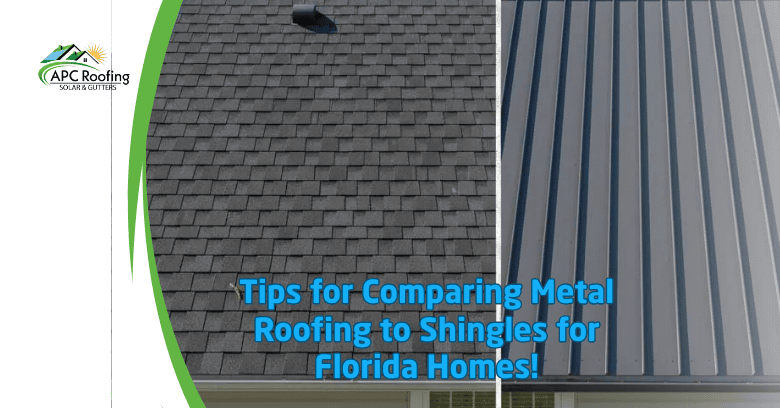
Exposed-fastener roofing is pinned by screws passing through every panel, whereas standing seam hangs on clips hidden under tall ribs. Most metal on houses is coated steel, and aluminum or copper appears now and then.
A glance from a lawn at lines of screw heads points to a through-fastened roof, and smooth pans between tall ribs with nothing poking through are standing seam. Barns, workshops and porches often wear corrugated or ribbed sheet, and houses carry both styles.
Cross-Section Choices – Reach Between Supports
A corrugated sheet curves up and down in regular round waves, while ribbed panels carry squared ribs with wide flats between. Adjacent lengths share a narrow side lap, and screw locations follow a published diagram.
Ribs make a stiffer panel that crosses longer spans, while corrugated fits a period barn or a farmhouse style. Rib height governs how much water a long slope can move, while a low pattern handles short runs like a porch or lean-to.
Hardware in the Weather: Aging in Sunlight
A screw pulls the metal tight against a purlin or the deck, and a washer under each head stops water getting in. Synthetic rubber ages in the sun, going hard and then cracking, long before the painted metal gives out.
Overdriving tears a washer and dishes the metal, while too little pressure or a crooked angle leaves an opening.
Fastener Replacement: Part of Upkeep
Rubber rings across a ribbed or corrugated field wear out together, so at some stage all seals get changed. Every existing fastener is removed, and a wider replacement goes back in where threads can still find purchase.
A re-screw stops drips around screw heads and draws lifting sheets back down, yet rusted panels, opened laps and poor flashing still need separate repairs. Thread type follows whatever support lies below, since lumber and steel purlins take different screws, and tops come painted to suit a colored finish.
A Covering in Motion – Stress at Screw Holes
Steel lengthens on a hot afternoon and shortens on a cold night, and a longer run shifts farther still, with aluminum going about twice as far. Where nothing lets a panel slide, the metal elongates screw holes, and a washer stops sealing.
Ticking heard as morning sun lands on steel is ordinary expansion, and a roof built with slack is unharmed.
Anchoring Standing Seam: Hidden Hardware
Every lengthy pan is secured firmly in only one zone, and floating clips everywhere else let the pan glide. A finishing piece at an opposite end has room built in underneath, and rigid fastening over a big pan shears or wrinkles the metal.
Pans go down one at a time, with clips screwed along a single side, so no fastener head is left out in the weather.
Closing a Seam: Choosing Between Options
A basic profile engages with a firm push along a full length, while machine-rolled designs get folded over by a motorized seamer. A double-lock seam rides out storms and sheds pooled water, and a gentler pitch is allowed.
Pan width and rib height vary from product to product, and a choice depends on the home and a preferred style. Clips, trim and closures are bought to suit one particular panel, so parts are not mixed between makers.
How Much Material Is Up There – Beyond Appearances
A steel panel is rated by gauge, and a smaller number means a thicker sheet. A shop or barn frequently has twenty-nine, while twenty-six and twenty-four are typical choices for houses.
Aluminum is called out in decimal inches, and in both cases a heftier panel stays straighter and tougher. Standing in a yard, nobody can judge weight by eye, so only a maker's label or data sheet can confirm what was bought.
Corrosion Defense – Aging in Sunlight
Steel for roofing is hot-dipped in zinc or an aluminum-zinc blend, and an oven-cured primer and color coat are applied on top. Scrapes confined to paint are harmless, while a sheared edge or a deep gouge lets rust begin.
Fluoropolymer finishes remain true to color for many years, but silicone-modified polyester goes dull and powdery earlier. Wet masonry corrodes aluminum-zinc coated sheet, so panels are kept away from a new chimney or stone wall.
Base Material: Matching a Location
Aluminum is light and free of red rust, though an impact leaves a deeper mark. Salt air at the coastal end of our territory attacks zinc-based layers, and some makers limit steel products by distance from a shoreline.
Copper appears mainly as small roofs on bays and cupolas, and the metal is left bare to weather.
Incompatible Neighbors – Isolation and Compatibility
Runoff from copper eats through coated steel downhill, and a dark streak shows long before any hole. Aluminum on pressure-treated boards turns white and pits, and fasteners of an unsuited metal leave a ring of damage.
Flashing added later should match whatever metal is already installed, or a separator tape sits wherever unlike metals meet.
A Matter of Taste: What Can Be Done
Oil canning means a slight bow in a wide stretch between seams, and a sun low in the sky exaggerates every contour. A panel that looks uneven sheds rain as well as a perfect sheet, and service life is unaffected.
Thicker metal, a slimmer width and striations rolled into every pan tame rippling, and a smooth, straight base under the panels counts. Images of real houses show oil canning from obvious to barely there, and the choice of panel is yours.
Everyday Comfort: Noise and Heat
Metal spanning open rafters, with air beneath, is what clatters, because a single thin skin vibrates freely. Residential metal goes over plywood and underlayment, with insulation above each ceiling, and occupants notice only a slight change from shingles.
A pale or cool-pigment coat sends much of the sun back, and the attic beneath stays cooler on a summer afternoon. A charcoal or black panel gets hot, and airflow and insulation lower down count just as much. Metal loses daytime warmth shortly after the sun sets, and an attic beneath follows suit.
Retention Hardware: Above Entries and Paths
In the snowier part of our service area, a metal roof sheds snow fast, and a heavy sheet coming off in one piece can hurt a person or tear away a gutter. Stops attached to the metal let a load leave slowly, and positions are chosen where anything below could be hit.
Brackets on standing seam bite an upright fold, not a flat, whereas corrugated panels get mounts anchored through to purlins, and in milder markets roofs do without.
What Ice Does – A Record of What Happened
Hail is a fact of life at the colder end of our service area, and stouter panels with striations hold shape better. A crease that cracks paint exposes bare metal to rust, while a buckled seam can part enough to admit water.
Following a storm, our roofer takes pictures and measurements, and the depth of each dent is gauged.
Uplift – Rated Assemblies
Wind load concentrates at corners, rakes and eaves, and an unfastened edge lets pressure build beneath. Finishing trim is hemmed and caught on a cleat for a whole run, and nothing is left free to flap.
An attachment pattern grows denser toward every corner, per manufacturer guidance for local conditions. Where hurricanes reach, at the coastal end of our territory, the number of fasteners goes up again, and products are chosen with a wind rating to match.
Penetrations: Keeping Water Out
A round pipe receives a rubber or silicone boot molded to follow each rib, and a flat location lets a flange bed down evenly. Larger units get a raised curb plus a cricket on an uphill side, and runoff is parted to either flank.
A bead of sealant supports a properly formed detail rather than working alone, since the steel outlasts any compound many times over.
Changes of Direction – Joining Long Runs
Valley metal is laid before a single panel, and each sheet is cut to a matching angle. Every raw end is turned under and caught by a cleat, so no fastener sits where water collects.
A sealed endlap connects consecutive lengths on an extended run, and fasteners pass through both thicknesses, with uphill metal on top.
Limits Near Flat – Measured, Not Guessed
Through-fastened sheet generally wants about three inches of rise per foot, and on flatter roofs, water works under side laps. Machine-folded seams go much lower, and some products are allowed on nearly flat decks.
Many homes have a gentle stretch over a porch or a later addition, and pitch is measured rather than judged by eye, and anything under a panel's limit is finished in a membrane.
Under Everything – Out of Sight Once Done
Metal on a dwelling is installed over full sheathing, and a high-temperature underlayment sits beneath the panels, as asphalt felt turns brittle up there. Sheds and barns often fasten directly to purlins, so wider gaps call for thicker steel.
With an old roof gone, damaged sheathing is cut away and rebuilt, since punky fibers offer a screw no bite.
Leaving the Old Roof in Place: Light Enough to Add
A single layer of shingles can usually remain under new metal, code permitting, and noise and a dumpster are avoided. Steel panels weigh well under two pounds per square foot, and ordinary framing copes without trouble. Battens on top of a synthetic membrane are laid across existing shingles, and screws reach through into solid wood.
If the decking flexes, or earlier leaks show from the attic, the old roof comes off, since dampness sealed beneath panels goes on rotting structural lumber.
Finishing Off: Done Properly
Closure strips shaped to a panel profile plug hollows under every rib where a run starts and stops, so wind-blown rain and nesting animals stay out. A ridge piece either breathes or is left solid, according to how an attic sheds heat and moisture.
Gutter aprons and rake trim wrap up a roof's outline, and fascia boards are kept out of runoff.
Working at Height: Slick When Wet
Each seamed pan is rolled out to reach a whole slope, so a single piece covers eave to ridge without an endlap. Carrying an extended panel takes people spaced along the metal, and a creased pan should not be installed.
A foot goes only in flats directly above supports, as a seam under a boot can bend open. Wet or dewy panels offer almost no grip, so the safest place for the household is indoors.
Signs Worth a Call: Easy to Notice
- Red staining around each screw, on a slope facing afternoon sun.
- Loose screws riding high, at an eave.
- Trim bent up at a corner, after a windstorm.
- A flue collar sitting crooked, close to a ridge.
- Rust creeping from a trimmed end, along a rake.
- Peeling paint, on a sunny slope.
- A drip that follows a row of screws, in an upstairs bedroom.
- A joint gaping open, where slopes meet.
How APC Roofing Goes About Standing Seam Metal Roofing in Kansas City Metro Area: Order of Work
Everything begins with identifying which panel system is installed and how the panels are fastened, and after that every fastener, trim piece, penetration, valley and lap gets a close look. Thickness, coating and hardware style go into notes, and the attic is searched for water marks.
A report with photos sets out what is up there, and every piece of advice comes with an explanation. If a covering needs only new screws, we say exactly that, while replacement comes up only when a roof is truly spent.
Standing Seam Metal Roofing for Kansas City Metro Area Homes – Careful Assessments
Reach us at 913-398-5020 and someone will arrange to stop by.
Fix or Redo: Guided by Evidence
One badly damaged sheet can be swapped alone, and a difference in shade stays visible. Replacing a cracked boot deals with water at a pipe, while re-fastening cures aged washers.
Perforation across many panels means replacement, and a covering failing at nearly every joint is in the same position. Sometimes one weathered side is re-covered alone, provided trouble goes no further.
Aging Gracefully: Upkeep Over Time
Properly installed panels regularly reach forty years, but estimates of service are a rough guide only. Standing seam asks for less upkeep, since nothing pierces a pan, while corrugated and ribbed sheet calls for fresh screws in time.
Dissimilar metals, raw edges and sealant used instead of proper flashing wear out a covering ahead of schedule, and a periodic look finds problems while minor. Leaves and needles piled in a valley or behind a chimney keep the metal wet, so clearing debris away helps paint last.
For a roofer's view on Standing Seam Metal Roofing in Kansas City Metro Area, phone APC Roofing at 913-398-5020. Someone will go over every panel, fastener and piece of trim, and a written summary lays out what we saw so you can choose.