The roof is one of the most critical components in maintaining a home's structural integrity.
It protects your house from harsh weather conditions, shields your family from the elements, and is vital to energy efficiency.
Yet many homeowners overlook two key factors that can significantly impact the longevity and performance of their roofs: attic insulation and ventilation.
Understanding their importance and addressing deficiencies is crucial, especially for those in climates like Palm Coast and Daytona Beach Florida, where heat and humidity pose constant challenges.
The Vital Role of Attic Insulation
Attic insulation serves as a thermal barrier, reducing heat transfer between your home's living areas and the external environment.
Proper insulation helps maintain consistent indoor temperatures, improving energy efficiency and lowering utility bills.
Adequate insulation in Florida's hot and humid climate prevents excessive heat buildup, reducing the strain on cooling systems.
Common Types of Attic Insulation
Homeowners in Palm Coast and Daytona Beach can choose from several insulation types, each offering distinct advantages:
- Fiberglass Insulation - One of the most widely used options due to its affordability and ease of installation. It effectively traps air pockets to reduce heat transfer.
- Spray Foam Insulation - Expands to fill gaps and crevices, providing superior thermal performance and air sealing. This type is highly effective in controlling humidity and preventing mold growth.
- Cellulose Insulation - Made from recycled paper products, it is an eco-friendly choice with excellent thermal properties. It is also effective reduces sound transmission.
The Impact of Poor Attic Insulation
Insufficient insulation can have serious consequences for your roof and home.
Extreme temperature fluctuations can cause roofing materials to expand and contract without a proper thermal barrier, leading to premature wear and tear.
An inadequately insulated attic also forces HVAC systems to work harder, resulting in higher energy bills and inconsistent indoor temperatures.
The Importance of Proper Ventilation
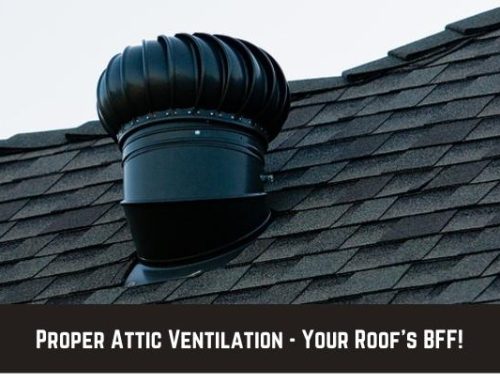
While insulation helps regulate temperature, attic ventilation ensures consistent airflow, preventing moisture buildup and heat retention.
A well-ventilated attic helps preserve roofing materials, reducing the risk of premature deterioration.
Popular Attic Ventilation Systems
To maintain a well-balanced roofing system, homeowners can utilize different ventilation solutions:
- Ridge Vents - Installed along the roof's peak, these vents allow warm air to escape efficiently.
- Soffit Vents - Located under the eaves, these vents facilitate fresh air intake, promoting continuous airflow.
- Gable Vents - Positioned on the exterior walls of the attic, these vents provide additional ventilation and enhance air circulation.
Consequences of Poor Ventilation on Roofs
Inadequate attic ventilation can lead to numerous issues, including:
- Overheating Roofing Materials - Trapped heat can cause asphalt shingles to deteriorate faster, leading to costly roof repairs or replacements.
- Moisture Buildup - Excess humidity encourages mold and mildew growth, weakens the roof structure, and affects indoor air quality.
- Ice Dams in Winter - Though rare in Florida, poor ventilation can contribute to ice dams in colder weather, causing water damage and leaks.
Recognizing Signs of Poor Insulation and Ventilation
Identifying insulation and ventilation issues early can prevent costly repairs.
Homeowners should watch for:
- Unusually high energy bills due to inefficient heating or cooling.
- Uneven indoor temperatures, with some rooms being significantly hotter or colder.
- Curling or deteriorating shingles, a sign of excessive heat buildup.
- Visible mold or mildew in the attic.
Insulation, Ventilation, and Florida's Unique Roofing Challenges
Palm Coast and Daytona Beach present specific challenges due to their hot, humid climate and frequent storms.
Roofing companies in these areas are well-versed in addressing these conditions, making sure that roofs are built and maintained to withstand extreme weather while optimizing attic insulation and ventilation.
Effective Solutions for Homeowners
To enhance attic conditions and extend roof longevity, homeowners should consider the following:
- Adding Reflective Barriers -; These materials deflect heat away from the attic, reducing overall temperature.
- Upgrading Insulation - Investing in high-quality insulation materials ensures better thermal performance and energy efficiency.
- Installing a Comprehensive Ventilation System - Properly positioned vents improve airflow and prevent excessive heat and moisture buildup.
Why Professional Roofing Companies Matter
Maintaining optimal attic insulation and ventilation requires expertise.
Engaging reliable roofing companies makes certain that assessments and upgrades meet Florida's building codes and climate demands.
Expert roofers can identify problem areas, recommend suitable solutions, and perform quality roofer repairs to maximize roof lifespan.
Conclusion
Attic insulation and ventilation are often overlooked but crucial for maintaining roof health, energy efficiency, and indoor comfort.
Poor insulation can lead to excessive wear and tear, while inadequate ventilation can cause heat and moisture-related damage.
Homeowners in Palm Coast and Daytona Beach should prioritize regular inspections and proactive upgrades performed by experienced roofing companies.
Addressing these hidden factors can enhance your home's protection, improve energy efficiency, and extend the lifespan of your roof.
Key Takeaways
- Proper attic insulation and ventilation are essential for roof durability and energy efficiency.
- Florida's hot climate makes insulation and ventilation even more critical for preventing excessive roof wear.
- Signs of poor insulation or ventilation include high energy bills, uneven indoor temperatures, and visible roof damage.
- Partnering with trusted roofing companies results in high-quality roofer repairs and improvements tailored to local weather conditions.
- Proactive maintenance and professional assessments can save homeowners from costly roofing issues in the future.
FAQs
1. Why is attic insulation important for my roof?
Attic insulation is a thermal barrier that reduces heat transfer between your home and the outside environment. Proper insulation also prevents temperature extremes that can cause roofing materials to expand and contract, ultimately extending the lifespan of your roof.
2. How does poor attic insulation affect energy efficiency?
Without proper insulation, your HVAC system must work harder to maintain indoor temperatures, leading to higher energy bills. Insufficient insulation allows heat to escape in winter and enter in summer, making your home less energy-efficient.
3. What types of attic insulation are best for Florida homes?
Spray foam insulation is highly effective in Florida's hot and humid climate due to its air-sealing properties. Fiberglass and cellulose insulation are also popular because of their affordability and thermal performance.
4. What are the signs of poor attic insulation?
Common indicators include high energy bills, uneven indoor temperatures, winter cold drafts, and excessive summer heat buildup. If you notice these issues, consult roofing companies for an inspection.
5. Why is attic ventilation necessary for my roof?
Ventilation allows fresh air to flow through the attic, preventing heat and moisture buildup. This helps reduce roofing material deterioration, mold growth, and indoor air quality issues.
6. What happens if my attic lacks proper ventilation?
Poor ventilation can cause excessive heat, which can lead to premature roof damage, shingle deterioration, and increased cooling costs. It can also trap moisture, fostering mold and mildew growth.
7. What are the most effective attic ventilation systems?
Ridge vents, soffit vents, and gable vents work together to create continuous airflow. These systems help regulate attic temperatures and prevent moisture buildup.
8. How often should I have my attic insulation and ventilation checked?
It is recommended that your attic insulation and ventilation be inspected at least once every two years. If you experience temperature inconsistencies or roof damage, schedule an assessment with a professional roofer sooner.
9. Can poor insulation and ventilation lead to roof repairs?
Yes, inadequate insulation and ventilation can cause your roof to wear out faster, leading to issues like curling shingles, leaks, and structural damage. Regular maintenance and professional roofer repairs can help prevent costly fixes.
10. How can roofing companies help improve attic insulation and ventilation?
Experienced roofing companies assess your attic conditions, recommend appropriate insulation materials, install proper ventilation systems, and perform necessary roofer repairs to enhance your roof's efficiency and durability.