Roofing emergencies often arise unexpectedly, causing homeowners in Orlando and Clermont Florida to seek immediate assistance solutions.
Whether the damage is due to severe weather, fallen debris, or unexpected leaks, understanding how to react before professional assistance arrives can help prevent further damage to your home.
Quick action and assistance from experienced roof contractors can make all the difference in minimizing costs and protecting your property.
Identifying a Roofing Emergency
A roofing emergency typically results from unexpected and severe damage that compromises the structure of your roof.
Some of the most common causes include:
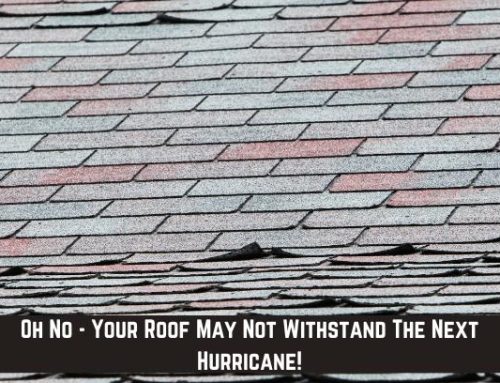
- Severe Weather - Hurricanes, thunderstorms, high winds, and hail can cause major damage to roofs, often leading to leaks, missing shingles, or structural issues.
- Fallen Tree Branches and Debris - Large branches or other storm debris can puncture roofing materials, requiring immediate attention.
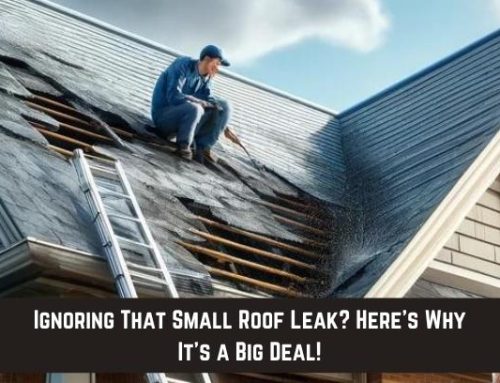
- Major Leaks and Water Damage - If your roof allows excessive water to enter your home, it can lead to mold growth, electrical hazards, and structural instability.
- Fire or Accidental Damage - House fires or accidents, such as a satellite dish falling, can also cause emergencies that require urgent repairs.
Recognizing these issues early and responding quickly can prevent costly, long-term damage.
If you notice large holes, widespread missing shingles, sagging sections, or excessive water infiltration, it is time to act immediately.
Immediate Steps to Take Before Help Arrives
When faced with a roofing emergency, your priority should always be safety.
Follow these critical steps:
1. Be Certain of the Safety of Your Household
Before inspecting any damage, make certain all family members and pets are safe.
Stay away from unstable areas of your home where roofing materials or water damage might pose a risk.
If a large section of your roof has been compromised, consider evacuating until emergency roofing repairs can be completed.
2. Minimize Interior Water Damage
Place buckets or containers underneath to collect water if you notice that it is leaking through the ceiling.
Move furniture, electronics, and other valuables away from the affected area.
If water exposure is severe, turn off the electricity to avoid electrical hazards.
3. Cover Exposed Areas with a Tarp
Cover any large holes or missing sections of your roof to prevent further damage with a waterproof tarp.
This will help minimize leaks and protect your home from additional exposure to the elements until professional roof contractors arrive.
Make sure the tarp is adequately secured to prevent it from being blown away in strong winds.
4. Document the Damage for Insurance Purposes
Take clear photos and videos of the damaged areas, both inside and outside.
This documentation is crucial for filing an insurance claim and making certain you receive the necessary coverage for repairs.
Finding Roof Contractors for Emergency Repairs
When disaster strikes, finding reliable roof contractors quickly is essential.
Here is how to locate reliable roofing contractors in Orlando and Clermont:
- Check Online Reviews & Ratings -Look for highly rated local roofing contractors on Google, Yelp, and the Better Business Bureau.
- Verify Licensing and Insurance - Be sure the contractor is licensed and insured to handle emergency roofing repairs safely and effectively.
- Ask About Emergency Services -Not all roof contractors offer 24/7 emergency services, so confirm their availability before hiring.
- Compare Estimates Quickly - While speed is important, do not rush into a decision without comparing several roofing company quotes.
A reliable roofing contractor will assess the damage promptly and provide a clear repair plan, preventing further deterioration of your home's structure.
Contacting Emergency Roofing Services
When contacting a roofing contractor for emergency repairs, provide them with as much detail as possible about the damage.
Be ready to discuss:
- The cause of the damage such as storm, fallen tree, and more.
- Any temporary fixes you have applied such as tarping or water collection.
- The extent of the visible damage including missing shingles, leaks, structural issues.
A professional roofing contractor will use this information to prioritize your repair request and send out a team as quickly as possible.
Preparing for the Contractor's Arrival
To speed up the repair process, take these preparatory steps before the roofing contractors arrive:
- Ensure Access to the Damaged Area - Move vehicles, outdoor furniture, or other obstacles that may hinder the contractor's access to the damaged portion of your roof.
- Have Your Documentation Ready - Keep insurance paperwork and photos of the damage handy for reference.
- Prepare Questions - Ask about the expected repair time, potential costs, and any preventive measures you should take moving forward.
Working efficiently with professional roof contractors makes certain that emergency repairs are completed swiftly and effectively.
Preventive Measures for Future Safety
Once your emergency roofing repairs are complete, it is time to think about long-term protection.
Here are some essential preventive measures:
- Schedule Regular Roof Inspections -A professional inspection at least twice a year can identify minor issues before they become major emergencies.
- Maintain Gutters and Downspouts - Clogged gutters can lead to water damage and pooling, increasing the risk of leaks. Clean them regularly to prevent buildup.
- Trim Overhanging Branches - Reduce the risk of falling debris by trimming back trees that extend over your roof.
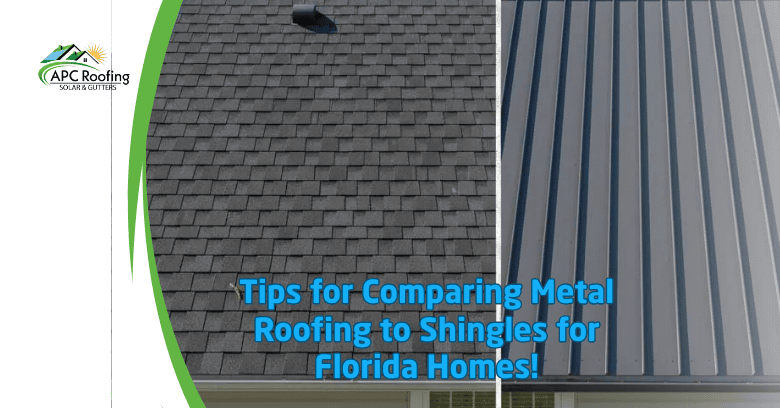
- Upgrade to Impact-Resistant Roofing Materials - For homeowners in Florida, investing in durable materials such as metal roofing or high-quality asphalt shingles can provide better protection against storms.
- Reinforce Your Roof for Severe Weather -Hurricane straps and additional waterproofing can strengthen your roof's resistance to Florida's extreme weather conditions.
Conclusion
Roofing emergencies can be stressful, but taking quick action can help minimize damage until roofing contractors arrive.
You can protect your home from further harm by identifying emergencies early, securing temporary protection, and contacting reliable roof contractors.
Once repairs are completed, implementing preventive measures will make sure that your roof remains in top condition for years to come.
Whether you are dealing with a sudden storm-related emergency or unexpected leaks, knowing who to call for emergency roofing repairs in Orlando and Clermont can make all the difference.
Always choose experienced and reliable roofing contractors to handle your repairs with professionalism and efficiency.
By staying prepared and proactive, you can protect your home and avoid costly repairs in the future.
Key Takeaways
- Recognizing Roofing Emergencies - Severe weather, fallen debris, and sudden leaks can cause significant damage that requires immediate attention.
- Prioritizing Safety - Always ensure your household's safety first by avoiding unstable areas and turning off electricity if water damage is extensive.
- Minimizing Interior Damage - Use buckets to collect water from leaks and move valuable items away from affected areas.
- Temporary Protection - Tarping exposed areas can help prevent further water intrusion until professional roof contractors arrive.
- Documenting Damage - Taking photos and videos of the damage is crucial for insurance claims and repair estimates.
- Finding Reliable Roofing Contractors - To ensure quality emergency repairs, look for licensed, insured, and highly rated roofing contractors in Orlando and Clermont.
- Effective Communication with Contractors - To expedite the repair process, provide detailed information about the damage and any temporary fixes.
- Preparing for Repairs - To speed up the contractor's work, Clear access to the damaged area and have documentation ready.
- Preventive Maintenance - Regular inspections, gutter cleaning, tree trimming, and impact-resistant materials help prevent future roofing emergencies.
- Long-Term Protection - Strengthening your roof with hurricane straps and waterproofing materials ensures better durability against Florida's extreme weather.
FAQs
1. What qualifies as a roofing emergency?
A roofing emergency includes severe damage that compromises your roof's integrity, such as major leaks, storm damage, fallen tree limbs, or structural collapses. To prevent further harm to your home, immediate attention is required.
2. How can I temporarily protect my home before roof contractors arrive?
You can minimize damage by covering exposed areas with a tarp, using buckets to collect leaking water and moving valuables away from affected areas. Always prioritize safety and avoid climbing onto the roof during dangerous conditions.
3. How do I find reliable roofing contractors in Orlando and Clermont?
Look for licensed and insured roofing contractors with positive online reviews. Check platforms like Google, Yelp, and the Better Business Bureau, and ask neighbors or friends for referrals.
4. Do roofing contractors offer emergency roofing repairs?
Yes, many roof contractors provide 24/7 emergency services; however, availability varies, so confirm that the company you contact can respond quickly to urgent situations.
5. Will my homeowners' insurance cover emergency roofing repairs?
Most insurance policies cover storm-related damage, but coverage depends on your policy's terms. Document the damage with photos and contact your insurer immediately to start the claims process.
6. How soon should I have my roof inspected after a storm?
It is best to schedule an inspection as soon as possible, even if the damage is not visible. Some issues, like hidden leaks or weakened roofing materials, can worsen over time.
7. What are the risks of delaying emergency roof repairs?
Delaying repairs can lead to worsening leaks, mold growth, structural damage, and higher repair costs. Acting quickly minimizes damage and helps protect your home.
8. How often should I schedule routine roof inspections?
Experts recommend professional inspections at least twice a year, typically in the spring and fall, to catch minor issues before they become major problems.
9. What preventive measures can help avoid future roofing emergencies?
Regular maintenance, keeping gutters clean, trimming overhanging tree branches, and using impact-resistant materials can help extend your roof's serviceable life and reduce the risk of severe damage.
10. How long do emergency roofing repairs typically take?
The timeline depends on the severity of the damage. Temporary fixes, like tarping, can be done quickly, while permanent repairs may take a few days to complete, depending on weather conditions and contractor availability.