Planning 3-Tab Shingle Roofing in Kansas City Metro Area?
APC Roofing lays new courses of strip and laminated products, on a bungalow, a split-level or a colonial.
Phone 913-398-5020 and someone will come out and explain what is up there.
Behind the Colored Finish – Factory Details
Each shingle is built on a fiberglass mat for strength, while asphalt soaked through the sheet turns rain away, and mineral granules across the top guard against sun damage.
Products that seem alike from the driveway can vary a good deal underneath, and extra material usually means longer wear. A showroom sample tells nothing beyond appearance, but the manufacturer's printed sheet gives the test results.
Traditional and Textured – Weight and Wind
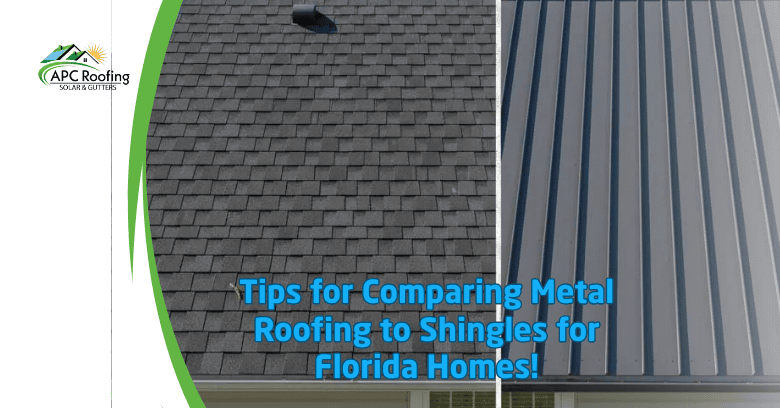
The three-tab type is a single sheet notched twice along the bottom, and courses laid this way form tidy straight bands. An architectural shingle glues a shaped overlay onto a full-width base, so the extra depth gives relief.
A laminated bundle holds considerably more asphalt than a strip bundle, and listed wind classes are generally higher. Nails on a dimensional shingle go through the zone where the plies meet, and the maker marks the correct spot on each piece.
Strip Products in Use – Practical Niches
Three-tab regularly serves a workshop, a garage or a porch, and a patch can match the rest of an older house. Several makers now offer that style in fewer colors than before, and some shades are no longer produced.
Textured shingles mask slight waves in the boards beneath, whereas straight single-ply lines reveal each flaw. The two styles share the same underlayment and edge metal, while the shingle alone sets the two apart.
Mineral Grit and Aging – Normal or Worrying
Shingles fresh from the bundle drop leftover grains in their opening months, and nothing about it signals a defect. When an older covering sends piles of grit down the spouts, its mineral shield is wearing thin, and asphalt left bare hardens and fractures in the heat.
Faces that point south and west take the strongest sun, so the black asphalt often shows through there sooner.
The Thermal Adhesive: Resisting Uplift
Each shingle carries a stripe of heat-activated glue, and warm days melt it just enough to anchor the next row. Adhesion keeps air from getting under the exposed edge of each course, while nails hold every shingle for its whole life on the house.
In the cold months at the colder end of our territory, sealing can take many weeks to happen, and strong wind may raise tabs in the meantime. Makers' directions cover this with cement placed by the installer, and each bundle label marks the right locations.
Holding Pieces Down – Frequent Errors
Roofing nails go into a narrow band marked by the manufacturer, so the shank also grabs the upper margin of the row beneath. Four fasteners per shingle meets the basic requirement, and six go in where the slope is steep or the wind is strong.
A high nail catches only a single layer, a head sunk too deep tears the fiberglass, and a crooked shank makes a bump that wears through the shingle above it. A listed wind class is valid only for the pattern the manufacturer specifies, and a pneumatic tool set wrong makes the same mistake again and again.
The Wood Below: Types and Condition
The deck under asphalt shingles is usually plywood or OSB, since fasteners must bite into something continuous. Some older homes have spaced planks installed originally for cedar shakes, and full sheathing is added on top before any shingles.
A tear-off exposes spongy or rotten areas, which are removed and replaced, since a nail in punky fibers pulls loose. Panels go down with a narrow space along each joint, because wood swells in humid weather and buckles without room to move.
The Secondary Layer: Modern Options
The deck gets a water-resistant membrane before shingles are laid, and its runs are lapped so water flows over each joint. Synthetic sheet has largely replaced asphalt-saturated felt, because the newer product weighs less, tears less easily and lies flatter.
A membrane catches wind-driven rain that slips under the shingles, but it is meant for occasional water, not months of open sky.
Peel-and-Stick Protection: Trapped Runoff
At the colder end of our territory, attic warmth melts snow on the upper slope, and meltwater freezes solid at the unheated edge. Pooled water behind the obstruction travels uphill under the courses, where ordinary underlayment lets it through at every nail.
A rubberized self-adhering membrane is laid along the eave where ice dams form, and it extends upslope beyond the point directly above the heated interior. Valleys and chimney sides often get that product too, anywhere in our territory, since flow concentrates in such places.
Border Protection: Under and Over
A bent metal drip edge runs along the eaves and up the rakes, so rain falls free beyond the woodwork. At the bottom of the roof, the flashing goes beneath the underlayment, while at the gable side the order flips.
Codes across much of the country list edge metal as required on every perimeter of the covering, since rain creeps back onto the decking where nothing guards it.
Groundwork at the Eave – Rakes Too
Before any exposed shingles, a starter strip is laid along the bottom, so the sealant is positioned right at the lip. A regular field piece simply turned around leaves its adhesive well back from the gutter, and nails alone then keep the lowest tabs from lifting.
Many manufacturers call for starter along the rakes as well, since uplift is not limited to the eaves.
The Low Seams: Choosing a Style
An open valley shows a strip of metal running down the crease, and the closed-cut approach laps one side across and trims the other straight. Woven work alternates rows from the two planes and suits three-tab, while makers generally advise against it for architectural shingles.
Nailing close to the fold is avoided, and an adhered membrane lies underneath the whole length. Debris packed into a valley stays damp long after rain ends, and diverted water can work under the neighboring courses.
Vertical Surfaces – Chimney Aprons
Along a sidewall, a bent L-shaped step flashing is woven in with each course, and the exterior finish hangs down across the standing half. At the low corner by the house, a kickout piece bends outward, so water is thrown clear into the gutter.
A chimney gets an apron across its front, steps along its sides and counterflashing let into the mortar joints, and a wide stack also needs a cricket upslope to split the flow.
Roof Penetrations: Aging Components
Standard boots join a flat metal or plastic plate to a rubber sleeve, and ultraviolet exposure dries the gasket out and cracks it. The flange slips under the courses higher up, so the lower edge sheds onto the shingles beneath.
Collars frequently need attention while the rest of the covering is healthy, so a full reshingling normally includes fresh boots.
Finishing the Apex – Final Courses
A line of cap shingles covers the ridge and the hips, and makers of two-ply lines sell a purpose-built companion. Homemade substitutes trimmed from three-tab carry less material, and in winter at the colder end of our territory the fold is prone to cracking.
An exhaust vent commonly sits under the ridge caps, and the fasteners are sized to penetrate that channel and the wood below.
Breathing Room Above the Ceiling – Blocked Paths
Fresh air is meant to enter low through soffit vents, while an exhaust at the peak lets it escape. Batts pushed hard against the sheathing at the wall line can block movement, so baffles are installed to keep a clear gap.
An attic holding in heat warms the deck from underneath, and it traps humidity that drifts up from the living space. At the colder end of our territory, frost gathers on exposed nail points on a freezing night, and the thaw sends droplets onto the ceiling. Two kinds of exhaust on one attic may work against each other, because suction then draws from the nearest opening instead of the soffits.
Regional Demands – Sunlight and Storms
The area we serve spans cold, dry high country and warm, wet flatlands, and asphalt meets a different set of stresses in each. At the coastal end of our territory, hurricanes bring spells of fierce wind, and product sheets set out an enhanced nailing method. Strong sun, season after season, makes the coating brittle, while streaks spread faster where the air stays sticky.
At the colder end of our territory, ice forming in hairline cracks forces them apart, while snow cover keeps the eaves cold for weeks at a time.
Frozen Pellets – Reading the Strikes
At the colder end of our territory, hail arrives most years with the thunderstorms, so shingles designed to resist impact are widely sold. A strike strips the coating from a spot about the size of the stone, while a heavier blow may bruise right through to the mat.
Impact ratings come from a laboratory test that drops steel balls on the shingle, and the better lines survive rough treatment more often. Some companies add rubber polymers to the asphalt, which lets the shingle flex instead of shattering.
Blowing Weather: Bare Patches of Sheet
The eaves, rakes and corners take the heaviest upward pull, and a loose shingle rises and slaps back down. A tab bent far back keeps a mark along the fold, and the break in the mat will not heal. Shingles harmed that way come out and new ones go in, while one that only lost its seal can be cemented back down.
A missing tab leaves bare underlayment facing the sky, and it was never made to stand up to daylight.
Streaks and Moss: Slowing the Return
Black lines trailing down a slope are usually algae, which survives by feeding on limestone filler. At the humid end of our territory, faces under trees and out of the sun collect it soonest, though the color change is mainly cosmetic.
Moss poses a real threat, as it traps moisture against the courses, and it works under the edges and raises them. A pressure washer blasts granules off along with the growth, so a light misting of a purpose-made solution is used instead. Copper-bearing mineral is blended into algae-resistant lines, while rain running over a zinc band near the ridge holds the stain back.
What the Color Changes – Matching Bundles
A dark covering gains more warmth from sunshine, and pale shingles stay cooler. Certain companies make granules designed to scatter infrared rays, and a measured reflectance number comes with them.
A pallet from one batch can look a touch off from another, so shingles from several bundles are mixed as the courses go on. Blended colors, with many tones on each piece, hide those minor differences, while plain shades display every one of them.
Getting Up There: Knowing When to Stay Down
Midday sun softens the surface noticeably, and every tread grinds granules loose. At the colder end of our territory, frozen tabs split beneath a person's weight, while frost at dawn makes the footing treacherous.
A homeowner is far safer staying on the ground, since a zoom lens on a phone catches a lot.
Shingles Over Shingles: What Gets Missed
Many jurisdictions let a new roof go directly onto an earlier roof, but never over two, or over boards that are wet or rotten. Leaving the first layer on keeps the decking covered the whole time, which means damage stays trapped under fresh shingles.
Every ripple below telegraphs to the surface, while tired metal at walls and chimneys tends to stay. A second covering adds weight to rafters that were sized for one, while the fasteners need more length to bite into the boards.
Early Warnings – Worth a Closer Look
- Grit collects at the foot of a downspout, and the layer thickens with each storm.
- Gaps appear where pieces have blown off, so the adhesive strip has given way.
- Courses have started to buckle and warp, because the material has lost its flexibility.
- Straight breaks run through a few pieces, and rain then finds a path to the mat.
- Some spots look dull and flat, and the asphalt now bakes in the sun.
- A pipe boot has gaps between its collar and the pipe, and drips may reach the ceiling below.
- The metal where a slope meets siding sits bent or pulled back, and wind-driven storms can get behind it.
- Paint bubbles on a top-floor ceiling, and the source can lie well uphill of it.
How APC Roofing Approaches 3-Tab Shingle Roofing in Kansas City Metro Area – Plain Talk, Clear Photos
An inspection opens with a walk over every slope, and each valley, vent, flashing and edge is looked at closely. The attic is checked from inside for stains and light coming through, because darkened wood marks where water got in.
Trouble of any kind is photographed, and damage is measured where size matters. The findings are written up in plain language, with a reason beside every recommendation. A small fix is described as small, and a tired covering is spoken of honestly. Which way to go is up to the homeowner, and waiting is one of the options.
3-Tab Shingle Roofing Throughout Kansas City Metro Area: Findings in Plain Words
Reach us at 913-398-5020 and say what you have noticed.
Small Fixes and Full Jobs – Reading the Signs
Changing a boot, resealing a flashing or swapping a few torn tabs is everyday repair work, while everything else on the slope remains. Fresh shingles stand out against faded neighbors at first, and the original product line may have been discontinued.
Stiff, dried-out shingles split when raised for nailing, and one fix can turn into several. When curling edges and bald spots cover most slopes, a full tear-off is the honest recommendation.
Expected Service Life – Early Endings
On three-tab, fifteen to twenty years is normal, while architectural lines can go well beyond that. Ventilation, exposure and fastening decide where a given covering lands, while one bad storm can end the run early.
A look at the vent collars and metal details every so often makes sense, because minor gaps closed promptly spare the sheathing.
When you are weighing 3-Tab Shingle Roofing in Kansas City Metro Area, reach APC Roofing at 913-398-5020. Each slope is walked and every detail checked, and the written findings let you decide.