In the market for Commercial Roofing Installation in Denver Colorado?
APC Roofing installs and mends membrane and metal coverings on business buildings, along with the details at units and drains.
Phone 720-902-6940 and a roofer will climb up and look closely.
Buildings Where People Work – the Basics
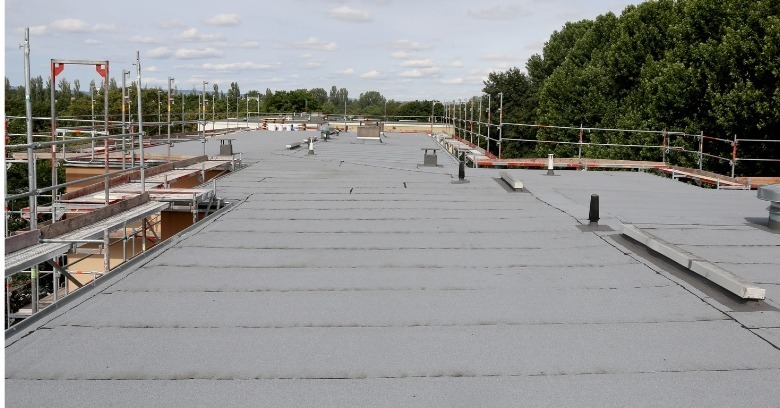
Customers, goods and running machines fill the space beneath the covering, and seepage can empty an aisle or stall a packing station. A large building is usually topped by a broad, nearly level surface, and runoff and uplift are engineered rather than guessed.
Package units, vent stacks and dishes are bolted in place above the ceiling, and each support, line or duct gets careful flashing. The activity indoors steers the selection of materials, so a refrigerated plant is specified unlike a clinic.
Sheet Systems in Wide Use: a Short Guide
One flexible layer of TPO, PVC or EPDM is what single-ply describes, modified bitumen is asphalt blended with polymer and rolled out, and built-up roofing is felt sealed with hot tar several plies deep. The laps on a thermoplastic sheet are fused by a welding machine, but rubber gets primer and tape at every splice.
Restaurant hoods blow grease out beside the fans, and oily buildup degrades asphalt and EPDM coverings, so the stretch nearby is often PVC. Gravel-surfaced built-up roofing weighs a lot and wears well, and the rock cover screens the bitumen from the sun.
Metal Panels on Business Buildings – Wear Over Time
On an exposed-fastener system, screws pass straight through the face of each sheet, and each shank anchors in the framing below. Sunlight bakes the washers until the rubber splits, and thermal movement works the fasteners loose over time.
A standing-seam system uses clips hidden inside raised ribs, and the pans shift slightly through the day. Rust is often found at overlaps and cut edges, and a coating over steel that is still sound can slow the damage.
The Deck: Grip and Strength
The structure underneath decides how everything above is secured, and a new covering goes over the same framing. Formed steel grips a screw well, concrete is glued or drilled for anchors, and plywood takes nails or plate fasteners.
Moisture trapped for years can rust through metal decking, and failing stretches are replaced rather than covered. The structure's underside is checked from indoors when access permits, and cores drilled from above confirm the remainder.
How a Membrane Is Secured: Matching the Choice to the Site
Many installations are fastened with plates screwed along every lap, adhered work is stuck down across the full surface, and a ballasted build lies loose under gravel or pavers. The deck, the building's height and the site's exposure steer the decision, and an engineer confirms the framing can carry any added weight.
Gusts make a screwed membrane ripple between the fastener lines, but an adhered sheet lies quiet and demands a dry, clean base. Ballast makes any inspection slow, because gravel or pavers must come off before anyone sees a joint.
Gusts and the Membrane: Setting the Screw Pattern
The strongest suction lands at each corner, as vortices form where the flow crosses the parapet line. The strips along the sides rank next, and the interior bears a light load.
Screws and plates are packed tighter toward corners and edges, as set out in engineering tables for height and wind speed. Where anchoring falls short, the membrane can lift at an outer angle, and air forced underneath keeps widening the opening.
The Insulation – an Overlooked Component
Polyiso panels go down over the deck in staggered courses, and a thin, hard cover board is often added last. Good insulation trims the demand on the HVAC system, and tapered pieces create the fall that sends rain to the outlets.
A saturated panel no longer holds back heat, and the added weight and dampness corrode metal decking. Infrared scans, capacitance meters and core cuts map the affected area, and nothing ruined is left under a new covering.
Drains and Overflows: Clogs and Standing Water
A basket-shaped strainer caps each interior opening, which keeps litter from entering the pipe. Silt plastered over the grate cuts the flow to a dribble, and a broad puddle collects at the low spot.
Codes call for a backup outlet mounted above the main drain, so a steady discharge up high means a jam below. An inch of standing water weighs about five pounds per square foot, and a wet patch that stays two days reveals a dip or a packed strainer.
Locating an Opening Overhead – Patience Pays
Ceiling stains record where rain finally came through inside, but the fault on the surface can lie a long way off. The valleys in a steel deck steer seepage lengthwise, and board joints carry a trickle further.
The roofer works uphill of the stain along laps, curbs and outlets, and a low-voltage test can trace an elusive leak. Patching straight above the damp tile usually lands in the wrong place, and the next rain brings the trouble back.
Rooftop Mechanical Units – Practical Notes
A built-up curb lifts each machine above the field, and flashing wraps the sides up to a sheet-metal cover. Inside corners need preformed pieces or patient detailing, and a small gap lets wind-driven rain into the structure.
A replacement condenser frequently arrives on an adapter curb nobody flashes, and drips show up indoors within weeks. Condensate lines left dribbling onto the membrane grow algae, and the water should be routed to a drain.
Everything Else That Passes Through: Handling Each Type
Each round stack wears a prefabricated boot with a clamp, while oddly shaped items get a metal pan poured full of sealant. Aging compound contracts and opens hairline gaps, and adding fresh material is ordinary maintenance.
Runs of conduit and gas line rest on unattached blocks, since every screw driven through the sheet is a future leak. Each base needs a protective pad beneath, so heat and vibration scuff the buffer instead of the membrane.
Skylights, Hatches and Smoke Vents: Common Faults
Ultraviolet light leaves acrylic and polycarbonate hazy and weak, and the screwed-down rim is where cracks start. A shrunken gasket or a separated miter lets water through, and the covering gets accused of a fault in the glazing.
The access hatch is lifted on every service visit, and constant use loosens hinges and flattens the weatherstrip. Smoke vents are life-safety devices that pop open in a fire, so flashing and materials stay clear of the swing path.
The Low Wall Around the Edge: Staying Dry
The membrane turns up the vertical face as base flashing, a termination bar holds the top margin, and a counterflashing strip sheds water outward. A coping cap crowns the parapet and throws rain clear, but an open joint between sections lets storms into the wall below.
Porous brick or block can pass water straight through to the interior, and occupants below mistake the damp for a roof leak. The coping, the wall and every flashing are reviewed together with the field, and failing mortar is raked out and repointed.
Perimeter Trim on Open Edges – Parts and Purpose
A continuous cleat is fixed along the eave and locks the hem of the flange, and a cover strip seals the sheet to the horizontal face. Gauge and profile are matched to the wind exposure at the building's height, because a loose run of metal lets gusts pry up the membrane.
Gutters along a long eave take a huge volume in a storm, which calls for sturdy hangers and oversized downspouts. Crumpled or raised trim is a clear repair item, since securing the metal now keeps the sheet from tearing.
Other Trades Overhead: Setting Some Ground Rules
Refrigeration mechanics may call on a large store every few weeks, and the route wears a visible track into the field. A stray sheet-metal screw is driven into the membrane underfoot, and a toolbox dragged across the top tears the surface.
Heavy walkway pads laid along the route show where to tread, and the abuse lands on something made to take the wear. Service agreements can tell outside trades to stick to the protective strips, and screws and scraps can be bagged and taken down.
A Regular Look Up Top – Staying Ahead of Leaks
A walk-through twice annually suits most commercial coverings, and a damaging storm earns an additional check. A service call clears leaves and trash from the strainers, every lap is probed for loose spots, and caulked joints are examined for cracking.
Before the stormy part of the year, attention goes to outlets and perimeter flashing, and the next round, after a hard season, searches for fresh movement. Minor faults get noted and pinned to a sketch, so repairs can be arranged before a leak starts.
A Building's Roof History – Notes That Help
A clear drawing pins down the position of each unit, drain and hatch, and the assembly is described from the structure to the membrane. Dated photographs of each repair go in alongside, and cut samples and infrared findings get appended.
Plenty of older buildings arrive with no history at all, and each roofer who climbs up has to investigate afresh. Roof documentation outlasts any single service firm, so a later buyer or manager starts out informed.
Fix, Refresh or Rebuild – Matching Work to Condition
Where the sheet is healthy apart from isolated defects, patching is enough, while an aged but dry surface can take a liquid-applied system. Widespread waterlogged boards signal a full replacement, and so do seams that have turned brittle everywhere, though age on paper proves nothing.
A liquid coating needs a scrubbed surface and sound mending beneath, and material below that holds water never dries out. Removing only the ruined parts can make sense as a middle option, provided the rest of the field has good years left.
Routes to a Reroof – Guided by What Lies Beneath
A recover lays new membrane over what is already there, and a cover board separates the surfaces. Codes permit an overlay on a single existing covering, provided the insulation beneath is dry.
A tear-off removes every component down to the structure, and the exposed deck can be inspected and repaired. Tapered insulation installed at the same time can reduce chronic puddling, and a saddle between drains turns the flow toward each outlet.
Signs Worth Reporting – Reasons to Call
- Water pouring from an overflow scupper during rain, which betrays a choked everyday outlet.
- Discolored ceiling panels that darken after wet weather, which confirms a path through the assembly.
- White salt deposits across the parapet face, which can signal water entering the masonry.
- Rattling trim along an open eave, which can set up a blow-off.
- Ponding visible from a higher window days after rain, which can indicate an overloaded deck or a plugged outlet.
- A hazy plastic dome over the warehouse floor, which may break when a worker leans on the glazing.
- Rust spots spreading on the underside of a steel deck, which suggests an opening some distance uphill.
- A gutter pulling away from the hangers, which can soak the wall and the ground below.
How APC Roofing Tackles Commercial Roofing Installation in Denver Colorado – Step by Step
We look first at the drains, scuppers and overflows, and the seams, curbs and edges are next in line. When a leak is present, the boards beneath are scanned, because saturation below changes the answer.
Our findings go on paper, with pictures and a marked-up plan, and every trouble spot is pinned to a location. The recommendation names repair, restoration or replacement, and you get reasons to weigh for yourself.
Commercial Roofing Installation in Denver Colorado: Answers on Paper
Phone 720-902-6940 and we will fix a time to see the building.
Working Above Occupants: Practical Arrangements
Power fastening through steel echoes through the space beneath, and glue fumes can travel down through open intakes. The loud stages are planned with the building manager ahead of time, and nearby vents can be closed off during curing.
Waste is sent to the ground through an enclosed chute, and shelving or machinery directly below can be tarped. A water-borne glue smells much milder than a solvent type, so the softer-smelling kind is common above occupied rooms.
Staged Work on a Big Surface – Order and Timing
Old layers come off only in amounts that can be closed up by evening, and the bare deck gets new boards and membrane promptly. A temporary closure protects the joint between finished and unfinished portions, and the patch is trimmed off when roofers return.
The weather report limits the size of each tear-off, and any hint of showers shortens the stretch. A sudden soaking ruins exposed insulation, and runoff may find a path to the offices underneath.
The Weather We Work In – What Changes by Market
At the colder end of our territory, hailstones and drifted snow are real concerns, which argues for tough cover boards and a structural check. Strong sun across every town we serve slowly bakes a membrane, and a white reflective surface cuts the warmth absorbed.
Hurricane wind at the coastal end demands tighter anchoring, and torrential downpours need outlets sized with room to spare. Low temperatures slow or stop many adhesives from curing, but heat-welded seams tolerate chilly air as long as the deck is dry.
Fall Protection Up Top: a Standard Part of the Job
Short parapets and bare perimeters leave nothing between a worker and the ground, so a warning line keeps crews back from the edge. Skylight lenses cannot take a body falling onto the plastic, and fixed screens rule out a plunge into the space below.
Permanent anchors left in place serve the technicians who come later, and a gated ladder hatch adds another safeguard. Any missing guard is noted in our findings, since a fall from even a single story can cause serious injury.
When Commercial Roofing Installation in Denver Colorado is on your list, call APC Roofing at 720-902-6940. A roofer will walk the membrane, the drains and the perimeter, and written findings follow, with the choice left to you.
Verified

Verified
Verified
Verified